How Axis Deer Reached Hawaii
You know, living in Hawaii, it's impossible to ignore the sight of Axis deer, especially on islands like Maui, Molokai, and Lanai. You see them grazing by the roadsides, sometimes in surprisingly large herds, and it's easy to wonder how these beautiful creatures, so distinctly non-native, came to be such a prominent part of our landscape. Many folks who hunt or simply appreciate our islands' unique ecology often ask, "How did they even get here in the first place?" This guide will trace the fascinating, and at times complex, journey of how Axis deer arrived in Hawaii, exploring the historical decisions, ecological factors, and human actions that led to their establishment and growth across our island home.
The Historical Voyage: From India to Island Paradise
The story of how Axis deer, or Cervus axis, arrived in Hawaii is a tale steeped in 19th-century fascination with exotic game and the desire to introduce new species for sport and sustenance. It wasn't a random event, but a deliberate decision that would irrevocably alter the islands' ecosystem.
The Initial Introduction to Molokai
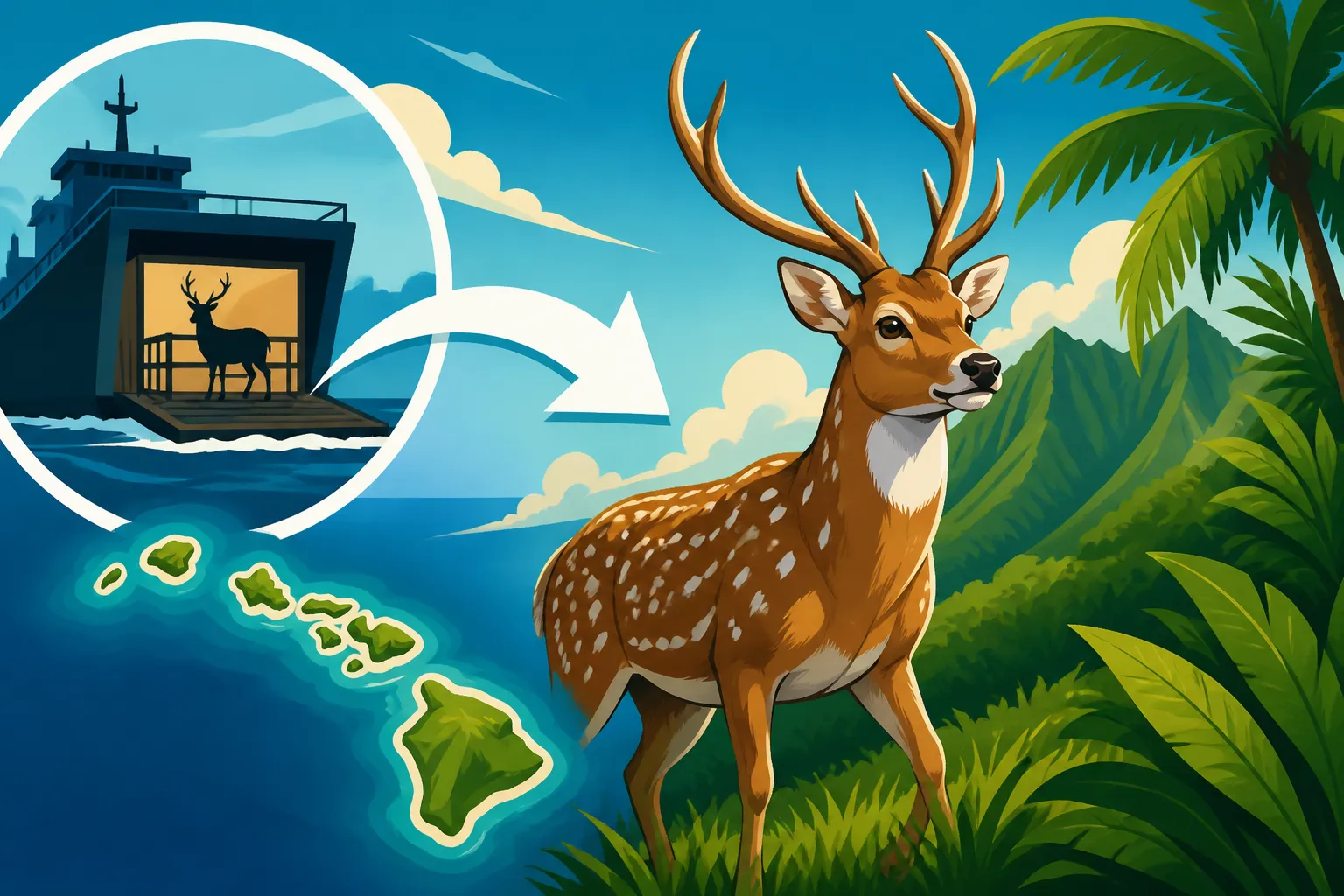
The first Axis deer to set hoof on Hawaiian soil arrived in 1867, a truly significant moment for the islands. These initial deer weren't part of some grand ecological experiment, but rather a gift. King Kamehameha V, also known as Lot Kapuāiwa, received these elegant animals as a present from Hong Kong. Reports vary slightly on the exact number, but it's generally understood that a small group, perhaps eight to twelve individuals, were brought over, likely originating from India or Ceylon, where they are native. The chosen destination for these new arrivals was the island of Molokai, specifically released on the west end of the island. At the time, Molokai's landscape offered a relatively pristine environment with ample forage and, critically, no natural predators large enough to threaten a deer population. The intent was to establish a private hunting stock for the King's enjoyment and for sport, a common practice among nobility in many parts of the world during that era.
Imagine these first deer stepping onto the red dirt of Molokai, a stark contrast to their lush Asian homelands, yet a paradise in its own right with its fertile valleys and open plains. The island provided a mild climate year-round, ensuring a consistent food supply without the harsh winters or intense dry seasons that might challenge other deer species. This initial release laid the groundwork for what would become a rapidly expanding population, far beyond what anyone might have envisioned at the time. The decision, while rooted in a desire for sport, set in motion a chain of events that would see Axis deer become one of Hawaii's most iconic, and at times controversial, game animals.
Why Axis Deer Were Chosen
Of all the deer species in the world, why Axis deer? It wasn't arbitrary. Several characteristics made them an attractive choice for introduction to the Hawaiian Islands. Firstly, their reputation for producing exceptionally flavorful and lean venison was well-known. For a monarch looking to diversify his table and provide unique culinary experiences, this was a significant draw. The idea of having a readily available supply of high-quality game meat on his royal lands was undoubtedly appealing.
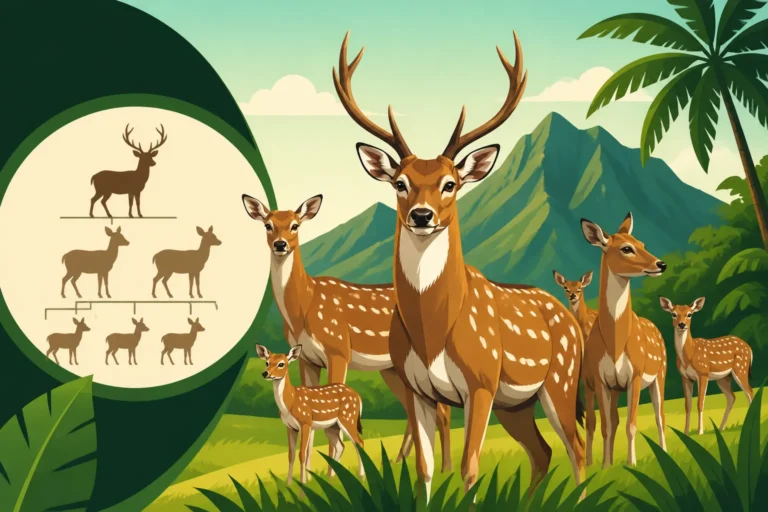
Beyond their culinary appeal, Axis deer are also recognized for their hardiness and adaptability. They are a species that can thrive in a variety of habitats, from dense forests to open grasslands, making them well-suited for Molokai's diverse terrain. Their ability to reproduce quickly and consistently throughout the year, unlike many temperate deer species that have a more defined seasonal rut, also made them an ideal candidate for rapidly establishing a self-sustaining population. This meant a quicker return on the "investment" of introduction, ensuring a robust hunting stock in a relatively short period. The combination of their aesthetic beauty, delicious meat, and inherent resilience made the Axis deer a prime candidate for introduction, ensuring their swift proliferation once they found themselves in the ideal, predator-free environment of Hawaii.
Early Adaptations and Population Growth
Once established on Molokai, the Axis deer didn't just survive; they truly flourished. The islands presented a unique set of circumstances that allowed their numbers to explode, far exceeding the initial expectations and setting the stage for their eventual spread.
Thriving in a New Environment
The Hawaiian Islands offered Axis deer a biological jackpot. Perhaps the single most significant factor contributing to their rapid population growth was the complete absence of natural predators. Unlike their native habitats in India, where tigers, leopards, and dholes keep deer populations in check, Hawaii had no large carnivores. This meant that every fawn born had a high chance of survival, reaching maturity and contributing to the breeding cycle. Without this ecological pressure, the deer population grew unchecked, limited only by food availability and human hunting pressure, which was minimal in the early years.
Furthermore, the abundant and diverse food sources across Molokai provided a year-round buffet for the deer. From various grasses to shrubs and the lush undergrowth of the forest, the deer had plenty to eat, allowing them to remain healthy and reproductive. The mild, consistent climate, free from harsh winters that would typically stress deer populations in other regions, also meant that the deer could breed year-round. This remarkable reproductive capacity, combined with the lack of predation and a constant food supply, created the perfect conditions for a population explosion. These early generations quickly learned to navigate the island's unique flora, establishing feeding patterns and territories that ensured their continued success. You can see why a species that thrives so well would quickly become a dominant force in its new home.
The Role of Early Ranches and Game Management
As the Axis deer population on Molokai grew, it naturally attracted the attention of landowners and those interested in game management. Large landholders, such as the historic Molokai Ranch, recognized the potential of these burgeoning herds for sport hunting and commercial ventures. In many cases, deer would escape from designated hunting preserves, or intentional releases occurred to establish game populations on other private lands or expand existing ones. This wasn't always a malicious act; sometimes it was simply a vision of creating a vibrant sporting estate.
However, "management" in those early days was often more about propagating the species than controlling it. There wasn't a comprehensive, island-wide conservation strategy as we understand it today. Hunting, while present, wasn't yet widespread enough to act as a significant population control mechanism. Ranchers might manage their herds through selective culling or guided hunts, but these efforts were localized and couldn't keep pace with the deer's prolific breeding. The deer were seen as a valuable resource, and their expansion was often viewed favorably by those who benefited from their presence, whether for meat, sport, or simply the aesthetic of having exotic game roam their lands. This largely unregulated period allowed the deer to solidify their foothold, turning what started as a small introduction into a permanent and pervasive presence on the island.
Spreading Across the Islands
While Molokai was the original home for Hawaii's Axis deer, their story truly took off when they began to spread to other major islands, dramatically increasing their numbers and their ecological footprint. This spread was a mix of calculated human action and unintended consequences.
The Leap to Lanai and Maui
The spread of Axis deer from Molokai to neighboring islands like Lanai and Maui was a deliberate human endeavor, driven by the desire to expand hunting opportunities. Lanai was the next island to receive Axis deer, with introductions occurring in the 1920s. These translocations were orchestrated by large private landowners, who saw the potential to create a thriving hunting preserve. For anyone who has tried their hand at hunting Lanai's Drawn Axis Deer Weekends, you know the island's dry, kiawe-studded landscape is now synonymous with big bucks. The deer quickly adapted to Lanai's unique environment, mirroring their success on Molokai.
Maui followed suit, though a bit later, with significant introductions happening in the 1950s and 60s. Again, these were primarily facilitated by private ranch owners who wanted to establish huntable populations on their vast properties, particularly in the drier, leeward slopes of Haleakalā. Today, hunting Maui's Year-Round Axis Deer Units is a popular pursuit, a testament to how well they've taken to the island. These translocations weren't always without their critics, even at the time, but the allure of a new game species often outweighed environmental concerns. The immediate impact was clear: once these deer found their footing, their populations began to climb rapidly, creating new challenges and opportunities for the islands.
Unintended Consequences and Human-Assisted Spread
While intentional releases certainly played a major role in the spread of Axis deer, other factors, both accidental and illegal, also contributed to their wider distribution. Deer are surprisingly resilient and adaptable, and escapes from private lands were not uncommon. Fences, while formidable, aren't always foolproof, and a determined deer can find a way out. Once on the loose, these escapees would often establish new pockets of population, particularly if they found favorable habitat and other deer.
Perhaps more concerning, however, was the role of illegal translocations. As Axis deer populations boomed and hunting demand grew, some individuals resorted to illicitly moving deer to other islands or new areas on existing islands to create their own "private" hunting grounds or simply to expand the range for future hunts. This could involve transporting deer by boat, sometimes under the cover of darkness. While definitive proof is often hard to come by for such activities, anecdotal evidence and the sudden appearance of deer in previously unpopulated areas suggest this has occurred. Furthermore, deer have been known to swim between closely situated islands, such as from Molokai to Maui, bridging narrow channels and expanding their natural range without any human intervention. These combined factors – escapes, illegal introductions, and natural dispersal – have made containing the Axis deer population a persistent challenge, demonstrating the complex interplay between human desires and ecological realities in Hawaii.
Ecological Impact and Management Challenges
The proliferation of Axis deer, while providing fantastic hunting opportunities, has also brought significant ecological challenges to Hawaii's fragile native ecosystems. Understanding these impacts is crucial for responsible management and conservation.
Pressure on Native Ecosystems
The presence of a rapidly reproducing, non-native ungulate like the Axis deer has put immense pressure on Hawaii's unique and delicate native flora. These deer are voracious eaters, and in areas with high populations, they can decimate native plant communities, especially rare and endangered species that evolved without the browsing pressure of large mammals. Imagine a small, vulnerable plant species, found nowhere else on Earth, suddenly facing intense grazing from hundreds of deer – it's a battle it's not equipped to win. This overgrazing strips away ground cover, leading to significant soil erosion, particularly on steep, dry slopes. When the rains come, the exposed soil washes away, silting streams and impacting coastal ecosystems.
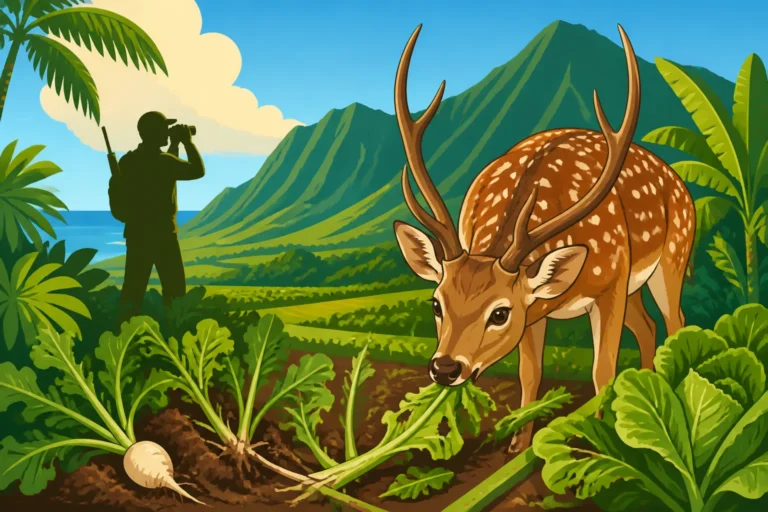
The consequences extend beyond just plants. The destruction of native understory impacts the habitats of native forest birds and insects, disrupting entire food webs. This is a critical point when we talk about what ungulates cost Hawaii's watersheds. Fences, like those discussed in Hawaii's Fenced Conservation Boundaries, are often erected to protect critical conservation areas from deer browsing, a testament to the scale of the threat. The deer also compete with other non-native species, and even sometimes with native birds for resources like certain fruits or seeds. Ranchers also feel the pinch, as Axis deer damage to Hawaii farms is a constant struggle, impacting pastures and crops, creating a direct conflict with agricultural interests. It’s a classic invasive species scenario, where a foreign element, left unchecked, fundamentally alters the landscape and the delicate balance of life within it.
The Ongoing Debate: Hunting as a Management Tool
Given the ecological pressures caused by high Axis deer numbers, hunting has long been recognized as the primary, and often most effective, management tool available. The state's Department of Land and Natural Resources (DLNR) and its Division of Forestry and Wildlife (DOFAW) actively manage hunting seasons and bag limits to help control populations in public hunting units, as outlined in Hawaii Game Mammal Seasons. However, the sheer scale of the problem, particularly on islands like Maui, means that managing these herds is a continuous uphill battle.
There's a constant debate among stakeholders regarding the most effective strategies. While ground hunting by licensed hunters is foundational, the challenges of Hawaii's rugged terrain, dense vegetation, and limited public access mean that traditional hunting alone often can't keep pace with the deer's reproductive rate. This has led to discussions and implementation of more intensive methods, such as aerial control programs. These programs, like Hawaii's Maui Nui Deer Control Program, involve culling deer from helicopters in remote or inaccessible areas. While effective in reducing numbers quickly, aerial culling can be controversial, prompting discussions about ethics, meat utilization, and the role of hunters. Ultimately, the goal is to strike a balance, utilizing hunting to mitigate ecological damage while also providing recreational opportunities for the community, a complex challenge that requires ongoing adaptation and collaboration.
Today's Axis Deer Presence and the Hunter's Role
Today, Axis deer are an undeniable and highly visible part of Hawaii's faunal landscape, particularly on Maui, Molokai, and Lanai. Their presence shapes everything from local agriculture to conservation efforts and, of course, the vibrant hunting culture here.
Current Populations and Distribution
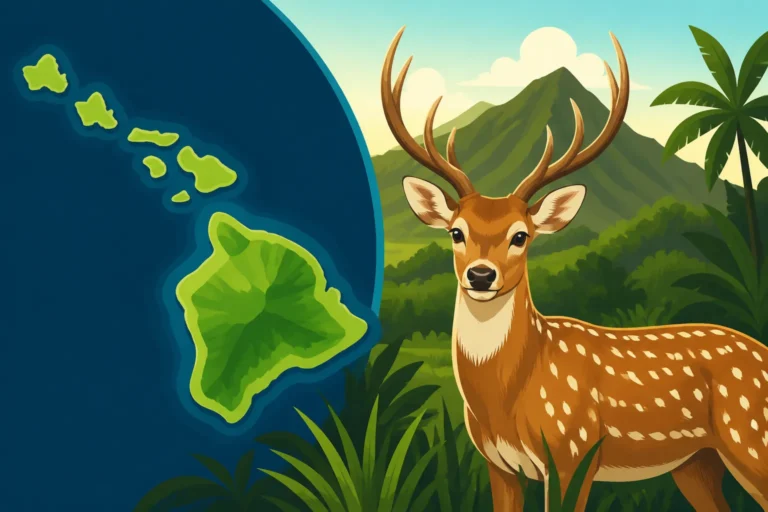
Currently, Axis deer populations are most concentrated and abundant on the islands of Maui, Molokai, and Lanai. Maui, in particular, is often cited as having the largest population, with estimates sometimes ranging into the tens of thousands, or even over 60,000 as per some recent assessments for Maui Nui (Maui, Molokai, Lanai). This has led to significant challenges for both native ecosystems and agricultural operations across the island. While there have been sporadic sightings and concerns about establishment on Hawaii Island and Oahu, these populations are generally not considered established or widespread like those in Maui Nui. The successful colonization of these islands can be attributed to the abundant forage, mild climate, and absence of natural predators. If you're wondering where Axis deer live in Hawaii, it's those three islands where you'll find them in large numbers.
The sheer volume of animals means that knowing how many Axis deer Maui holds is crucial for proper resource management. For hunters, this translates into ample opportunities, but also a responsibility to participate in population control. Finding current information on seasons, units, and permit requirements often means checking official DLNR resources or user-friendly platforms like GoHunt Hawaii, which helps streamline the process of acquiring licenses and understanding regulations. The deer have certainly made their mark, profoundly influencing the landscape and economy of these islands, creating a dynamic where both human and natural systems must adapt to their pervasive presence.
The Hunter's Role in Conservation
In Hawaii, hunters play a critical, often understated, role in the management and conservation of Axis deer and other introduced game species. With the state's limited resources for large-scale animal control, licensed hunters serve as the primary mechanism for keeping Axis deer populations in check. Every deer harvested contributes to alleviating the pressure on native plants and agricultural lands. It's a hands-on form of conservation, where participation in a recreational activity directly benefits the broader ecosystem. Getting your Hawaii Hunting Licenses and What They Cost is the first step in joining this effort, and it’s an essential one for legal and ethical hunting.
Moreover, the funds generated through hunting license sales, permit fees, and related economic activity (e.g., gear purchases, guided hunts) often contribute directly to wildlife management programs, habitat restoration, and enforcement efforts by DOFAW. Hunters are also often on the front lines, acting as informal scouts, reporting observed population trends or issues in various units. Adherence to Hawaii Hunter Education Requirements ensures that hunters are not only safe and proficient but also understand their ethical responsibilities in the field. By actively participating in regulated hunting, observing bag limits, and checking in and out of units, hunters become integral partners in the complex task of balancing wildlife populations with the ecological health and agricultural sustainability of the Hawaiian Islands. This collective effort, sometimes facilitated by online platforms like GoHunt for permit acquisition, helps ensure a future for both hunting traditions and the environment we cherish.
Understanding Axis Deer Translocations in Hawaii
To really grasp the journey of the Axis deer, it helps to see the key moments of their introduction and spread across the islands in a clear way. This table highlights the primary, documented translocations that led to their current distribution.
| Island of Introduction | Approximate Year | Primary Initiator(s) | Primary Reason for Introduction |
|---|---|---|---|
| Molokai | 1867 | King Kamehameha V | Royal gift, sport hunting |
| Lanai | 1920s | Private landowners | Expand hunting opportunities |
| Maui | 1950s-1960s | Private ranchers | Establish game for sport/meat |
This table illustrates a pattern: initial royal interest led to the first introduction, followed by private commercial and recreational interests driving their spread to other islands. This methodical approach to stocking islands for hunting has shaped the deer's current range and the challenges faced by local authorities and conservationists today.
Disclaimer
Please remember that hunting regulations, seasons, and unit access can change frequently in Hawaii. Always consult the most current Hawaii Department of Land and Natural Resources (DLNR) Division of Forestry and Wildlife (DOFAW) regulations before planning any hunting trip. This guide is for informational purposes only and does not supersede official state regulations.