Why Molokai Grows Bigger Axis Bucks
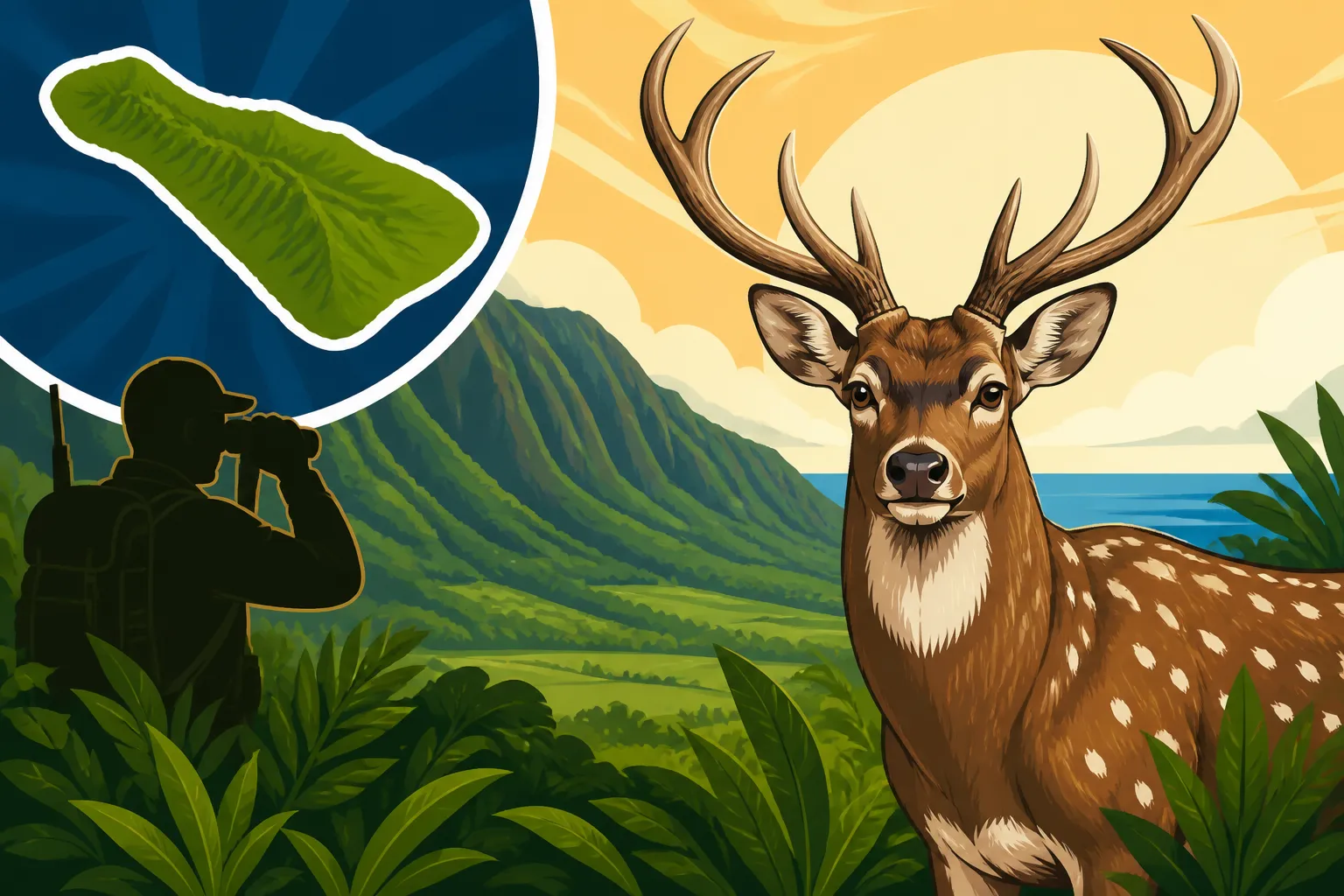
If you've spent any time at all talking to hunters across the islands, or perhaps just daydreaming about a trophy Axis deer hunt, you've probably heard the almost mythical whispers about Molokai. There's a common belief, a persistent rumor even, that the Axis bucks harvested from the "Friendly Isle" just tend to be… bigger. We're talking heavier bodies, wider spreads, and more impressive antler mass than you might consistently find on other islands. It's a source of both fascination and frustration for hunters wondering if it's true, and if so, what magic Molokai possesses to produce such remarkable animals. Well, you're not wrong to wonder! This guide is going to peel back the layers and explore the unique combination of factors — from habitat and nutrition to genetics and hunting pressure — that contribute to Molokai's reputation for growing truly exceptional Axis deer.
Understanding Molokai's Unique Axis Deer Habitat and Nutrition
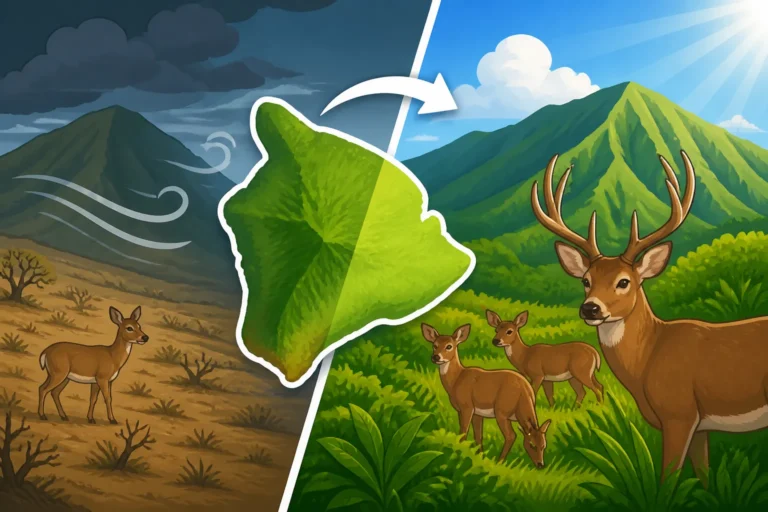
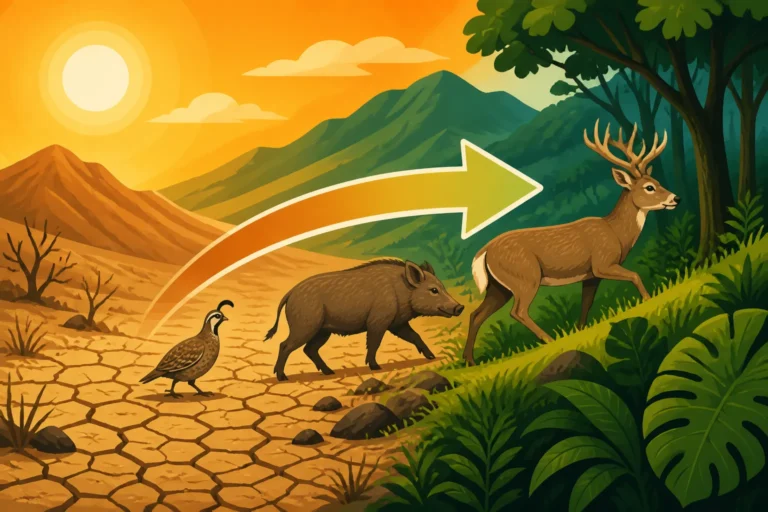
Molokai often presents itself as a paradox: much of its hunting land is dry and rugged, yet it consistently produces some of the healthiest and largest Axis deer in Hawaii. The secret lies not in lush, abundant greenery year-round, but in the specific composition and resilience of its ecosystem, which provides critical nutritional resources for deer to thrive and reach their full potential. It's a testament to how adaptable these animals are, and how the right blend of environmental factors can truly make a difference.
The Island's Forage and Water Sources
Molokai's landscape is diverse, ranging from arid, kiawe-dominated flats to higher, slightly wetter slopes. What makes the forage here particularly effective for Axis deer isn't just quantity, but quality. The browse species, including various native and introduced plants, are rich in essential nutrients and protein, especially during certain seasons. For instance, kiawe pods, while often viewed as a nuisance by hikers for their thorny nature, are a highly nutritious food source for deer when they drop. These pods are packed with carbohydrates and protein, providing a vital energy boost that contributes significantly to body mass and antler growth, particularly when other forage might be less palatable or available. Deer will actively seek out and consume these pods, often traveling considerable distances to get to them. Other shrubs and grasses, though seemingly sparse in dry periods, retain surprising nutritional value, allowing deer to maintain good condition even when the landscape appears parched.
Water, naturally, is another critical component, and Molokai's deer have learned to utilize both natural sources and human-made catchment systems. While consistent rainfall can be localized, the deer have established patterns around gulches and old ranching infrastructure where water might collect or be pumped. This consistent, even if somewhat dispersed, access to water is paramount for digestion and nutrient absorption. Without reliable water, even the best forage can't be fully utilized. The deer on Molokai, much like other island populations, have adapted to these cycles, moving across the landscape to capitalize on ephemeral water sources or established wells, which directly impacts their health and growth trajectory. This constant search and utilization of resources means the deer are often active and strong, building the musculature and bone density that contributes to their impressive size.
Climate and Terrain Influences on Deer Health
The climate on Molokai, characterized by distinct wet and dry seasons, plays a crucial role in the Axis deer's life cycle and growth. While prolonged drought can be challenging, the regular patterns of moisture encourage flushes of new growth in the vegetation, providing periods of high-quality forage crucial for antler development and fawn rearing. The deer are incredibly resilient, using the dry season to browse on more woody plants and pods, then capitalizing on the nutrient-rich new growth once the rains return. This cyclical abundance ensures they are not consistently in a state of nutritional deficit, allowing for sustained growth over multiple years. This rhythm contrasts with areas where forage quality might be consistently lower or more volatile.
The terrain itself, often steep and rugged, contributes to the overall hardiness and muscularity of the Molokai deer. Constantly traversing elevation changes, navigating rocky areas, and crossing deep gulches demands a level of physical conditioning that builds robust animals. Unlike deer in flatter, less challenging environments, these bucks are getting a continuous workout, leading to stronger bone structure and greater muscle mass. This isn't just about looking good; it's about physiological development. A stronger, healthier deer is better equipped to handle the stresses of rut, evade predators (even if only domestic dogs), and recover from minor injuries, all of which contribute to a longer lifespan and, consequently, more years for antler growth. This consistent physical challenge also likely plays a role in natural selection, favoring the survival of stronger, more robust individuals over time.
The Role of Population Dynamics and Hunting Pressure on Molokai
One of the most significant factors in Molokai producing larger Axis bucks lies in its unique balance of population density and how hunting pressure is managed. Unlike some areas where deer numbers might explode and then crash, leading to smaller, less healthy animals due to overgrazing, Molokai generally benefits from a more sustainable relationship between its herd and the available habitat. This equilibrium is critical for the long-term health and trophy potential of the deer.
Balanced Herds and Management Strategies
Molokai has faced its own challenges with Axis deer populations, particularly with concerns about overgrazing and impacts on native ecosystems. However, the island has also been a focus of management efforts, both by private landowners and state agencies, aimed at maintaining a healthier balance. When a deer population is too dense for the habitat to support, the competition for food and water becomes intense. This leads to stunted growth, smaller body sizes, and less impressive antlers across the board, as no individual can get enough nutrition to reach its full potential. On Molokai, there's a concerted effort to manage herd numbers through controlled hunting and, in some cases, targeted removal efforts. This ensures that the remaining deer have access to sufficient resources, reducing nutritional stress and allowing them to allocate more energy to growth and antler development.
This management approach is often a delicate dance, balancing the needs of the ecosystem with hunting opportunities. Through careful monitoring and adaptive strategies, managers strive to prevent the boom-and-bust cycles seen elsewhere. The result is often a herd where individual animals have a better chance to mature, rather than being constantly stressed by overcrowding. When you're planning a hunt, it's always wise to check current regulations and management updates, which you can often find through resources like the GoHunt Hawaii website or by contacting the local DOFAW office. Understanding how the Hawaii Game Mammal Seasons are set and what specific unit rules apply can give you insights into these management strategies.
Hunter Access and Impact on Buck Age Class
Hunting pressure, or more specifically, the type and distribution of hunting pressure, also plays a pivotal role in why Molokai yields bigger bucks. While Molokai does have public hunting opportunities, a significant portion of its prime Axis deer habitat is on private lands, some of which are managed with specific trophy objectives or more controlled access. This often translates to a different harvest strategy compared to heavily pressured public lands on other islands.
On public lands, particularly those with easily accessible units or frequent hunt weekends, younger bucks are often harvested before they have a chance to fully mature. While legal and enjoyable, this can skew the age structure of the herd towards younger animals, reducing the overall potential for truly large trophies. However, on Molokai, especially in areas with more restricted access or on ranches that practice selective harvesting, older, more mature bucks are allowed to survive longer. These older bucks, having passed through several rut cycles and enjoyed years of good nutrition, are the ones that develop the large body size and impressive, multi-tined antlers that Molokai is famous for. This is often the allure of Hunting Molokai's Big-Bodied Axis Bucks.
Consider a scenario: on a heavily hunted public unit, a two-year-old buck might be a desirable target. On a less-pressured Molokai private ranch or in a more remote public area, that same two-year-old might be allowed to walk, giving him two or three more years to grow into a truly exceptional animal. This isn't to say that all of Molokai is a private hunting paradise; there are excellent public opportunities. But the overall dynamic, with a mix of public and private management, seems to foster an environment where a greater proportion of bucks reach advanced age classes, leading to those sought-after trophy animals. Understanding the nuances of Hawaii's Drawn Hunts and Lotteries for Molokai can also shed light on how access is regulated, further influencing buck age classes.
Genetic Factors and Herd Health on Molokai
Beyond habitat and hunting pressure, the underlying genetics of Molokai's Axis deer herd and the general health conditions on the island contribute significantly to the impressive size and antler growth seen there. While Axis deer across Hawaii share a common lineage, subtle differences can emerge over generations, especially in isolated island populations.
The Genetic Legacy of Molokai's Axis Deer
The original Axis deer introduced to Molokai, much like those to other islands, came from India and Ceylon. However, over the many decades since their initial introduction, and with varying degrees of genetic exchange (or lack thereof) between island populations, Molokai's deer may have developed a genetic predisposition for larger size and antler growth. While it's difficult to definitively prove a "superior" genetic strain without extensive scientific study, anecdotal evidence and consistent harvest reports certainly point in that direction. It's possible that the founders of Molokai's herd possessed genes favorable for robust growth, and these traits have been preserved and even amplified over time due to the island's unique conditions.
Furthermore, a healthy gene pool, free from excessive inbreeding and with enough diversity, allows for the expression of optimal genetic potential. When populations are healthy and well-managed, natural selection can continue to favor individuals with traits that allow them to thrive in Molokai's specific environment, including efficient nutrient absorption, disease resistance, and robust physical development. This isn't just about massive antlers; it's about the entire animal's genetic blueprint for growth and vitality. Factors such as What a Hawaii Axis Buck Weighs and the annual variations in antler development are often linked back to both genetics and environmental conditions.
Disease and Stressors in the Environment
A healthy herd is a growing herd, and Molokai's Axis deer generally appear to be quite healthy, showing minimal signs of widespread disease that could hinder growth. Unlike mainland deer populations that might contend with chronic wasting disease or bluetongue, Hawaii's isolated nature has largely protected its deer from many common continental ailments. This relative freedom from major diseases means deer can dedicate their metabolic energy to growth and reproduction rather than fighting off illness. When you compare this to Axis Deer Damage to Hawaii Farms on other islands where overpopulation might lead to increased stress and disease transmission, Molokai often presents a picture of a more robust and resilient deer population.
Additionally, while Molokai has its share of environmental stressors like drought, the deer have adapted remarkably well. The availability of diverse forage, even in dry times, and the ability to find water, mitigate the long-term impact of these stressors. Constant nutritional stress, regardless of the cause (overpopulation, poor habitat, or disease), severely limits an animal's ability to express its full genetic potential. On Molokai, the combination of relatively low disease burden and adaptive foraging strategies helps to keep the deer in prime condition, year after year, allowing them to put on the weight and antler mass that makes them stand out. Understanding Why Axis Deer Rut Timing Is Different across islands can also hint at population health and stress levels, as a healthy herd will exhibit more predictable and vigorous rutting behavior.
Age Structure: The Unsung Hero of Molokai's Big Bucks
While habitat, nutrition, and genetics lay the foundation, the ultimate expression of a trophy Axis buck often comes down to one critical factor: age. A buck simply needs time to grow. Molokai's environment and management often allow a higher proportion of bucks to reach older age classes, which is where true antler potential is realized. It's not just about a single exceptional year of growth, but the cumulative effect of many good years.
How Older Bucks Mature to Their Full Potential
Axis deer, like most antlered species, don't reach their peak antler growth until they are several years old. While a young buck might sport spikes or a small fork horn, a truly impressive rack typically requires a buck to be at least 4-6 years old, sometimes even older, depending on nutrition and genetics. During these later years, the buck's body has finished growing, and its energy can be fully directed towards antler development. This means thicker main beams, more points, and greater mass. On Molokai, the combination of good nutrition and, in many areas, less intense hunting pressure on young bucks, means more of these animals survive long enough to enter their prime antler-growing years.
Imagine a two-year-old buck with his first serious rack. He's growing, but his body is still developing too. By the time he's five or six, his skeletal structure is mature, his muscles are fully developed, and if he has access to the right minerals and protein, his antlers can explode in size. This isn't just a theory; it's a well-observed phenomenon in wildlife management. Areas that consistently produce large animals are almost always areas where animals are allowed to age. It’s also fascinating to consider What Axis Deer Eat on Maui compared to Molokai, as dietary differences can influence growth rates, but age remains the dominant factor in achieving truly mature antlers.
The Interplay of Age, Nutrition, and Genetics
It's important to understand that age doesn't work in isolation. It's the powerful synergy between age, consistent high-quality nutrition, and a healthy genetic blueprint that truly creates those legendary Molokai bucks. A buck might have the genetic potential for a massive rack, but if he lives in an area with poor forage or constant nutritional stress, he’ll never fully express that potential. Conversely, a buck with access to the best feed might still not grow huge antlers if he's genetically predisposed to smaller racks, or if he's harvested as a young animal.
Molokai seems to hit this trifecta more often than not. The island provides enough varied and nutritious forage (like kiawe pods and other browse) for bucks to thrive year after year. Deer have reliable, even if spread out, Hunting a Water Source in Dry Hawaii Country. The herd genetics appear robust, allowing for significant antler development. And critically, a sufficient number of bucks are given the chance to live long enough to fully mature, dedicating their resources to growing impressive headgear. This allows them to become the "big-bodied Molokai bucks" that hunters aspire to find. When preparing for a hunt, whether on Molokai or another island, always verify the Hawaii Hunting Licenses and What They Cost and other requirements, which can often be found on the GoHunt website, to ensure you’re fully prepared to pursue these incredible animals.
Here's a quick comparison of factors influencing Axis deer size across the islands:
| Factor | Molokai (General Trend) | Maui/Lanai (General Trend) | Kauai (Black-tailed Deer – for comparison) |
|---|---|---|---|
| Herd Density | Managed, often lower in key areas | Variable, can be high in some units leading to competition | Moderate, specific to limited range |
| Forage Quality | Good, diverse browse (e.g., kiawe pods) and resilient plants | Good, but can be pressured by high density | Forested browse, different species than Axis deer |
| Water Availability | Generally consistent, even if localized | Can be more challenging in very dry, high-density areas | Generally good in their forested habitats |
| Hunting Pressure | Mix of public/private; some areas allow bucks to age | High on public land, many younger bucks harvested | Controlled, specific seasons and units |
| Buck Age Class | Higher proportion of older, mature bucks | Skewed towards younger bucks due to higher harvest rates | Moderate age structure |
| Genetic Potential | Appears robust for size and antler growth | Good, but often limited by nutrition/age | Specific to Black-tailed deer, different growth patterns |
| Overall Health | Generally high, less widespread disease pressure | Can be impacted by higher densities, stress | Healthy, adapted to their specific environment |
Ultimately, Molokai offers a unique blend of environmental stability, thoughtful management, and genetic fortitude that allows its Axis deer to truly flourish. It's a testament to the fact that while hunting is about the pursuit, it's also deeply connected to the health and vitality of the ecosystem. So, when you hear those stories about massive Molokai bucks, know that there's a good reason behind the legend.
Disclaimer
This article is for general informational purposes only and does not constitute professional advice. Laws, prices and regulations vary by location and change over time. Consult a qualified professional for guidance on your specific situation.