Where Hawaii Game Numbers Are Rising
It's easy to feel a little overwhelmed when you start looking into hunting in Hawaii. You might hear stories about declining game numbers in some areas, or simply wonder if there's enough healthy wildlife to pursue a fulfilling hunt. The good news is, while conservation efforts and management are always ongoing, there are definitely places across our beautiful islands where game animal populations are not just holding steady, but are actually seeing rises in numbers, offering fantastic opportunities for dedicated hunters. This guide is all about shedding light on those areas and species where the game is thriving.
Understanding Hawaii's Dynamic Game Populations
Hawaii's unique ecosystem means that game populations are always in flux, influenced by everything from rainfall patterns and available forage to management interventions and hunting pressure. Unlike mainland environments, our islands are relatively small and isolated, making these dynamics particularly noticeable. What might be a booming population on one side of an island, or even within a specific gulch, could be vastly different just a few miles away. This ebb and flow is part of what makes hunting here so challenging and rewarding – you have to stay informed and adaptable.
The Impact of Habitat and Climate
The very landscape of Hawaii plays a huge role in where game thrives. Wet, windward slopes with dense vegetation often support healthy pig populations, offering ample food and cover. Conversely, dry leeward sides, with their kiawe forests and open grasslands, are prime habitat for axis deer and goats, especially when water sources are reliable. When we experience extended drought, for example, game animals will concentrate around limited water, which can make them seem more numerous in those specific spots, even if their overall range is stressed. Understanding these habitat preferences is key to identifying areas of growth.
Management and Conservation Efforts
Our Department of Land and Natural Resources (DLNR), Division of Forestry and Wildlife (DOFAW), along with various private landowners and conservation groups, continuously monitor and manage game populations. Sometimes, rising numbers in one area might be a direct result of successful habitat restoration, or even a targeted effort to reduce impact in sensitive native ecosystems elsewhere by directing hunting pressure to specific units. These management actions, though sometimes controversial, often create localized pockets where game can really flourish, providing hunting opportunities that benefit both the animals and the environment. Hawaii's Fenced Conservation Boundaries are a great example of this, as they often push ungulates into other accessible areas.
Key Species Experiencing Growth and Where to Find Them
While every species has its ups and downs, some consistently demonstrate strong populations or even growth in certain regions across the islands. Knowing which animals are doing well, and more importantly, where they're doing well, can dramatically improve your hunting prospects.
Axis Deer on Maui and Molokai
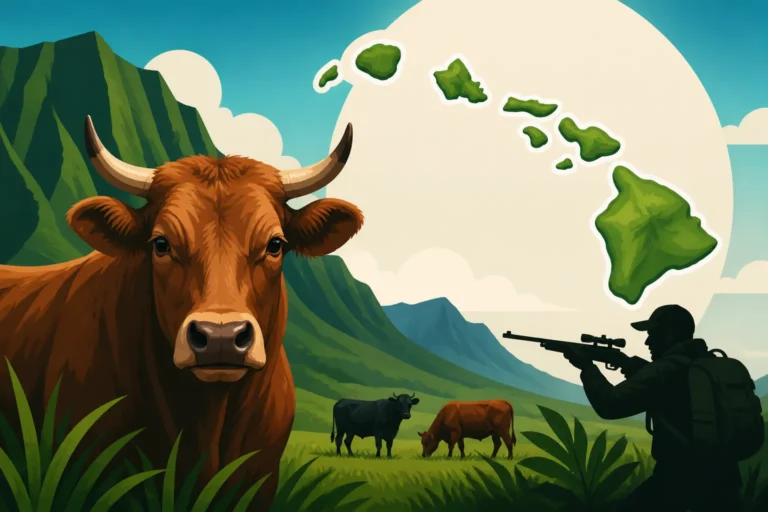
When we talk about rising game numbers, Axis Deer, Hawaii's Signature Big Game immediately come to mind, particularly on Maui and Molokai. While Lanai has a legendary reputation, the sheer numbers and robust health of axis deer herds on parts of Maui, especially in the upcountry and leeward slopes, are truly impressive. These deer are incredibly adaptable and, in many areas, their populations have expanded significantly over recent decades, often to the point where they pose a considerable challenge to agricultural interests.
On Molokai, too, the axis deer are thriving, often growing to impressive sizes due to excellent forage and less hunting pressure in some remote areas. You'll find strong herds across various habitats, from dry kiawe flats to the edges of more lush, transitional zones. These islands offer consistent opportunities, with seasons often running year-round in designated units, allowing hunters ample time to pursue these beautiful animals. Checking the latest unit information on GoHunt or the official DOFAW website is crucial for understanding current open areas and permit requirements.
Feral Pigs in Wet Forest Environments
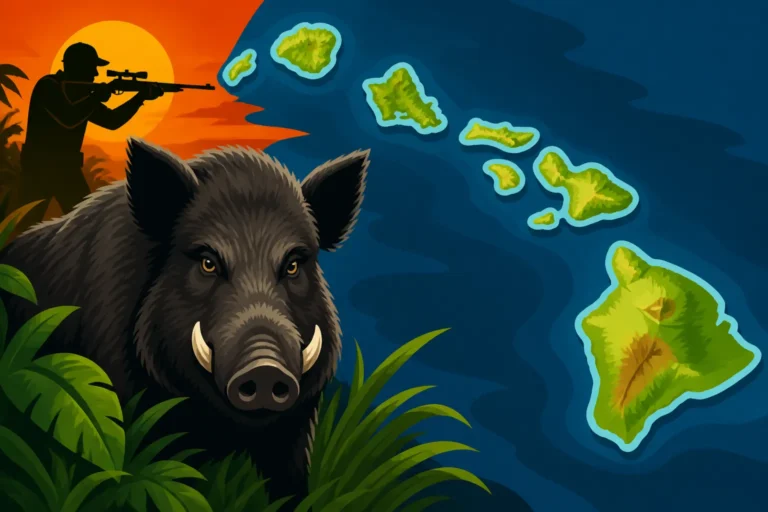
Hawaii's feral pigs are, without a doubt, one of the most prolific game animals across the archipelago. While they are considered a major invasive species, causing extensive damage to native ecosystems, their numbers are consistently high, particularly in the dense, wet forests of islands like Hawaii Island (the Big Island) and Oahu. These areas provide everything a pig needs: abundant food sources like guava, strawberry guava, and various roots, along with incredibly thick cover that makes them challenging to hunt.
You'll find that in many of the higher elevation, wetter forest reserves, like those on the windward side of the Big Island, pig populations remain robust. Even after sustained hunting pressure, their rapid breeding cycles mean they can bounce back quickly. Still-Hunting Pigs in Hawaii's Wet Forest can be incredibly productive if you know where to look for fresh sign. For hunters, this means a consistent supply of game, though often requiring serious effort to penetrate their dense habitats.
Feral Goats on Steep Leeward Slopes
Feral goats are another species that, despite management efforts, often see strong numbers in their preferred rugged habitats. They've adapted incredibly well to the steep, arid, leeward slopes and coastal cliffs of islands like Hawaii Island and Maui. These areas, often inhospitable to other large ungulates, offer goats ample forage and natural defenses against predators (including hunters).
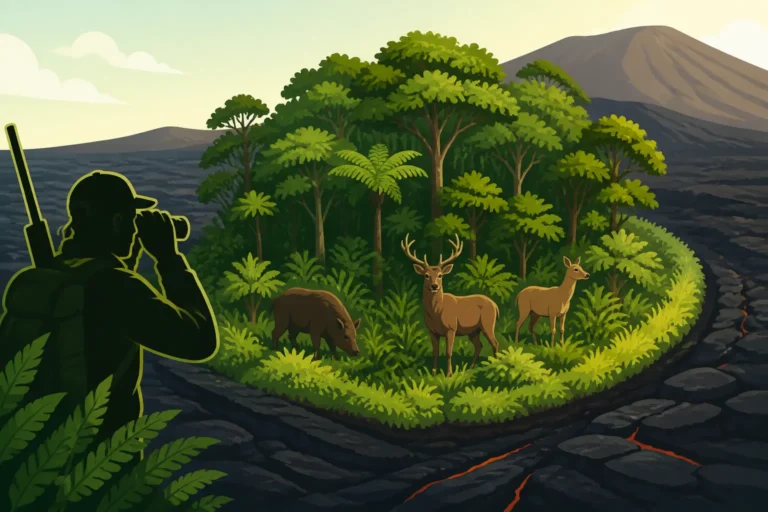
On the Big Island, areas like the expansive lava flows and steep gulches of the Kona side can hold significant goat populations. On Maui, the Kahikinui slopes and other dry, rocky regions are known for their healthy herds. Their agility and resilience allow them to exploit niches where other animals struggle, leading to sustained or even rising populations in these specific, challenging terrains. A good pair of binoculars and patience are your best friends when Hunting Goats on Hawaii's Coastal Cliffs.
Factors Contributing to Localized Population Increases
Understanding why game numbers are rising in certain locations gives you an edge as a hunter. It's not just random; there are often clear ecological and management reasons at play.
Abundant Food and Water Sources
The most fundamental reason for thriving game populations is access to abundant food and water. In Hawaii, this can vary dramatically season by season and island by island. A wet year, for instance, can lead to a flush of new growth, providing excellent browse for axis deer and goats, and a bounty of fruits and roots for pigs. This can directly translate into higher fawn, kid, and piglet survival rates, leading to more animals in the coming seasons.
Consider areas around active ranch lands or former agricultural fields. While hunting may be restricted on some private properties, the edges of these lands often provide rich forage that spills into adjacent public hunting units. Animals benefit from this nutrient-rich food, allowing their numbers to increase. When scouting, pay close attention to recent rainfall patterns and vegetation health, as these are strong indicators of where animals might be concentrating.
Reduced Predation and Hunting Pressure
In Hawaii, our game animals generally face no natural predators beyond humans. This absence of apex predators means that population control primarily falls to hunters and management programs. In areas where hunting pressure is lighter due to difficult access or less popular seasons, game populations can more easily increase. This isn't always intentional; sometimes it's simply a function of remote terrain.
Furthermore, specific areas might experience temporary lulls in hunting pressure due to changes in unit access, temporary closures, or even just shifts in hunter preference. These periods can allow local populations to rebound and grow. While hunters are essential for managing these populations, these natural respites can create localized hot spots where game animals flourish relatively undisturbed. Always check the GoHunt platform or local DOFAW offices for the most current unit information and regulations before planning your trip.
Adaptive Resilience of Invasive Species
It's a bittersweet truth that the very traits that make species like axis deer, feral pigs, and goats problematic from an ecological standpoint also make them incredibly resilient and capable of rapid population growth. They are "generalist" eaters, meaning they can thrive on a wide variety of plant life, and they have high reproductive rates. Axis deer, for example, do not have a fixed rut and can breed year-round, leading to multiple fawn crops. Why Axis Deer Rut Timing Is Different contributes significantly to their rapid expansion.
Feral pigs and goats also reproduce quickly, often having multiple litters or births a year, with large numbers of offspring. This intrinsic biological capacity to quickly replenish their ranks means that even with consistent hunting, localized populations can experience periods of significant increase, especially if conditions are favorable for survival and breeding.
Accessing Areas with Rising Game Numbers
So, you know which species and where their numbers might be rising. Now, how do you actually get into these areas and capitalize on these opportunities? It often comes down to research, preparation, and sometimes, a little bit of grit.
Researching Unit Regulations and Seasons
Your first and most important step is always to consult the latest regulations for Hawaii's hunting units. Every island, and often every unit, has specific rules regarding seasons, bag limits, and legal weapons. Some areas with rising populations might be subject to special draw hunts, while others might offer year-round open seasons. The official DLNR-DOFAW website and resources like GoHunt are indispensable for this.
For example, while Maui's axis deer population is strong, you'll need to know which units are open and if a permit is required. Similarly, for Hawaii's Feral Pigs, Island by Island, the regulations on Oahu will differ significantly from those on the Big Island. Don't assume anything; always double-check dates, times, and access requirements before you even pack your boots.
| Game Species | Island(s) with Rising Numbers | Typical Habitat | Access Considerations |
|---|---|---|---|
| Axis Deer | Maui, Molokai | Dry grasslands, kiawe forests, upcountry slopes | Often require permits, some year-round units, check for drawn hunts |
| Feral Pigs | Hawaii Island, Oahu | Dense wet forests, gulches, higher elevations | Challenging terrain, good for dog hunting, check for open areas |
| Feral Goats | Hawaii Island, Maui | Steep, arid slopes, coastal cliffs, lava flows | Rugged access, spot-and-stalk often effective, year-round in some units |
| Mouflon Sheep | Hawaii Island (Mauna Kea, Puu Waawaa) | High elevation, mamane forest, lava fields | Drawn hunts common, physically demanding, limited access |
Physically Accessing Thriving Areas
The areas with rising game numbers are often not the easiest to reach. If populations are increasing because of lighter hunting pressure, it's frequently due to remote locations, difficult terrain, or limited road access. This means preparing for long walks, navigating dense vegetation, and potentially dealing with steep, uneven ground.
For instance, the best pig hunting in some wet forest units often requires Walking In to a Remote Hawaii Unit for miles, sometimes through thick jungle and over numerous gulches. Similarly, while Molokai has excellent axis deer numbers, accessing prime areas might involve traversing rugged ranch lands or lesser-used trails. Investing in good physical conditioning, reliable navigation tools like the OuterSpatial app for checking in and out, and sturdy gear is paramount. Sometimes, a 4WD vehicle is essential just to get to the trailhead.
Patience and Persistence
Ultimately, finding and harvesting game in areas with rising numbers still demands patience and persistence. Even in a thriving population, animals are wild and unpredictable. They move, they feed, and they take cover. Learning to read the terrain, identify fresh sign, and understand the animals' behavior patterns will always be your greatest assets.
Don't get discouraged if your first few trips to a "hot spot" don't yield immediate results. Spend time scouting, observing, and learning the nuances of the area. Talk to other local hunters if you have the chance, and keep up with any announcements from DOFAW. The consistent effort is what truly pays off, allowing you to take advantage of Hawaii's robust and often growing game populations.
Disclaimer
This article is for general informational purposes only and does not constitute professional advice. Laws, prices and regulations vary by location and change over time. Consult a qualified professional for guidance on your specific situation.