What Happens to Meat From Control Hunts
It's a question many of us in the hunting community, and even those outside of it, ponder with a mix of curiosity and concern: what truly happens to the meat from animal control hunts here in Hawaii? Given our unique ecosystem and the constant battle to manage introduced species, these control efforts are a reality. This guide aims to pull back the curtain on how meat from these operations is typically handled, addressing the frustrations and questions that naturally arise when we talk about wild game.
Understanding Hawaii's Control Hunts and Their Purpose
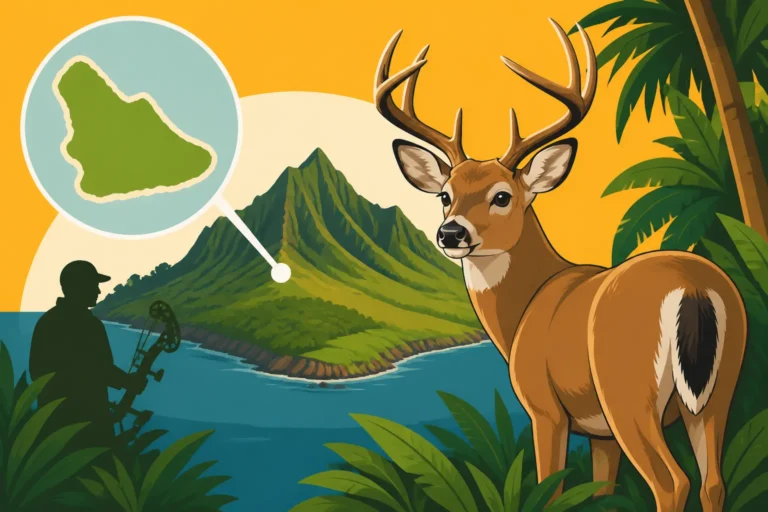
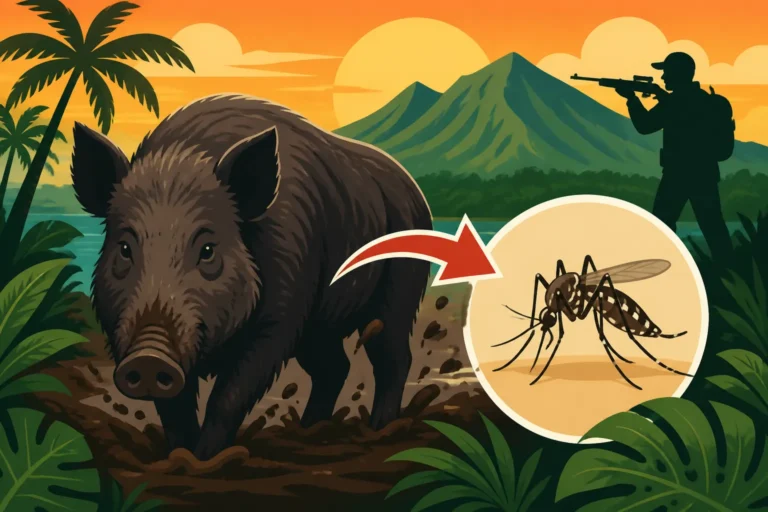
First off, let's get a handle on what we mean by "control hunts" in the context of Hawaii. Unlike many mainland states where hunting is primarily for recreation and wildlife management often involves maintaining healthy populations for hunters, Hawaii's situation is distinct. Here, most of our game animals – species like axis deer, feral pigs, and feral goats – are introduced, non-native species. While they offer fantastic hunting opportunities, they also exert immense pressure on our fragile native ecosystems, contributing to erosion, spreading invasive plants, and impacting critical watersheds.
This is why the Department of Land and Natural Resources (DLNR) and its Division of Forestry and Wildlife (DOFAW) often implement "control hunts" or "control actions." These aren't always designed purely for sport. Their primary goal is often ecological management: reducing populations of these ungulates in sensitive areas to protect native plants, restore forests, and prevent further habitat degradation. This can manifest in a few ways, from opening up specific public hunting units with generous bag limits to more direct, and sometimes controversial, methods like aerial culling. When we talk about meat, understanding this underlying purpose is key, as it often dictates the feasibility and method of meat recovery. The question of What Ungulates Cost Hawaii's Watersheds highlights this critical balance.
These control efforts are a constant balancing act. On one hand, there's the ecological imperative to protect native species and habitats, which are often found within Hawaii's Fenced Conservation Boundaries. On the other, there's the cultural value of the animals as a food source, the economic impact on agriculture, and the deeply ingrained hunting traditions in Hawaii. Sometimes, these control programs open up special hunting opportunities for the public, sometimes they are more direct management actions.
Meat Handling from Ground-Based Public Control Hunts
When DOFAW opens areas for public hunting specifically as a control measure, or when regular hunting seasons contribute to population control, the process for handling meat is straightforward: hunters harvest the animal and are responsible for processing and utilizing the meat. These are often invaluable opportunities for local hunters to put food on the table, and they play a vital role in reducing animal numbers in accessible units.
Hunter Responsibility and Utilization
In scenarios where public hunters are allowed into areas for control purposes – perhaps a temporary opening in a sensitive forest reserve for feral pigs, or an extended season with increased bag limits for Hawaii's Feral Goats and Why They Matter – the successful hunter is typically expected to pack out and utilize the animal's meat. This is hunting as we know it, just often with a heightened management objective. Hunters take pride in ensuring no part of the animal goes to waste. We learn to Field Dressing Axis Deer in Hawaii Heat and how to Cooling Meat Fast on a Hawaii Hunt to preserve every ounce.
The regulations usually stipulate that all edible meat must be removed from the field, or at least a significant portion depending on the species and terrain. For many families, these control hunts are a crucial source of protein. Think about the joy of bringing home a wild pig or an axis deer to share with 'ohana. The venison from axis deer, in particular, is highly prized for its mild flavor. This is the ideal scenario for meat utilization from control efforts, directly connecting the management goal with community benefit. Hunters consult resources like GoHunt to stay informed about these special opportunities and to ensure they understand the specific rules and regulations for each area and species, including Hawaii Game Mammal Seasons and Hawaii's Game Birds and Where to Find Them.
Special Public Hunts and Lottery Access
Some control hunts, particularly for species like axis deer on islands with high populations, are structured as special hunts, often requiring applications through a lottery system. These hunts are designed to put more hunters in specific areas to achieve significant population reduction. When hunters are successful in these Hawaii's Drawn Hunts and Lotteries, they are fully responsible for the animal they harvest, from field dressing to transport and processing.
For instance, certain units on Maui or Lanai might have special drawn hunts for axis deer with very generous bag limits precisely because the deer populations are impacting agriculture or native forests. Hunters who are drawn for these opportunities plan meticulously, bringing coolers, ice, and sometimes even packing assistance to ensure they can efficiently recover all the meat. The ability to utilize this meat is a huge draw for hunters, turning an ecological problem into a sustainable food source. It's a win-win when it works: the environment benefits from reduced ungulate numbers, and the community benefits from high-quality wild game meat.
The Reality of Meat Recovery from Aerial Control Operations
Now, this is where the conversation often gets complicated and where many of the frustrations about "waste" tend to arise. Aerial control operations, often involving helicopters and skilled sharpshooters, are sometimes deemed necessary for ecological restoration in remote, rugged, or ecologically critical areas where ground-based hunting is impractical or insufficient to meet conservation objectives.
Why Aerial Control is Used in Remote Areas
Hawaii's terrain can be incredibly challenging. Picture dense, wet rainforests, steep gulches, and remote high-elevation areas that are nearly impossible for ground hunters to access consistently or effectively. In these places, invasive species like Hawaii's Feral Pigs, Island by Island or even feral sheep and goats can devastate native ecosystems very quickly. When populations reach critical levels, and traditional hunting methods aren't making enough of an impact, DOFAW may resort to aerial culling. The goal is rapid, efficient removal of animals from areas where they pose the greatest threat to endangered species or critical watersheds. This is a difficult decision, always.
These operations are often conducted by trained professionals, frequently with an emphasis on speed and safety over meat recovery, given the remote and hazardous conditions. The primary objective is to protect vulnerable native ecosystems from severe damage caused by ungulates. While the sight of animals being culled from the air can be jarring, it's often a last resort implemented to prevent irreversible ecological harm, such as the destruction of the delicate native mamane forest critical for the endangered Palila bird on Mauna Kea, which led to The Palila and Mauna Kea's Sheep legal battles.
Challenges of Meat Recovery and Distribution
The harsh reality of many aerial control operations is that full meat recovery is often not feasible. Imagine an animal culled in a deep, inaccessible gulch or on a steep, unstable pali (cliff face). Retrieving that animal, let alone field dressing and packing out the meat in sanitary conditions, can be incredibly dangerous, time-consuming, and prohibitively expensive. In some cases, the logistical challenges and safety risks outweigh the ability to recover the meat.
This is a point of significant contention and frustration for many, especially in a place like Hawaii where local food security is highly valued. The perception of wasted meat is a valid concern that resonates deeply. However, agencies must weigh the immediate ecological threat, the safety of personnel, and the practicalities of operating in some of the world's most difficult terrain. Sometimes, the choice is between no control action (and thus continued ecological devastation) or an aerial action with limited meat recovery. It's a painful trade-off for all involved, especially when considering the significant impact Hawaii's Feral Sheep on the Big Island have had. While GoHunt might list public hunting opportunities, it typically does not cover these specialized aerial operations directly, as they are not open to public participation for safety and logistical reasons.
Community Involvement and the Future of Hawaii's Game Meat
Despite the challenges, there's a strong desire within Hawaii to maximize the utilization of game animals, whether harvested by public hunters or through control programs. Community involvement and partnerships are seen as crucial pathways to achieving this.
Partnerships for Meat Distribution
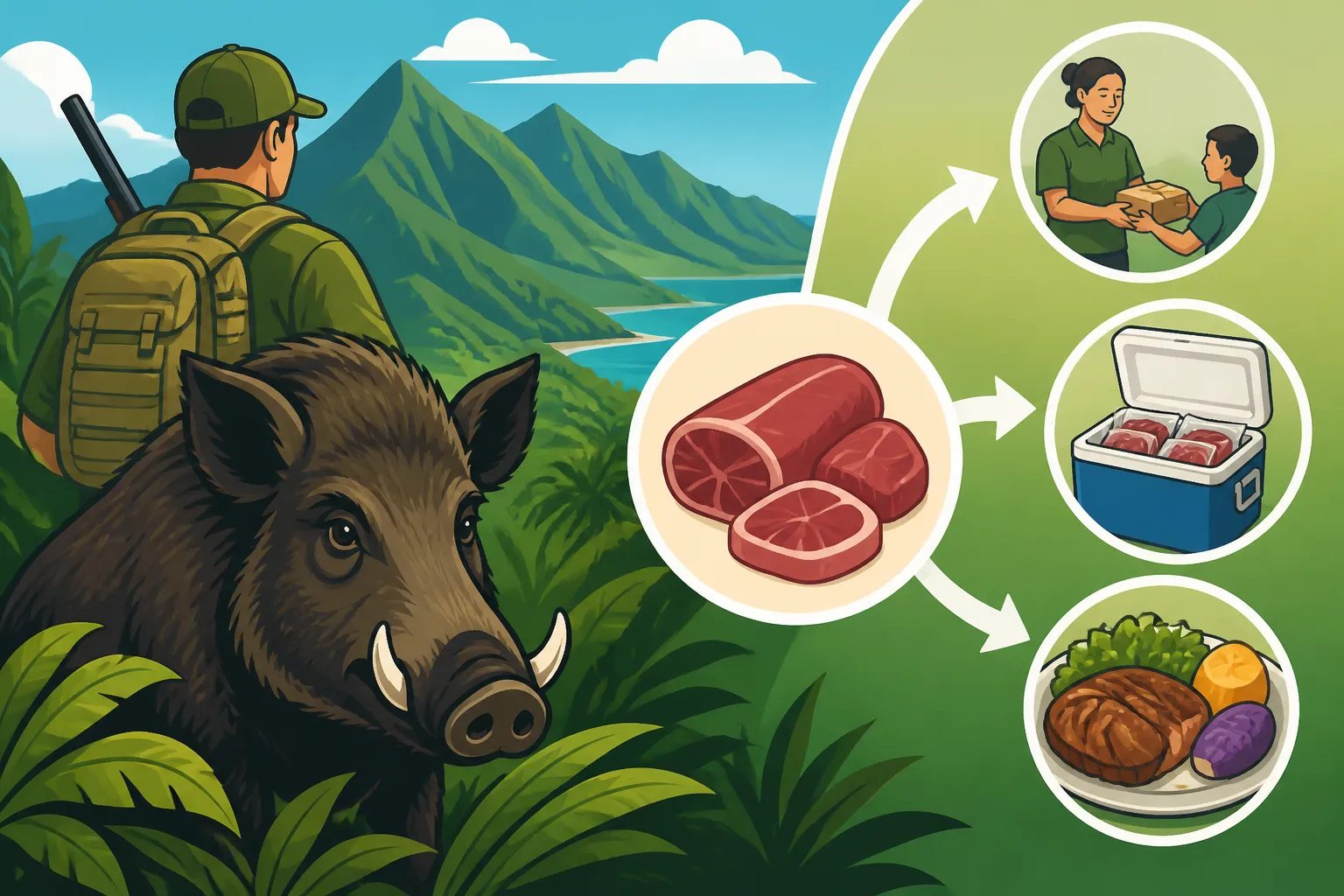
In situations where meat recovery from control efforts is feasible, DOFAW and other agencies have explored partnerships with community organizations, food banks, or even local processors to distribute the meat. These efforts aim to bridge the gap between necessary population control and the desire to provide healthy, wild protein to those in need. For example, if a ground-based control hunt is conducted in an accessible area by agency staff, efforts might be made to coordinate with local food pantries to process and distribute the meat.
However, establishing and maintaining these partnerships requires significant resources – refrigeration, processing facilities, trained personnel for handling game meat, and transportation. These are not insignificant hurdles, especially on an island chain with logistical complexities. The hope is that as technology and partnerships evolve, more avenues for responsible meat distribution from various control actions can be developed. Hunters who participate in regular public seasons often donate excess meat to friends, family, and sometimes community groups directly, a practice that embodies the aloha spirit. Understanding Rules on Transporting Game Meat is key for these generous acts.
Hunter Participation in Control Efforts
The most direct way for the general public to contribute to control efforts and ensure meat utilization is through active participation in Hawaii's public hunting seasons and special hunts. By obtaining a Hawaii Hunting Licenses and What They Cost and engaging in ethical, responsible hunting, individuals directly help manage ungulate populations. Many of our public hunting units are open precisely because of the need to control these species, and every animal harvested by a hunter is an animal whose meat is utilized.
If you're passionate about ensuring game animals are used for food, becoming a hunter and participating in these efforts is the most impactful step you can take. Keep an eye on the GoHunt website and the DOFAW announcements for special hunts, extended seasons, or new unit openings that are often a direct response to the need for population control. This platform is your go-to for applying for Hawaii's Drawn Hunts and Lotteries or finding available permits, ensuring that you can be part of the solution and help provide sustenance from the land. You'll find details on Checking In and Out of Hawaii Hunting Units and other vital information there.
The Ongoing Discussion and Future Solutions
The conversation around control hunts and meat utilization in Hawaii is ongoing and complex. There are passionate arguments from all sides – conservationists, hunters, cultural practitioners, and agriculturalists. Moving forward, solutions will likely involve a combination of strategies:
- Targeted Public Hunts: Expanding opportunities for public hunters in areas requiring control, with streamlined permitting through systems like GoHunt.
- Technological Advances: Exploring innovative ways to recover meat safely and efficiently from more challenging terrains, perhaps through new transportation methods or mobile processing units.
- Community Education: Fostering a greater understanding among the public about the ecological necessity of control efforts and the importance of utilizing harvested animals.
- Increased Funding: Investing in infrastructure and personnel to support more robust meat processing and distribution programs for game animals.
Ultimately, balancing the urgent needs of Hawaii's fragile environment with the desire to honor and utilize every harvested animal is a continuous journey. By understanding the complexities and engaging thoughtfully, we can all contribute to more sustainable and culturally sensitive management practices for Hawaii's game animals.
Disclaimer
This article is for general informational purposes only and does not constitute professional advice. Laws, prices and regulations vary by location and change over time. Consult a qualified professional for guidance on your specific situation.