How Black-Tailed Deer Differ From Axis
Black-tailed deer and Axis deer differ by island location, habitat, physical traits, and hunting requirements in Hawaii.
Know what you’re after.
Big game, small game, upland birds, and waterfowl — identification, behavior, rut and migration timing, and how each species moves through the season.
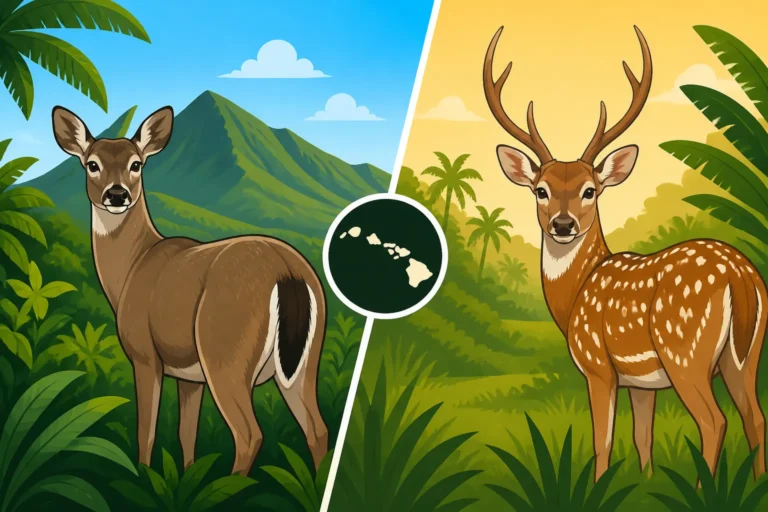
Black-tailed deer and Axis deer differ by island location, habitat, physical traits, and hunting requirements in Hawaii.
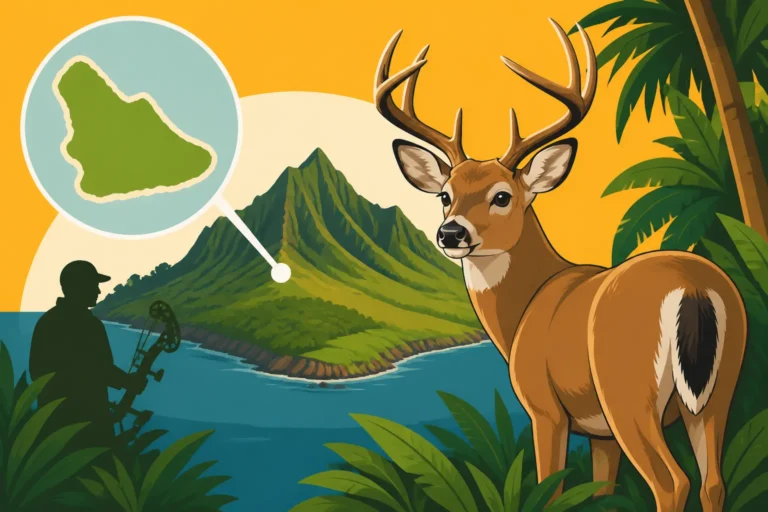
Columbian black-tailed deer population history on Kauai explains why the species remained exclusively on one Hawaiian island.
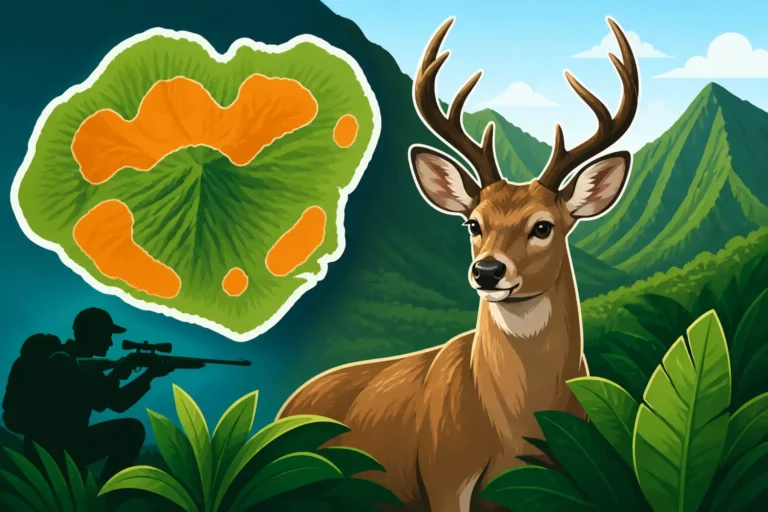
Kauai black-tailed deer range details the western and northwestern upland forests, including Kokee and Waimea Canyon elevations.
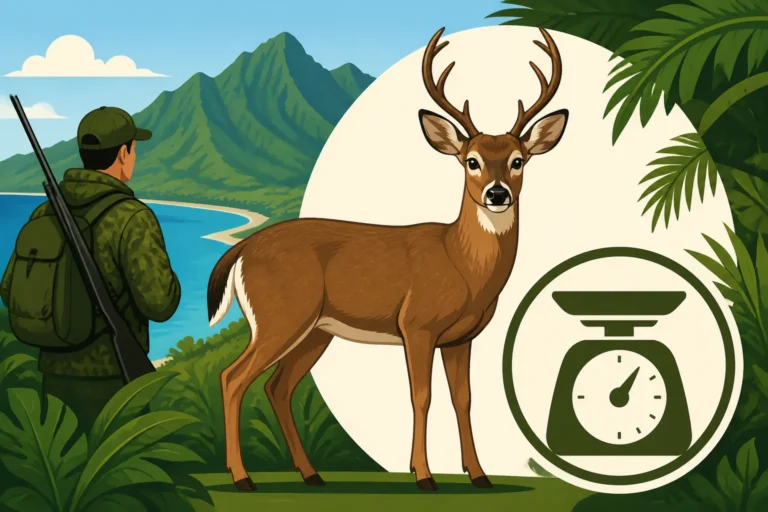
Kauai black-tailed deer weight ranges and environmental factors affecting size help hunters prepare for island game hunts.
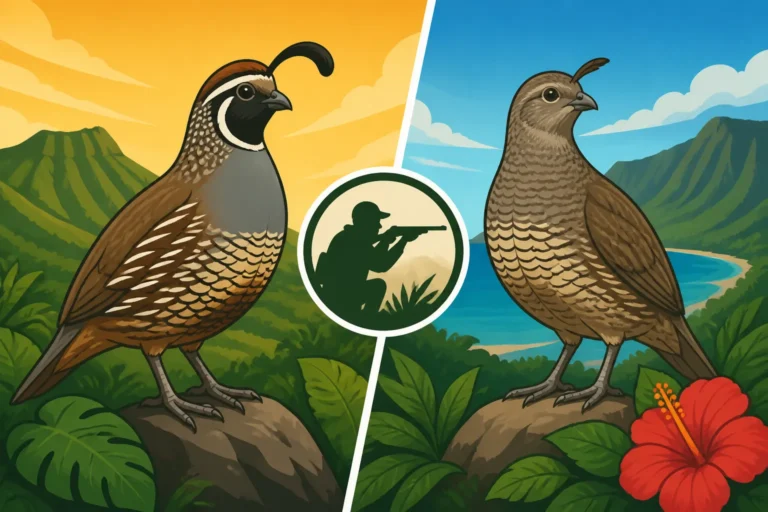
Feral goat sex identification in Hawaii helps hunters follow strict bag limits, avoid legal citations, and manage wild populations.
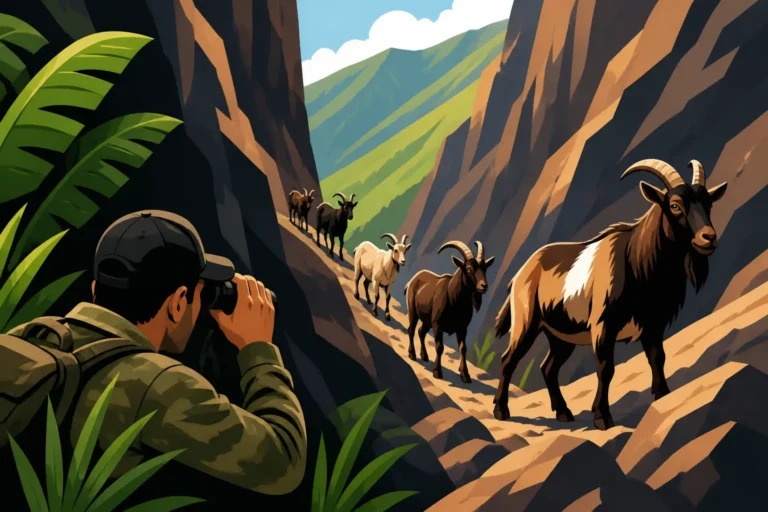
Hawaiian feral goat herds navigate steep canyons following an experienced matriarch along narrow game trails to access food and water.
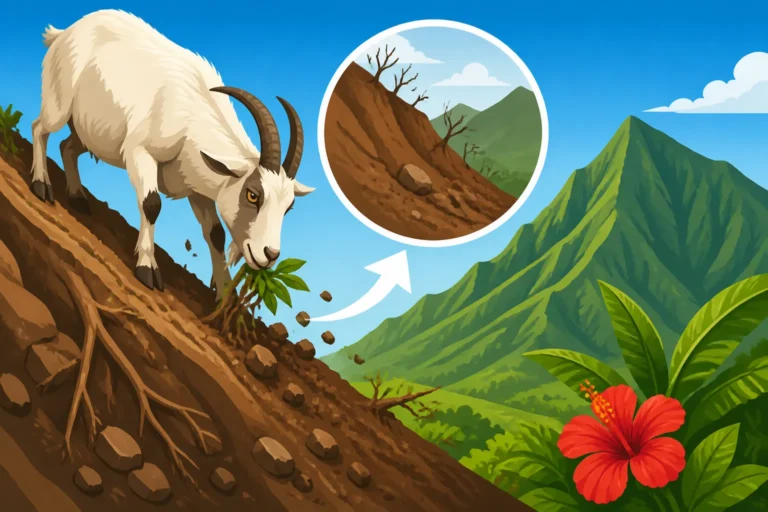
Feral goat herds introduced by Captain Cook in 1778 consume native vegetation and compact volcanic soil, causing severe land erosion across Hawaii.
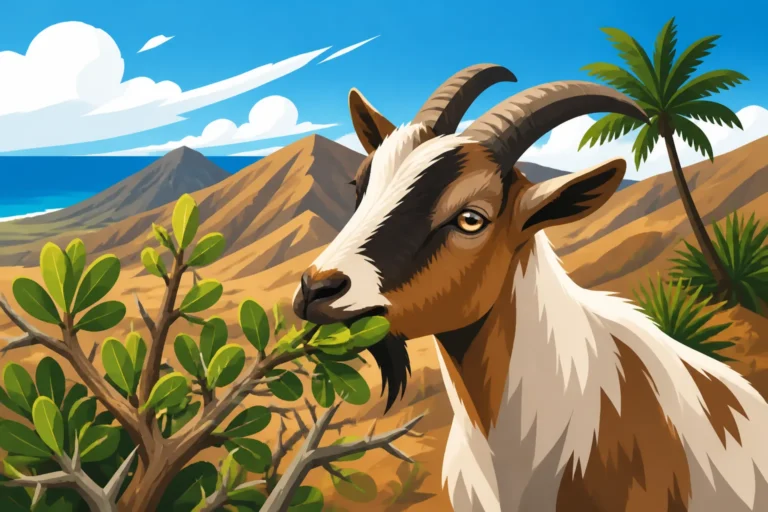
Hawaii feral goats in dry country consume sparse vegetation, woody plants, and moisture-rich pods to survive harsh leeward landscapes.

Feral goats in Hawaii survive vertical sea cliffs and extreme heat through physical adaptations for dangerous terrain and scarce water.
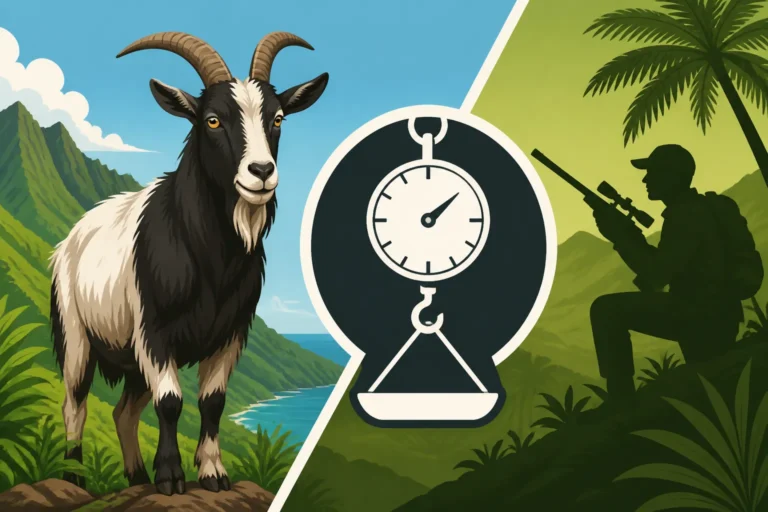
Hawaii feral goat live weight ranges from 50 to 150 pounds, with field-dressed animals weighing 25 to 35 percent less.