Mongoose in Hawaii and Which Island Lacks Them
The history of mongoose in Hawaii explains their ecological impact and reveals why one major island remains free of them.
Know what you’re after.
Big game, small game, upland birds, and waterfowl — identification, behavior, rut and migration timing, and how each species moves through the season.
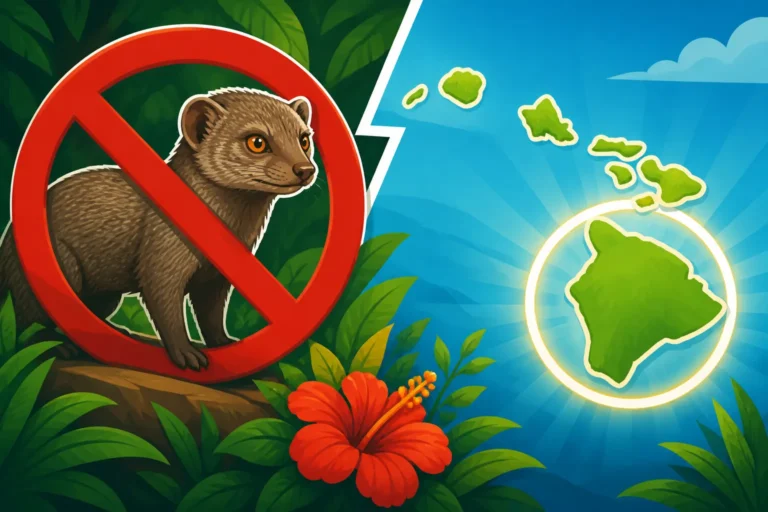
The history of mongoose in Hawaii explains their ecological impact and reveals why one major island remains free of them.
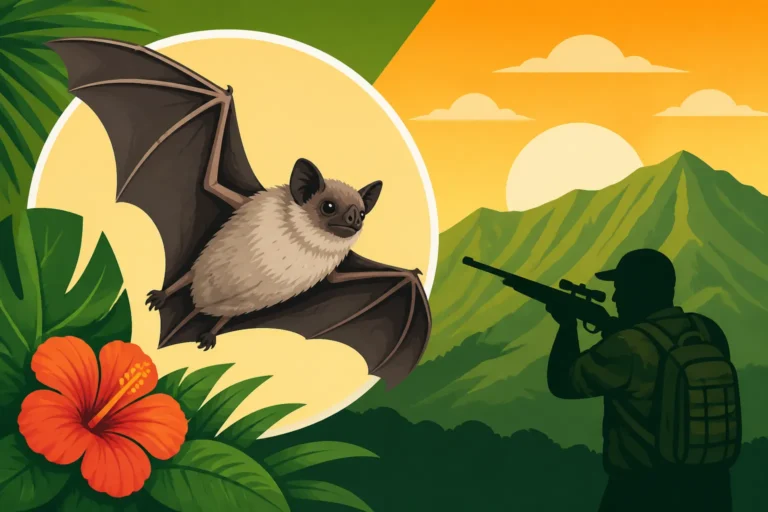
The endangered Hawaiian Hoary Bat needs hunters to protect its forest habitats and tree roosts during island expeditions.
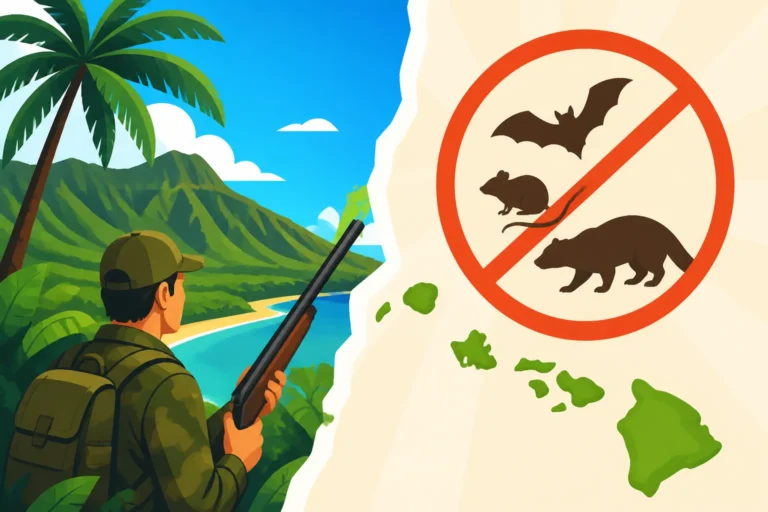
Geographical isolation and the vast Pacific Ocean explain why Hawaii lacks native land mammals across its volcanic islands.
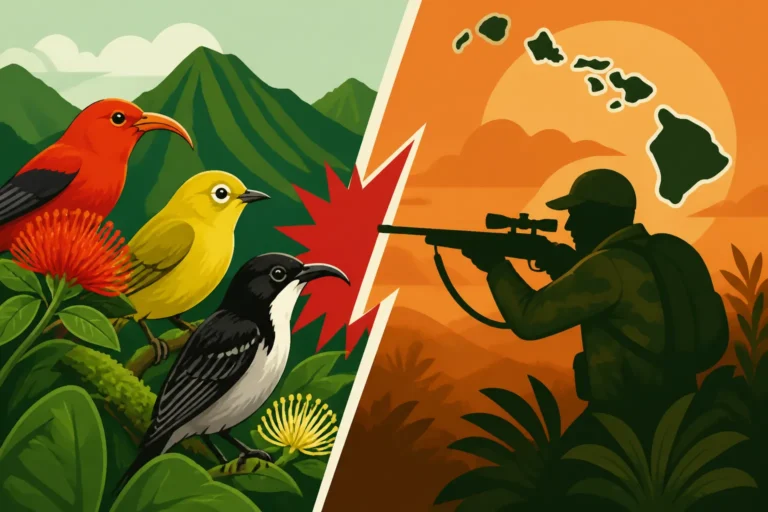
Hawaii hunters learn native bird habitats, recognize endangered species, and protect vulnerable wildlife near hunting units.
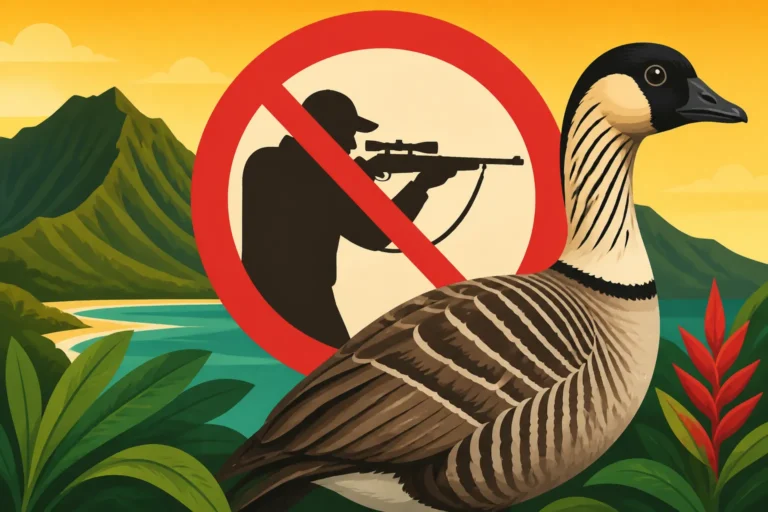
Shooting a Nene goose in Hawaii carries severe legal and ethical repercussions because this protected state bird is recovering from extinction.
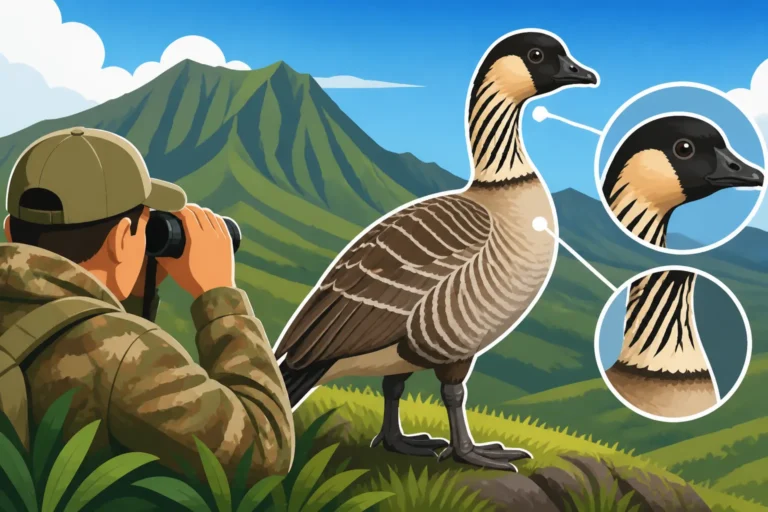
The Nene identification guide explains physical traits, distinct neck markings, and unique habitats of Hawaii’s state bird.
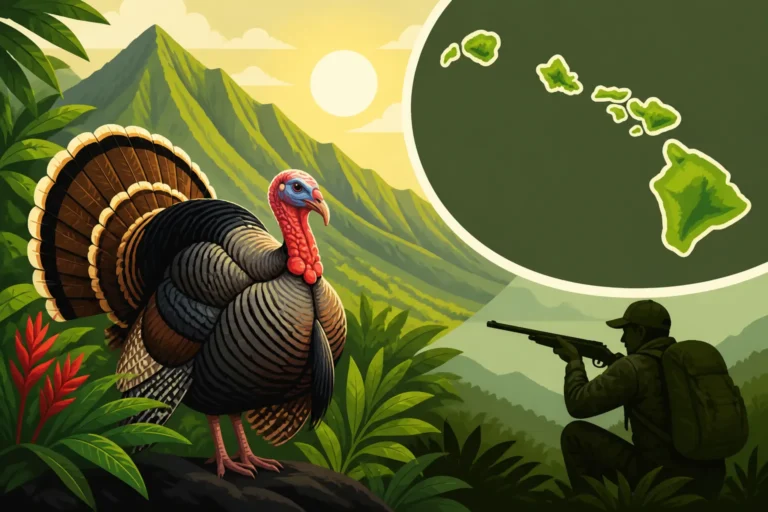
Wild turkeys in Hawaii inhabit the lower slopes of Mauna Kea on the Big Island, living within dry mamane and naio forests.
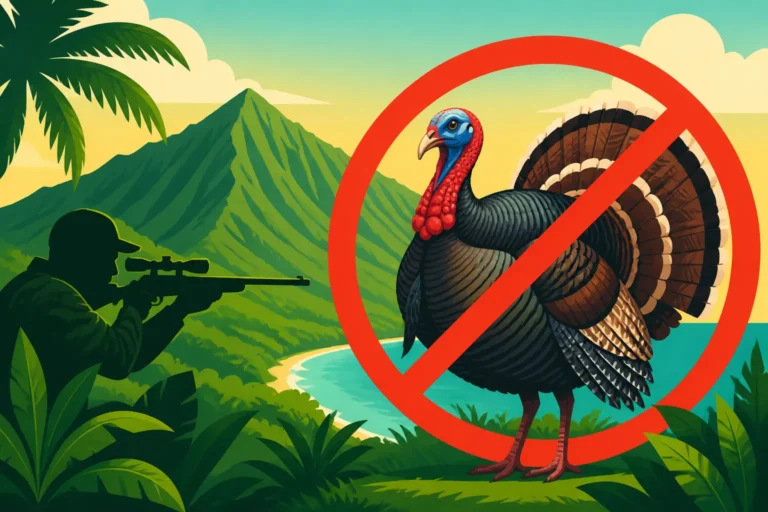
Hawaii wild turkeys remain off limits for hunting because state wildlife officials report their overall populations lack sufficient stability.
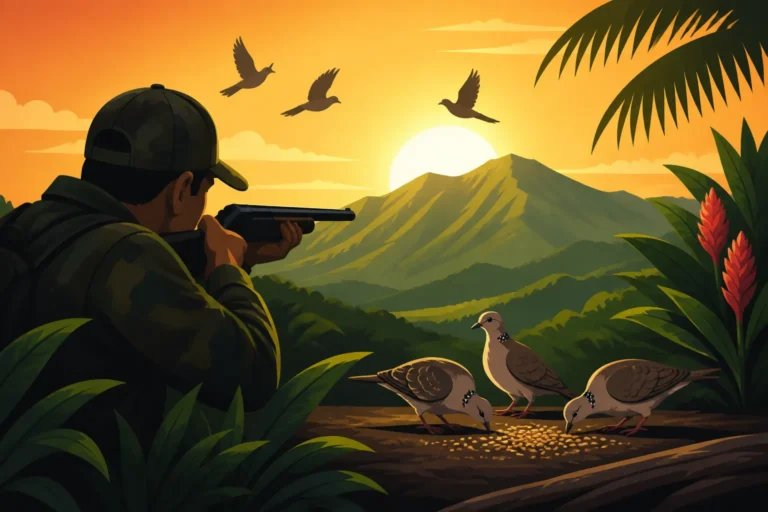
Doves roost overnight in tall trees or thick brush, then fly straight to feeding spots at sunrise, when the first couple of hours are their most active.
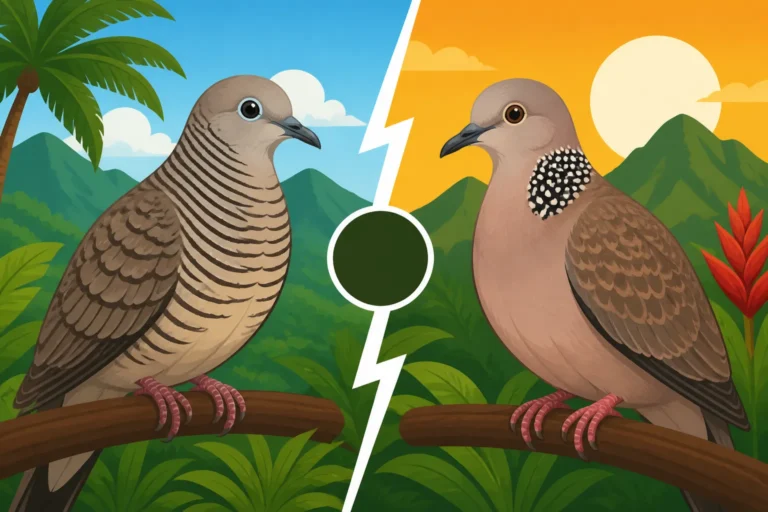
Barred doves and spotted doves in Hawaii differ by zebra stripes, grayish-brown plumage, soft cooing sounds, and varied habitats.