Why Hawaii Has Almost No Native Mammals
It's a common thought when you visit Hawaii: where are all the squirrels, raccoons, or even just regular deer? Unlike almost every other populated landmass, Hawaii truly stands apart with its startling lack of native land mammals. This guide will dive deep into the fascinating reasons behind this unique ecological reality, exploring the incredible journey of the few that made it and the profound impact of those that arrived later.
The Isolation Principle: A Natural Barrier for Mammals
Imagine a world where the nearest continent is thousands of miles away, an endless stretch of deep blue ocean acting as a formidable, almost impenetrable, barrier. That's precisely the situation Hawaii found itself in for millions of years. These islands are literally among the most isolated landmasses on Earth, rising from the ocean floor far from any continental shelf. This extreme isolation is the single most dominant factor in why Hawaii has almost no native land mammals.
Think about how land mammals typically spread. They walk, they swim short distances, or they get carried on floating debris. Now picture that journey across thousands of miles of open ocean. For a creature that needs consistent access to freshwater, food, and stable land, such a voyage is a near-impossible feat. Most land mammals simply aren't equipped for such an arduous and prolonged ocean crossing. They lack the ability to fly or survive for weeks or months adrift on a piece of flotsam without adequate resources. The vast Pacific Ocean wasn't just a big pond; it was a biological filter, effectively screening out almost all terrestrial life forms that couldn't actively fly or be carried by currents in a state of suspended animation. This geographical lottery meant that only the most exceptional travelers had even a slim chance of making Hawaii their home, explaining the unique biodiversity we see today.
The Role of Oceanic Dispersal Limits
Oceanic dispersal is the primary way life reaches isolated islands, but it heavily favors certain types of organisms. Seeds, spores, insects, and birds are incredibly adept at making these journeys. Seeds can float or be carried by winds; insects can hitch rides on larger debris or even fly; and birds, of course, have wings. Mammals, however, are a different story. They don't typically float for long periods, their reproductive cycles are often slow, and their need for consistent resources makes long, unplanned voyages incredibly risky.
Consider a log floating across the Pacific. While some small rodents or reptiles might theoretically survive such a journey for a short time, the sheer duration and exposure to saltwater, lack of food, and predatory birds make it an astronomical long shot. Even if a pregnant female somehow made it, would there be a male of the same species to ensure reproduction? The odds of a viable breeding population establishing itself after such a random event are infinitesimally small. This severe filtering process is what led to an ecosystem where niches typically filled by mammals on continents were instead occupied by birds or even large insects. It’s a stark reminder of the immense power of geological and oceanic forces in shaping life.
No Land Bridges, No Easy Paths
Unlike some island chains closer to continents that might have experienced land bridges during ice ages when sea levels dropped, Hawaii never had that luxury. The Hawaiian Islands are volcanic in origin, formed by a hotspot in the middle of the Pacific Plate. They emerged from the deep ocean entirely independent of any continental landmass. This means there was never a continuous land connection, even temporarily, that would have allowed animals to simply walk across.
The deep trenches surrounding the islands reinforce this point. It wasn't just a shallow continental shelf that eventually submerged; it was thousands of feet of ocean from day one. This geological history means that any creature arriving in Hawaii had to overcome the vast expanse of the ocean, truly demonstrating an exceptional feat of survival and dispersal. This profound lack of ancient land connections is key to understanding Why Hawaii Has Almost No Native Mammals.
The Rare Exceptions: Hawaii's True Native Mammals
Given the immense challenges, it’s truly remarkable that any native land mammals made it to Hawaii at all. But there are indeed a couple of incredibly special native mammals that managed to overcome the odds, showcasing extraordinary adaptations to reach and thrive in this isolated paradise. These creatures are living testaments to the power of unique dispersal mechanisms.
The Hawaiian Hoary Bat (ʻŌpeʻapeʻa)
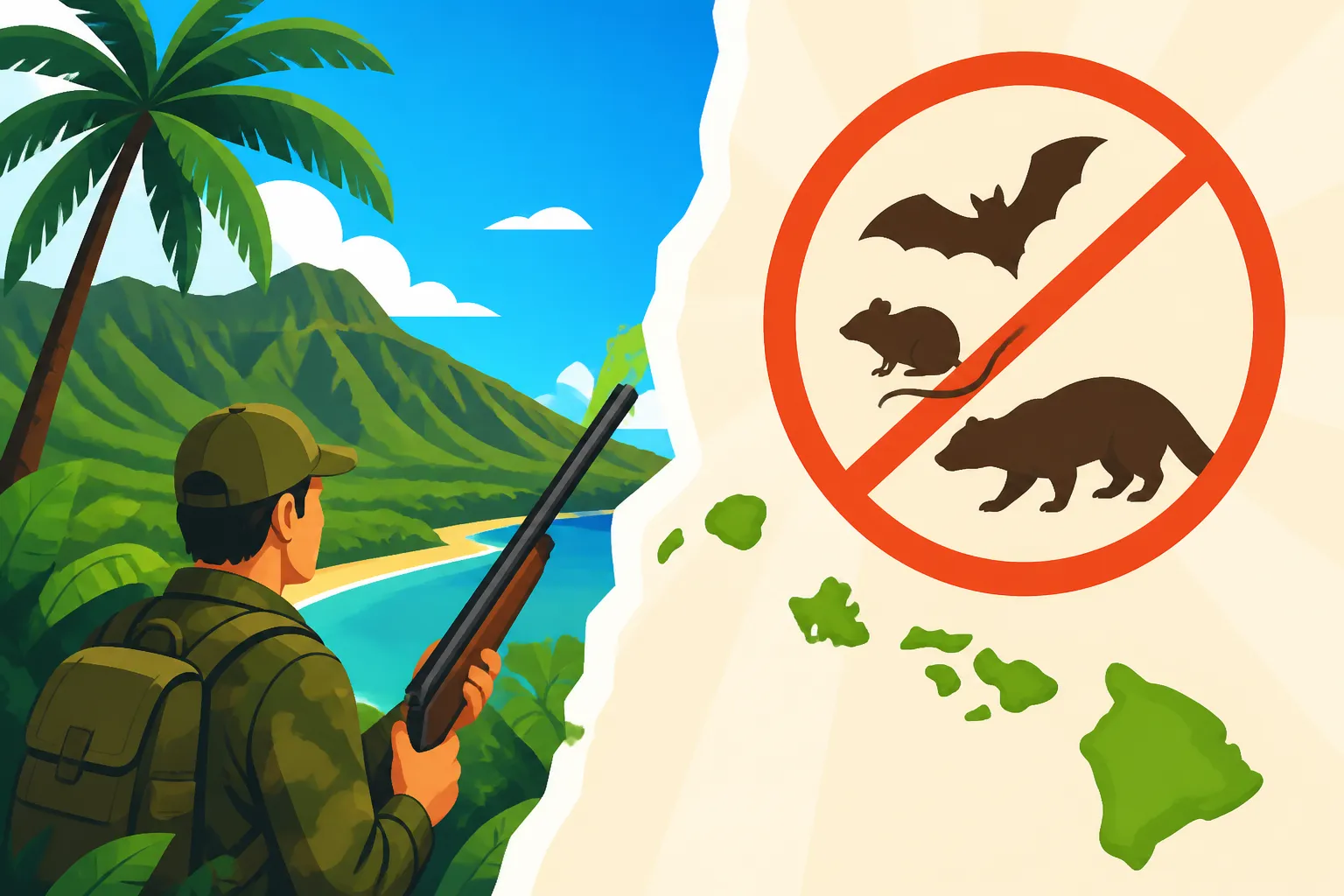
The Hawaiian hoary bat, known locally as the ʻōpeʻapeʻa, is the only native terrestrial mammal in Hawaii. Yes, that's right – the only one! Its ability to fly is obviously the key to its successful colonization of the islands. Bats are exceptional long-distance flyers, capable of traversing vast distances over water, especially when carried by favorable winds. It's believed that the ancestors of the Hawaiian hoary bat were blown off course during migration from North America or were simply incredibly strong fliers that decided to keep going.
Once they arrived, they found a paradise with abundant insect life and no mammalian predators to compete with or evade. Over countless generations, these bats adapted to the unique Hawaiian environment, evolving into a distinct subspecies. They play a vital role in the ecosystem, primarily as insectivores, helping to control insect populations. Protecting the ʻōpeʻapeʻa is a significant conservation effort in Hawaii, as this unique bat is an endangered species, facing threats from habitat loss and introduced predators. Understanding their delicate existence helps us appreciate Hawaii's Only Native Land Mammal and the immense value of native wildlife.
The Hawaiian Monk Seal (ʻĪlioholoikauaua)
While not a terrestrial (land-dwelling) mammal in the same sense as the bat, the Hawaiian monk seal, or ʻīlioholoikauaua, is a fascinating native marine mammal that spends significant time on Hawaii's beaches and coastal areas. It's truly a marvel of adaptation. These seals likely swam to Hawaii from their ancestral homes in other parts of the Pacific, demonstrating an incredible capacity for oceanic travel. They are perfectly suited for life in the water, but they depend on remote, undisturbed beaches for resting, molting, and raising their pups.
The Hawaiian monk seal is one of the most endangered marine mammals in the world, with conservation efforts focused intensely on protecting their dwindling populations. Their presence here reminds us that while the land was mostly inaccessible to mammals, the ocean offered a different pathway. These seals found a haven in the nutrient-rich waters surrounding the islands, free from the large apex predators they might have faced elsewhere. Today, protecting their habitat from human disturbance, fishing gear entanglement, and toxoplasmosis (a disease spread by feral cats) is paramount. They are a critical part of the delicate balance of Hawaii's marine ecosystem, and their story underscores the broader challenges facing Protected Species Hawaii Hunters Must Know.
The Arrival of Humans and Introduced Mammals
The story of Hawaii's mammals irrevocably changed with the arrival of humans. First, the Polynesians, and much later, the Europeans, brought with them a host of animals, both intentionally and unintentionally. These introduced species, known as "alien species" in ecological terms, found a nearly empty niche space where native mammals should have been. This led to a dramatic and often devastating transformation of the islands' ecosystems.
The arrival of humans wasn't just about new species; it was about a fundamental shift in the islands' ecology. For millions of years, Hawaii's ecosystems evolved without the presence of large browsing or predatory mammals. Plants didn't develop defenses like thorns, and ground-nesting birds had no reason to fear predators. This meant the native flora and fauna were incredibly vulnerable to the new arrivals, leading to widespread extinctions and ecological disruption.
Polynesian Voyagers and Their Companions
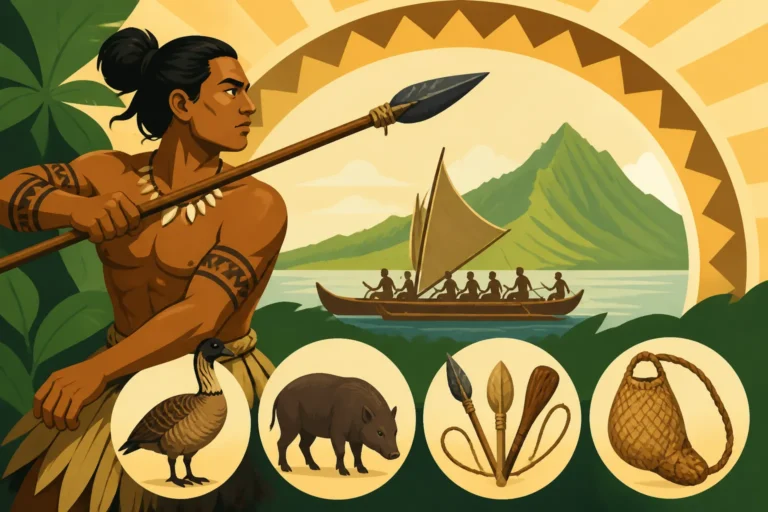
The first wave of introduced mammals arrived with the Polynesian voyagers, who navigated the vast Pacific over a thousand years ago. These intrepid explorers brought with them animals crucial for their survival and cultural practices. The three main species they introduced were:
- Pua'a (Feral Pig): Brought for food, these pigs quickly established themselves in the lush Hawaiian forests. Without natural predators, their populations exploded. Their rooting behavior causes extensive damage to native understory plants, destroys bird nesting sites, and creates ideal conditions for invasive plants to thrive. Hunting pigs with dogs, often a traditional practice, has become a significant method for managing these populations today. You can learn more about how they spread and their impact in articles like Hawaii's Feral Pigs, Island by Island.
- ʻIlio (Polynesian Dog): Also brought for food and companionship, these dogs, unfortunately, bred with introduced European dogs later on. While the pure Polynesian dog is considered extinct, their descendants contributed to the island's canine population.
- Iole (Polynesian Rat): These rats were stowaways, hitching rides on the canoes. Small, adaptable, and prolific breeders, they quickly spread across the islands. They prey on the eggs and chicks of native ground-nesting birds, and consume native plant seeds, causing immense ecological damage.
These initial introductions had a profound impact, beginning the long process of altering Hawaii's unique ecosystems. They were the first major challenge to a system that had evolved in splendid isolation.
European Settlers and the Flood of New Species
The arrival of Captain Cook in 1778 and subsequent European and American settlers brought an even greater influx of mammals. This period marked an accelerated and often catastrophic introduction of species, many of which are now the primary game animals pursued by hunters in Hawaii.
Some of the most significant introductions include:
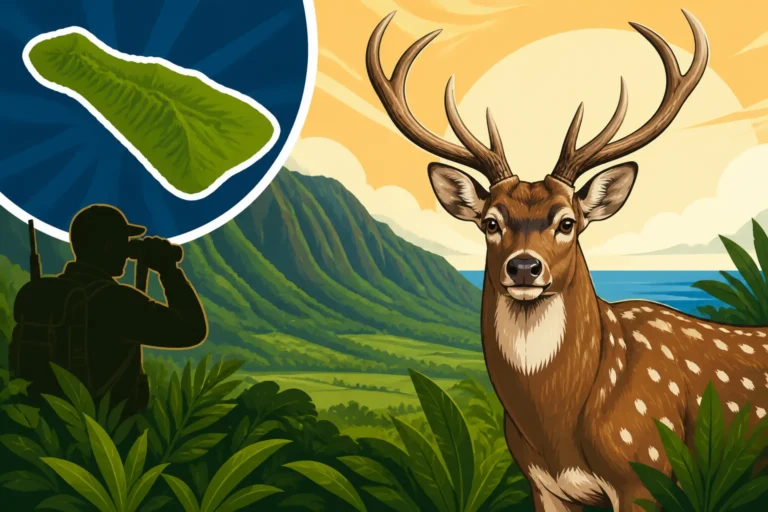
- Axis Deer: Originally gifted to King Kamehameha V in the 1860s and released on Molokai, these beautiful deer have since been introduced to Maui and Lanai. They are now Hawaii's premier big game animal, but their burgeoning populations in some areas, particularly Maui, cause severe agricultural and ecological damage. Managing these populations through hunting is critical, and information on their natural history can be found in Axis Deer, Hawaii's Signature Big Game.
- Feral Goats: Introduced by Captain Cook himself as a food source, goats quickly went feral and spread across the islands. Their incredible adaptability and destructive browsing habits have led to significant erosion and destruction of native plant communities, especially on dry, steep slopes. They are now a widespread game animal, often hunted in challenging coastal or canyon environments, which you can read about in Hawaii's Feral Goats and Why They Matter.
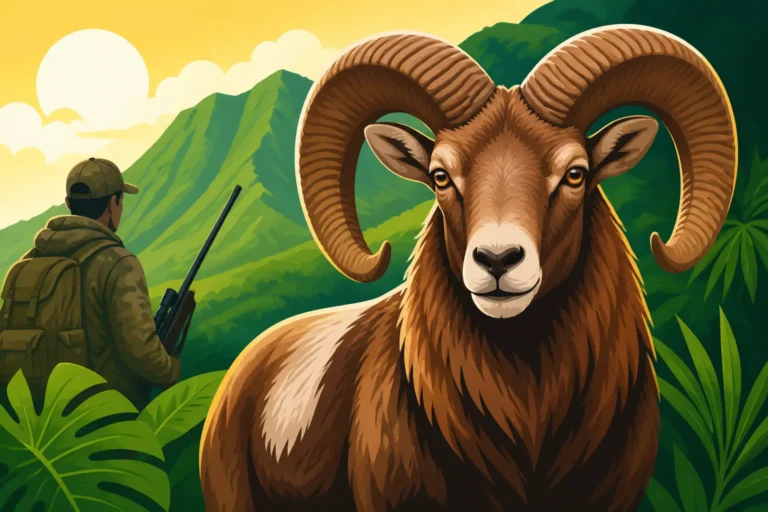
- Mouflon Sheep & Feral Sheep Hybrids: Brought for sport hunting and ranching, these sheep now thrive in the high-elevation, arid landscapes of Mauna Kea on Hawaii Island. They compete with native species for forage and impact fragile alpine ecosystems. Hunters often pursue these elusive animals in the thin air of the volcanoes. Learn more about them in Mouflon Sheep on Hawaii's Volcanoes.
- Cattle, Horses, Donkeys: Introduced for ranching and transportation, many of these animals also went feral, particularly cattle. While feral cattle populations have largely been controlled, their historical impact on Hawaiian forests was immense.
- Mongoose: Introduced in the late 19th century to control rats in sugarcane fields, the mongoose proved to be a disastrous introduction. As rats are primarily nocturnal and mongoose diurnal, they rarely interacted. Instead, mongoose became voracious predators of native ground-nesting birds, eggs, and chicks, pushing many species closer to extinction. Their presence is a tragic example of well-intentioned but ill-fated ecological intervention, and it's a stark reminder that some islands, like Kauai, were spared this particular predator, as detailed in Mongoose in Hawaii and Which Island Lacks Them.
- Cats: Domestic cats that go feral are a pervasive problem across the islands. They prey on native birds, bats, and insects, and spread diseases like toxoplasmosis, which is fatal to Hawaiian monk seals.
This onslaught of introduced species fundamentally altered Hawaii's ecosystems. The native flora and fauna, evolved in isolation without these pressures, simply couldn't compete or defend themselves, leading to a cascade of extinctions and a dramatic re-shaping of the islands' biodiversity. This is vividly explained in Why Every Hawaii Game Animal Was Introduced.
Managing Hawaii's Mammal Landscape Today
The current mammal landscape in Hawaii is a complex tapestry woven from ancient isolation, remarkable native survivors, and a wave of human-introduced species. Today, managing these populations is a critical aspect of conservation, and ironically, hunting plays a crucial role in maintaining ecological balance.
The state's Division of Forestry and Wildlife (DOFAW) works tirelessly to manage game populations, protect native species, and restore critical habitats. This includes issuing hunting licenses and permits, many of which can be acquired efficiently through platforms like GoHunt, which streamlines the process for residents and non-residents alike. The revenue generated from hunting licenses and tags, such as those processed through GoHunt, directly supports wildlife management and conservation programs.
Conservation and the Role of Hunting
While the absence of native mammals is a tale of isolation, the presence of introduced mammals is a tale of human impact and, now, human responsibility. Hunting in Hawaii is not just a recreational activity; it's a vital tool for conservation. Since most of Hawaii's game animals are introduced species, managing their numbers is essential to protect the remaining native ecosystems. For example, controlling pig and goat populations helps prevent further damage to critical watersheds and native forests, where many of Hawaii's Endangered Forest Birds reside. Similarly, managing deer numbers on islands like Maui and Lanai helps reduce agricultural damage and allows native plants a chance to recover.
This delicate balance requires careful planning and execution, often involving a mix of public hunting opportunities, managed culls, and habitat restoration. Hunters contribute directly to these efforts, both through their participation and the financial support generated by licenses and tags. Learning about the process for obtaining your Hawaii Hunting Licenses and What They Cost is the first step for anyone looking to contribute to these efforts.
The Ongoing Struggle for Native Species
Despite the challenges, efforts continue to protect Hawaii's remaining native species. This includes strict regulations on Hawaii's Closed Species and Why and intensive efforts to restore habitats. Fencing programs, for instance, are sometimes implemented to exclude feral ungulates from sensitive native forests, allowing the understory to regenerate.
The future of Hawaii's unique ecology depends on a sustained commitment to understanding its past, managing its present, and planning for a sustainable future. Hunters are an integral part of this conservation strategy, helping to mitigate the impacts of introduced species and indirectly safeguarding the rare and precious native life that calls these isolated islands home. It's a prime example of How Hunting Fits Hawaii's Conservation Plan in a truly unique environment.
Native vs. Introduced Mammals in Hawaii
To really underscore the distinct differences and the ecological implications, let's look at a quick comparison:
| Feature | Native Mammals | Introduced Mammals |
|---|---|---|
| Means of Arrival | Natural (flight, swimming) | Human-assisted (canoes, ships, aircraft) |
| Number of Species | Very few (e.g., one terrestrial bat) | Many (e.g., deer, pigs, goats, mongoose, rats, cats) |
| Evolutionary Context | Evolved in isolation, few natural predators | Evolved with predators/competition, adapted elsewhere |
| Ecological Impact | Generally beneficial or neutral | Often detrimental, leading to habitat degradation and native species decline |
| Conservation Status | Often endangered/protected | Often abundant, managed as game or pests for control |
| Primary Examples | Hawaiian Hoary Bat, Hawaiian Monk Seal | Axis Deer, Feral Pigs, Feral Goats, Mongoose |
This table clearly illustrates the dramatic shift in Hawaii's mammal population composition and the different roles these groups play in the ecosystem today.
Disclaimer
This article is for general informational purposes only and does not constitute professional advice. Laws, prices and regulations vary by location and change over time. Consult a qualified professional for guidance on your specific situation.