Reading Hawaii’s Trade Wind Patterns
Hawaii trade wind patterns, localized thermals, and volcanic terrain influence hunting strategy and wildlife scent concealment.
Close the distance.
Archery, muzzleloader, and firearm techniques — calling, stand placement, still-hunting, spot-and-stalk, and the weapon rules that change at the state line.
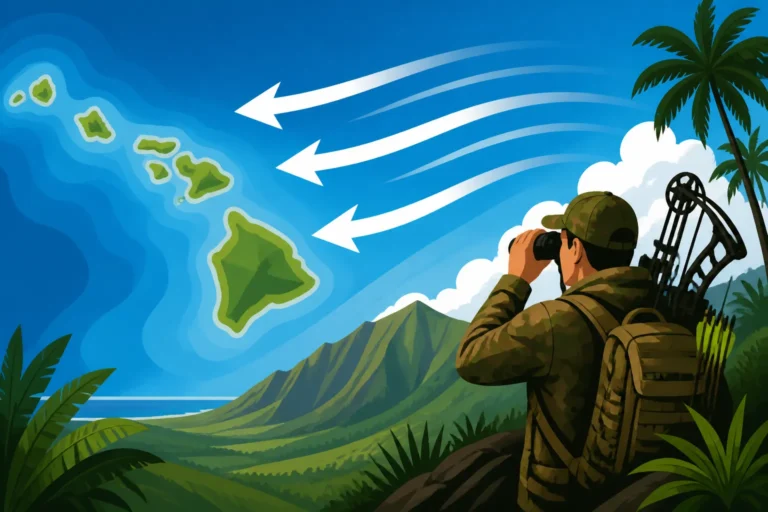
Hawaii trade wind patterns, localized thermals, and volcanic terrain influence hunting strategy and wildlife scent concealment.
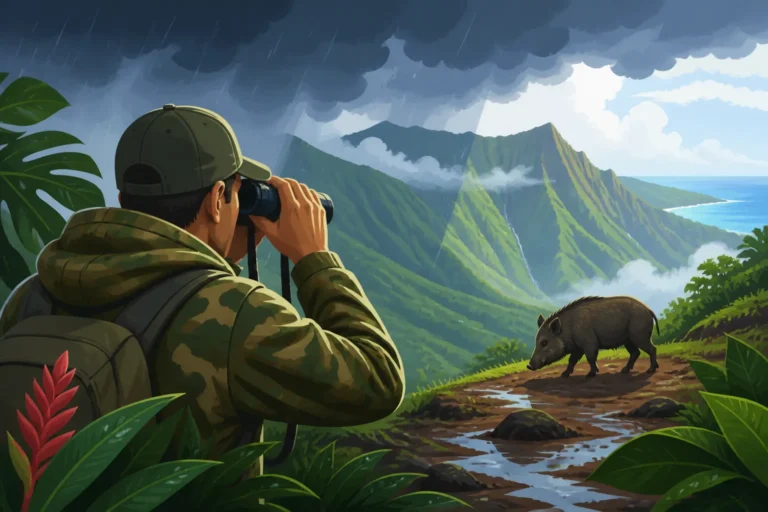
Hawaii hunting after heavy rain changes animal movement, creating fresh mud tracks that help hunters locate pigs, goats, and deer.
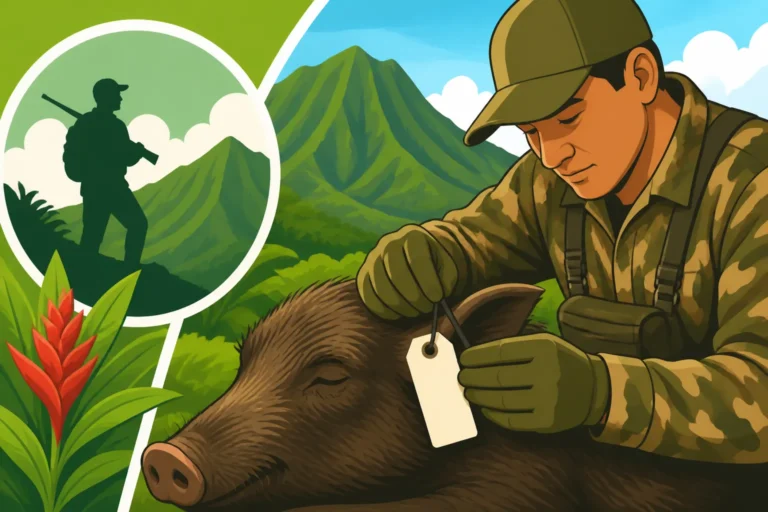
Hawaii game tagging rules and permit requirements explained, helping hunters avoid DLNR fines and protect local wildlife populations.
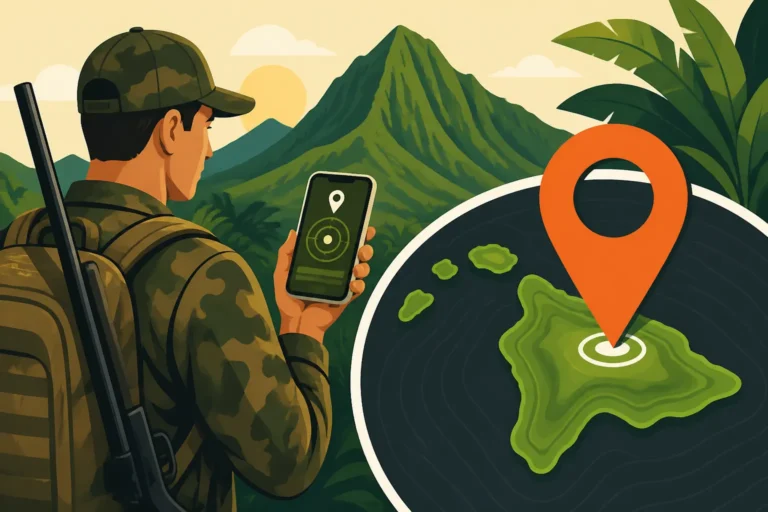
The OuterSpatial app lets Hawaii hunters digitally check in and out of public hunting units using smartphones instead of paper forms.

Hawaii hunting unit check-in and check-out procedures ensure hunter safety and provide critical data for wildlife management.

Midweek hunting on public lands in Hawaii helps hunters escape crowded weekend check stations and find less pressured game.

Hawaii public hunting units on weekends create crowds and pressure animals, but specific strategies help navigate busy areas.

Opening weekend on Hawaii public hunting units brings heavy crowds, limited access, and high competition for game near Oahu and Maui.
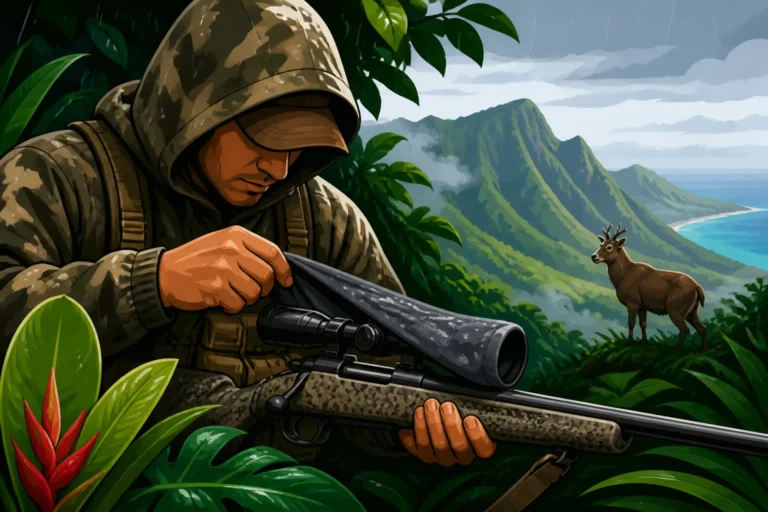
Muzzleloader hunting in Hawaii requires effective techniques to protect powder charges from humidity and sudden torrential downpours.

Muzzleloading in Hawaii presents unique humidity and moisture challenges that affect black powder reliability and cause metal rust.