Hunting a Hawaii Pineapple Field Edge
Hawaiian pineapple field edges provide food and cover for Axis deer and feral pigs, offering productive hunting opportunities.
Close the distance.
Archery, muzzleloader, and firearm techniques — calling, stand placement, still-hunting, spot-and-stalk, and the weapon rules that change at the state line.

Hawaiian pineapple field edges provide food and cover for Axis deer and feral pigs, offering productive hunting opportunities.

Hawaii hunting unit access requires four-wheel drive for navigating muddy paths, steep climbs, and sharp lava fields safely.

Hawaiian public hunting units accessible on foot allow hunters to reach game without a heavy four wheel drive truck across rough islands.

Water and heat planning for Hawaii hunts explains how microclimates, humidity, and sun affect hydration, fatigue, and body temperature.

Hawaii backcountry hunting safety and offline navigation strategies for handling sudden cell service drops in remote wilderness areas.

Hawaii hunting unit boundaries and fences, including barbed wire and conservation barriers, help hunters stay legal and safe.
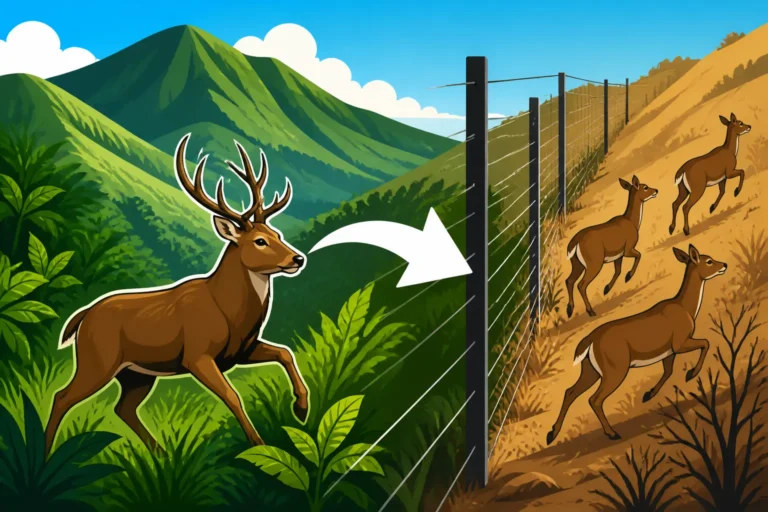
Hawaii fences alter Axis deer movements, blocking migratory routes and cutting off water sources to reshape wildlife locations.

Hawaii rainforest hunters learn navigation methods to survive dense uluhe fern, limited visibility, and rapid weather changes.

Hawaiian gulch systems present steep terrain, dense vegetation, and water hazards for hunters navigating volcanic islands.

Hawaii hunting wind patterns and shifting thermals disrupt stalks, carrying human scent directly to feral pigs and axis deer.