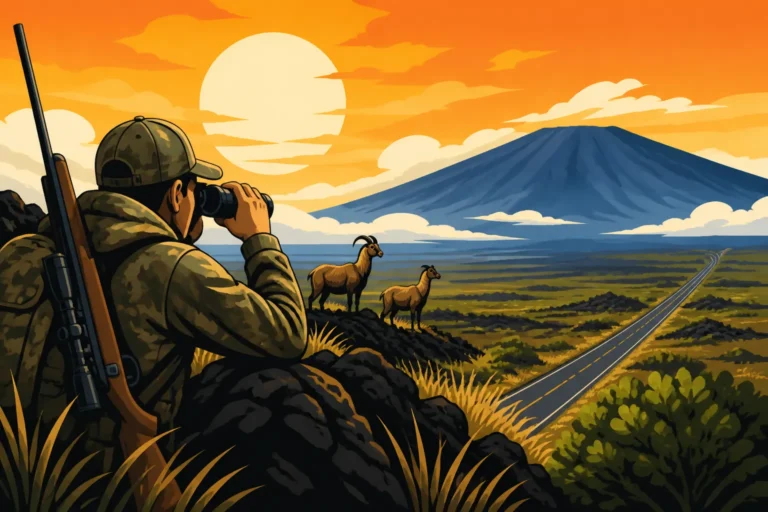
Hawaii Units With Water You Can Reach
Hunting in Hawaii can be an incredible experience, but it often presents a unique challenge: finding water. For hunters used to lush forests or vast plains, the often-dry, sun-baked leeward slopes and volcanic landscapes of the islands can be a real wake-up call. Game animals, just like us, need water to survive, and understanding where to find reliable sources in Hawaii's diverse hunting units is absolutely critical to your success and even your own safety. This guide aims to help you pinpoint and approach those life-giving water holes, giving you a distinct advantage in the field.
The Undeniable Importance of Water for Hawaii's Game Animals
Hawaii’s unique geology and microclimates mean that while some areas are incredibly wet, like the windward rainforests, other vast regions are surprisingly arid. Think about the leeward sides of Maui, Molokai, or the Big Island – scorching sun, porous volcanic soil, and sparse vegetation mean water is a precious commodity. In these environments, water sources become natural magnets, funneling animals in from miles around, creating predictable patterns that astute hunters can exploit.
Animals like axis deer, feral goats, and even mouflon sheep, especially during dry spells or in units receiving less rainfall, are constantly seeking out hydration. If you've ever found yourself walking a parched ridge line, feeling the grit of cinder under your boots, you know the desperate search for water firsthand. Animals feel it even more acutely. A reliable water source isn't just a place for a drink; it's often a central hub for feeding, resting nearby in the shade, and even breeding activity. In the parched landscape of a leeward unit, a lone water hole can be the entire ecosystem for the local game. When you're Hunting Axis Deer in a Drought Year, knowing where these vital spots are is not just helpful, it's essential for even seeing animals.
Consider the immense stress that drought puts on these animals. They might be traveling farther, expending more energy, and becoming more vulnerable. A hunter who understands this dynamic can position themselves strategically, rather than blindly wandering. This is particularly true for Where Axis Deer Water in Dry Season, as their movements become almost entirely dictated by the nearest hydration point.
Types of Reachable Water Sources in Hawaii Hunting Units
Hawaii's hunting units offer a surprising variety of water sources, from natural seeps to man-made installations. Each type presents its own characteristics and challenges for hunters. Knowing what to look for, and where, is half the battle.
Natural Seeps and Ponds
Sometimes, nature provides. On the leeward slopes or within lava flows, you might stumble upon natural seeps where groundwater slowly makes its way to the surface, creating small, often muddy, pockets of water. These are usually quite discrete, tucked away in shaded gulches or at the base of rock formations. They might not look like much – often just a damp patch of earth or a small, stagnant pool – but to a thirsty animal, they are oases.
Ponds, especially those formed in depressions after heavy rains, can also be present, though they are often ephemeral. They fill up and then slowly evaporate or percolate into the ground. Hunting around these often requires precise timing, as they might only hold water for a few weeks after a significant weather event. Always check recent rainfall patterns and use satellite imagery on a mapping app like onX Hunt to see if depressions look like they might be holding water.
Ranch Tanks and Troughs
Many of Hawaii's hunting units, especially those on former or active ranch lands, feature man-made water sources. These are goldmines. Ranchers, needing water for their cattle, installed large tanks (often made of metal or concrete) and associated troughs, piped in from distant springs or deep wells. These are typically much more reliable than natural seeps, holding water even through extended dry periods.
These tanks are often located in relatively open country, sometimes near old ranch roads or fence lines. While they provide essential water, they can also be heavily pressured by animals, making them tricky to hunt. It's common to find good animal sign around them – tracks, droppings, and rubbed vegetation from animals coming to drink. These are prime locations, and you'll find animals visiting them throughout the day, though often more cautiously during daylight hours.
Ephemeral Streams and Gulch Bottoms
On many islands, particularly after rain, gulches and valleys will carry water. These streams, or even just wet streambeds, can be crucial water sources. However, "ephemeral" is the key word here – they dry up quickly once the rain stops. What might be a flowing stream today could be a dusty, rocky bed a week later.
Hunting these areas means understanding recent weather patterns. In Hunting Pigs in Hawaii's Rainforest Gulches or even Hunting a Windward Stream Valley, these flowing waters are abundant, but in drier areas, a damp gulch bottom might be the only moisture available for miles. Animals will often follow these gulches for cover and easier travel, making them excellent corridors for still-hunting or setting up an ambush. Look for areas where water might pool in deeper pockets, or where the soil stays damp for longer, even if the main channel is dry.
Kipuka Edges and Lava Tubes
The unique volcanic landscapes of Hawaii can also hide water. A kipuka is an island of older land completely surrounded by younger lava flows. The edges of these kipukas can sometimes collect rainwater or host springs, creating little pockets of moisture and denser vegetation that attract game. Similarly, some lava tubes might have water seeping or pooling within them, though these are often difficult and dangerous to access and are generally not practical hunting locations, but rather illustrate how precious water is in these areas. For a hunter, focusing on the vegetation changes and natural depressions around kipuka edges is a safer and more effective strategy. Hunting a Hawaii Lava Kipuka means looking for those slight elevation changes or cracks in the lava that hold moisture.
Strategies for Locating and Hunting Water Sources
Finding water is one thing; effectively hunting it is another. It requires preparation, patience, and a keen understanding of animal behavior.
Pre-Scouting and Digital Reconnaissance
Before you even set foot in a unit, you should be doing your homework. Digital tools are your best friends here. Satellite imagery on apps like onX Hunt or even Google Maps can reveal potential water sources: look for green patches in dry areas, tell-tale circular shapes of ranch tanks, or distinct drainage patterns that indicate gulches or seasonal streams. The detailed topographic maps available on GoHunt can also show depressions or low points where water might collect.
Cross-reference these with the Hawaii Division of Forestry and Wildlife (DOFAW) unit maps, which sometimes indicate established water lines or tanks. If possible, a physical scouting trip can confirm water presence, assess trail conditions, and reveal animal sign. But even if you can’t get eyes on the ground, a thorough digital scout can save you hours of fruitless searching. Pay attention to how the land funnels animals towards these sources. Is there a natural ridge line they'd follow? A saddle they'd cross? These approach routes are just as important as the water source itself.
Reading the Sign Around Water
Once you're in the field, the ground around a water source tells a story. Look for fresh tracks in the mud or soft soil surrounding a tank or seep. Are they deer, goat, or pig? How fresh are they? Are there multiple sets, indicating a herd? Scat is another key indicator – its freshness and quantity can tell you how recently and how frequently animals are visiting. Fresh browse on nearby vegetation, particularly tender new shoots, also suggests animals have been feeding in the area after drinking.
Game trails converging on a water hole are always a good sign. These paths, worn smooth by generations of hooves, will lead you right to the water. Pay attention to the size and depth of these trails – heavily used trails indicate a popular spot. Also, look for rub marks on trees or bushes, especially for axis deer during their rut, as bucks will often mark their territory near water.
Setting Up for the Ambush
Hunting water sources often involves patience and a strategic setup. Wind direction is paramount, especially in Hawaii's often shifting thermals. Animals will approach water cautiously, almost always with the wind in their favor, scent-checking the area before committing. You need to position yourself downwind from their likely approach, ensuring your scent is carried away from the water and the trails leading to it.
Find good cover – a clump of kiawe, a thicket of haole koa, or a volcanic rock outcropping. Get there early, well before first light, or stay late into the evening. Dawn and dusk are prime times for animals to visit water, especially during hot days. However, in very dry conditions, or if the unit experiences heavy hunting pressure, animals might become nocturnal, visiting water only under the cover of darkness. In such cases, a patient mid-day wait might surprise you, as less pressured animals might risk a drink during quiet periods. Remember to carry enough water for yourself, too, particularly when Water and Heat Planning for a Hawaii Hunt.
Considering Safety and Ethical Practices
Hunting near water sources, especially man-made ones on ranch land, requires extra vigilance. Always be aware of your surroundings and other potential hunters. Ethical hunting practices dictate that you should never contaminate a water source. Avoid leaving trash, and if field dressing near water, ensure blood and gut piles are far enough away not to pollute the animals' drinking supply.
Always be aware of private land boundaries, which might run right through or adjacent to a water source. Use your onX Hunt app to confirm boundaries and avoid trespassing. Reading a Hawaii Unit Boundary Map is crucial for this. Respect any signage or restrictions posted by landowners or DOFAW regarding access or use of water infrastructure.
Crucial Considerations When Hunting Near Water
Beyond the tactical aspects, there are broader considerations when you're focusing on water sources in Hawaii. These can impact your success, your safety, and your adherence to local regulations.
Environmental Impact and Conservation
While we hunt these animals, we also respect the fragile Hawaiian ecosystem. Game animals, being introduced species, are often considered a threat to native flora, but they are also part of the current landscape. When hunting near water, be mindful of not causing undue disturbance to the surrounding environment. This means sticking to established trails where possible, packing out all your trash, and minimizing your footprint. The water sources themselves are vital for wildlife, so any actions that could compromise their quality should be avoided. Remember that Hawaii's Feral Goats and Why They Matter is partly about their impact on sensitive watershed areas, making responsible hunting even more important.
Regulatory Nuances
Hawaii's hunting regulations can sometimes have specific clauses regarding proximity to dwellings, roads, or even certain types of infrastructure. While direct rules against hunting near water sources are less common, it's always wise to consult the specific unit rules for your chosen area. These rules are readily available on the DOFAW website or through the OuterSpatial app, which many units use for check-in and out. Always make sure you understand Hawaii's Weekend and Holiday Hunting Rules and any other special conditions for your unit. For instance, some units might have specific access points or parking requirements that dictate how you can approach a water source.
Personal Hydration and Preparedness
This point cannot be stressed enough: while you're focused on where the animals will find water, you absolutely must prioritize your own hydration. Hawaii's heat, even on a cloudy day, combined with strenuous hiking, can lead to rapid dehydration. Never rely on finding potable water in a hunting unit, even if you locate a natural spring. Always carry more water than you think you’ll need. A general rule of thumb is at least a gallon per person per day for active hiking in warm weather, potentially more if you’re carrying out meat. Electrolyte supplements are also a smart addition.
Consider also the terrain around water sources. They can often be in steep gulches, rocky depressions, or muddy, slippery areas. Ensure you have appropriate footwear – something with good ankle support and grip – to navigate these potentially hazardous approaches. Always let someone know your hunting plan, including your specific unit and anticipated return time, especially if you're venturing into a remote area where cell service might be nonexistent. This is especially true if you are Hunting Hawaii on Foot Without a Truck.
Adaptation and Flexibility
Animals that frequent water sources, particularly those under hunting pressure, can be incredibly wary. If you find a water hole that looks promising but shows only nocturnal activity, you might need to adapt your strategy. This could mean changing your approach, trying a different time of day, or even setting up farther away on an approach trail rather than right on the water.
Sometimes, a water source might unexpectedly dry up, or a period of heavy rain makes water available everywhere, scattering animals and rendering a single water hole less effective as a funnel. Hunters need to be flexible and ready to adjust their plans based on current conditions. Regularly checking weather forecasts and current conditions before and even during your hunt is crucial. Tools like GoHunt can help you research unit conditions and potential closures that might impact your hunt.
| Water Source Type | Reliability (Dry Season) | Best Time to Hunt | Pros | Cons |
|---|---|---|---|---|
| Natural Seeps / Small Ponds | Low to Medium | Early Morning | Often remote, less pressured | Can dry up quickly, hard to locate |
| Ranch Tanks / Troughs | High | Dawn/Dusk | Very reliable, draws animals consistently | Can be pressured, visible to animals |
| Ephemeral Streams / Gulches | Low | After Rainfall | Animals use for cover & travel | Highly dependent on recent rain, can be dry |
| Kipuka Edges | Medium | Any Time | Provides cover, often undisturbed | Water can be hard to confirm, tricky terrain |
Finding water in Hawaii's diverse hunting units is more than just stumbling upon a puddle; it's a strategic part of understanding animal behavior and the unique island environment. By focusing on these vital hydration points, doing your homework, and employing patient tactics, you'll significantly increase your chances of a successful hunt.
Disclaimer
This article is for general informational purposes only and does not constitute professional advice. Laws, prices and regulations vary by location and change over time. Consult a qualified professional for guidance on your specific situation.