Hunting Above the Cloud Line
Oh, the allure of hunting above the cloud line in Hawaii – it's an experience that calls to a specific kind of hunter, one drawn to the quiet solitude and the incredible, often brutal, beauty of the high country. But let's be real, it's not for the faint of heart, and the challenges can feel monumental if you're not prepared. This guide is all about helping you understand what it truly takes to chase game in Hawaii's majestic, thin-aired elevations, from the unique species you'll encounter to the critical gear and tactics needed to come home successful and safe.
The Unique Appeal and Challenges of High-Elevation Hunting
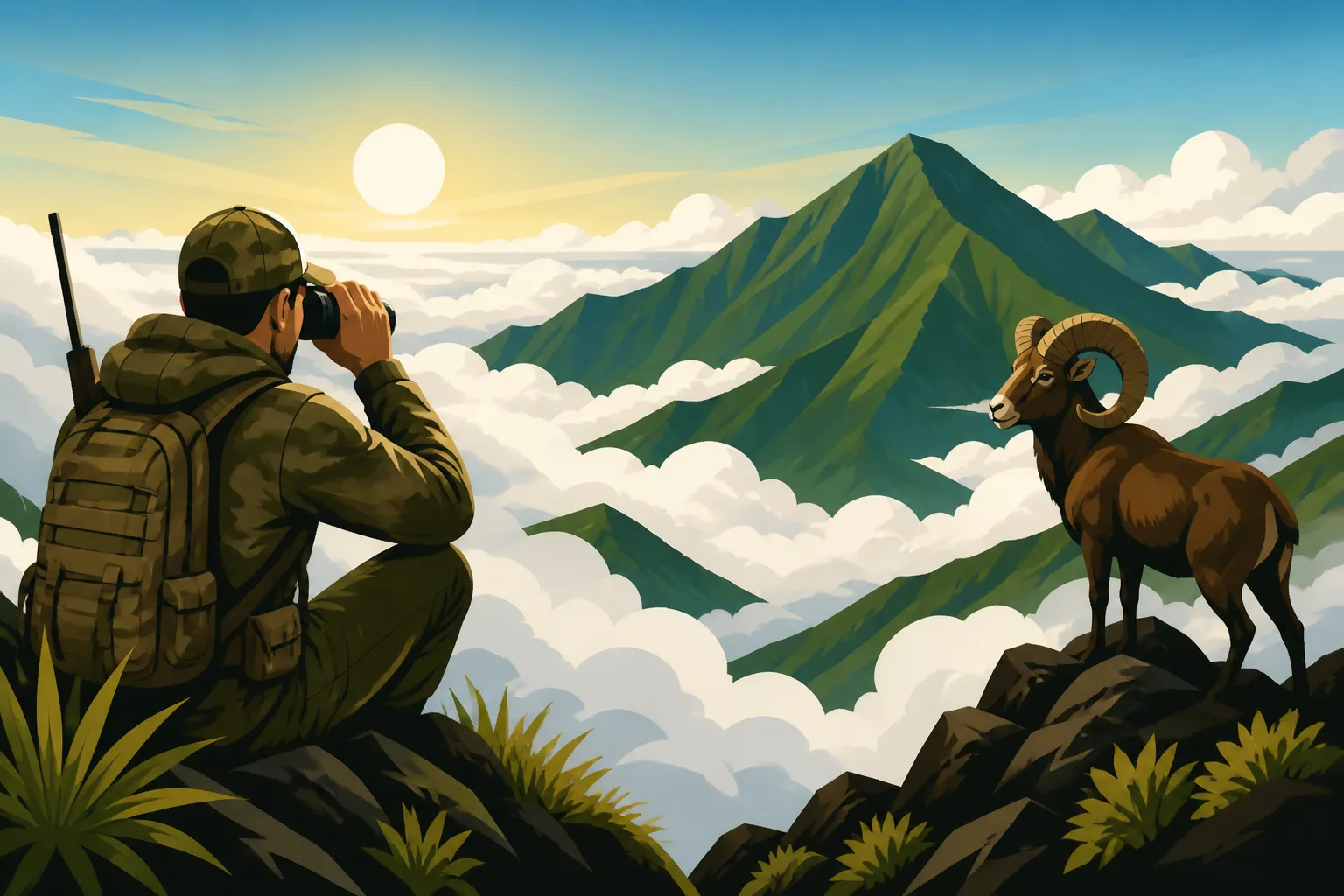
There’s something undeniably magical about standing on a Hawaii ridge, looking down at a sea of clouds that stretches as far as the eye can see, knowing you’re above it all. This isn't your typical island hunt through dense jungle or kiawe flats. Up here, it's a different world entirely, with its own set of rewards and demanding tests. It's an environment that strips away the ordinary and challenges you to adapt in ways you might not expect.
Why Hunt Above the Clouds?
For many, the draw is the sheer majesty of the landscape. Imagine glassing vast, open slopes of volcanic rock and sparse alpine vegetation, with panoramic views that sweep across entire islands. The sense of isolation and wilderness is profound. You're far from the crowds, far from the typical tourist trails, immersed in a primal hunting experience. Beyond the breathtaking scenery, these high-elevation zones are often home to specific game animals, most notably the formidable mouflon sheep. These animals thrive in the rugged, high-altitude terrain, offering a truly unique hunting opportunity found in few other places on Earth. The chance to pursue a trophy mouflon ram against a backdrop of ancient volcanoes is a dream for many, and the meat itself, lean and wild, is another significant incentive. The views, the solitude, the challenge, and the quarry all combine to create an unforgettable adventure that deeply connects you to the 'aina, the land.
The Harsh Realities of Altitude and Weather
But let's not romanticize it too much, because above the cloud line, Mother Nature is in charge, and she doesn't pull any punches. The air is noticeably thinner, which means less oxygen for your lungs, making even moderate exertion feel like a marathon. If you're coming from sea level, this can be a real shock to your system, leading to headaches, nausea, or extreme fatigue – classic signs of altitude sickness. Then there's the weather. While the islands below might be enjoying warm sunshine, up high, you can experience all four seasons in a single day. Brilliant sunshine can quickly give way to bone-chilling fog, driving rain, or even sleet and hail. Strong, relentless winds often whip across the exposed ridges, making it feel much colder than the thermometer indicates. Sun exposure is another serious concern; with less atmosphere to filter the UV rays, sunburn can occur incredibly fast, even on cloudy days. You need to prepare for these sudden shifts, understanding that comfort and safety depend entirely on smart planning and respect for the mountain.
Prime High-Elevation Hunting Areas in Hawaii
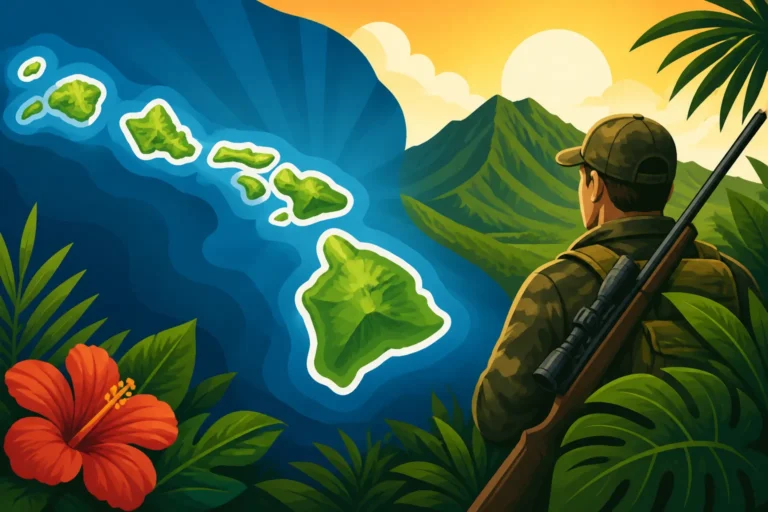
When you talk about hunting above the cloud line in Hawaii, a couple of islands immediately come to mind, largely due to their impressive volcanic peaks that punch well above the typical cloud base. These mountains aren't just scenic backdrops; they are dynamic ecosystems that offer distinct hunting opportunities for those willing to ascend. Knowing which areas to focus on and what to expect from each is key to a successful high-altitude hunt.
Mauna Kea and Mauna Loa: Big Island's Lofty Hunts
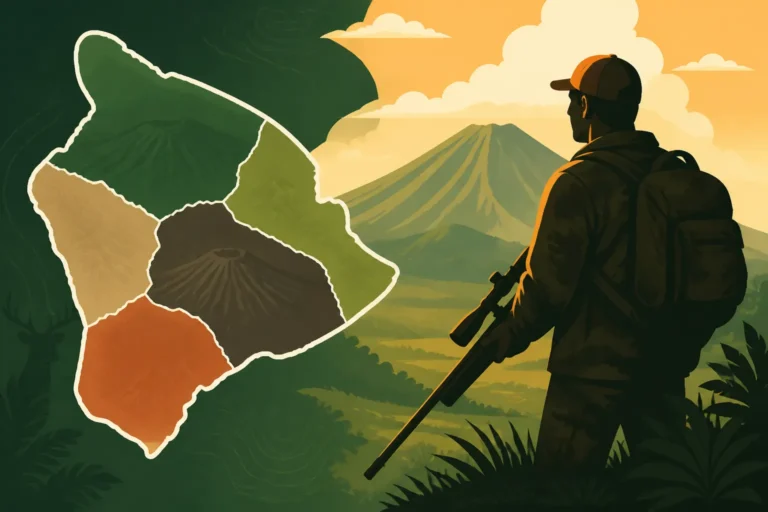
On Hawaii Island, the colossal slopes of Mauna Kea and Mauna Loa are the quintessential high-elevation hunting grounds. This is where you'll find the primary populations of mouflon sheep, a challenging quarry that thrives in the thin air and rough terrain. Units like Mauna Kea Game Management Area (GMA) and parts of the Mauna Loa Forest Reserve offer vast expanses of mamane-naio forest, cinder cones, and open lava flows. Hunting mouflon here often involves long hours of glassing these expansive, rocky landscapes, trying to pick out a ram's distinctive curl against the mottled background. The elevation can range from 6,000 feet all the way up to over 10,000 feet, which means the air is significantly thinner, demanding excellent physical conditioning and acclimatization. Feral sheep, which are often hybrids of mouflon and domestic sheep, can also be found in these units, offering additional opportunities. Understanding the specific unit boundaries and regulations, which you can usually find through the state's DLNR website or on a mapping app like onX Hunt, is absolutely critical before you head out. These areas truly embody the spirit of Hunting Mouflon in Mauna Kea's Thin Air.
Haleakala's Upper Slopes: Maui's High Country Opportunities
While Maui is more famous for its abundant axis deer, the upper slopes of Haleakala Crater also offer some high-elevation hunting, primarily for feral goats and in some transitional areas, feral pigs. While not as high as Mauna Kea, areas like the Kahikinui Forest Reserve and sections around the Polipoli Spring State Recreation Area can take you into cooler, cloud-shrouded elevations. Here, you're often navigating steep gulches and dense pockets of brush mixed with more open grasslands. Goats are incredibly agile and can be found scaling precipitous cliffs and traversing incredibly broken terrain, making for a challenging stalk. The weather patterns on Haleakala can be just as unpredictable as on the Big Island's taller peaks, with dense fog rolling in quickly, reducing visibility to mere yards. This isn't strictly an above-the-cloud hunt in the same way Mauna Kea is, but it offers a taste of high-country challenges and solitude with distinct differences in game and habitat. Hunting these areas demands precise navigation and a keen eye for goat sign.
Essential Gear and Preparations for Above-the-Cloud Hunts
Hunting above the cloud line in Hawaii isn't like a casual stroll in the park. It's a serious undertaking that requires thoughtful preparation and specialized gear to ensure your safety and increase your chances of success. Cutting corners here can lead to a miserable, or even dangerous, experience. From what you wear to what you carry in your pack, every item serves a purpose in this unique and demanding environment.
Layering for Extreme Conditions
The golden rule for high-elevation hunting in Hawaii is layering, and I can't stress this enough. When you start hiking in the pre-dawn chill, it might be cold, but as the sun rises above the clouds and you're hiking uphill, you'll heat up fast. Then, a sudden cloud bank can roll in, dropping the temperature and bringing a misty rain or fierce winds. You need clothing that can adapt. Start with a good moisture-wicking base layer to draw sweat away from your skin. Over that, a fleece or synthetic mid-layer provides insulation. Your outer layer should be a waterproof and windproof shell – ideally something breathable, but absolutely capable of shedding rain and blocking strong gusts that sweep across those open ridges. Don't forget a warm hat and gloves, even if it feels warm at the trailhead. I've seen too many hunters suffer from exposure because they underestimated how quickly conditions can change when Hunting Hawaii's High Elevation Alpine Ground. Remember, cotton is rotten in cold, wet conditions; stick to wool or synthetics for everything that touches your skin.
Hydration, Nutrition, and Emergency Preparedness
Beyond clothing, your personal well-being depends on what you bring for sustenance and safety. At higher altitudes, dehydration is a serious risk because your body loses moisture faster, and the thin air can fool you into thinking you're not sweating as much. Carry much more water than you think you'll need, perhaps a hydration bladder in your pack along with backup bottles. Electrolytes are also a good idea. For food, focus on calorie-dense, easy-to-digest snacks that provide sustained energy, like nuts, dried fruit, energy bars, and jerky. Altitude sickness can strike anyone, regardless of fitness level. Knowing its symptoms (headache, nausea, dizziness, fatigue) and carrying appropriate medication like ibuprofen or acetaminophen can make a difference. Given the remote nature of these units, having a reliable navigation system is non-negotiable. A GPS device or a robust smartphone app like onX Hunt, with downloaded offline maps, is essential for staying found. Cell service is often nonexistent in these remote areas, so a satellite communicator or personal locator beacon (PLB) is a wise investment for emergencies, especially if you're No Cell Signal on a Hawaii Hunt. A comprehensive first-aid kit, a headlamp, fire starter, and an emergency blanket should always be in your pack.
Tactics for Success in Thin Air and Open Vistas
Hunting above the cloud line is a game of patience, keen observation, and strategic movement. The expansive terrain, combined with the often-elusive nature of high-country game, demands a deliberate approach. You won't be still-hunting through thick jungle here; instead, you'll be covering vast distances with your eyes, then meticulously closing the gap.
Spotting and Stalking in Expansive Terrain
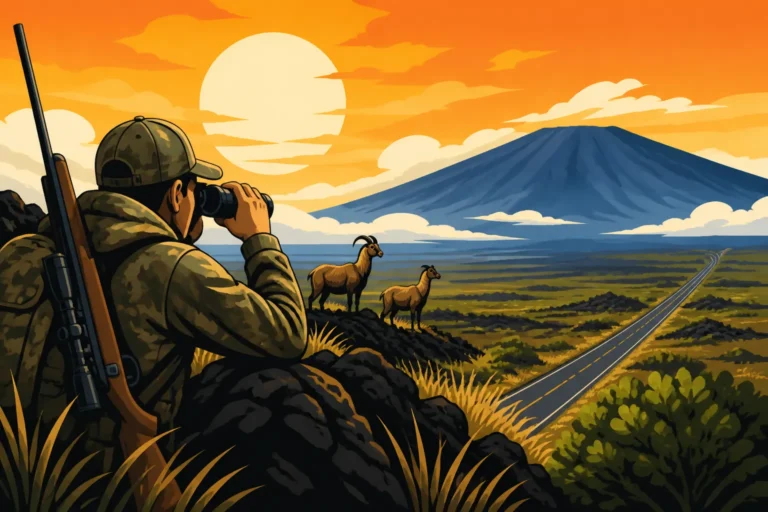
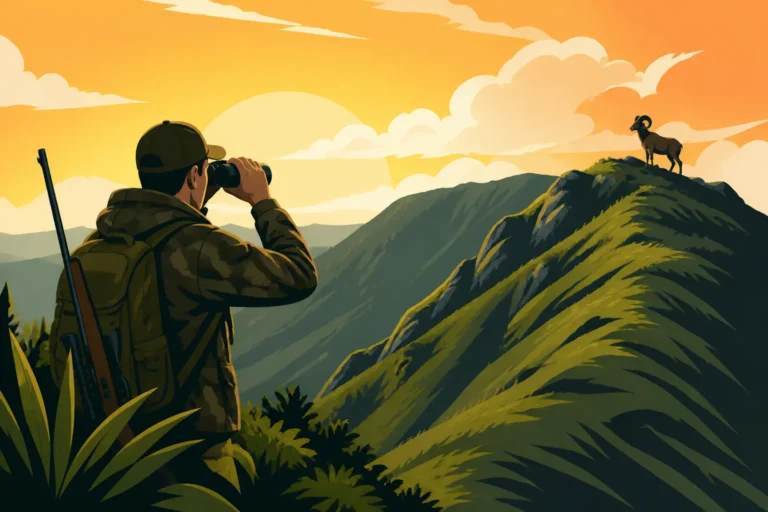
The sheer scale of Hawaii's high-elevation units means that effective glassing is your most powerful tool. Forget about walking miles blindly; you need to find your animals first. Set up at a vantage point that gives you a commanding view of canyons, ridges, and slopes, then spend a lot of time behind your binoculars or spotting scope. I'm talking hours, not minutes. Animals like mouflon sheep can blend in incredibly well with the volcanic rock and sparse vegetation, so look for subtle movements, unusual shapes, or changes in texture. Mornings and evenings are usually the best times, as animals are often more active then. Once you spot an animal, the real work begins. Planning a stalk in such open country requires extreme caution. You need to identify key terrain features that can conceal your approach – lava ridges, cinder cones, deep ravines, or even scattered mamane trees. Always play the wind, as thermals can be tricky in mountainous terrain, often rising in the morning and falling in the evening. Long shots are often the norm, so be prepared to shoot accurately at extended ranges, practicing frequently before your hunt. You'll be doing a lot of Glassing a Lava Flow for Mouflon Rams in these areas.
Navigating Volcanic Rock and Alpine Deserts
The ground you'll be covering in Hawaii's high country is unlike almost anywhere else. It's often sharp, uneven volcanic rock – everything from jagged 'a'a to smoother pahoehoe – interspersed with loose cinder and thin, rocky soil. This terrain is incredibly tough on your feet, your joints, and your footwear. Investing in high-quality, sturdy hiking boots with excellent ankle support and stiff soles is paramount. You want boots that can handle abrasion and provide solid grip on slick rock. Pay close attention to your footing with every step to avoid twisted ankles or falls. The sparse vegetation means there's little to break a fall or provide much shade. When Walking Rough Lava Without Wrecking Your Boots, you'll quickly realize how important proper footwear is. Maintain a steady, manageable pace, especially given the altitude. Pushing too hard too fast can quickly lead to exhaustion or altitude sickness. Staying found in this often monotonous, treeless landscape is another challenge. Rely on your mapping tools, familiarize yourself with prominent landmarks like specific cinder cones or unique lava formations, and constantly cross-reference your position. Always carry a compass and physical map as a backup to your electronic devices, because electronics can fail, especially in the cold and rugged conditions you might face.
| Feature | Low-Elevation Hunting (e.g., Coastal Kiawe) | High-Elevation Hunting (e.g., Mauna Kea) |
|---|---|---|
| Primary Game | Axis Deer, Feral Pigs, Goats | Mouflon Sheep, Feral Goats, Feral Pigs (lower range) |
| Terrain Type | Dense brush, dry forests, open pastures, gulches | Open lava flows, cinder cones, alpine grassland, mamane forest |
| Altitude Range | Sea level to ~3,000 ft | ~5,000 ft to 10,000+ ft |
| Typical Weather | Hot, humid, occasional rain | Cold, windy, rapid temperature shifts, fog, rain, strong sun |
| Key Tactic | Still-hunting, dog hunting, water sources | Spot-and-stalk, long-range glassing |
| Physical Demands | Endurance for heat, navigating thick cover | Endurance for altitude, rugged terrain, steep climbs |
| Navigation | Often visible landmarks, some dense areas | Vast, open, featureless areas; critical GPS/map use |
| Primary Challenge | Heat, humidity, thick cover, pig behavior | Altitude, extreme weather, open terrain, long stalks |
Don't forget the importance of proper game care, especially if you harvest an animal in a remote, high-altitude spot. Even though it's cooler up high, you'll still need to get that meat cooled down and out quickly. Field Care in Hawaii's Heat and Humidity is always a priority, and in the high country, it might mean planning for longer pack-outs over challenging terrain. Check out the resources on Hawaii Hunting Licenses and What They Cost and Hawaii's Hunting Units and How They Work through the official GoHunt Hawaii website to ensure you have all your paperwork in order before setting foot in these incredible, challenging landscapes.
Disclaimer
This article is for general informational purposes only and does not constitute professional advice. Laws, prices and regulations vary by location and change over time. Consult a qualified professional for guidance on your specific situation.