Hunting Kauai’s Kekaha Unit
Heading out to Kauai's Kekaha Unit for a hunt can feel like stepping into a wild, untamed corner of paradise, but it also comes with its own unique set of challenges, from navigating dense kiawe forests to understanding the behavior of Black-tailed deer in this specific environment. This guide is designed to cut through the guesswork, offering practical advice and local insights to help you prepare for a successful and respectful hunting experience in one of Hawaii's most captivating hunting areas.
Understanding the Kekaha Game Management Area
The Kekaha Game Management Area (GMA) on Kauai is a truly distinct hunting ground, a place where the dry, rugged leeward side of the island presents a vastly different experience than the wet, lush windward slopes. It's an area that demands respect, preparation, and a keen understanding of its unique characteristics. Hunters often arrive with expectations based on other islands, only to find Kekaha has its own rules, enforced not by wardens alone, but by the very landscape itself.
Geographic Layout and Terrain Challenges
Kekaha GMA is situated on the western side of Kauai, stretching from near the coast up into the foothills. It's predominantly dry country, characterized by vast expanses of kiawe (mesquite) trees, open grasslands, rocky outcroppings, and deep, often brush-choked gulches that can funnel game or hide them completely. The elevation changes significantly as you move inland, bringing different vegetation zones and temperatures. Imagine walking through a thorny tunnel of kiawe, the ground dry and dusty, only to find yourself peering into a steep, shadowed canyon where the air is cooler and the vegetation slightly lusher. That's Kekaha. The terrain can be brutally unforgiving; sharp rocks hide underfoot, kiawe thorns can puncture anything, and the sun, especially during midday, can be relentless. Many a hunter has underestimated the physical toll of navigating this landscape, leading to exhaustion or even minor injuries far from the truck.
Navigating these challenges requires careful planning. Many of the old roads and trails are overgrown or deeply rutted, making 4×4 access essential for reaching some of the deeper sections. Even with a capable vehicle, you’ll be doing a lot of walking. The gulches, while offering shade and potential game corridors, can be incredibly steep and full of loose scree or thick tangles of haole koa, making progress slow and arduous. Understanding the contour lines on a topographic map or a tool like onX Hunt is crucial here, not just for finding game but for planning a safe and realistic route in and, more importantly, out of an area. The sheer size of Kekaha means you can quickly feel isolated, and getting turned around in the featureless kiawe flats or winding gulches is a real possibility for the unprepared.
Target Species and Their Habits
The primary draw for many hunters to Kekaha is the Black-tailed deer. These deer, unique to Kauai in Hawaii, behave somewhat differently than the Axis deer found on other islands. While Axis deer are often seen in large herds, Black-tailed deer in Kekaha tend to be more solitary or in smaller family groups. They are masters of cover, often disappearing into what seems like sparse brush. They're also quite crepuscular, meaning they're most active at dawn and dusk, seeking shade and bedding down during the heat of the day. Their diet consists of the various dryland shrubs and grasses found in the unit, and they will gravitate towards areas with any available green browse, especially after a rare rain. Look for fresh tracks, droppings, and rubbed trees as signs of their presence.
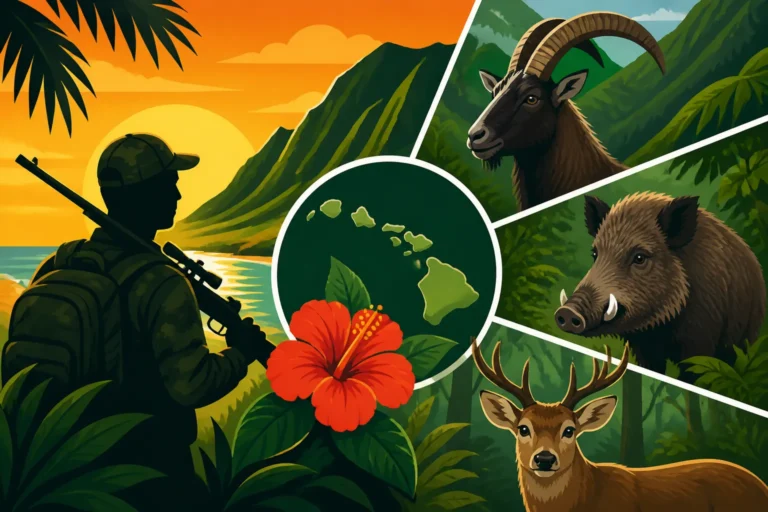
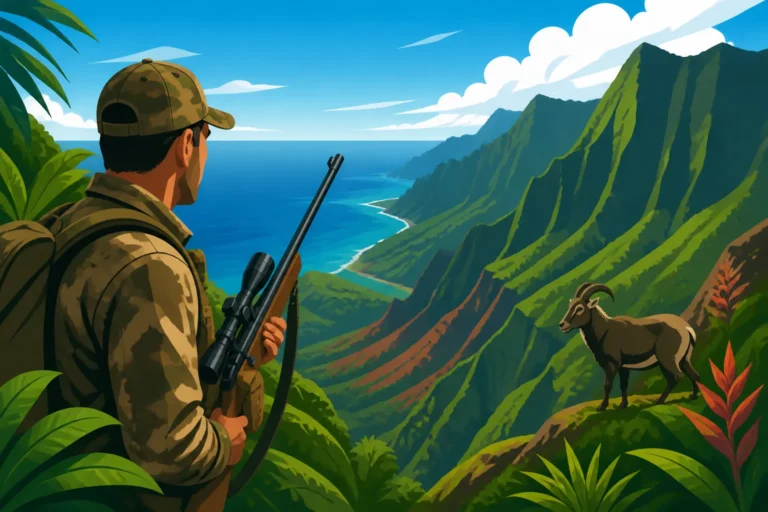
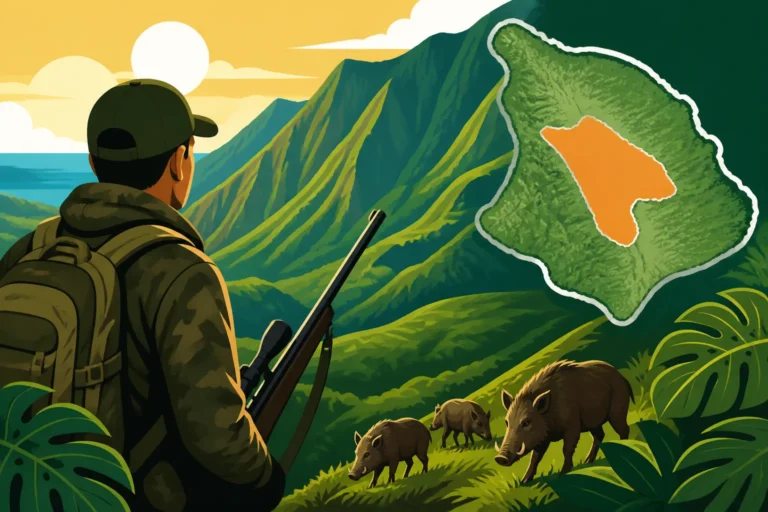
Beyond the deer, Kekaha also holds populations of feral pigs and goats. The feral pigs, while perhaps not as numerous as in some of Kauai's wetter units, can still be found, particularly in the thicker gulches where there's more shade and moisture. They’ll root up the ground, leaving distinctive trails, and often wallow in any available mud. Goats are typically found on the steeper, rockier slopes and cliff faces, which offer them protection and better vantage points. They are incredibly agile and can be challenging to stalk in their preferred habitat. Understanding the habits of these various animals within Kekaha’s specific terrain is key to a successful hunt. A prime example is knowing that a recent sprinkle might draw deer out into more open areas to browse on tender new growth, whereas prolonged dry spells will push them closer to reliable water sources, making those areas prime scouting spots.
Key Access Points and Entry Considerations
Accessing the Kekaha Unit usually means utilizing the main roads that branch off Kaumualii Highway (Highway 50) on Kauai's west side. The primary artery is often the Kekaha Road or connecting cane haul roads, which lead into the interior of the unit. However, many of these roads quickly deteriorate, turning into rough, unpaved tracks that demand a high-clearance, 4-wheel-drive vehicle. Don't even think about taking a rental sedan back there unless you enjoy high towing bills. Hunters need to be prepared for muddy sections, rocky climbs, and sometimes overgrown trails that can scratch up a vehicle.
Before you head out, it's absolutely crucial to obtain detailed maps and mark your access points. Services like onX Hunt are invaluable here, providing real-time GPS tracking and satellite imagery that can help you distinguish public hunting land from private property. You'll often encounter locked gates or designated hunter check-in stations, which are mandatory to use. Knowing the specific gate codes or check-in procedures beforehand can save you a lot of frustration and wasted time. Some hunters might even choose to walk in from the main highway if their vehicle isn't suitable, but be prepared for a long trek, especially if you plan to pack out game. Remember, finding the 'easy' access points means you'll likely share them with more hunters, while the more remote areas might offer solitude but demand greater effort to reach and hunt. Planning your entry and exit routes meticulously is not just about convenience; it's about safety and efficiency, especially when daylight is fading or you have a heavy load to carry.
Navigating Seasons, Permits, and Regulations in Kekaha
Hunting in Kekaha, like any public land in Hawaii, requires more than just knowing where the animals are. It demands a thorough understanding of the specific rules and regulations set by the Department of Land and Natural Resources (DLNR) Division of Forestry and Wildlife (DOFAW). These aren't just arbitrary rules; they're in place to manage game populations and ensure safety for all users of the land. Skipping this step is not only illegal but can ruin your entire hunting trip.
Kekaha's Specific Hunt Seasons and Dates
The Kekaha Game Management Area often operates on a weekend-only hunt schedule, particularly for Black-tailed deer. This means that hunters are typically allowed in on Saturdays and Sundays during designated seasons, which can vary annually. It's not a free-for-all; specific hunt periods are set for archery, muzzleloader, and rifle hunting. For instance, you might find an archery-only season in early fall, followed by a muzzleloader window, and then specific rifle weekends later in the year. These seasons are carefully planned to manage hunting pressure and ensure a healthy deer population.
It's absolutely critical to consult the most current Hawaii Hunting Regulations, which are published by DOFAW each year. These regulations are your bible for hunting in Hawaii. Do not rely on old pamphlets or hearsay, as season dates, bag limits, and even unit boundaries can change. A quick check of the official DOFAW website or a quick call to the local DOFAW office can clarify any uncertainties. Failing to do so could result in a citation or, worse, unknowingly hunting out of season. Many hunters get caught out by these fluctuating dates, especially if they're visiting from other islands or the mainland, expecting a more consistent season structure. Keep an eye on the Kauai's Weekend Hunt Calendar for the most accurate scheduling.
Required Permits, Tags, and Check-In Procedures
Hunting Black-tailed deer in Kekaha requires a valid Hawaii hunting license and the appropriate permit-tag for the species. Unlike some islands, Kauai operates on a permit-tag system for deer, so you can't just show up with a license. These tags often have specific stipulations, such as whether they're for either-sex animals or restricted to bucks only, and they usually come with a bag limit – perhaps one deer per hunter per season. It's not uncommon for these tags to be issued via a lottery or limited sale, especially for desirable units or seasons, so planning ahead is paramount.
The check-in and check-out procedures for Kekaha are also non-negotiable. Many units require hunters to physically sign in at a designated hunter check station at the start of their hunt and sign out when they leave. This is vital for safety, allowing DOFAW to know who is in the unit, and for data collection on hunter effort and harvest success. These days, using the OuterSpatial App to Check In has become a popular and convenient method for many units, replacing traditional paper cards. Make sure you have the app downloaded and are familiar with its functions before you hit the field, especially since cell service can be spotty in remote parts of Kekaha. Forgetting to check out can cause unnecessary worry for DOFAW staff and potentially lead to an inquiry, so always complete this step.
Legal Weapons and Other Important Rules for the Unit
Kekaha, like other Hawaii units, has specific regulations regarding legal weapons for different game species and seasons. For Black-tailed deer, you'll generally find that archery equipment, muzzleloaders, and certain calibers of rifles are permitted during their respective seasons. Shotguns with slugs might also be allowed, but it's crucial to verify the minimum caliber or draw weight requirements. For example, Kauai's legal rifle deer weekends will outline what type of firearms are permissible during those specific times. It's not a place to bring your grandpappy's old .22 for deer; proper equipment that meets the minimum energy requirements is a must for ethical hunting.
Beyond weapon specifics, other rules significantly impact your hunt. Blaze orange is often a mandatory safety requirement, especially during rifle seasons, to ensure hunters are visible to one another. Rules regarding the use of hunting dogs are also clearly defined, if permitted at all, and typically apply more to pig hunting than deer hunting in this specific unit. Baiting animals is strictly prohibited. You also need to be acutely aware of private property boundaries adjacent to the GMA; trespassing onto private land, even accidentally, is a serious offense. Knowing these rules, and always carrying your hunting license and tags, ensures a legal and safe hunt for everyone involved.
Strategies for Success in Kekaha
Hunting in Kekaha isn't just about showing up with a rifle; it's a chess match against wily game in a challenging environment. Success often boils down to meticulous planning, understanding the nuances of the terrain, and employing smart, adaptable tactics. You need to be both patient and persistent.
Scouting and Pre-Hunt Preparation
Effective scouting is the bedrock of a successful hunt in Kekaha. Given that many units are weekend-only, you can't always scout the day before. This means leveraging technology and making the most of any time you do get on the ground. Start with aerial maps and satellite imagery using tools like onX Hunt. Look for key features: water sources (especially in dry country), natural funnels like saddles between ridges, dense patches of kiawe that could serve as bedding areas, and open clearings where deer might feed at dawn or dusk. Identify potential game trails connecting these areas. Topographic maps will reveal the steepness of gulches and ridges, helping you plan your approach and escape routes.
Physical preparation is equally crucial. Kekaha's dry, rocky, and often steep terrain, combined with the heat, can quickly drain even fit hunters. Start a walking regimen well before your hunt, incorporating hills and uneven ground if possible. Practice carrying a loaded pack, simulating the weight of a packed-out animal. Dehydration is a constant threat; plan to carry more water than you think you’ll need. Many seasoned hunters will scout during the off-season or on non-hunting days, focusing on finding fresh sign, evaluating new trails, and observing game movement without the pressure of a live hunt. Pay attention to how the wind moves through the gulches and over ridges; Hunting Downwind in Hawaii's Shifting Thermals is critical, as deer rely heavily on their sense of smell.
On-the-Ground Hunting Tactics for Kekaha's Terrain
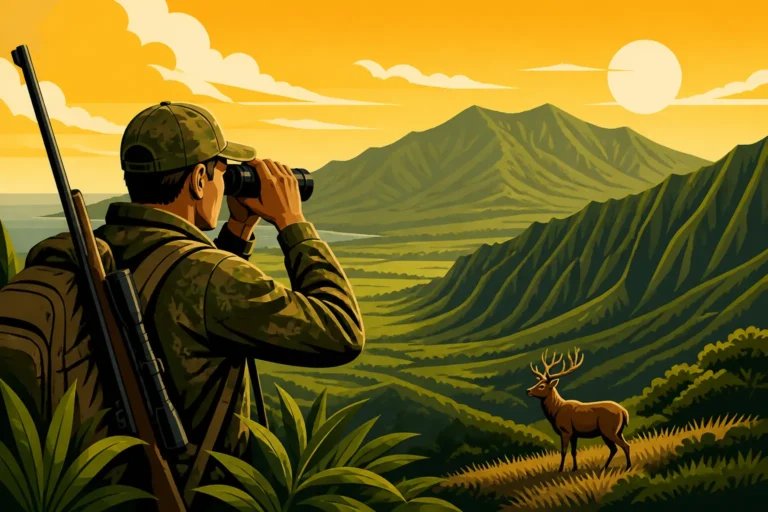
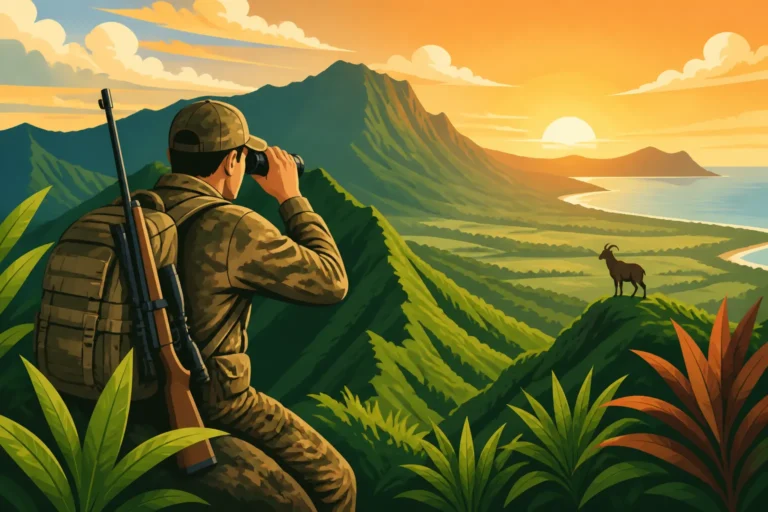
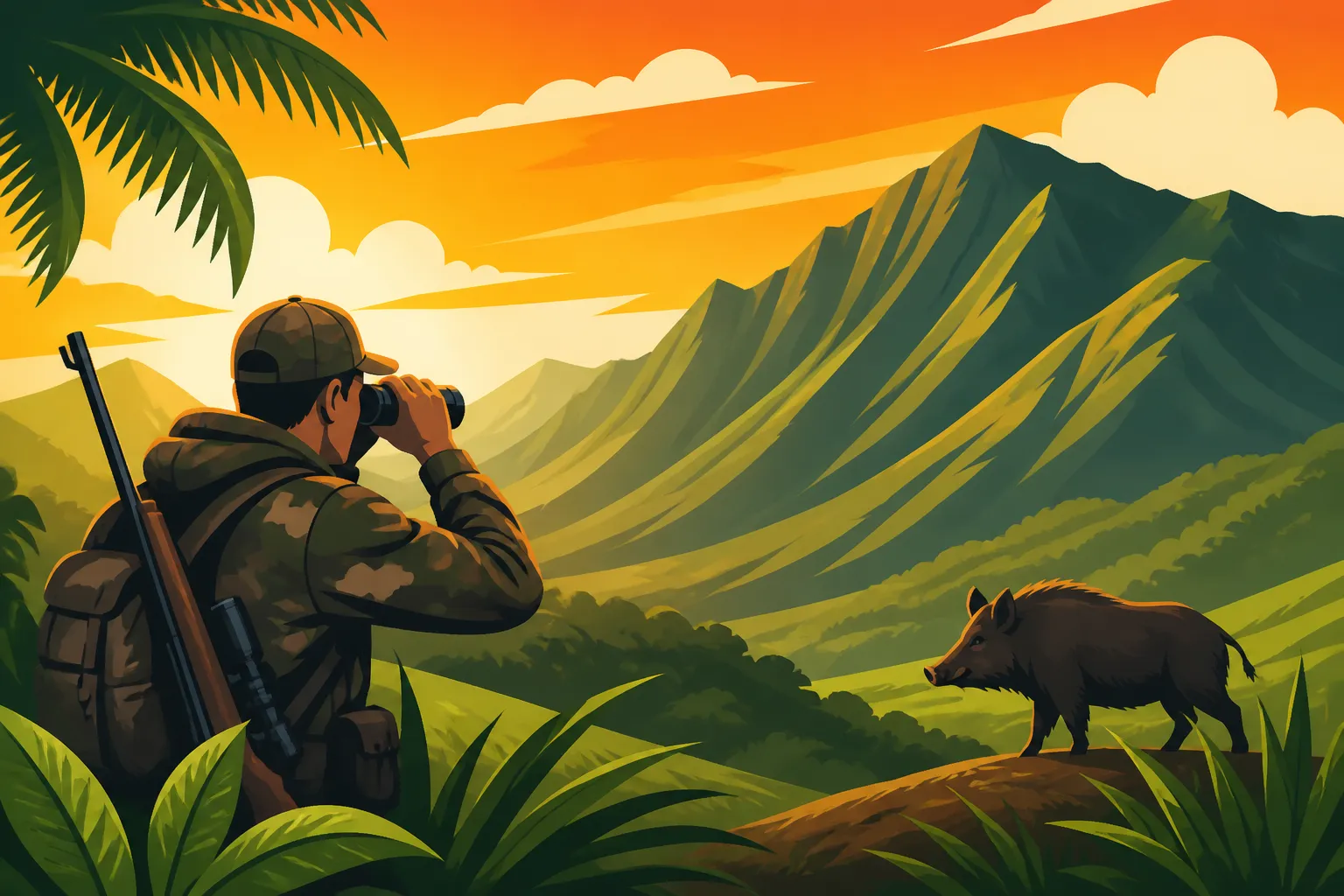
Once you’re in the unit, your tactics need to be specific to Kekaha’s unique conditions. For Black-tailed deer in the more open, grassy or sparsely vegetated areas, Spot-and-Stalk Tactics on Open Country are often the most effective. This involves patiently glassing wide areas from a high vantage point at first light, identifying deer, and then carefully planning a stalk that keeps you downwind and out of sight. The undulating terrain provides cover, but the dry ground means every step must be deliberate to avoid snapping twigs or shuffling rocks. Good binoculars or a spotting scope are indispensable.
In the thicker kiawe flats and dense gulches, still-hunting or slow-still-hunting becomes necessary. This is where you move incredibly slowly, pausing often to scan, listen, and glass every opening. The kiawe can be so thick that visibility is limited to a few yards, making careful movement and listening for subtle sounds paramount. Look for rubs on trees, fresh tracks in dusty patches, and droppings. Knowing Reading Axis Deer Sign in Dry Country (and applying similar principles to Black-tailed deer) is vital, as the freshest sign points to recent activity. In dry periods, focusing your efforts around known water sources (ponds, seeps, or even low points where dew collects) can be highly productive, especially early in the morning or late in the evening. Keep your eyes peeled on the edges of these thickets as deer often use them for cover before moving into more open feeding areas. For goats, focusing on Hunting Goats on a Sea Cliff Safely or steep, rocky canyon walls from a distance and then planning an ambush can be effective.
Essential Gear and Safety Considerations
Packing the right gear for Kekaha can make or break your hunt. First and foremost, water. Bring more than you think you need, along with electrolyte supplements. The dry heat can be deceptively dehydrating. Footwear is another critical item; sturdy, broken-in hiking boots with good ankle support are essential for navigating the rocky, uneven, and often thorny ground. You'll be Walking Rough Lava Without Wrecking Your Boots, so choose wisely. A good daypack capable of carrying water, snacks, first aid, and basic emergency supplies (like a space blanket and fire starter) is a must.
Navigation tools are non-negotiable. While the OuterSpatial app is great for checking in, a reliable GPS unit or a fully charged smartphone with a mapping app like onX Hunt is crucial for staying found and marking game or important landmarks. Remember that cell service can be non-existent in many parts of the unit. A headlamp for early morning starts or unexpected late returns, a sharp knife for field dressing, and game bags for cooling meat are also essential. Safety should always be your top priority. Inform someone of your hunting plans and expected return time. Be aware of the dangers of heat exhaustion, twisted ankles on uneven ground, and the possibility of encountering other hunters. A basic first-aid kit with blister treatment, pain relievers, and wound care is smart.
Common Challenges and Local Insights for Kekaha
Hunting in Kekaha offers unique rewards, but it also throws specific curveballs that can frustrate even experienced hunters. Understanding these challenges and gaining a local perspective can significantly improve your chances of success and enjoyment. It's about blending perseverance with smart adaptation.
Dealing with Heat, Hydration, and Tough Terrain
The dry side of Kauai, where Kekaha sits, can be brutally hot, especially outside of the early morning and late evening hours. This isn't just discomfort; it's a serious safety concern. Dehydration and heat exhaustion are real threats. Your body works harder in the heat, and the uneven, rocky ground combined with thick brush requires constant effort. Imagine pushing through a dense kiawe thicket for an hour, the sun beating down, and realizing you've barely covered a quarter mile. That’s the reality.
To combat this, hydration starts before your hunt. Drink plenty of water the day prior and continue to sip throughout the day, not just when you feel thirsty. Electrolyte supplements can help replenish salts lost through sweat. Plan your hunts for the coolest parts of the day, focusing your efforts at Hunting Axis Deer at First Light in Hawaii (which applies to Black-tailed deer here too) and an hour or two before sunset. During the midday heat, it's often more productive, and safer, to find a shady spot to rest, hydrate, and glass potential areas. Dressing in light-colored, breathable clothing is essential. Furthermore, the sharp, uneven lava rock and thorny kiawe branches demand durable clothing and the stoutest boots you own. Walking Rough Lava Without Wrecking Your Boots is not just a suggestion; it's a necessity to avoid ending your hunt early due to foot injuries or equipment failure.
Understanding Game Movement and Pressure
Game animals in Kekaha, particularly the Black-tailed deer, are highly sensitive to hunting pressure. Since Kekaha is often a weekend-only unit, animals quickly learn to associate human presence with specific days. This means they'll be on high alert on Saturdays and Sundays. Expect them to become more nocturnal, move into the thickest cover, or seek refuge in areas less accessible to hunters as the weekend progresses. Why Hawaii Goats Move at First Light is a principle that applies across many species here – early morning is often your best bet before they're disturbed.
This pressure often pushes deer into the deepest gulches, the densest kiawe, or up onto the steepest, most rugged slopes. To counter this, consider pushing deeper into the unit than most hunters are willing to go, or focus on overlooked pockets of cover near roads that people might dismiss. Patience is paramount. Sit and observe for long periods, letting the unit "cool down" around you. Sometimes, simply waiting for other hunters to push game your way can be an effective, albeit less predictable, strategy. Understanding these patterns of movement under pressure is a huge advantage, allowing you to anticipate where deer might be headed for safety.
Respecting Local Customs and Land Use
Hawaii has a rich cultural heritage, and hunting here is deeply intertwined with respecting the aina (the land) and local traditions. When hunting in Kekaha, it's not just about following the rules in the regulations book; it's about embodying the spirit of aloha aina. This means leaving no trace, packing out all your trash (and maybe a little extra that you find), and being mindful of the natural resources. Locals take pride in their hunting grounds, and showing respect for the environment and other users is highly valued.
Be aware of areas designated for cultural practices or sensitive ecological zones within or adjacent to the GMA. While Kekaha is primarily dryland, some areas might have unique plant species or historical sites. It’s also crucial to be absolutely certain of property boundaries. Utilize tools like onX Hunt or check with DOFAW for the most current information to avoid accidental trespass onto private lands or Hawaiian Home Lands, which have their own specific rules. GoHunt is another excellent resource for staying up-to-date on regulations and unit-specific details. Being polite, friendly, and considerate to other hunters and any locals you encounter goes a long way. This respect helps maintain positive relationships within the hunting community and ensures that these valuable hunting areas remain accessible for future generations.
Here's a quick reference for Kekaha's general hunting characteristics:
| Characteristic | Black-tailed Deer | Feral Pigs | Feral Goats |
|---|---|---|---|
| Preferred Habitat | Kiawe flats, dry gulches, grassy slopes | Thicker gulches, areas with some moisture | Steep, rocky slopes, cliff faces, canyon rims |
| Activity Pattern | Crepuscular (dawn/dusk), wary under pressure | Nocturnal, seeking cover during the day | Early morning, often visible on open rock |
| Key Sign | Tracks, droppings, rubs on small trees | Rooting, wallows, distinct trails | Droppings, worn trails on steep terrain, beds |
| Hunting Tactic | Spot-and-stalk, still-hunting thickets | Still-hunting dense gulches, dog hunting (if permitted) | Spot-and-stalk from distance, ambush points |
| Challenges | Wary, blend into cover, thick kiawe | Elusive, dense cover, hot conditions | Agile, steep terrain, distant shots |
Disclaimer
This article is for general informational purposes only and does not constitute professional advice. Laws, prices and regulations vary by location and change over time. Consult a qualified professional for guidance on your specific situation.