What Is Never Included in a Hawaii Package
Heading to Hawaii for a hunt is a dream for many, but it's easy to get swept up in the excitement and overlook some fundamental costs that are rarely, if ever, covered in a standard guided hunt package. This guide will walk you through those often-unmentioned expenses, helping you budget accurately and avoid any unwelcome surprises, so you can focus on the incredible experience ahead.
The Hunting Foundations You'll Always Arrange Independently
When you book a guided hunt in Hawaii, whether it's for axis deer on Maui or feral pigs on the Big Island, most outfitters focus on the core hunting experience: the guide's time, access to hunting grounds, and sometimes a basic field lunch. What often gets left out of the listed price are the absolute necessities you need to legally and practically participate.
State Hunting Licenses and Required Permit-Tags
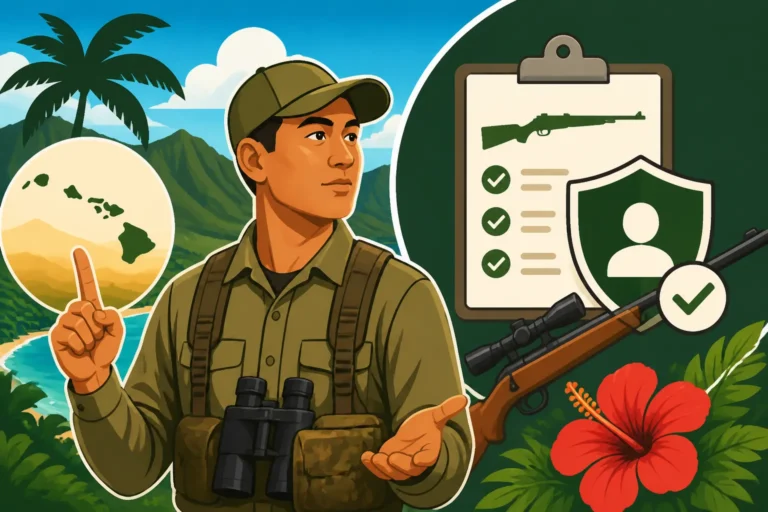
First and foremost, your hunting license and any specific permit-tags are almost universally your responsibility. This isn't just a Hawaiian quirk; it's standard practice in the hunting world. Outfitters provide the service of guiding, but the legal right to hunt is personal. Expect to pay for a Hawaii hunting license, and if you're targeting specific game like axis deer or mouflon, you'll also need to purchase the appropriate permit-tags for those species and units.
It's crucial to understand these requirements well in advance, as some tags, especially for popular drawn hunts on islands like Lanai, are allocated through a lottery system months before the season. Even for over-the-counter tags, you'll need to navigate the state's online system, which can be done through the Department of Land and Natural Resources (DLNR) or sometimes via platforms like GoHunt that help with license purchases and draw applications. Make sure to factor in both the cost and the time required to secure these documents, as you cannot hunt without them. Imagine flying all the way to Hawaii only to realize you forgot to get your license – a true nightmare scenario!
Your Personal Travel and Island-Hopping Logistics
The "package" typically starts when you meet your guide at a predetermined spot on the island. How you get to Hawaii, and then to that specific meeting point, is entirely on your dime. This includes your round-trip airfare to the islands, and often, inter-island flights if your hunt is on a different island from where you first land, like flying from Honolulu to Maui or the Big Island.
Once you arrive on the specific hunting island, you'll also need to consider ground transportation. This might mean renting a car, hiring a taxi, or arranging a shuttle from the airport to your lodging and then to the guide's rendezvous point. Don't assume your guide will pick you up from the airport or your hotel, though some might offer this as an extra service for an additional fee. These travel costs, while obvious, add up quickly and are a significant chunk of your overall hunting budget that a package price almost never includes.
Bringing or Renting Your Hunting Gear
Unless explicitly stated, assume that your guided hunt package does not include your personal hunting gear. This means your rifle or bow, ammunition, optics, binoculars, rangefinder, hunting boots, appropriate clothing, backpack, and any specialized equipment are all items you'll need to provide yourself. For mainland hunters, this often involves the hassle and cost of flying with firearms, which requires careful planning, declarations with the airline, and adherence to specific TSA regulations. Flying to Hawaii With Firearms is a whole journey in itself.
Some outfitters do offer rifle rentals and ammunition for an extra charge, which can be a convenient option, especially for those who prefer not to travel with their own firearms. However, always confirm this service and its cost beforehand. Similarly, while a basic field lunch might be provided, personal snacks, water bottles, and any specific hydration systems are usually left to the hunter. Remember, Hawaii's terrain can be rugged, and its climate warm and humid, so having the right gear, particularly good boots and rain protection, is non-negotiable for a comfortable and safe hunt.
The Post-Harvest Journey: Costs Beyond the Shot
You've successfully harvested an animal—congratulations! But the expenses don't stop once the trigger is pulled. There's a whole logistical chain that kicks into gear after the kill, and these services are almost always separate from your guided hunt package.
Processing and Transporting Your Game Meat
The thrill of a successful hunt in Hawaii often leads to the question, "Now what do I do with all this meat?" While your guide will typically assist with field dressing your animal, the costs associated with butchering, cooling, and preparing that meat for transport are generally not included. You'll need to factor in the expense of a professional meat processor if you want your game properly cut, wrapped, and frozen. Getting Meat Processed on a Hawaii Hunt can be a significant cost.
If you plan to take your venison or pork home, you'll also need to consider the cost of insulated coolers or specialty shipping containers. Furthermore, shipping meat, especially across islands or to the mainland, involves freight charges and adhering to strict agricultural inspection rules. These can be substantial and vary depending on the weight and destination. Don't underestimate this; otherwise, you might be faced with leaving a good portion of your hard-earned harvest behind.
Preserving Your Trophy: Taxidermy and Shipping
If you've taken a trophy-quality animal, such as a magnificent axis buck or a large mouflon ram, you'll undoubtedly want to preserve the memory with a taxidermy mount. Again, this is an entirely separate service and cost. Your guide might cape out the animal for you in the field, but beyond that, it's your responsibility to arrange for a taxidermist.
This includes the actual cost of the taxidermy work itself, which can range widely depending on the type of mount (shoulder, European, full body) and the size of the animal. Then there's the cost of packaging and shipping the finished mount back to your home, which can be considerable, especially for larger pieces. It’s always a good idea to research local Hawaii taxidermists ahead of time and get quotes. Getting a Cape and Horns Shipped Home involves a lot more than just dropping it in a box.
Gratuities for Your Dedicated Guide and Crew
This is a big one, and it's almost never included in the upfront package price: the tip for your guide. Just like in other service industries, tipping your hunting guide is a customary way to show appreciation for their hard work, expertise, and dedication to making your hunt successful and enjoyable. Guides often work incredibly long hours, scout relentlessly, and put their clients' success ahead of their own.
A general guideline for tipping is usually a percentage of the hunt cost, or a flat daily rate, depending on the outfitter and the type of hunt. This is a direct payment from you to your guide and any assistants who helped, and it's a vital part of their income. Always budget for this and be prepared to offer a gratuity that reflects the effort and quality of your experience. How Much to Tip a Hawaii Guide is a question that comes up a lot, and it's essential to plan for it.
Hidden Variables and Planning for Real-World Expenses
Beyond the direct hunting costs, there are numerous other real-world expenses that can quickly add up, transforming an "all-inclusive" sounding package into a much larger final bill. Planning for these often-overlooked variables will ensure a smoother, more enjoyable trip.
Daily Transportation and Fuel Needs
Even if you rent a vehicle for your personal travel, the fuel costs for driving to and from the hunting unit each day, especially if you're exploring the island during downtime, will be your responsibility. Hawaii's gas prices can be higher than on the mainland, so factor that into your daily budget. Some hunting units require a 4×4 vehicle for access, which can add to rental costs, and many units require significant driving just to reach the check-in station.
Consider also the type of vehicle you rent. A compact car might be fine for cruising around Waikiki, but it's not going to get you into many of Hawaii's more rugged hunting areas. If you plan to self-guide at all, or if your lodging is far from the hunt area, a reliable and appropriate vehicle is key. Reaching a Hawaii Unit by 4WD Road is often a necessity.
Sustenance, Snacks, and Personal Comforts
While some guided packages might include a basic field lunch, this rarely covers all your meals, especially dinner or breakfast, or any personal snacks and drinks you might want throughout the day. You'll be responsible for your hotel meals, restaurant tabs, or groceries if you opt for self-catering. Staying hydrated in Hawaii's climate is critical, and those water bottles, sports drinks, or other beverages for the field will add up.
Don't forget personal comfort items like sunscreen, insect repellent, any medications, and toiletries. These seem small, but forgetting them can lead to unexpected purchases at island prices. Thinking about the small conveniences that make a long day in the field more tolerable—a favorite protein bar, a specific coffee blend—can make a big difference, and these are always on you.
Contingency Funds and Communication
Hunting, especially in a unique environment like Hawaii, can be unpredictable. Weather can change rapidly, gear can break, or unexpected delays can occur. Having a contingency fund for unforeseen circumstances—like an extra night's lodging due to a canceled flight, replacement gear, or even an unscheduled visit to a pharmacy—is a smart move.
Communication is another aspect. While your guide will likely have satellite communication in remote areas for emergencies, your personal cell service might be spotty or nonexistent in many hunting units. No Cell Signal on a Hawaii Hunt is a common reality. You might want to consider a personal satellite messenger or a temporary pre-paid phone if staying connected is critical, and these are certainly not included in any package.
Here's a quick overview of what's typically included versus what's almost always extra:
| Feature | Often Included in Package | Almost Always Extra |
|---|---|---|
| Hunting Experience | Guide services, hunting area access, field dressing | Hunting licenses, permit-tags, hunter education |
| Travel | None directly related to travel to/from island | Airfare, inter-island flights, rental car, fuel |
| Accommodation | Some multi-day packages might include basic camp lodging | Hotels, vacation rentals, camping fees |
| Food & Drink | Field lunch, water during the hunt (check specifics) | All other meals, snacks, personal beverages |
| Gear & Equipment | Guide's equipment (e.g., calling devices) | Personal rifle/bow, ammo, optics, clothing, boots |
| Post-Harvest | Basic field quartering | Meat processing, shipping meat, taxidermy, trophy shipping |
| Personal Services | Guiding and expertise | Guide gratuities |
| Emergency Preparedness | Guide's first aid kit, emergency comms for the guide | Personal travel insurance, satellite messenger, extra medical supplies |
When you're looking at various guided hunt options, whether through an outfitter directly or a booking service like BookYourHunt, take the time to read the "what's included" and "what's not included" sections carefully. Asking questions directly to the outfitter about these points before you book will save you headaches and help you set a realistic budget for your incredible Hawaii hunting adventure.
Disclaimer
This article is for general informational purposes only and does not constitute professional advice. Laws, prices and regulations vary by location and change over time. Consult a qualified professional for guidance on your specific situation.