What Would Happen Without Hunting in Hawaii
It's a question many folks ask, sometimes out of curiosity, sometimes out of a genuine concern for animal welfare, but often without fully grasping the delicate balance and unique challenges we face here in Hawaii. The truth is, if hunting were to suddenly disappear from our islands, the consequences for our fragile ecosystems, local agriculture, and even our way of life would be profound and, quite frankly, devastating. This guide will take a hard look at what Hawaii would experience without the vital role hunters play in managing our wild populations.
The Unchecked Explosion of Invasive Species
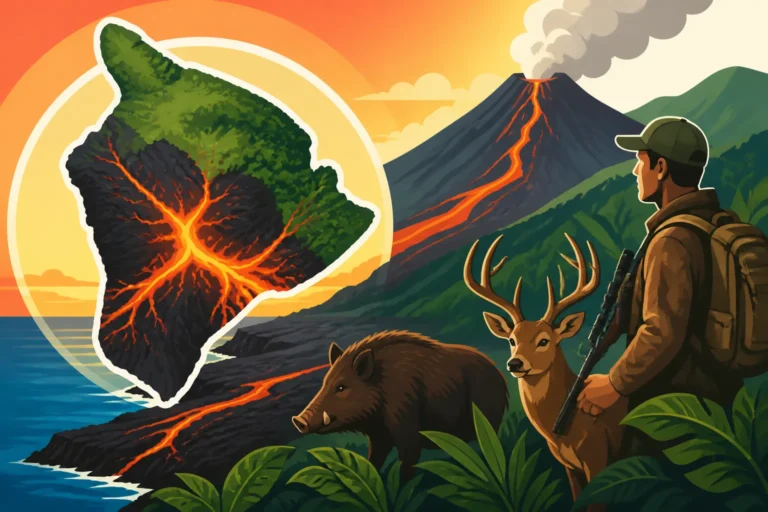
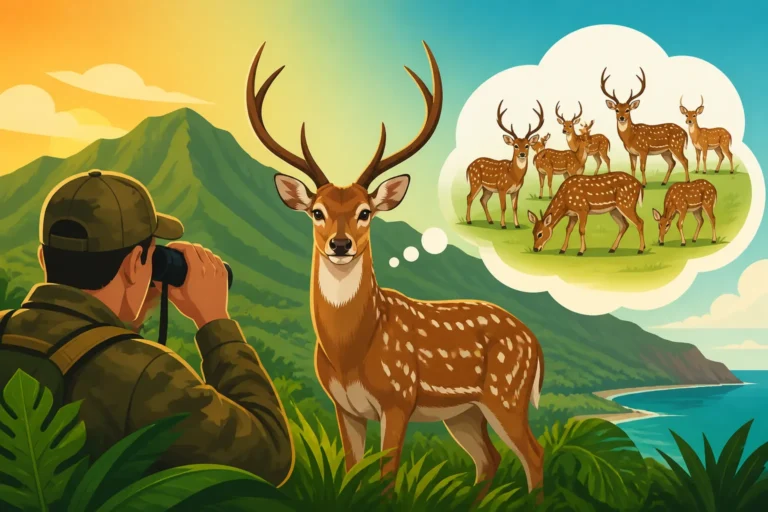
Imagine a world where the very animals you hunt — the pigs, goats, axis deer, and mouflon sheep — suddenly had no natural predators, no human intervention to keep their numbers in check. Sounds idyllic to some, perhaps, but here in Hawaii, it would quickly spiral into an ecological catastrophe. Our game animals, as well as many other feral species, are not native. They were introduced, and without proper management, their populations grow exponentially.
Rapid Population Growth Without Management
Feral pigs, for example, are incredibly prolific. A sow can breed year-round, often having multiple litters in a single year, with each litter containing a half-dozen or more piglets. Goats reproduce just as quickly, often having twins. Axis deer, while perhaps not breeding at the same rate, mature quickly and thrive in Hawaii's mild climate, leading to a constant recruitment of new animals into the herds. Without hunting pressure, these numbers would skyrocket. We're not talking about a slight increase; we're talking about an overwhelming surge that the land simply cannot sustain. The current system, easily accessed through platforms like GoHunt, is designed to provide opportunities for hunters to help manage these burgeoning populations.
Think about it: in their native habitats, these animals have predators – wolves, tigers, mountain lions – that keep them in balance. Here in Hawaii, outside of a small percentage taken by hunters, there are no significant natural predators to fulfill that role. The landscape itself becomes the only limiting factor, and that often means starvation for the animals and destruction for the environment. Why Hawaii Game Animals Have No Predators is a topic worth exploring further.
Overgrazing and Habitat Destruction
When you have too many mouths to feed on a limited land base, especially on an island, the vegetation takes a brutal hit. Feral goats are notorious for stripping hillsides bare. I’ve seen areas on the Big Island where goats have eaten everything down to the dirt, leaving nothing but barren rock. When the rains come, there's no vegetation to hold the soil, leading to massive erosion and runoff that chokes our coral reefs.
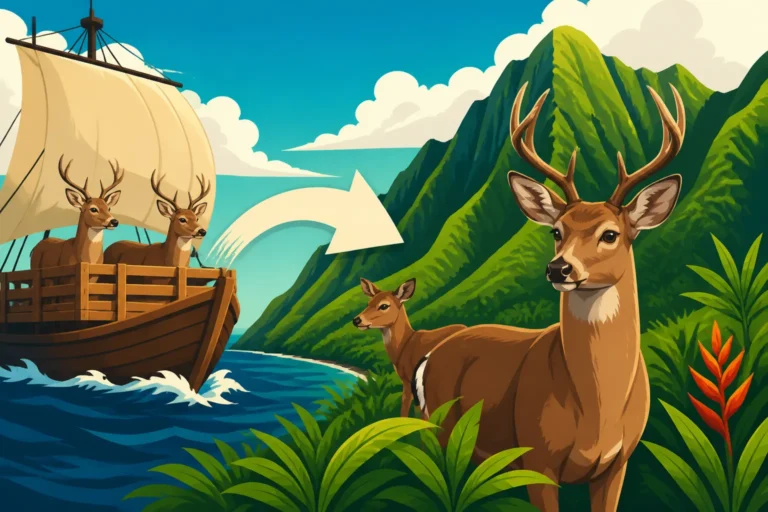
Axis deer, particularly on islands like Maui and Lanai, are grazers and browsers that can devastate agricultural crops and native understory plants. Farmers regularly deal with herds of deer wiping out entire fields of produce overnight. Without hunters to alleviate this pressure, their foraging would intensify, leading to widespread desertification in dry areas and the destruction of sensitive native plant communities. Axis Deer Damage to Hawaii Ranches is a very real problem.
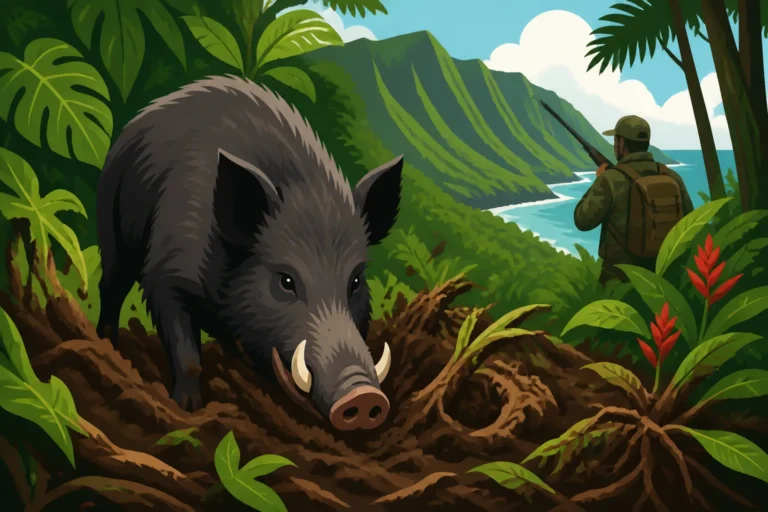
Feral pigs are perhaps the most destructive of all. Their constant rooting behavior churns up the forest floor, destroying delicate root systems, consuming native plant seeds, and creating pathways for invasive weeds to take hold. They also create wallows, which become breeding grounds for mosquitoes, some of which carry diseases that threaten both humans and our native bird populations. What Feral Pigs Do to Hawaii's Forests paints a stark picture of their impact.
Devastation to Hawaii's Native Ecosystems
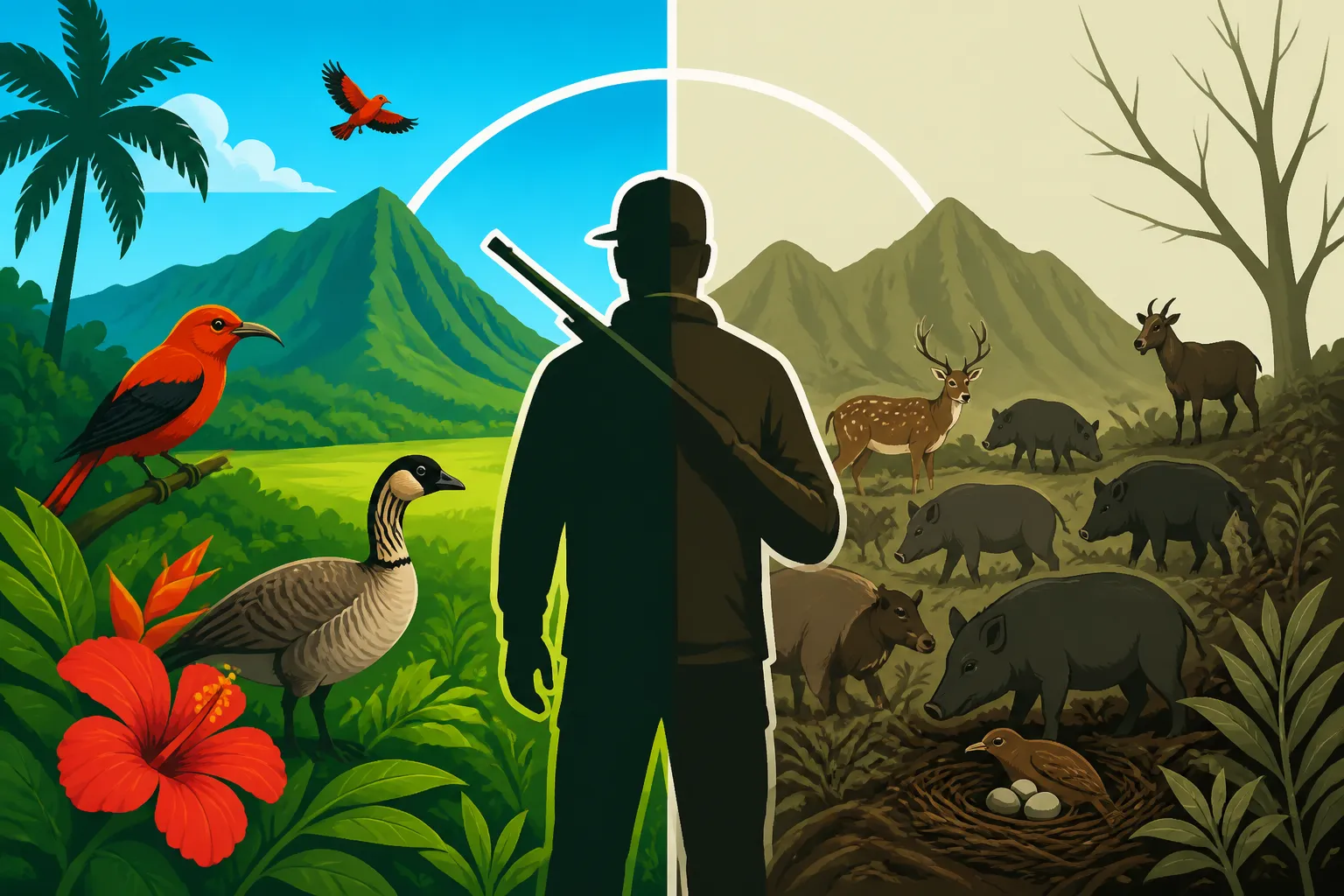
Hawaii's native plants and animals evolved in isolation, without the presence of large browsing or rooting mammals. They simply aren't equipped to handle the relentless pressure from species like pigs, goats, and deer. This vulnerability makes them prime targets for extinction when invasive populations go unchecked.
Threat to Endemic Flora and Fauna
Many of our native plants are rare, found nowhere else on Earth. They grow slowly, reproduce less frequently, and lack defenses against being eaten or trampled. Pigs ripping through the forest floor can wipe out entire patches of native ferns and saplings. Goats can eat rare shrubs right down to the ground, preventing regeneration. Deer browse on the young growth of native trees, stopping forest recovery in its tracks.
It's not just plants. Our unique ground-nesting birds, like the nene (Hawaiian goose), are incredibly vulnerable to pigs, which will root out and eat their eggs and chicks. The constant disturbance of the forest also impacts native insects, snails, and other invertebrates that form the foundation of our unique food web. Without hunting, these pressures would accelerate the extinction rates of already endangered species. Hawaii's Endangered Birds Near Hunting Units highlights just how sensitive these areas are.
Spread of Invasive Plant Species
Feral animals are also incredibly efficient at spreading invasive weeds. Pig hair and hooves can carry seeds from one area to another. Goats and deer consume invasive fruits and then disperse the seeds through their scat, often far into pristine native forests. When pigs root up the ground, they disturb the soil, creating ideal conditions for aggressive invasive plants to colonize, outcompeting and choking out slow-growing native species.
Imagine a pristine forest gulch slowly becoming overrun with strawberry guava, thanks in part to pigs dispersing its seeds after eating the fruit. This isn't just a theoretical problem; it's actively happening right now, and hunting helps to mitigate the scale of this spread by reducing the number of "weed taxis" moving through the landscape. This is why groups that work with Hawaii's Fenced Conservation Boundaries are so keen on controlling these invasive species.
Economic and Social Ramifications
The ecological impacts are profound, but the ripple effects would also hit our economy and the daily lives of Hawaii's residents hard. From agricultural losses to damaged infrastructure, and even public safety concerns, the absence of hunting would create a cascade of costly problems.
Agricultural Losses and Food Security
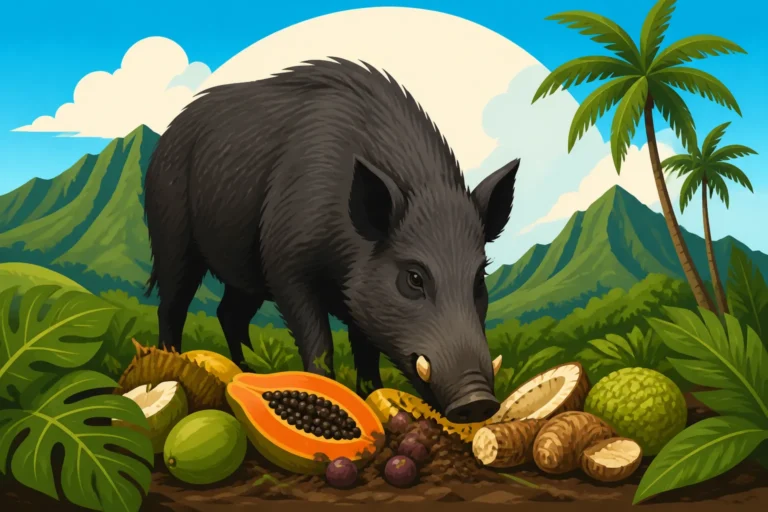
Hawaii already imports a significant portion of its food. Our local farmers work incredibly hard to provide fresh produce, but they constantly battle against invasive pests, including feral animals. Without hunting, pigs, goats, and deer would decimate crops with even greater frequency and intensity. Taro patches would be rooted up, coffee plants stripped bare, macadamia nut orchards raided, and vegetable fields trampled.
This would lead to substantial financial losses for farmers, potentially driving many out of business. The cost of food for everyone in Hawaii would inevitably rise, impacting our already high cost of living and further compromising our food security. The alternative to hunting would be vastly more expensive and less effective fencing, trapping, and professional eradication efforts, which would ultimately be passed on to consumers or taxpayers.
Infrastructure Damage and Public Safety
Increased animal populations also lead to more direct conflicts with human infrastructure and safety. More axis deer on Maui and Molokai would mean a sharp increase in deer-vehicle collisions on our roads, posing serious risks to drivers and causing significant property damage. Pigs, too, can wander into residential areas, rooting up yards and golf courses, and creating a nuisance.
Beyond direct impacts, the erosion caused by overgrazing goats and pigs can destabilize slopes, leading to landslides that damage roads, homes, and utility lines. Water quality would also decline as erosion introduces sediment into our streams and reservoirs, increasing treatment costs for drinking water. All these issues would place a massive financial burden on local governments and taxpayers, far exceeding any perceived savings from not having a hunting program.
The Impracticality of Alternatives
When considering what would happen without hunting, it's natural to wonder about alternative methods of control. Unfortunately, for species like feral pigs, goats, and axis deer in Hawaii, the scale of the problem and the challenging terrain make other options either financially prohibitive, logistically impossible, or simply not as effective.
Trapping and Fencing Limitations
Trapping can be effective for localized control, especially for pigs, but it's labor-intensive, costly, and difficult to implement across vast, rugged areas of Hawaii's public and private lands. Imagine trying to set and monitor traps across thousands of acres of dense rainforest or steep lava fields. The sheer manpower and resources required would be astronomical.
Fencing is another tool, often employed around critical conservation areas or agricultural properties. However, building and maintaining fences across challenging Hawaiian terrain, through gulches and over ridges, is extremely expensive. Furthermore, animals can find ways around or under fences, and gates are often left open. While fences protect specific, high-value areas, they are not a viable solution for widespread population control of free-ranging animals. Organizations using GoHunt for check-ins often have specific areas where fencing is in place, and hunters are crucial in pushing animals away from these protected zones. What Fences Change Where Animals Go is a critical consideration.
Aerial Control and Professional Eradication
Some areas utilize aerial control methods, such as helicopter hunting, for rapid reduction of animal numbers, especially in remote or difficult-to-access terrain. While highly effective, this is incredibly expensive and often faces public opposition. It's typically reserved for critical conservation emergencies and cannot be sustained indefinitely or broadly enough to replace the ongoing, dispersed pressure that recreational hunting provides.
Hiring professional eradicators would also be an option, but again, the cost would be immense and perpetual. Hawaii's terrain, with its dense vegetation, steep slopes, and vastness, makes ground-based eradication efforts extremely challenging and inefficient without hunters.
What Hunting Provides That Other Methods Don't
Recreational hunting, while often controversial in public perception, offers a unique combination of effectiveness, cost-efficiency, and community involvement that no other single method can replicate. Hunters, many of whom are local residents, often bear the costs of their own equipment, travel, and time, effectively serving as volunteer wildlife managers. They venture into remote and challenging areas that government agencies might struggle to access consistently.
The revenue generated from hunting licenses and tags, which can be acquired through systems like GoHunt, contributes to wildlife management programs, habitat restoration, and enforcement. Without hunters, that funding source would vanish, leaving a greater burden on taxpayers to fund less efficient and more costly alternatives. How Hunting Fits Hawaii's Conservation Plan outlines this crucial role.
Consider the commitment required for activities like Dog and Knife Pig Hunting in Hawaii, or the sheer effort of Packing Meat Out of a Hawaii Gulch. These are endeavors that many Hawai'i hunters undertake, contributing directly to wildlife management in ways that simply aren't feasible or sustainable through other means.
Conclusion: A Future Without Hunters
In sum, removing hunting from Hawaii's landscape wouldn't lead to a pastoral paradise. Instead, it would unleash an ecological and economic nightmare. Our unique native species would face accelerated extinction. Our agricultural lands would be ravaged, impacting food security and livelihoods. Our precious watersheds would suffer from unchecked erosion. Roads and infrastructure would be at greater risk. The costs to manage these issues would skyrocket, far exceeding any current investment in hunting programs.
While debates about wildlife management are always complex, for Hawaii, the evidence is clear: hunting isn't just a recreational activity; it's a critical tool for ecosystem health, economic stability, and the preservation of our islands' unique natural heritage. It's a challenging, often gritty, but absolutely necessary part of living in these beautiful, yet fragile, islands.
Disclaimer
This article is for general informational purposes only and does not constitute professional advice. Laws, prices and regulations vary by location and change over time. Consult a qualified professional for guidance on your specific situation.