Oahu’s Public Hunting Areas
When you start dreaming of a Hawaii hunting trip, it's easy to picture the vast, open plains of Lanai for axis deer or the towering slopes of Mauna Kea for mouflon. But what about Oahu, the most populated island? Many local hunters, and even visitors, often feel like finding good public hunting land here is like looking for a needle in a haystack. The sheer amount of development can make it seem impossible, leading to frustration and confusion about where to even begin. This guide aims to clear up that confusion, offering a realistic look at Oahu's public hunting areas, the game you'll find, and how to navigate the unique challenges of hunting on an island more known for its urban landscape than its wild spaces.
Understanding Oahu's Hunting Landscape
Oahu is a unique beast when it comes to hunting. It’s an island where vibrant city life and sprawling military installations coexist, sometimes uneasily, with pockets of wild, rugged terrain. This creates a hunting environment that is fundamentally different from what you might experience on Maui, Hawaii Island, or even Molokai. You're not going to find vast, uninterrupted wilderness stretching for miles and miles here. Instead, you'll be focusing on specific, often smaller, designated public hunting units that are managed by the Department of Land and Natural Resources (DLNR) Division of Forestry and Wildlife (DOFAW). It's crucial to approach hunting on Oahu with a different set of expectations, recognizing both its limitations and its unique rewards.
The Reality of Hunting on Oahu
Let's be real for a moment: Oahu is not a "destination hunting" island in the same vein as some of its neighbors. You won't be flying in just to chase trophy axis deer here. The primary game animals are feral pigs, with a lesser presence of feral goats, and a variety of game birds. Because of the island's population density, these units often experience higher hunting pressure, especially on weekends and during prime seasons. Finding solitude can be a challenge, and you'll often be sharing the land with hikers, mountain bikers, and other outdoor enthusiasts. This means extra vigilance regarding safety and respecting other users of the land. The terrain itself can be incredibly demanding – thick, unforgiving jungle-like growth, steep ridges, deep gulches, and often slippery, muddy conditions, especially on the windward side. It's not a stroll in the park; it's a grind that rewards persistence and careful planning.
How Oahu's Units Differ from Other Islands
The public hunting units on Oahu are generally more fragmented and often smaller in comparison to the expansive units found on the Big Island or Maui. While other islands might offer thousands of acres of contiguous hunting ground, Oahu's units are frequently broken up by private land, urban development, or military zones. This fragmentation means hunters often have to navigate specific access points and stick rigidly to marked boundaries, which can sometimes feel like hunting in a series of isolated green spaces rather than a sprawling wilderness. You'll definitely want to use reliable mapping tools like onX Hunt to understand property lines and stay on public ground. Furthermore, the species diversity for big game is much lower. While Maui and Lanai boast thriving axis deer populations, and the Big Island has mouflon, Oahu's big game hunting is almost exclusively centered around feral pigs, with goats being a secondary, and often more challenging, target. This narrow focus shapes the hunting experience and the tactics you'll need to employ.
Key Public Hunting Units on Oahu
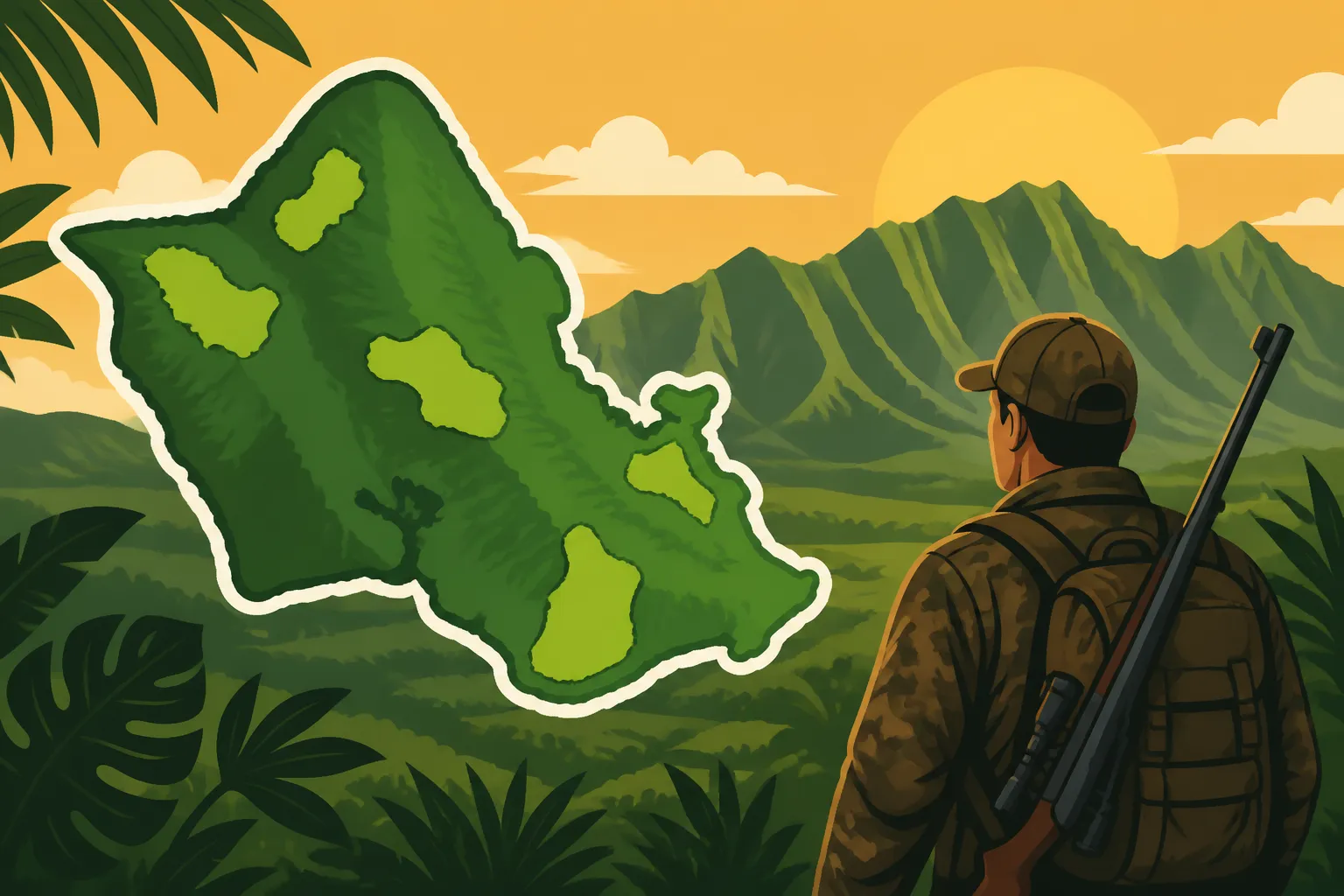
Oahu's public hunting units are scattered across the island, each offering its own set of challenges and opportunities. Understanding where they are, what kind of terrain to expect, and what game is typically present is key to planning a successful hunt. These aren't just names on a map; they are living, breathing landscapes that demand respect and preparation.
Ewa Forest Reserve
Located on the leeward (dry) side of the Waiʻanae Mountain Range, the Ewa Forest Reserve unit is one of the more accessible areas for hunting on Oahu. While "reserve" might conjure images of lush greenery, much of this area can be quite dry, especially during certain times of the year, with thorny kiawe and buffelgrass dominating lower elevations. As you climb higher into the reserve, the vegetation becomes denser, transitioning into a mix of native and introduced forest species. The primary game here is feral pigs, and occasionally you might encounter a goat, though they are less common. Access often involves navigating existing trails and roads, some of which may require a four-wheel-drive vehicle, depending on recent weather and maintenance. Hunters often focus on the gulches and areas near water sources, especially during dry periods, as pigs will congregate there. It’s important to always check current conditions and any specific unit rules with DOFAW before heading out.
Waianae Kai Forest Reserve
Further up the Waiʻanae Range, the Waianae Kai Forest Reserve offers a more expansive and rugged hunting experience. This unit boasts a significant elevation change, from lower, drier slopes to much wetter, denser forest higher up the mountain. This varied terrain means diverse habitat for pigs, which are the main quarry here. Goats can also be found in the steeper, rockier sections, particularly on ridgelines and cliff faces. The Waianae Kai area is known for its challenging conditions, including incredibly steep inclines and thick, sometimes nearly impenetrable, vegetation. Hunters often describe it as a physically demanding hunt, where every gain in elevation is hard-earned. Access points typically lead into deep valleys and necessitate a strong commitment to walking in. Permitting and check-in procedures are mandatory, and it's essential to understand the boundaries, as private property and residential areas are not far off in some spots. This is a unit where you truly feel immersed in the wild, despite being on a heavily populated island.
Makua-Keaau Forest Reserve
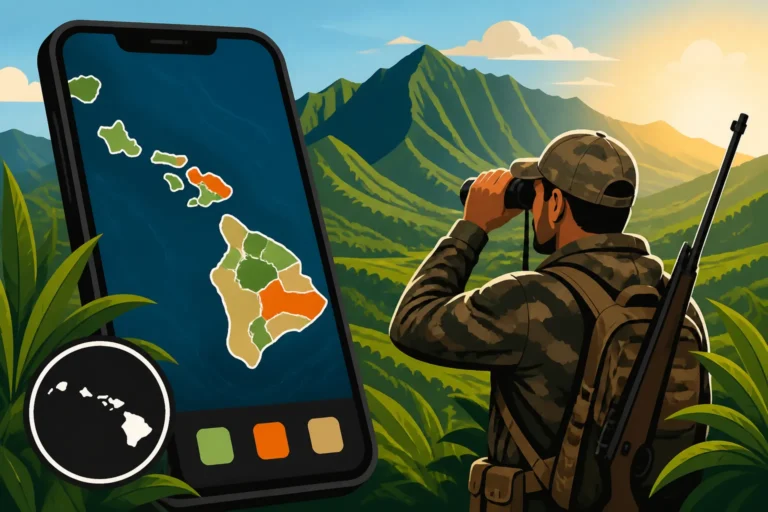
Nestled in the remote northwestern part of Oahu, the Makua-Keaau Forest Reserve offers some of the most challenging, yet potentially rewarding, hunting on the island. This area is characterized by extremely rugged topography, deep canyons, and dense, often wet, forest cover. Feral pigs are the main species hunted here, and due to the remoteness and difficulty of access, these pigs can grow quite large and be less pressured than those in more accessible units. The area borders military training lands, so hunters must be acutely aware of and strictly adhere to all DOFAW and military-imposed access restrictions and closures. This means always checking current announcements before planning a trip. Hawaii's Hunting Units and Where They Are can give you a visual sense of where this unit lies. The remoteness also means that cell service can be spotty or nonexistent, making robust navigation tools and a solid emergency plan absolutely critical. This unit is definitely not for the faint of heart or the unprepared hunter; it demands a high level of physical fitness, bushcraft, and navigational skill.
Mokuleia and Kahuku Country
On the North Shore of Oahu, you'll find hunting opportunities in areas generally referred to as Mokuleia and Kahuku. These units often consist of a mix of dry, open country at lower elevations, transitioning to more forested gulches and ridges as you move inland. These areas are known for a mix of pig and game bird hunting, with the specific opportunities varying greatly by season and specific unit designation. The open nature of some of these lands can make for excellent glassing opportunities, particularly for goats if they are present, and can also be prime territory for upland game birds. However, the proximity to agricultural lands and private ranches means hunters must be incredibly diligent about respecting boundaries and following all regulations. Access points might be through old ranch roads or along forest reserve edges. Hunters should pay close attention to the specific maps for these units, as boundaries can be irregular and not always clearly marked on the ground. This is an area where a detailed map on a GPS app, like those offered by onX Hunt, becomes an indispensable tool.
Game Species and Hunting Opportunities on Oahu
While Oahu might not offer the diverse big game species found on other islands, it provides excellent opportunities for challenging and rewarding hunts, primarily for feral pigs. Understanding the behavior and habitat of these species is fundamental to success.
Feral Pigs: The Primary Target
Feral pigs are the undisputed kings of Oahu's hunting scene. They are present in all of the public hunting units and offer a year-round hunting season, which is fantastic for consistent opportunities. These animals are incredibly destructive to Hawaii's native ecosystems, rooting up forest floors, spreading invasive seeds, and contributing to erosion. For hunters, this translates to a constant need for their control, making them a high-priority species. You'll find pigs in dense, wet gulches where they can wallow in mud to cool off and escape insects, but also in drier areas where kiawe beans or fallen fruit provide sustenance. They're masters of camouflage and can disappear into seemingly sparse cover. Their keen sense of smell and hearing, combined with their intelligence, makes them a formidable quarry. Hunters on Oahu often employ a variety of methods, from still-hunting quietly through dense cover to using dogs, which is a popular and effective method here. Hunting Hawaii's Feral Pigs goes into great detail about the pursuit of these animals across the islands. Whether you're stalking solo or working with a pack, a pig hunt on Oahu is almost guaranteed to be a physical challenge.
Feral Goats and Their Limited Presence
Compared to the teeming goat populations on islands like Hawaii Island or Maui, feral goats are far less numerous on Oahu and are usually found in very specific, often remote and rugged, areas. They tend to stick to the steepest, most inaccessible terrain, making them a difficult target. Cliffs, rocky outcrops, and deep canyon country are their preferred habitats, allowing them to escape predators and find sparse forage. While not the primary focus for most Oahu hunters, encountering a feral goat can be a bonus, especially for those venturing into the more extreme parts of units like the Waianae Kai or Makua-Keaau reserves. They often move at first light or last light, making them hard to spot in their chosen habitat. If you're specifically targeting goats, you'll need patience, good optics, and the physical stamina to navigate their preferred vertical world. For a broader understanding of how these animals impact the islands, check out Hunting Hawaii's Feral Goats.
Game Bird Opportunities
Beyond the big game, Oahu also offers exciting game bird hunting, providing a different pace and challenge for hunters. The island is home to several introduced species, including various francolin (Erckel's, Gray, Black), pheasants (Ring-necked, Kalij), doves (Spotted, Barred), and quail (California, Japanese). These birds occupy different niches: you might find francolin and pheasant in dense grasslands and forest edges, doves frequenting open pastures and agricultural fringes, and quail in drier upland brush. Game bird seasons are typically specific and regulated, often occurring on weekends during certain months of the year. Hunters need to pay close attention to bag limits and legal shooting hours for each species. While a bird hunt on Oahu might not be as grand as a big game expedition, it offers a fantastic opportunity to enjoy the island's natural beauty, work a good bird dog, and bring home some delicious table fare. Hawaii Game Bird Hunting provides a wealth of information about pursuing these species throughout the Hawaiian Islands.
Navigating Access and Regulations
Hunting on any public land in Hawaii requires diligent attention to rules and procedures, and Oahu is no exception. Given the island's population and military presence, these regulations are particularly important for hunter safety, public perception, and conservation efforts. Cutting corners or failing to understand the specifics can quickly lead to trouble.
Hunter Check-In and Out Procedures
One of the most critical aspects of hunting on Oahu, and indeed across all public hunting lands in Hawaii, is the mandatory check-in and check-out procedure. This isn't just a bureaucratic hurdle; it's a vital safety measure that allows DOFAW to know who is in a unit, helps track hunting effort, and is crucial for collecting harvest data. For Oahu, this process has largely transitioned from physical check stations to digital methods. Most hunters now use the OuterSpatial app on their smartphones to check in and out of units. It’s convenient, but it requires you to have the app downloaded and an account set up beforehand. Remember that cell service can be spotty in remote areas, so it's wise to check in before you lose signal or download offline maps through the app. Failing to check out is a violation and can lead to penalties, so always ensure you complete the process. This system is covered in detail in Checking In and Out of Hawaii Hunting Units and specifically for the digital method in Using the OuterSpatial App to Check In. It's a non-negotiable step for every hunter, every time they enter a public hunting unit.
Vehicle Access and Trail Conditions
Accessing Oahu's hunting units can be a mixed bag. Some areas have relatively well-maintained dirt roads that are passable with a standard two-wheel-drive vehicle, especially during dry conditions. However, many of the more productive or remote areas will require a four-wheel-drive vehicle, particularly if there has been recent rain, which can turn dirt tracks into slick, muddy quagmires. It's not uncommon for roads to be closed seasonally for maintenance or due to adverse weather, so always check DOFAW announcements. For many units, vehicle access is limited to designated parking areas, meaning a significant portion of your hunt will involve walking. Plan on hiking long distances, often up steep grades, carrying all your gear. It's not the kind of place where you can typically drive right to your hunting spot. Hunters need to be prepared for muddy, uneven trails, and potentially crossing stream beds or dense brush just to reach good hunting ground. Always scout your access points beforehand, if possible, or consult with experienced local hunters.
Key Regulations and Safety Concerns
Beyond check-in, several other regulations are paramount for hunting on Oahu. First, ensure you have your current Hawaii hunting license and any required permits. Hawaii Hunter Education Requirements apply to most hunters, and you must carry proof of completion. When it comes to weapons, specific rules govern legal calibers for big game and shot sizes for birds, so always verify what's allowed in your chosen unit for the species you're pursuing. Blaze orange is a crucial safety requirement in many units, especially during rifle seasons or on weekends when multiple users might be present. Always wear the specified amount of blaze orange, even if you feel it gives away your position to game; safety always comes first. Hawaii Blaze Orange and Safety Rules details these requirements.
If you plan to hunt with dogs, which is common and effective for pigs on Oahu, you'll need to adhere to Hawaii Dog Hunting Rules, which cover everything from dog registration to the number of dogs allowed in a unit. Given the proximity to populated areas and the presence of other recreational users, extreme caution and responsible firearm handling are always necessary. Be absolutely certain of your target and what lies beyond it. Respecting private property boundaries is also critical; straying onto private land without permission is trespassing and carries serious consequences. Always check for any temporary closures or special restrictions for your unit, which DOFAW regularly posts online.
Preparation and Tactics for Oahu Hunts
Hunting on Oahu is definitely a unique challenge, one that calls for specific preparation and a refined approach. The island's dense vegetation, steep terrain, and tropical climate demand a strategic mindset and the right gear. It's not just about finding the animals; it's about being able to move effectively and safely in their challenging environment.
Essential Gear for Oahu Terrain
When you head out on an Oahu hunt, your gear list will look a bit different than a mainland expedition. First and foremost, footwear is critical. You'll be traversing slippery, often muddy, and rocky terrain, sometimes through water. Good quality, waterproof hunting boots with excellent ankle support and aggressive tread are non-negotiable. Don't skimp here. Next, rain gear is essential, even if the forecast looks clear. Pop-up showers are common, especially on the windward side, and being soaked can quickly lead to discomfort and hypothermia, even in tropical temperatures. Lightweight, breathable rain jackets and pants are your best friends. Hydration is another huge factor. The humidity and physical exertion will quickly dehydrate you, so carry plenty of water or a reliable filtration system if you know of water sources.
Navigation is paramount, as dense jungle can disorient you quickly. A GPS device or a robust smartphone app like onX Hunt with downloaded offline maps is a must, especially since cell service often vanishes deep in the gulches. Don't forget a first-aid kit, a headlamp, and a way to communicate in an emergency, even if it's just a fully charged phone for higher ground. Finally, consider durable, lightweight clothing that can withstand snags and thorns, and a good quality pack to carry your game out of the rugged terrain. Staying Found in Dense Hawaii Rainforest touches on the importance of these tools.
Hunting Strategies for Dense Cover
Oahu's hunting units are largely characterized by thick vegetation, which makes traditional spot-and-stalk hunting incredibly difficult, if not impossible, in many areas. This means your strategies need to adapt. Still-hunting, or "slipping through" the woods, becomes a primary tactic. This involves moving incredibly slowly, pausing often to listen, and scrutinizing every bit of cover for subtle signs of movement or a flick of an ear. You're trying to surprise the pigs at close quarters. Still-Hunting Pigs in Hawaii's Wet Forest details this patient approach.
Another highly effective strategy, especially for feral pigs, is hunting with dogs. A well-trained pack of bay dogs can locate and hold a pig, allowing the hunter to move in for the dispatch. This method is deeply ingrained in Hawaii's hunting culture and is incredibly efficient in dense cover where vision is limited. However, hunting with dogs requires specific training, equipment (like cut vests for the dogs), and adherence to local regulations. If you're new to dog hunting, consider joining an experienced local hunter first. If you're going without dogs, focus on areas with fresh sign – disturbed earth from rooting, fresh tracks in mud, and scat – particularly around water sources or where different vegetation types meet. Pigs will often travel along game trails, even faint ones, through the thickest parts of the forest.
Reading Sign and Locating Game
Becoming proficient at reading animal sign is a skill that pays dividends on Oahu. In dense cover, you're often hunting the sign as much as the animal itself. Look for fresh pig rooting, which is distinct from goat sign (goats browse, pigs dig). Pay attention to the freshness of tracks in mud – clear, wet tracks mean the animal was there very recently. Pig wallows, depressions filled with mud where pigs cool off, are excellent indicators of activity. Check the edges of these wallows for fresh tracks. Droppings can tell you about their diet and how recently they've passed through.
Beyond direct sign, think about what pigs and goats need: food, water, and cover. In dry areas, focus heavily on water sources, as these become magnets for game. In wet areas, pigs might be more spread out, but they'll still be looking for specific food sources like fallen fruit from guava, java plum, or other introduced species. Understanding how game animals move through the terrain is also key. They often use gulches as travel corridors and will frequent saddles between ridges to cross from one valley to another. Learning these patterns will help you predict where to set up or where to focus your still-hunting efforts. A combination of good boots, a keen eye, and a persistent attitude will significantly increase your odds of success on Oahu's challenging but rewarding public hunting lands.
| Public Hunting Unit | Primary Game | Terrain Type | Key Challenges | Access Notes |
|---|---|---|---|---|
| Ewa Forest Reserve | Feral Pig, Goat | Dry kiawe flats to dense, mixed forest in gulches | Thick brush, navigating private land boundaries | Some 2WD roads, often requires 4WD for deeper access, significant walking |
| Waianae Kai Forest Reserve | Feral Pig, Goat | Steep ridges, deep valleys, mixed wet/dry forest | Extreme elevation changes, dense vegetation, physical demand | Primarily walk-in, some rough 4WD tracks in lower areas |
| Makua-Keaau Forest Reserve | Feral Pig | Rugged canyons, dense wet forest, remote | Remoteness, military land boundaries, limited cell service | Extremely difficult access, often long arduous walks |
| Mokuleia/Kahuku | Feral Pig, Birds | Open dry country, forested gulches, agricultural fringes | Respecting private land, varied regulations by specific area | Mix of easy road access to walk-in only, seasonal closures |
Disclaimer
This article is for general informational purposes only and does not constitute professional advice. Laws, prices and regulations vary by location and change over time. Consult a qualified professional for guidance on your specific situation.