Hunting the Kapapala Cooperative Area
One of the biggest hurdles when planning a hunt on Hawaii Island is figuring out the specifics of each public hunting unit, especially those managed through cooperative agreements that might have different nuances than standard state lands. It's easy to get lost in the details of access, seasons, and game, but this guide is designed to cut through the confusion and provide a clear roadmap for hunting the Kapapala Cooperative Area, helping you understand its unique opportunities and challenges.
Understanding the Kapapala Cooperative Area: Location and Overview
The Kapapala Cooperative Game Management Area (GMA) is a significant piece of hunting ground nestled on the southeastern flank of Mauna Loa, right here on Hawaii Island. It's a special unit because it's a partnership between private ranch land and the state's Department of Land and Natural Resources (DLNR), specifically its Division of Forestry and Wildlife (DOFAW). This cooperative agreement is crucial to understand because it dictates certain aspects of hunting that might differ from purely public lands, though it still falls under the umbrella of public hunting opportunities.
Geographically, Kapapala sits in a transition zone, offering a really interesting mix of habitats. You've got the lower elevations that tend to be drier and more open, often characterized by old ranch pastures and kiawe scrub, gradually rising into more densely vegetated areas as you climb the slopes of Mauna Loa. This varied topography and vegetation provide diverse cover and food sources for game animals. The area is generally accessed off the main highways that traverse the island, like Highway 11, making it relatively straightforward to get to compared to some of the truly remote units. However, "relatively straightforward" in Hawaii can still mean long stretches of unpaved, rough roads that absolutely require a capable 4×4 vehicle. Don't underestimate the need for proper vehicle preparation, as roadside assistance isn't exactly around every corner once you turn off the main drag. Hunters who rely on detailed digital maps like those found on onX Hunt often find it invaluable for navigating these often unmarked or poorly maintained access routes, especially when trying to differentiate between private ranch roads and designated hunting access points.
The purpose of a cooperative area like Kapapala is often two-fold: to provide public hunting access on lands that would otherwise be purely private, and to help manage populations of feral animals that can have a significant impact on ranching operations and native ecosystems. It's a win-win when it works well, giving hunters more ground to roam while contributing to the land management goals of the private landowner. But it also means you need to be extra mindful of the rules and respect the fact that you are on lands primarily used for ranching. This could mean encountering cattle, fences, and working ranch infrastructure, which always requires careful attention and courtesy from hunters. When you're planning your trip, always check the current DOFAW announcements, as details on Hawaii Island Hunting Unit Seasons or specific access rules for cooperative areas can change.
Game Species and Seasons in Kapapala
The Kapapala Cooperative Area is primarily known for its populations of feral pigs and feral goats, making it a fantastic destination for hunters interested in these challenging and rewarding animals. While other game species like mouflon sheep are present in higher elevations of Mauna Loa, Kapapala itself is most consistently productive for pigs and goats, with the possibility of hybrid feral sheep as well.
Hunting Feral Pigs in Kapapala
Feral pigs are abundant throughout many of Hawaii's forested and brushy areas, and Kapapala is no exception, particularly in areas with denser cover and access to water. These pigs can be quite substantial in size, and their destructive rooting habits are evident throughout the landscape. For many local hunters, pursuing pigs with dogs is a deeply ingrained tradition, and it's a legal and effective method in Kapapala. If you're going the dog-hunting route, be sure you understand the Dog Hunting Rules in Hawaii. For those who prefer to still-hunt, focusing on trails, water sources, and areas with fresh rooting sign can be incredibly productive, especially during the early morning and late evening hours when pigs are most active. Look for muddy wallows or rubbed trees, which indicate active pig territories. The terrain can be quite challenging, with thick stands of guava and other invasive plants offering excellent cover for pigs, making it tough to spot them before they bolt. Persistence and stealth are key.
Pursuing Feral Goats and Sheep
Feral goats are also present in Kapapala, often preferring the rockier, more open slopes and gulches that offer good visibility and escape routes. They're incredibly agile and can be spotted grazing on grasses and shrubs. Hunting goats here often involves a good bit of glassing from a distance, trying to locate a herd or a solitary billy, followed by a careful stalk through unforgiving terrain. Their keen eyesight and sense of smell make them a formidable quarry. You might also encounter feral sheep or hybrid sheep-mouflon types, particularly as you ascend into the higher reaches of the cooperative area that border the true mouflon habitat. While Mouflon Sheep Hunting on Hawaii Island is more often associated with specific high-elevation units, the fringes of these populations can sometimes overlap with Kapapala. Always be sure to correctly identify your target animal and understand the specific regulations for each.
The seasons for feral pigs and goats in Kapapala generally align with Hawaii's year-round open seasons for these species in most public units, but it's critical to verify this with current DOFAW regulations. As a cooperative area, Kapapala might have specific operational dates or closures related to ranching activities or conservation efforts. Before heading out, always consult the official Hawaii Game Mammal Seasons and any specific unit announcements. A quick check on a platform like GoHunt can often provide direct links to the latest regulations, ensuring you're up-to-date.
| Species | Primary Habitat in Kapapala | Typical Hunting Method | General Season Status (Verify Annually) |
|---|---|---|---|
| Feral Pig | Dense brush, guava thickets, wet gulches, old pasture edges | Still-hunting, dog hunting | Generally Year-Round |
| Feral Goat | Open, rocky slopes, dry gulches, steep faces | Spot-and-stalk, glassing | Generally Year-Round |
| Feral/Hybrid Sheep | Higher, rockier elevations, bordering mouflon habitat | Spot-and-stalk (less common within primary Kapapala) | Check specific regulations |
Note: All season information should be verified directly with the Hawaii DLNR/DOFAW before planning your hunt, as changes can occur.
Navigating Access and Regulations for Kapapala
Hunting in any of Hawaii's public or cooperative areas comes with a specific set of rules and procedures, and Kapapala is no different. Successfully hunting this area hinges not just on finding game, but on meticulously following the established protocols for access, permits, and safety.
Licensing and Permit-Tags
First things first, you'll need a valid Hawaii hunting license. Whether you're a resident or a nonresident, this is your fundamental entry ticket to hunting any game animal in the state. You can usually purchase these licenses online through the DOFAW website or through vendors listed on platforms like GoHunt. Beyond the license, for big game like pigs, goats, and sheep, you'll also need to obtain the appropriate permit-tags. The system here requires you to have a tag for each animal you intend to harvest, and these tags must be physically attached to the animal immediately after the kill. This process is detailed in How Hawaii's Permit-Tag System Works. It’s a vital step that many visitors, or even new local hunters, sometimes overlook.
Check-In and Check-Out Procedures
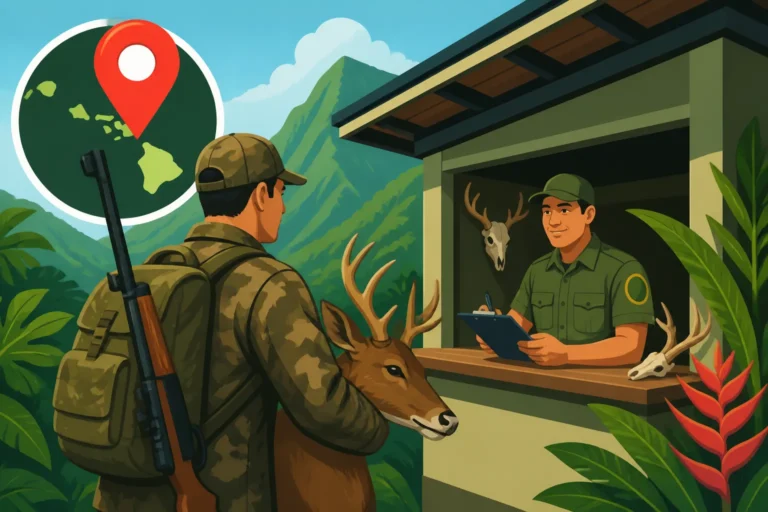
Like many Hawaii hunting units, Kapapala requires hunters to check in and out. This isn't just a formality; it's a critical safety measure and a way for DOFAW to track hunter effort and harvest data, which informs future management decisions. Traditionally, this meant filling out a paper card at a designated hunter check station, often located at the entrance to the unit. However, many units now utilize digital check-in systems, such as the OuterSpatial app. If you're planning a trip, be prepared to use this app; it makes the process much smoother and ensures you're always officially checked in and out. Checking In and Out of Hawaii Hunting Units covers this in more detail. Failing to check out, even if you didn't harvest an animal, can lead to penalties and could impact your ability to hunt in the future.
Permitted Weapons and Safety
Hawaii has specific regulations regarding the types of weapons allowed for hunting different game animals and during different seasons. For Kapapala, generally, rifles, shotguns (with slugs or buckshot for mammals), muzzleloaders, and archery equipment are permissible for pigs and goats, though specific caliber and draw weight minimums apply. Hawaii's Legal Weapons by Season provides comprehensive details. It's crucial to know these rules inside and out before you ever step foot in the unit. Blaze orange is often required in certain seasons or for specific hunts, so always carry it with you and wear it when mandated. Safety is paramount, especially when hunting in rugged terrain where visibility can be limited, and other hunters or ranch personnel might be present. Always identify your target clearly and be aware of your surroundings, especially if you're hunting near fences or active ranching areas.
Effective Hunting Strategies for Kapapala's Diverse Terrain
Hunting in Kapapala isn't a one-size-fits-all endeavor. The area's diverse terrain, from dry, open pastures to dense, wet gulches, demands a flexible and adaptable hunting approach. Understanding the landscape and how game animals utilize it is key to success.
Reading the Landscape and Animal Sign
Start by studying maps of the area, even before you arrive. Topographical maps or digital tools like onX Hunt can reveal critical features: gulches that pigs might frequent for cover and water, ridges where goats might sun themselves, and old roads or fence lines that could serve as travel corridors. Pay close attention to areas where different habitat types converge, as these "edges" are often hotspots for animal activity. Once on the ground, dedicate time to scouting. Look for fresh pig rooting, muddy tracks around water sources, or rubbed trees where boars have marked their territory. For goats, keen eyes might spot droppings on rocky ledges or worn trails leading up steep inclines. The more time you spend simply observing and looking for sign, the better your chances of encountering game. Don't be afraid to Scouting a Hawaii Hunting Unit Before Opening to get a feel for the area.
Tactics for Different Zones
In the lower, drier, more open sections of Kapapala, spot-and-stalk tactics are often most effective. Use binoculars to scan distant hillsides and gulches at first light or last light, when animals are more likely to be out feeding. Once you spot an animal, plan a careful approach, using terrain features, kiawe bushes, or other vegetation for cover. Remember, the wind in Hawaii can be tricky, especially with thermals shifting as the day heats up or cools down. Always try to hunt with the wind in your favor.
As you move into the denser, often wetter, portions of Kapapala, especially within the gulches and forested areas, still-hunting becomes more viable. This involves moving slowly and quietly through the woods, pausing frequently to listen and scan. Pigs thrive in these thick environments, and you'll often hear them before you see them. Be prepared for close-quarters encounters, and ensure your shooting lanes are clear. If you're hunting pigs with dogs, these dense areas are exactly where they excel at finding and baying game.
The middle elevations often present a mix of both, with open country transitioning into thicker pockets of vegetation. Here, a hybrid approach of glassing followed by slow, methodical movement can work well. Always be mindful of the elevation changes; Hunting Hawaii's High Elevation Alpine Ground will offer different challenges than the lower pastures.
Packing Smart and Staying Hydrated
Hawaii hunting can be physically demanding. The combination of heat, humidity, and rugged terrain means you'll burn through water quickly. Always carry more water than you think you'll need, especially on longer hikes into the unit. Given the varied landscape and potential for long carries, consider what you'll need for Packing Meat Out of a Hawaii Gulch. A good backpack, sturdy boots with excellent ankle support for navigating lava and uneven ground, and appropriate layered clothing are essential. Remember, while the lower elevations can be hot, the higher you climb, the cooler and wetter it can get. Be prepared for sun, rain, and everything in between. Bringing a reliable GPS device, whether a dedicated unit or an app like onX Hunt on your phone (with downloaded maps for no cell service areas), is crucial for staying found and marking important locations.
Kapapala offers a truly authentic Hawaii hunting experience, combining beautiful, rugged landscapes with challenging game animals. By understanding its unique character, respecting its rules, and employing thoughtful hunting strategies, you can have a memorable and successful adventure on the Big Island.
Disclaimer
This article is for general informational purposes only and does not constitute professional advice. Laws, prices and regulations vary by location and change over time. Consult a qualified professional for guidance on your specific situation.