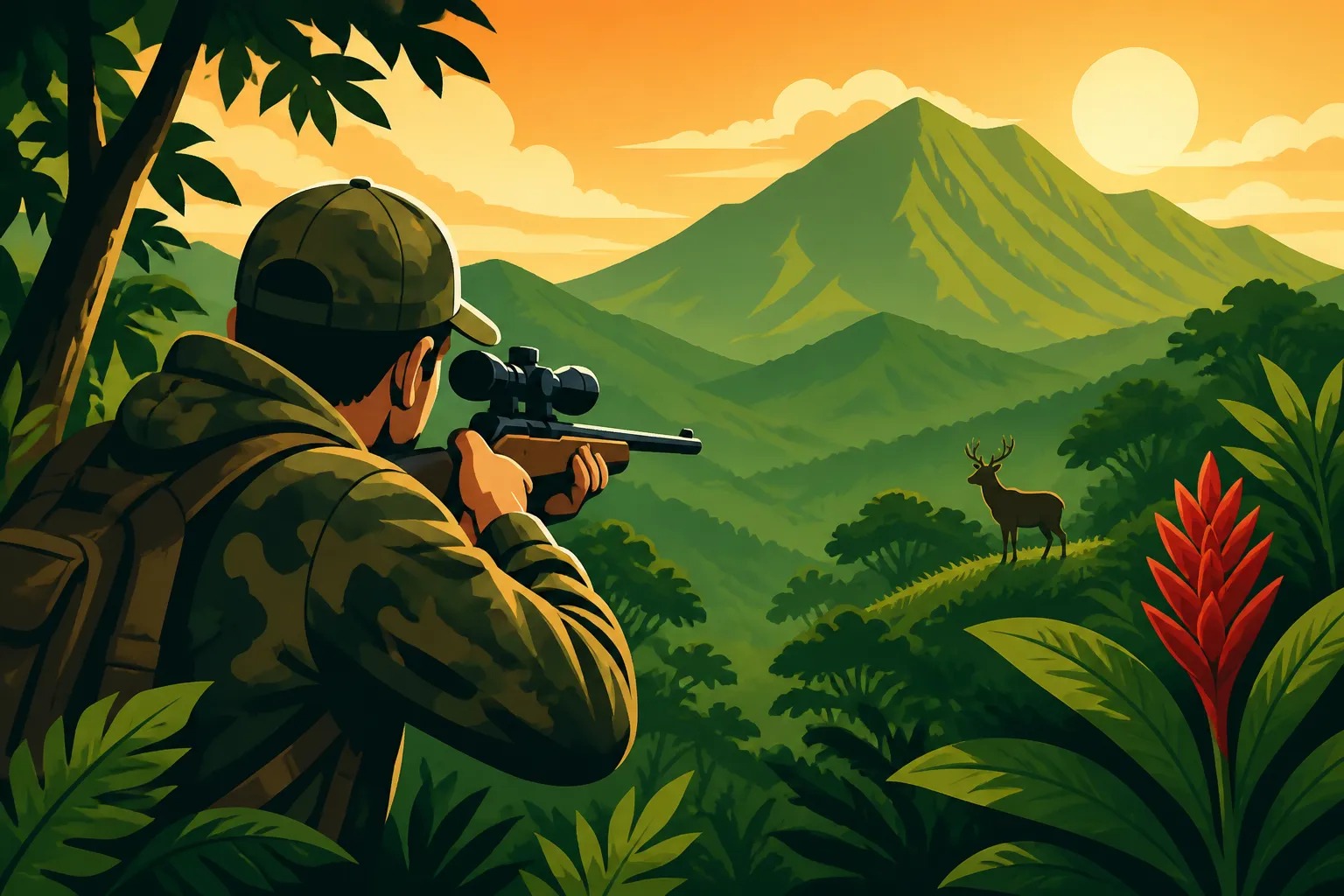
Hunting Makawao Forest Reserve
Hunting in Hawaii can be a truly unique experience, but navigating the specific nuances of each unit and its diverse terrain can feel overwhelming, especially when you're looking at a place like Makawao. It's not just about finding game; it's about understanding the land, the weather, and the regulations that are constantly in play. This guide aims to demystify hunting in the Makawao Forest Reserve on Maui, providing you with actionable insights to prepare for a successful and respectful hunt in this beautiful, challenging environment.
Understanding Makawao Forest Reserve's Unique Landscape
Makawao Forest Reserve, nestled on the slopes of Haleakala on Maui, offers a distinct hunting experience compared to the drier, more open country you might find elsewhere in Hawaii. This isn't your typical kiawe flat or lava flow; we're talking about a lush, often misty, and undeniably dense forest. The elevation here ranges significantly, from around 2,000 feet up to about 5,000 feet, which means you'll encounter a variety of microclimates and vegetation zones.
Topography and Vegetation
The landscape is characterized by rolling hills, steep gulches, and deep valleys carved by centuries of rainfall. You'll find a mix of introduced tree species like eucalyptus, ironwood, and various pine species, alongside patches of native koa and 'ohia forest. This dense canopy, especially in the wetter, higher elevations, creates a shadowed, cool environment that can be a stark contrast to the bright sunshine just a few miles down the road. Walking through these areas, you'll often be pushing through thick undergrowth, navigating downed logs, and contending with slippery, moss-covered terrain. The ground can be uneven, hidden by ferns and vines, making every step an intentional effort. It's a place where you truly need to pay attention to where you're putting your feet. For more on the general landscape, check out Hunting Maui's Upcountry Forest Reserves.
Weather Patterns and Their Impact
Makawao is situated on the windward side of Haleakala's upper slopes, which means it receives a good amount of rainfall throughout the year. While Maui's leeward side might be basking in sunshine, Makawao can often be shrouded in mist or experiencing light rain. This consistent moisture keeps the forest incredibly green and provides ample water sources for game, but it also means hunters need to be prepared for wet, muddy conditions. The frequent rain can make trails slick, blur visibility, and amplify sounds, requiring a different approach to stalking. The thermals can be tricky, too, especially as the sun rises and the air warms, pulling your scent uphill. Conversely, in the evening, the cooler air will drop your scent into the valleys. Understanding these patterns is key to positioning yourself for a successful encounter.
Game Species and Seasons in Makawao Forest Reserve
When you're looking at Makawao, the primary game animals you'll be pursuing are feral pigs and, to a lesser extent, feral goats. Unlike other parts of Maui, or islands like Lanai and Molokai, Axis deer are not typically found in huntable numbers within the main Makawao Forest Reserve hunting areas. This distinction is crucial for setting realistic expectations and planning your hunt.
Feral Pigs: The Main Quarry
Feral pigs are the undisputed kings of Makawao. They thrive in the dense, wet forest environment, with plenty of rooting opportunities and cover. You'll find them throughout the reserve, from the lower elevations near agricultural interfaces up into the higher, more remote sections. These aren't necessarily the huge, tusker boars you might hear about from some dry-side hunts, but Makawao pigs are strong, hardy animals adapted to the steep, thick terrain. Their meat is highly sought after, and pursuing them often involves close-quarters hunting, sometimes with dogs, or careful still-hunting through thick cover. They're a truly challenging and rewarding animal to pursue. For more on what they're like, read Hunting Hawaii's Feral Pigs.
Feral Goats and Seasons
While pigs are the primary focus, feral goats can occasionally be found, especially in the more open, rockier, or steeper gulch systems within or adjacent to the reserve. They prefer areas where they can browse on diverse vegetation and have good vantage points. However, they are not as prevalent or widely distributed as the pigs in Makawao.
Hunting seasons for both pigs and goats in Makawao Forest Reserve are often very liberal, with many units offering year-round hunting on weekends and holidays. However, this isn't a "set it and forget it" situation. Regulations can change, specific areas might close for management, or special archery-only periods could be enacted. It's absolutely critical to check the current rules and regulations for the specific Makawao Forest Reserve unit you intend to hunt. Resources like the Department of Land and Natural Resources (DLNR) Division of Forestry and Wildlife (DOFAW) website are your go-to. I also recommend checking with services like GoHunt for current season summaries, but always cross-reference with the official DOFAW announcements. For a broader overview of Hawaii's hunting calendar, see Hawaii Game Mammal Seasons.
Accessing and Navigating Makawao Forest Reserve
Getting into Makawao Forest Reserve requires a bit of planning, both in terms of permits and knowing your way around. Unlike some of the more remote units on other islands, Makawao is relatively accessible, but "accessible" in Hawaii often still means challenging terrain and potentially rough roads.
Permits and Check-In Procedures
Before you even think about lacing up your boots, you need to ensure you have the proper Hawaii hunting license and any required permit-tags. Makawao typically falls under the general state hunting license, but always verify. Beyond the license, Hawaii employs a check-in and check-out system for public hunting units, and Makawao is no exception. This isn't just a formality; it's a critical safety measure and helps DOFAW track hunter effort and harvest.
You'll need to check in and out of the designated Makawao hunting unit. This is often done electronically using the OuterSpatial app, which many hunters find incredibly convenient. Simply download the app, register, and select your unit. It records your entry and exit times, ensuring accountability. If you're old-school, some units may still have physical check stations or drop boxes, but the app is becoming the standard. Failing to check in or out can result in a citation, and nobody wants that. Ensure you understand the system by reading Checking In and Out of Hawaii Hunting Units and Using the OuterSpatial App to Check In.
Road Access and Parking
Access to Makawao Forest Reserve is generally off of Piiholo Road or Olinda Road, which climb up from Makawao town. These are paved roads for the most part, but as you get closer to the reserve, some access roads or internal tracks can become unpaved, deeply rutted, or very muddy, especially after rain. A 4WD vehicle is highly recommended, if not essential, for navigating some of the more interior access points and for ensuring you don't get stuck. There are designated parking areas, but these can fill up quickly on popular weekend mornings. Always park considerately and ensure you're not blocking any access roads or gates. If you're driving up early in the morning, be mindful of residents who live along these roads.
Essential Navigation Tools
The density of Makawao's forest makes navigation challenging. Trails exist, but they can be overgrown, faint, or crisscrossed by pig trails, making it easy to get disoriented. GPS is not just a luxury here; it's a necessity. A reliable GPS unit or a smartphone with a mapping app like onX Hunt is invaluable. The onX Hunt app, for instance, provides detailed topographical maps, unit boundaries, property lines, and tracks your movement, helping you stay found and within legal hunting areas. It's a game-changer for navigating complex terrain like Makawao. Make sure your device is fully charged, and consider carrying a portable power bank. Always tell someone your hunt plan and expected return time. For more on navigating boundaries, refer to Reading a Hawaii Unit Boundary Map.
Tactics and Tips for a Successful Makawao Hunt
Hunting Makawao Forest Reserve isn't about covering vast distances with binoculars. It's a much more intimate, slow-paced affair that demands patience, keen observation, and an understanding of pig behavior in dense cover.
Still-Hunting and Scouting for Sign
Given the thick vegetation, still-hunting is perhaps your most effective tactic. This involves moving incredibly slowly, pausing frequently, and using your ears as much as your eyes. Pigs are constantly rooting, moving through the brush, and feeding, so listening for rustling leaves, grunts, or even the distinct sound of a pig tearing at roots can lead you to them. Focus on areas with fresh rooting, tracks, or recent scat. Look for trails – pigs create surprisingly well-defined trails through the dense undergrowth. These trails often lead between bedding areas, feeding grounds, and water sources. Scouting these trails beforehand, even for a short hike, can give you a significant advantage. Still-Hunting Pigs in Hawaii's Wet Forest provides excellent techniques that apply directly to Makawao.
Hunting the Gulches and Water Sources
Makawao is riddled with gulches and ravines, and these natural features act as highways and sanctuaries for pigs. They'll often bed down in the bottoms of these gulches, especially in the thicker, wetter sections, seeking shade and security. During drier spells, water sources like small streams or muddy wallows become magnets for pigs. Hunting along the edges of these gulches, being mindful of wind currents swirling down and up the slopes, can be highly productive. Approach these areas slowly and quietly, often from above, to gain a visual advantage. Hunting Pigs in Hawaii's Rainforest Gulches offers more insights into this specific strategy.
Essential Gear for Makawao's Conditions
Your gear choices can make or break a Makawao hunt. The constant moisture, uneven terrain, and dense cover demand specific items:
- Rain Gear: A good quality, quiet rain jacket and pants are non-negotiable. You will get rained on.
- Waterproof Boots: Invest in sturdy, waterproof boots with excellent ankle support and aggressive tread. The trails are slippery, and you'll be crossing wet, uneven ground. Consider something designed for muddy, wet conditions. Boots for Hawaii Lava and Wet Forest offers great advice.
- Navigation: As mentioned, GPS (onX Hunt is a great option here) or a compass and map are vital.
- Hydration: Even on cool, misty days, hiking through dense forest is strenuous. Carry plenty of water.
- First-Aid Kit: This should be standard for any hunt, but especially in remote, slippery terrain where falls are possible.
- Headlamp: For early morning starts or unexpected late finishes.
- Cutting Tools: A good knife for field dressing, and potentially a machete or robust fixed blade for clearing light brush on pig trails if necessary (check unit rules on vegetation cutting).
- Weapon: Rifle, shotgun, bow, or spear, depending on your preference and the specific unit's regulations. Be familiar with Hawaii's Legal Weapons by Season for big game.
| Item Type | Recommended for Makawao Forest Reserve | Why It's Important |
|---|---|---|
| Footwear | Waterproof, high-ankle support hunting boots with aggressive lugs | Mud, slippery roots, uneven ground, protecting against cuts and sprains |
| Outerwear | Quiet, waterproof, breathable rain jacket and pants | Frequent rain, dense wet vegetation, staying dry and comfortable |
| Navigation | GPS device or smartphone with mapping app (e.g., onX Hunt) + power bank | Dense canopy can disorient, faint trails, staying within boundaries |
| Cutting Tool | Sharp hunting knife (fixed blade recommended) and small bone saw (optional) | Field dressing, clearing small obstacles, general utility |
| Hydration | Hydration pack or water bottles (2-3 liters minimum) | Strenuous hiking, humidity, preventing dehydration |
| First Aid | Compact first-aid kit with bandages, antiseptic, pain relievers | Slips, falls, minor cuts, insect bites |
| Lighting | Headlamp with extra batteries | Early morning entries, late exits, navigating dense forest in low light |
| Communication | Whistle, fully charged phone (for OuterSpatial and emergencies if signal exists), personal locator beacon (PLB) for remote areas | Emergency signaling, check-in/out, communicating with hunting partners |
| Scent Control | Minimal scent clothing/sprays (optional but helpful) | Pigs have an excellent sense of smell, especially in still-hunting scenarios |
Post-Harvest Considerations in Makawao's Climate
Once you've successfully harvested an animal, the work isn't over. Hawaii's tropical climate means meat can spoil quickly, and Makawao's humidity only accelerates this. Rapid field dressing and cooling are paramount. Get the guts out immediately, and if possible, quarter the animal to allow for better air circulation. Carrying game bags specifically designed for warm weather can help protect the meat from flies and debris while allowing it to breathe. Plan your extraction route carefully; dragging a pig out of a steep, muddy gulch is incredibly hard work. You might consider packing it out in sections if the terrain is particularly challenging. For more on meat care in Hawaii's heat, look up Field Dressing Axis Deer in Hawaii Heat, which provides applicable advice for pigs as well.
Hunting Makawao Forest Reserve offers a raw, primal experience. It's a test of patience, endurance, and woodsmanship, but the rewards are truly satisfying. Remember to respect the land, follow the rules, and always prioritize safety. Good luck on your next Makawao adventure!
Disclaimer
This article is for general informational purposes only and does not constitute professional advice. Laws, prices and regulations vary by location and change over time. Consult a qualified professional for guidance on your specific situation.