Best Hawaii Public Ground for Pigs
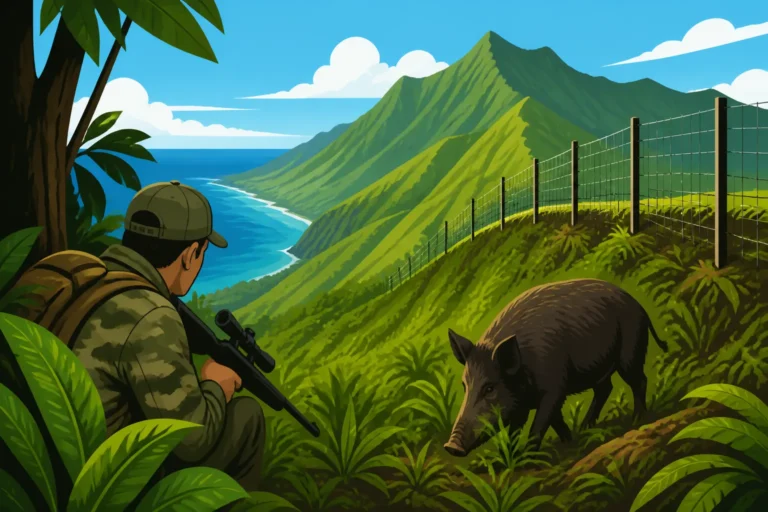
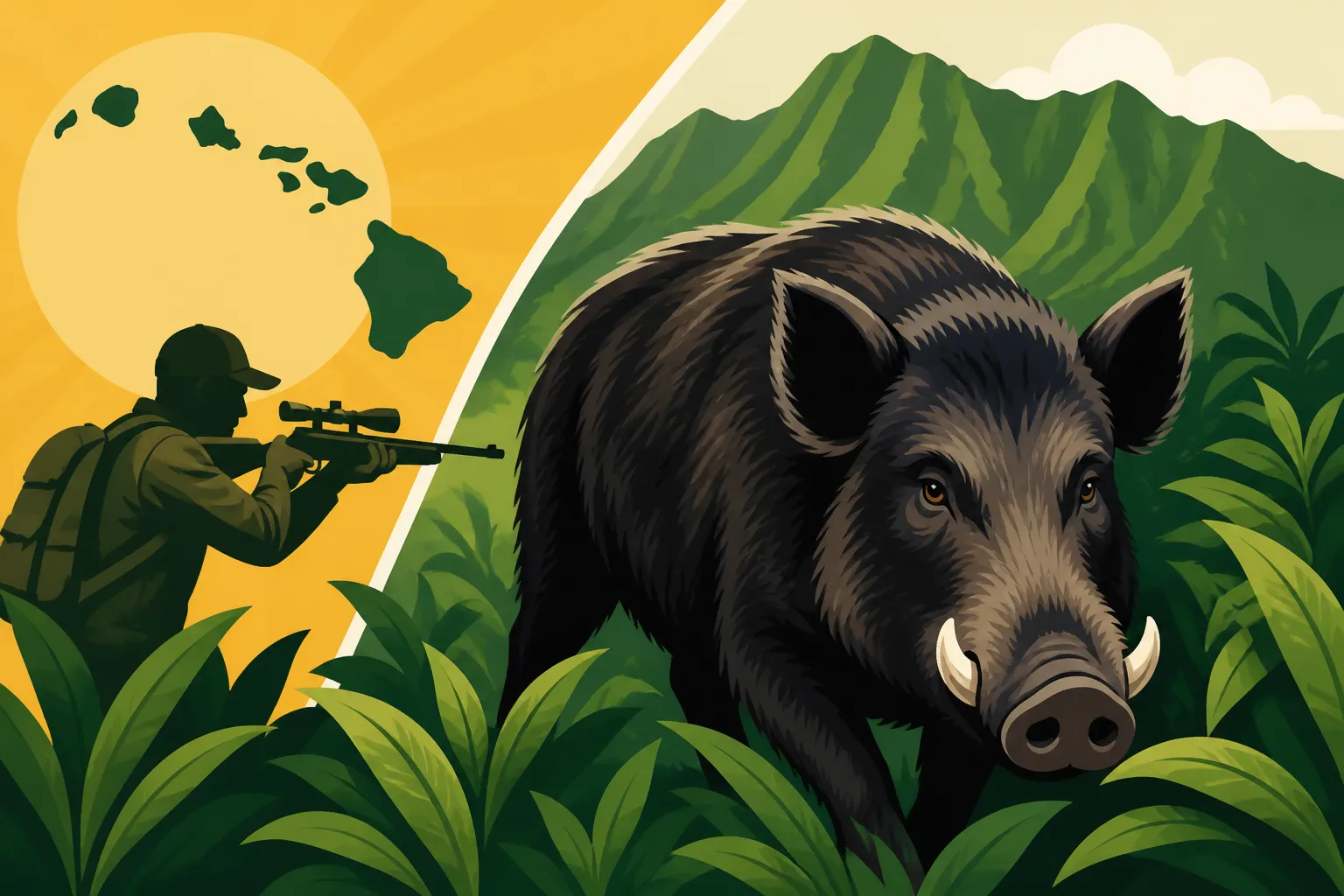
Hunting pigs in Hawaii can be an incredibly rewarding experience, but let's be real: finding consistent success on public land here is often a huge challenge. The terrain is brutal, the pigs are nomadic, and knowing where to even begin your hunt can feel like trying to find a needle in a haystack made of lava rock and tangled guava thickets. This guide is here to cut through that frustration, highlighting some of the most reliable public hunting grounds across the islands where you have a genuine shot at finding Hawaii's elusive feral pigs.
Hawaii Island's Prime Pig Habitats
The Big Island, Hawai'i, offers some of the most extensive and diverse public hunting lands in the archipelago, and with that comes a wide range of habitats perfect for feral pigs. You’ll find everything from dense, wet rainforests to drier, more open kipukas. The sheer size of the island means that hunting pressure can be spread out, but it also means you need to know where to focus your efforts.
The Wet Windward Forests
When people think of pigs in Hawaii, often they picture them in the thick, wet forests of the windward sides of the islands. On the Big Island, this means areas like the Hilo Forest Reserve or the Waiakea Forest Reserve. These units are characterized by incredibly dense vegetation—think a mix of ʻōhiʻa, hāpuʻu ferns, and invasive species like strawberry guava and clidemia that form an almost impenetrable canopy and understory. Pigs thrive here because of the constant moisture, abundant food sources, and the cover these thickets provide. They love rooting around for fallen fruit, tubers, and invertebrates. You'll often find them along old logging roads, stream beds, or anywhere the canopy opens up a bit, allowing more sunlight and thus more forage to grow. Hunting Hilo Forest Reserve Country often involves navigating through these challenging conditions.
Hunting these areas is physically demanding and usually favors dog hunting, where the dogs can penetrate the thick cover and bay a pig, allowing the hunter to move in. For those without dogs, still-hunting slowly and meticulously along pig trails, especially early in the morning or late in the evening, can be productive. The rain and humidity can make it tough, but the pigs are there, and often quite large. Be prepared for mud, steep gulches, and the constant sound of water dripping around you. Still-Hunting Pigs in Hawaii's Wet Forest is a true test of patience and stealth in these environments.
Mauna Kea's Lower Slopes and Kipukas
Shifting from the wet side, the lower and mid-elevation slopes of Mauna Kea present a different, but equally productive, pig hunting landscape. Specifically, areas within the Mauna Kea Forest Reserve, especially where it transitions from drier grasslands into mixed koa and ʻōhiʻa forests, can hold good numbers of pigs. What makes these areas interesting are the "kipukas"—islands of forest surrounded by lava flows. These kipukas often act as sanctuaries for pigs, providing food, water, and cover in an otherwise more open environment. Pigs use these areas as bedding grounds and foraging spots before venturing out into adjacent areas.
Hunting here might involve more glassing and spotting, especially in the transition zones where the vegetation is less dense. However, once you locate pig activity, be ready to dive into surprisingly thick pockets of growth within those kipukas or deeper into the forest. These pigs can get quite large, especially the older boars who have learned to be wary. Scouting with an app like onX Hunt to identify these unique kipuka features and potential travel corridors between them can give you a significant advantage. It helps immensely to understand Hunting a Hawaii Lava Kipuka if you plan to hunt these unique Big Island spots.
The Kau and Puna Districts
Venturing to the southern and southeastern parts of the Big Island, the Kau and Puna districts also hold substantial pig populations on public lands. The terrain here can be a mix of younger and older lava flows, interspersed with forest reserves and private lands where pigs often commute. The Kau Forest Reserve, for instance, offers diverse habitats from wet to relatively dry. In Puna, you'll find extensive areas of introduced forests, like those dominated by eucalyptus or albizia, which provide excellent cover and forage.
Hunters often find success here by focusing on areas with mixed vegetation, particularly where pigs can move between different food sources throughout the year. Look for signs of rooting along forest edges, near old lava tubes, or around any water sources, which can be scarce in some drier parts of Kau. These areas can be very remote and require significant hiking, often over uneven lava rock and through dense secondary growth. Understanding Reading Pig Sign Along a Muddy Trail becomes crucial here, as fresh tracks and rooting will guide your way through otherwise indistinguishable landscapes.
Maui's Public Land Pig Opportunities
Maui, known for its stunning beaches and Haleakala volcano, also boasts robust populations of feral pigs, particularly in its extensive public forest reserves. While not as vast as the Big Island, Maui’s public lands offer fantastic pig hunting, often with challenging terrain that keeps the hunting pressure somewhat dispersed.
East Maui's Lush Gulches
The eastern, windward side of Maui is dominated by the slopes of Haleakala, deeply cut by numerous gulches and valleys that run down to the coast. Areas like the Hana Forest Reserve or the Kipahulu Forest Reserve are classic pig country. These gulches are often filled with dense, wet vegetation—think bamboo forests, thick stands of strawberry guava, and native ʻōhiʻa. Pigs use these gulches as highways, moving up and down to feed on roots, fallen fruits, and insects. The constant moisture ensures a steady food supply, and the steep, rugged terrain provides excellent escape cover. Hunting Pigs in Hawaii's Rainforest Gulches is a perfect description of the challenging, yet rewarding, hunting you'll find here.
Hunting these gulches requires extreme caution and physical fitness. The footing can be treacherous, and the vegetation can be so thick that visibility is measured in feet, not yards. Often, hunters will work a gulch system, with dogs or by carefully still-hunting, trying to intersect pigs moving between feeding areas or bedding down in the dense cover. Access points can be limited, so diligent scouting and route planning are essential.
West Maui's Forest Reserves
Moving to the western side of the island, the West Maui Forest Reserve provides another distinct environment for pig hunting. While still featuring wet areas, this side can also have drier, more open ridges interspersed with dense pockets of vegetation in the valleys and drainage systems. The West Maui mountains are characterized by steep, eroded slopes and deep canyons, which again create perfect hideouts for pigs.
Hunters often focus on the edges where different vegetation types meet, or along established pig trails that crisscross the slopes. Early morning and late evening hunts are often most productive as pigs move from bedding areas to feed. The challenge here is the verticality of the terrain; what looks like a short distance on a map can be a grueling climb or descent. Utilizing a mapping tool like onX Hunt can be invaluable for understanding the contours and planning your approach and, more importantly, your extraction route. Remember, getting a pig out of a steep Maui gulch can be as hard as finding it! Getting a Pig Out of a Hawaii Gulch is no small feat and requires careful planning.
Oahu and Kauai: Lesser-Known Pig Hunting Gems
While the Big Island and Maui often grab the spotlight for big game, Oahu and Kauai offer fantastic, albeit sometimes more localized, pig hunting opportunities on their public lands. Don't underestimate these islands; their pigs are just as wily and delicious.
Oahu's Waianae and Ewa Reserves
Oahu, despite being the most populated island, still has significant public hunting areas where feral pigs thrive. The Waianae Kai Forest Reserve and the Ewa Forest Reserve on the leeward (western) side of the island are prime examples. These areas are generally drier than the windward sides of other islands, characterized by kiawe forests, dry grasslands, and deep gulches. Pigs here have adapted to the drier conditions, often concentrating around limited water sources or feeding on kiawe pods when they drop. Hunting Oahu's Public Ridges can be a productive strategy in these more open, ridge-and-gulch systems.
Hunting on Oahu's public lands often means dealing with more pressure due to the larger population, so understanding pig movement patterns becomes even more critical. Early mornings and late evenings are key, and being able to access more remote sections away from easy road access can make all the difference. Pig dog hunting is very popular here, allowing hunters to cover more ground and extract pigs from the dense cover found in the gulches.
Kauai's Steep and Rugged Interior
Kauai, the "Garden Isle," offers some of the most rugged and least accessible terrain in Hawaii, making it a fantastic, if challenging, destination for pig hunters. The Na Pali-Kona Forest Reserve and the Kekaha Game Management Area are expansive and hold good numbers of pigs. These areas feature incredibly steep cliffs, deep canyons, and a mix of wet and dry forests, often with dense undergrowth. Pigs are abundant in these secluded valleys and along the canyon rims, where they can find food and refuge from human activity.
Hunting Kauai often involves long, strenuous hikes and a good head for heights. The pigs here are wild and often large, living in an environment that naturally protects them. Still-hunting the edges of canyons and following trails into the dense forest pockets can be productive. For those willing to put in the effort, the reward is a truly wild pig in a breathtaking landscape. Hunting Kauai's Kekaha Unit is a prime example of the kind of challenging, yet rewarding, pig hunting available.
| Island | Primary Habitat Types | Recommended Hunting Method | Typical Challenges |
|---|---|---|---|
| Hawaii Island | Wet Rainforest, Lava Kipukas, Mixed Forest | Dog Hunting, Still-hunting | Dense vegetation, remote access, variable terrain |
| Maui | Steep Gulches, Forest Reserves | Dog Hunting, Still-hunting | Extreme elevation changes, dense cover, limited access |
| Oahu | Dry Kiawe Forests, Gulches, Ridges | Dog Hunting, Still-hunting | Higher pressure, steep terrain, limited water |
| Kauai | Rugged Canyons, Steep Cliffs, Interior Forests | Still-hunting, Dog Hunting | Extreme terrain, remoteness, physical demand |
Tactics for Success in Hawaii's Pig Country
Regardless of which island you choose to hunt, understanding pig behavior and being prepared for Hawaii's unique conditions will significantly increase your chances of success. Pigs are intelligent, adaptable creatures, and the local terrain demands specific strategies.
Reading Pig Sign and Movement Patterns
Pigs are creatures of habit, and learning to read their sign is paramount. Look for fresh rooting, where they've dug up the ground searching for tubers, roots, and insects. Fresh tracks in mud or soft earth are excellent indicators, telling you not only that pigs are present but also their direction of travel and approximate size. Wallows, muddy depressions where pigs roll to cool off and remove parasites, are also key indicators, especially in drier areas or during warmer parts of the day. Rubs on trees, where pigs scratch themselves, can also indicate active areas. Pay attention to how the sign moves between different food sources, water, and bedding areas. Pigs often travel well-worn trails, connecting these vital resources. By observing Reading Pig Sign Along a Muddy Trail, you're essentially reading the daily newspaper of the local pig population.
Beyond fresh sign, understanding the general movement patterns of pigs in a given area is vital. Are they feeding heavily on seasonal fruits? Are they concentrated near a reliable water source during a dry spell? Do they move from dense bedding cover in gulches out to more open feeding areas at dawn and dusk? Pigs are also very sensitive to human pressure; in heavily hunted areas, they often become primarily nocturnal. Adjusting your hunt times and focusing on their escape routes or secure bedding areas will be more productive.
Essential Gear for Hawaii Pig Hunts
Hawaii's challenging terrain and climate demand specific gear. First and foremost, sturdy, waterproof hiking boots with excellent ankle support are non-negotiable. You'll be traversing everything from sharp lava rock to slick, muddy slopes and dense vegetation. Proper rain gear is also crucial, especially on the windward sides, where sudden downpours are common. Even if the forecast is clear, localized showers can pop up out of nowhere.
A good quality backpack capable of carrying water, snacks, first-aid, navigation tools, and hopefully, some pig meat, is essential. Hydration is key; carry more water than you think you'll need, especially on hot days or in remote areas where water sources are scarce or unreliable. Navigation is paramount, and a reliable GPS device or a smartphone app like onX Hunt is a lifesaver. Cell service is often nonexistent in the backcountry, so ensure your maps are downloaded for offline use. Finally, if you're planning on taking a pig, consider how you'll field dress it and pack out the meat. This often means bringing game bags, a sharp knife, and being prepared to cool the meat quickly in Hawaii's heat and humidity. Field Care in Hawaii's Heat and Humidity is a critical skill to master to ensure your hard-earned meat doesn't spoil.
Disclaimer
This article is for general informational purposes only and does not constitute professional advice. Laws, prices and regulations vary by location and change over time. Consult a qualified professional for guidance on your specific situation.