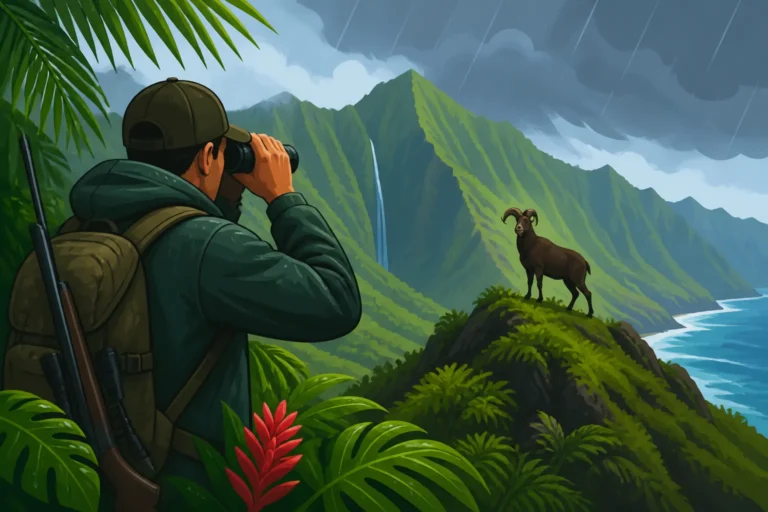
Best Hawaii Public Ground for Axis Deer
Finding a prime spot for Axis deer on Hawaii's public lands can feel like searching for a needle in a vast, volcanic haystack. These beautiful, wily creatures thrive in specific environments, and not every public hunting unit is created equal when it comes to consistently finding them. This guide aims to cut through the confusion, offering a deep dive into where you're most likely to encounter Axis deer on public ground and how to maximize your chances for a successful hunt across the islands.
Where Do Axis Deer Thrive on Public Land? Understanding Habitat
Before we even talk about specific units, it’s crucial to understand why certain areas hold more Axis deer than others. These animals aren't just roaming everywhere; they have distinct preferences that dictate their movements and population densities. If you can read the land and identify these key features, you're already a step ahead of many hunters. It’s all about putting yourself in their hooves, so to speak.
Dry Leeward Slopes and Kiawe Forests
Axis deer absolutely flourish in the dry, leeward (downwind) sides of the islands, particularly where kiawe forests dominate the landscape. This isn't just a coincidence; kiawe trees, with their thorny branches and prolific pods, provide both excellent cover and a consistent food source for Axis deer, especially during drier periods. The deer will browse on the leaves and eagerly consume the protein-rich pods that drop throughout the year.
Think about it from a deer's perspective: abundant food, dense cover for bedding and escaping the mid-day sun, and often, less dense undergrowth compared to the wet, windward rainforests, making movement easier. These dry zones also tend to have less human population density and development, leaving more undisturbed habitat. When you're scouting maps or on the ground, look for these specific characteristics—open areas bordering dense kiawe, especially if they're near historical agricultural lands or ranching country. These edges are often prime feeding grounds at dawn and dusk. Hunting a Kiawe Flat for Axis Deer is a skill worth developing for these areas.
Access to Water Sources
In Hawaii's often arid leeward environments, water is a critical limiting factor for all wildlife, and Axis deer are no exception. While they can go for extended periods without drinking free water, relying on dew and moisture from plants, regular access to reliable water sources will concentrate them. This makes natural springs, seepages, old stock ponds, and even temporary puddles formed after rain absolute magnets for deer activity.
These water sources become even more vital during prolonged dry spells. Deer will travel significant distances to drink, creating well-worn trails leading to and from these spots. Identifying these crucial watering holes on a map, or better yet, finding them during scouting, can provide an incredible advantage. Sometimes, a unit might not look "deer-y" at first glance, but if it has that one hidden spring, it could be holding a lot of game. Pay close attention to these areas, especially during the hotter parts of the day when deer might come in to drink. Hunting a Water Source in Dry Hawaii Country can be incredibly productive.
Varied Terrain with Openings and Cover
The best public Axis deer grounds in Hawaii typically aren't vast, monotonous forests. Instead, they feature a mosaic of open grasslands, scattered kiawe or scrub brush, and deeper pockets of denser forest or gulches. This varied topography allows Axis deer to utilize different parts of their habitat for different needs: open areas for feeding and observation, dense cover for bedding and security, and gulches or ridges for travel and escape.
Imagine glassing a vast, rolling hillside with scattered trees and then noticing a deep, brushy gulch running through it. The deer might be feeding on the hillside in the early morning, then disappearing into the gulch as the sun climbs higher. These natural transitions, or "edge habitats," are where you'll often find the most consistent activity. Understanding these patterns and how deer use the terrain will greatly improve your chances. It’s not just about finding deer; it’s about anticipating their movements based on the habitat available. Spot-and-Stalk Axis Deer in Hawaii often relies on this understanding of varied terrain.
Top Public Hunting Units for Axis Deer in Hawaii
When it comes to public hunting for Axis deer, a few islands stand out, each with its own character and challenges. While these animals are now largely concentrated on Maui, Molokai, and Lanai, public access varies considerably. It’s important to manage expectations, as public land hunts often require more effort, patience, and adaptability than guided private land excursions.
Maui's Public Upcountry Units
Maui is arguably the epicenter of Axis deer in Hawaii, and while much of the best habitat is on private ranch land, there are crucial public opportunities, particularly in the upcountry regions of Haleakala. Units like Kula Forest Reserve and parts of the Polipoli Spring State Recreation Area offer access, though they differ significantly from the classic dry kiawe flats. These units tend to be higher in elevation, with more diverse vegetation ranging from eucalyptus and pine plantations to native koa and mamane forests.
Hunting here often involves navigating steeper, sometimes very brushy terrain. You'll likely be dealing with cooler temperatures, and the deer might be spread out, making glassing in open areas a bit more challenging than on lower, drier lands. However, these units do hold Axis deer, and some impressive bucks have been harvested here. Access can be challenging, often requiring 4WD, and the deer might be found along forest edges, in transition zones between different forest types, or utilizing small pockets of open pasture within the larger forest. Patience and thorough scouting, possibly using an app like onX Hunt to understand the land boundaries and topography, are key. Hunting Maui's Upcountry Forest Reserves requires specific tactics.
Molokai's Public Lands
Molokai is renowned for its big-bodied Axis bucks, and while private land holds the highest concentrations, there are public units available that offer a chance at these impressive animals. Public hunting areas on Molokai often encompass rugged, dry country on the west end and parts of the central plains, mimicking the preferred Axis deer habitat of kiawe and open grasslands. These units demand physical fitness and a willingness to cover a lot of ground.
Access to Molokai's public units can sometimes involve crossing private lands via designated easements or requires careful navigation of remote roads. Hunters often find themselves glassing vast open slopes at first light, looking for feeding deer before they bed down in the kiawe thickets. Water sources are critical here, and deer will move between bedding cover and water throughout the day. The sheer vastness and dryness can be deceptive, as deer may appear and disappear as if by magic. Securing your Molokai Permit-Tag Requirements well in advance is essential, as these hunts are highly sought after.
Lanai's Public Drawn Hunt Areas
Lanai is another island famous for its Axis deer, boasting healthy populations. However, public hunting on Lanai is unique because it's almost exclusively managed through a lottery-based drawn hunt system. When you successfully draw a tag for one of Lanai's public units, you gain access to some of the best Axis deer habitat available anywhere, public or private. These units are often characterized by rolling hills, open grasslands, and kiawe forests, providing ideal conditions for Axis deer.
The drawn hunts on Lanai are incredibly popular, and for good reason. Success rates can be high for those who put in the effort. Hunters here often employ spot-and-stalk tactics, glassing large areas and then making calculated approaches. The island's open terrain can make this challenging, as deer have keen eyesight and excellent senses of smell. Understanding How the Lanai Axis Deer Draw Works and applying strategically is your first step. Once you have a tag, focus on Glassing Lanai's Open Ridgelines and utilizing the cover features for your approach.
Here's a quick comparison of general characteristics for these key public Axis deer hunting areas:
| Island | Primary Public Units | Terrain Type | Typical Access | Special Considerations |
|---|---|---|---|---|
| Maui | Kula Forest Reserve, Polipoli | High elevation, eucalyptus, pine, koa forest, steep | 4WD often required, rough roads | Cooler weather, more dispersed deer, thicker cover for stalking |
| Molokai | West End Public Lands, Central Plains | Dry, kiawe flats, open slopes, brushy gulches | 4WD recommended, remote areas | Can hold very large bucks, water sources are key, physical demand |
| Lanai | Designated Drawn Hunt Units | Rolling hills, kiawe, open grasslands, canyons | 4WD usually needed, specific unit entry | Lottery draw required, high deer density in good years, excellent spot-and-stalk |
Strategies for Success in Hawaii's Public Axis Deer Units
Hunting Axis deer on public land in Hawaii means you'll likely face more pressure and potentially more challenging terrain than on a private ranch. But with the right strategies, success is absolutely within reach. It’s about being smart, patient, and prepared to adapt to the conditions on the ground.
Early Morning and Late Evening Scouting and Glassing
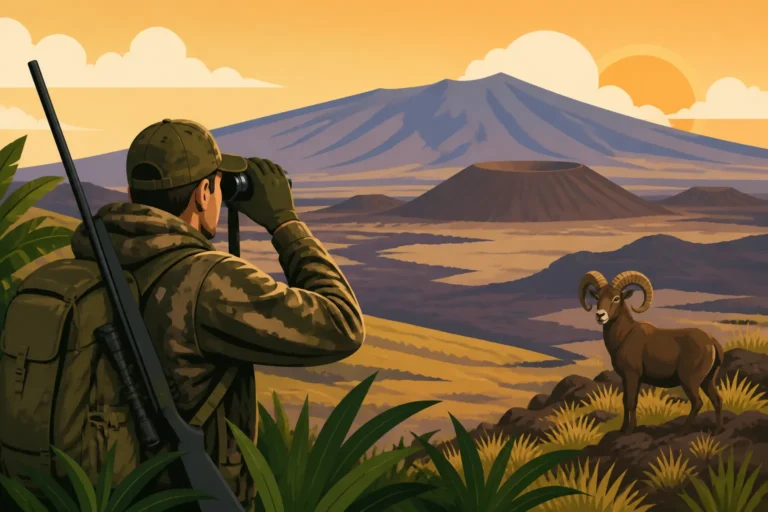
Axis deer are most active during the cooler hours of the day, primarily at dawn and dusk. This is when they move out of their bedding areas to feed in more open spaces. Therefore, your best opportunity to locate them is by being in position before first light and staying until the last rays of sun disappear. Get to your vantage point early, set up your optics, and systematically glass the terrain. Don't just scan; grid the area slowly, looking for movement, flicking ears, or the distinct cream-colored hide of an Axis deer against the darker foliage.
During the middle of the day, when the sun is high and hot, Axis deer typically retreat to dense cover for bedding. This doesn't mean you should stop hunting, but your tactics will shift from observation to more deliberate still-hunting or checking known bedding areas. Keep your eyes peeled for Reading Axis Deer Sign in Dry Country such as fresh tracks, droppings, and browse lines that indicate recent activity. Remember, the early bird truly gets the worm, or in this case, the Axis deer. Hunting Axis Deer at First Light in Hawaii is paramount.
Utilizing Wind and Thermals to Your Advantage
Hawaii's unique island topography creates complex wind patterns and thermals, which can make or break a hunt. The trade winds are generally consistent, blowing from the northeast, but local topography—valleys, ridges, gulches, and volcanic cones—can drastically alter these patterns, especially in the mornings and evenings. As the sun warms the earth, thermals rise; as it cools, they fall. Understanding these micro-climates is vital because Axis deer have an incredible sense of smell.
Always try to hunt with the wind in your face or across your body, ensuring your scent is carried away from the area you're approaching. This might mean taking a longer, more circuitous route to get to a vantage point or to stalk a bedded animal. Pay attention to swirling winds in gulches or dense forest. A small bit of dental floss or a powder bottle can be your best friend to constantly check the wind direction. Ignoring the wind is a sure way to spook deer before you even know they're there. Hunting Downwind in Hawaii's Shifting Thermals is a skill you'll quickly learn.
Patience and Persistence in Difficult Terrain
Public hunting on Hawaii's steep, often brushy, and sometimes unforgiving terrain is not for the faint of heart. You're going to encounter sharp lava rock, dense tangles of haole koa and kiawe, and energy-sapping hills. Patience and persistence aren't just virtues here; they are necessities. Don't get discouraged if you don't see deer right away. Axis deer are masters of camouflage, and they can stand motionless for long periods, seemingly disappearing into the landscape.
You might need to cover many miles on foot, make multiple stalks, or sit and glass for hours to be successful. Be prepared for long days and know your physical limits. Focus on breaking down large areas into smaller, manageable sections. If one area isn't producing, don't be afraid to relocate to another promising spot, especially if you've done your homework and identified multiple potential areas. Every step, every glassing session, every moment spent in the field is part of the learning process that will eventually lead to success. Walking Rough Lava Without Wrecking Your Boots is a real concern.
Essential Prep for Your Public Axis Deer Hunt
A successful public land Axis deer hunt in Hawaii starts long before you ever step foot in the field. Careful planning and preparation are non-negotiable, especially when dealing with the unique regulations, logistics, and environmental challenges of the islands.
Understanding Licenses, Permits, and Regulations
Hawaii has specific requirements for hunting licenses and permit-tags, and these can vary by island and even by unit. First and foremost, you'll need a valid Hawaii hunting license. For some big game animals, like Axis deer on certain islands, you'll also need a separate permit-tag, often acquired through a lottery system or purchased directly. Always check the current regulations with the Hawaii Department of Land and Natural Resources (DLNR), Division of Forestry and Wildlife (DOFAW) well in advance of your trip. Websites like GoHunt or the official DLNR site are invaluable for this.
It's critical to know the season dates, bag limits, and legal hunting methods for your chosen unit. For example, some units might only allow archery, while others permit rifle hunting during specific windows. You’ll also need to understand the check-in and check-out procedures for public hunting units, which are typically done via physical stations or the OuterSpatial app. Failing to adhere to these rules can result in fines or loss of hunting privileges. Hawaii Hunting Licenses and What They Cost and How Hawaii's Permit-Tag System Works are fundamental pieces of information you need to acquire.
Gear Up for Hawaii's Unique Terrain and Climate
Hawaii's hunting environments are unlike almost anywhere else. You'll encounter a mix of sharp volcanic rock, potentially dense and wet jungle, arid kiawe flats, and steep gulches. Your gear needs to be up to the task. High-quality, broken-in hiking boots with good ankle support are absolutely essential, as are durable hunting pants that can withstand thorns and rough brush. Don't skimp on a good backpack to carry water, food, first-aid, and game meat.
Hydration is paramount, even in cooler elevations; carry more water than you think you'll need, or a reliable water filter. Optics are your best friend for glassing the expansive terrain – a good pair of binoculars (10x or 12x) and a spotting scope if you're hunting open country. Depending on your chosen weapon, ensure it's sighted in and in good working order. Don't forget sun protection – hat, sunglasses, and sunscreen – and lightweight rain gear, as sudden showers can occur even on the dry side. And for navigating, a GPS device or a robust mapping app like onX Hunt, loaded with public land boundaries and topographical maps, is indispensable. Boots for Hawaii Lava and Wet Forest are not to be underestimated.
Physical Conditioning and Mental Preparedness
Hunting Axis deer on public land in Hawaii can be incredibly physically demanding. The terrain is often rugged, steep, and requires significant hiking, sometimes with a heavy pack if you’re successful. Don't underestimate the heat and humidity, which can be draining, especially if you're not accustomed to tropical climates. Begin a consistent exercise regimen months before your hunt, focusing on cardiovascular endurance, leg strength, and hiking with a weighted pack.
Beyond physical fitness, mental preparedness is crucial. Public land hunting requires patience, resilience, and the ability to handle frustration. You might hike all day and not see a single deer. You might make a perfect stalk only for the wind to swirl at the last minute. Being mentally tough, staying positive, and maintaining a problem-solving attitude will significantly impact your overall experience and chances of success. Embrace the challenge, learn from every outing, and enjoy the stunning landscapes Hawaii has to offer, even if the deer aren't cooperating. Water and Heat Planning for a Hawaii Hunt is vital for your safety and comfort.
Disclaimer
This article is for general informational purposes only and does not constitute professional advice. Laws, prices and regulations vary by location and change over time. Consult a qualified professional for guidance on your specific situation.