Hawaii Units With No Shade at All
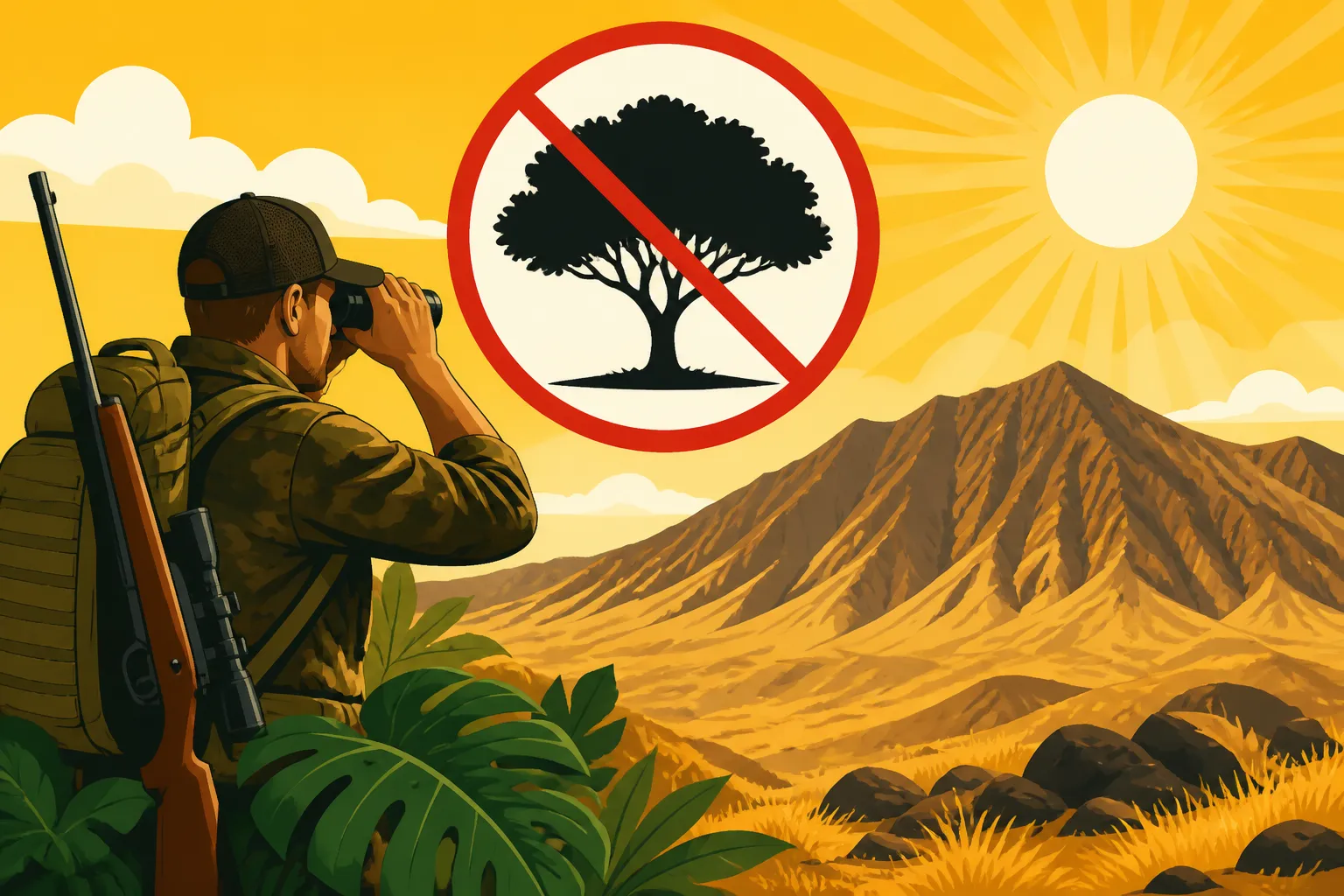
Hunting in Hawaii offers an experience unlike almost anywhere else, with diverse terrains ranging from lush, wet rainforests to expansive, dry, open country. But let me tell you, one of the biggest challenges many hunters face, especially those new to the islands or coming from cooler climates, is dealing with the relentless sun in units that offer absolutely no shade. It can be brutal, truly testing your endurance and patience, but with the right knowledge and preparation, these sun-drenched landscapes can still yield incredible opportunities. This guide is all about helping you understand these exposed units, prepare for their unique demands, and hunt them effectively, keeping you safe and comfortable under the Hawaiian sky.
Understanding Hawaii's Exposed Hunting Terrain
When we talk about "units with no shade," we're not just talking about a clearing in the woods. We're talking about vast, open expanses where the sun beats down from sunrise to sunset with little to no relief. This isn't just uncomfortable; it's a significant factor in how animals behave, how quickly you dehydrate, and how much ground you can realistically cover. You'll find these conditions in various parts of the islands, each with its own flavor of sun exposure.
Dry Leeward Slopes and Kiawe Flats
Many of Hawaii's leeward sides – think the west and south slopes of the islands – are notorious for their arid conditions and sparse vegetation. Here, rainfall is minimal, and the dominant plant life often includes kiawe (mesquite) trees, which, while offering some shade in dense stands, often grow scattered, leaving large areas completely exposed. Imagine miles of dry grassland, rock fields, and red dirt, shimmering under the mid-day sun. These are prime areas for animals like Axis deer, especially on islands like Maui and Lanai. You might glass an incredible buck from a distance, but the stalk across that open, sun-baked landscape can feel like an eternity, with every shadow, no matter how small, becoming a coveted landmark. Hunting Hawaii's Dry Leeward Country will give you an idea of these areas.
These landscapes are often characterized by undulating terrain, subtle rises, and shallow gulches that, while offering brief moments out of direct sight, do little to block the sun's intense rays. The ground itself can be a mix of abrasive lava rock, loose soil, and dry grass, reflecting heat upwards and making every step feel hotter. It's a place where sweat evaporates almost instantly, but the feeling of being cooked lingers. Animals in these areas are acutely aware of the sun, often seeking out any natural depressions or the scant cover offered by larger kiawe clumps during the hottest parts of the day.
High Elevation Alpine and Volcanic Slopes
Then there are the high-elevation zones, particularly on Hawaii Island, where you might be hunting Mouflon sheep or feral goats. Above the tree line, often on the slopes of Mauna Kea or Mauna Loa, shade becomes an alien concept. Here, you're dealing with vast lava flows, cinder cones, and alpine grasslands. The air might be cooler due to elevation, but the sun's UV intensity is significantly higher, and there's nothing but the curve of the earth to block it. It’s an otherworldly landscape, stark and beautiful, but unforgivingly exposed. Hunting Hawaii's High Elevation Alpine Ground is a perfect example of this.
On these volcanic slopes, the ground absorbs and radiates heat, even if the air is crisp. The black lava rock can become incredibly hot underfoot, and the glare off the dark surfaces can be intense. Small pockets of mamane forest or kipukas (islands of vegetation surrounded by lava) might offer temporary relief, but for the most part, you're out in the open. Animals here are often incredibly hardy and used to these extreme conditions, but they will still utilize any thermal cover or micro-terrain features to escape the direct sun, especially during periods of rest. This is where a good mapping app like onX Hunt can show you the subtle contours of the land, helping you identify potential, albeit small, breaks in the sun's direct assault.
Open Pastures and Fallow Fields
Even in more temperate zones, Hawaii has its share of open pastures, old sugar cane lands, macadamia nut orchards, or pineapple fields that, once fallow, offer very little in the way of cover. These agricultural areas, often bordering more forested hunting units, can be excellent for spotting game moving between feeding and bedding areas, particularly feral pigs or even Axis deer on the edges. However, crossing these fields or waiting patiently can expose you to hours of direct sun. The low-lying vegetation or stubble provides no meaningful shade, and the ground can be soft and dusty, kicking up heat.
These open areas are often transitional zones, meaning animals might move through them but prefer to bed in denser cover nearby. However, if you're trying to intercept them during these movements, you'll be doing so in the wide open. Understanding these unit types and acknowledging the inherent lack of shade is the first step in successful planning. It sets the stage for everything else, from your gear choices to your hunting tactics, ensuring you don't underestimate the power of the Hawaiian sun.
Strategic Approaches for Hunting Unshaded Areas
Hunting in Hawaii's sun-drenched units requires a shift in tactics. You can't just stroll out at noon and expect to be comfortable or successful. The animals are smarter than that, and your body will quickly tell you it's a bad idea. Instead, you need to become intimately familiar with the sun's schedule, the animals' habits, and how to use the landscape to your advantage, even when natural shade is almost nonexistent.
Early Mornings and Late Evenings: The Golden Hours
This might sound obvious, but it's absolutely critical in Hawaii's unshaded units. The first few hours after sunrise and the last few before sunset are your absolute best friends. This is when the sun's angle is lowest, the heat is least intense, and animals are most likely to be active, feeding, or moving between bedding areas. Plan your entire day around these windows. This means waking up well before dawn to be in position, and being prepared to stay out until legal shooting light fades.
During these cooler periods, animals feel less pressure from the heat and are more prone to venturing into exposed areas to graze. For instance, Hunting Axis Deer at First Light in Hawaii is a fantastic strategy. You'll often find Axis deer or Mouflon sheep moving along ridgelines or across open flats, trying to catch the first rays or lingering on the last. Your job is to capitalize on this movement. This also means scouting ahead of time, using mapping tools or previous experience to identify travel corridors or preferred feeding spots that animals will use during these times. The middle of the day should be for resting, hydrating, or making slow, strategic movements, rather than active hunting.
Utilizing Micro-Terrain and Natural Features for Concealment
Even in seemingly flat, shadeless country, there are always subtle features you can use. Small depressions, dry gulches, the leeward side of a rise, or even a large boulder can offer momentary visual cover and sometimes, just enough break from the direct sun to regroup. When glassing, look not just for animals, but for these small features that could aid a stalk or provide a place to sit and rest.
For example, when Glassing Lanai's Open Ridgelines, you might notice shallow cuts or slight saddles that Axis deer use. These same features can become your pathways or temporary hides. On lava flows, the undulating surface can create small, localized shadows for short periods, or allow you to stay out of an animal's direct line of sight. It's about thinking three-dimensionally even when the landscape appears two-dimensional. You might crawl from one small rise to the next, using every bit of contour to your advantage. This technique is also crucial for staying cool; even if there's no tree, lying down in a small dip can feel noticeably cooler than standing upright on a scorching flat.
Understanding Animal Behavior in Heat
Animals in these exposed areas are experts at surviving the heat. They'll often bed down early, before the sun gets too high, seeking any form of cover they can find. This could be a dense patch of kiawe, the side of a deep gulch, or simply hunkering down in a slight depression in the ground where a small shadow might fall for an hour or two. They'll minimize movement during the hottest part of the day, conserving energy.
Your strategy should align with this. Instead of busting through thickets in the mid-day sun, consider sitting on a vantage point overlooking potential bedding areas or water sources. Watch for animals as they move from these spots in the late afternoon. Hunting a Water Source in Dry Hawaii Country can be incredibly effective, as animals are forced to eventually come for a drink, especially during dry spells. Be patient. The animals dictate the pace in these conditions, and trying to force it will likely result in a sweaty, unproductive, and potentially dangerous hunt for you. Learning to read the subtle signs of their movement and rest patterns is key to finding success.
Essential Gear and Physical Preparedness for Sun-Drenched Hunts
Hunting in sun-exposed Hawaii units isn't just about tactics; it's about being properly equipped and physically ready. The gear you choose and your personal condition can make the difference between a memorable hunt and a miserable one. Forget what you know about layering for cold weather; here, it's all about managing heat, preventing sunburn, and staying hydrated.
Hydration is Non-Negotiable
Seriously, this cannot be stressed enough. Dehydration is your biggest enemy in unshaded Hawaiian units. You will sweat, a lot, and the dry air or trade winds can make it evaporate so quickly you might not even realize how much fluid you're losing. Carry significantly more water than you think you'll need. A general rule of thumb for strenuous activity in heat is at least one liter per hour, but in Hawaii's extreme conditions, it's often more.
Consider a hydration pack system that allows you to sip continuously without breaking stride or fumbling with bottles. Electrolyte supplements are also crucial to replenish salts lost through sweat, helping to prevent cramps and heat exhaustion. Don't wait until you feel thirsty; sip regularly throughout the day. If you find a spring or water source, know how to filter it safely, but never rely solely on finding natural water unless you've thoroughly scouted it and confirmed it's reliable. Water and Heat Planning for a Hawaii Hunt is an absolute must-read for anyone heading out.
Sun Protection from Head to Toe
With no canopy above, you are directly under the sun's powerful UV rays. Layering up here isn't for warmth, but for protection.
- Headwear: A wide-brimmed hat is far superior to a baseball cap, as it protects your ears and neck from direct sun.
- Clothing: Long-sleeved, lightweight, breathable shirts and pants made from moisture-wicking, quick-drying fabrics with a high UPF (Ultraviolet Protection Factor) rating are your best friends. Dark colors absorb more heat, so lighter, earth-toned colors are usually preferred.
- Skin Protection: Liberal application of waterproof, high-SPF sunscreen (SPF 50 or higher) on all exposed skin is vital, and reapply it often, especially if you're sweating.
- Eyes: High-quality polarized sunglasses with good UV protection will reduce glare and protect your eyes from long-term damage.
- Neck Gaiters/Bandanas: These are versatile tools for neck protection, wiping sweat, or even dampening and placing on your head for cooling.
Footwear for Abrasive Terrain
The ground in these unshaded units can be brutal – sharp lava rock, loose cinder, and hard-packed dirt. You need footwear that can handle the abuse and keep your feet comfortable. Look for durable, well-fitting hiking boots with stiff soles for protection against sharp rocks and good ankle support. Breathability is key, as your feet will get hot. Walking Rough Lava Without Wrecking Your Boots offers some great advice here.
Carrying moleskin or blister treatment is also a smart move. Even the best boots can cause issues when combined with heat, sweat, and miles of abrasive terrain. Some hunters also opt for gaiters to keep dust, small rocks, and kiawe thorns out of their boots.
Here's a quick look at essential gear for sun-exposed hunts:
| Category | Essential Items | Why It Matters |
|---|---|---|
| Hydration | Hydration Pack (3L+ capacity) | Hands-free, continuous sipping, high volume. |
| Extra Water Bottles / Collapsible Reservoir | Backup water, or to carry extra for specific situations. | |
| Electrolyte Tablets / Powder | Replenishes salts, prevents cramps and heat exhaustion. | |
| Sun Protection | Wide-Brimmed Hat | Protects face, ears, and neck from direct sun. |
| UPF 50+ Long-Sleeved Shirt & Pants | Blocks UV rays, wicks sweat, dries fast. | |
| High-SPF Sunscreen (waterproof) | Prevents sunburn on exposed skin, reapply often. | |
| Polarized Sunglasses (UV protection) | Reduces glare, protects eyes. | |
| Neck Gaiter / Bandana | Versatile for neck protection, sweat wiping, cooling. | |
| Footwear | Durable Hiking Boots (stiff sole, breathable) | Protects feet from sharp terrain, offers support, allows heat to escape. |
| Moleskin / Blister Kit | Immediate treatment for hot spots and blisters. | |
| Gaiters (optional but recommended) | Keeps debris, thorns, and dust out of boots. | |
| Navigation | GPS Device or App (e.g., onX Hunt) | Critical for staying found and identifying terrain features. |
| Topo Map & Compass (backup) | Reliable backup in case of electronic failure. | |
| Miscellaneous | Small First-Aid Kit | Essential for minor injuries, cuts, scrapes. |
| Cooling Towel | Can provide significant relief when dampened and placed on neck. | |
| Headlamp (for early/late hunting) | Necessary for pre-dawn or post-dusk movements. | |
| Quality Optics (Binoculars/Spotting Scope) | Indispensable for glassing vast, open areas from a distance. |
Physical and Mental Toughness
Hawaii's exposed units will test you. The heat, the glare, the rugged terrain, and the sheer effort of carrying all that water can be draining. Before your hunt, ensure you're in good physical condition. Cardio, strength training, and practicing with a loaded pack will pay dividends. Acclimatizing to the heat a few days before your hunt, if possible, can also help your body adjust.
Equally important is mental toughness. There will be moments when you feel utterly drained, when the sun seems to sap your will, and when the animals appear to have vanished. Push through. Remind yourself why you're there. Break down your hunt into smaller, manageable goals. Staying positive and focused, even when conditions are tough, is a huge part of being successful. Remember, the animals live here year-round and are used to it, but you're probably not. Scouting a Hawaii Hunting Unit Before Opening will help you get a feel for the terrain and demands before the actual hunt. Always carry your Hawaii Hunting Licenses and What They Cost and be familiar with the Hawaii Game Mammal Seasons for the area. Double-check any draw or permit rules on GoHunt or the official DOFAW website to ensure you're squared away before you even step foot in these challenging, yet rewarding, units.
Disclaimer
This article is for general informational purposes only and does not constitute professional advice. Laws, prices and regulations vary by location and change over time. Consult a qualified professional for guidance on your specific situation.