Hawaii Outfitters on Molokai
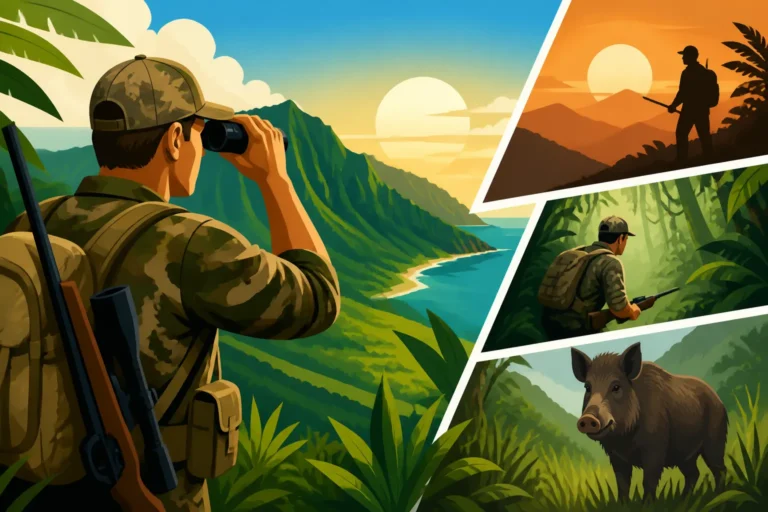
For many hunters, the thought of pursuing game on Molokai conjures images of challenging terrain and elusive animals, but also the frustration of limited public access and navigating an unfamiliar island. It's tough to plan a hunt when so much depends on local knowledge and private land connections. This guide will walk you through everything you need to know about working with Hawaii outfitters on Molokai, helping you understand the unique opportunities and how to make your dream hunt a reality on the Friendly Isle.
Understanding Molokai's Unique Hunting Landscape
Molokai holds a special place in the Hawaiian islands, often called "The Friendly Isle" due to its slower pace and deep connection to traditional Hawaiian culture. For hunters, this translates into a unique set of challenges and rewards. Unlike some of the other islands, Molokai has limited public hunting land, and much of the best hunting for Axis deer, feral pigs, and goats is found on vast private ranches. This reality immediately shifts the focus for many visiting hunters towards securing access, and that's precisely where local outfitters become invaluable.
The Geography and Terrain of Molokai for Hunters
Molokai's landscape is diverse, ranging from arid leeward slopes to lush, wet windward valleys. The western end of the island is drier, characterized by rolling hills and kiawe forests, which are prime habitat for Axis deer. This open country, while beautiful, can be deceptively challenging to hunt due to heat, thorns, and the animals' keen senses in sparse cover. As you move eastward, the island becomes more mountainous and wet, with deep gulches and dense rainforests that are perfect for feral pigs and goats. Navigating these steep, often muddy, and thick areas requires excellent physical conditioning and intimate knowledge of the trails and animal movements. Hunting Molokai's Axis Deer Country gives a good overview of what to expect in different parts of the island.
The distinct differences in terrain mean that a hunter planning a Molokai trip needs to consider not just what they want to hunt, but where on the island they'll be focusing their efforts. An outfitter will often specialize in specific areas or species, leveraging their long-standing relationships with landowners to provide access to some of the most productive private lands. Without these connections, much of Molokai's prime hunting ground would simply be inaccessible.
The Role of Private Land in Molokai Hunting
Due to the limited public hunting areas, private land hunting is the backbone of Molokai's big game opportunities. Many of the large ranches on the island are managed to sustain healthy populations of Axis deer, pigs, and goats, often through a combination of controlled hunting and habitat management. These private land operations typically partner with a select number of outfitters who bring in clients. For a hunter looking to reliably pursue a trophy Axis buck or a hefty feral boar, gaining access to these private lands through a reputable outfitter is often the most straightforward and successful path. Getting Onto Molokai Private Land elaborates on the importance of these relationships.
The landowners benefit from regulated hunting as it helps manage animal populations, minimizing agricultural damage and preventing overgrazing, which can be a serious issue with introduced ungulates. For the hunter, it means access to large tracts of land with potentially higher animal densities and less hunting pressure than on public lands. It also often means a more comfortable experience, with established access roads and sometimes even lodging options provided by the outfitter or the ranch itself. These private operations are crucial for preserving hunting opportunities on Molokai.
What to Expect from Molokai Outfitters
Molokai outfitters specialize in delivering unique hunting experiences, primarily focusing on Axis deer, feral pigs, and goats. Their expertise lies in navigating the island's terrain, understanding animal behavior specific to Molokai, and, most importantly, providing access to prime private lands. When you book with a Molokai outfitter, you're not just paying for a guide; you're investing in decades of local knowledge and established relationships.
Primary Game Species Targeted on Molokai
The star attraction for most hunters on Molokai is undoubtedly the Axis deer. Known for their striking spotted coats and impressive antlers, Molokai's Axis deer are highly sought after. They thrive in the island's dry, open plains and kiawe forests, offering challenging spot-and-stalk opportunities. Many outfitters will focus heavily on Axis deer, often touting the island's reputation for producing big-bodied bucks. Hunting Molokai's Big-Bodied Axis Bucks dives deeper into what makes these animals so special on the island.
Beyond Axis deer, Molokai also offers excellent hunting for feral pigs and goats. Feral pigs are found throughout the wetter, more rugged valleys and gulches, providing an adrenaline-pumping hunt, often involving dogs. Hawaii's Feral Pigs, Island by Island touches on the different pig populations across the archipelago, and Molokai's are certainly robust. Goats, too, are abundant, typically inhabiting the steep, rocky cliffs and more remote areas. They offer a physically demanding hunt with incredible views as a bonus. Hawaii's Feral Goats and Why They Matter explains the ecological reasons these populations are managed. An outfitter can often combine species into a single package, allowing you to experience the full spectrum of Molokai's big game.
Common Hunting Methods and the Guided Experience
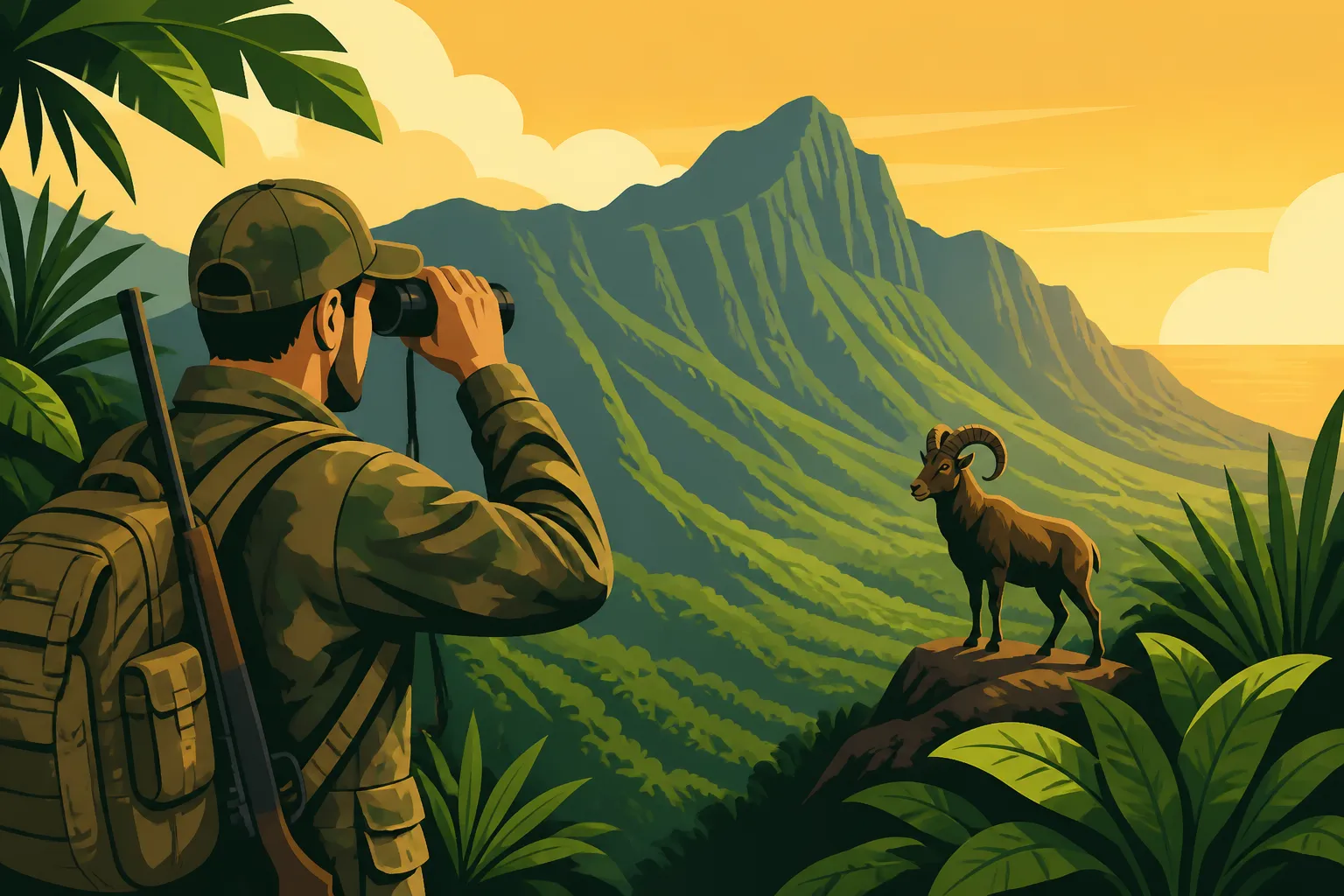
Molokai outfitters primarily employ spot-and-stalk tactics for Axis deer, capitalizing on the open nature of the terrain in many areas. This method requires keen eyesight, patience, and the ability to move quietly and strategically to get within range. Guides are experts at glassing vast areas, identifying animals, and planning an approach that uses the wind and available cover to your advantage. For pigs, hunting with dogs is a popular and traditional method, where bay dogs track and hold a pig until the catch dog and hunters arrive. Still-hunting through dense cover is also used, especially in areas where dogs are not permitted or preferred. For goats, it's often a combination of glassing from afar and then a challenging stalk over rugged, often steep, terrain.
A guided hunt means more than just having someone show you where the animals are. It means having an expert by your side who can interpret animal sign, predict movement patterns, understand the ever-shifting winds, and ensure your safety in challenging environments. Many outfitters provide transportation on the ranch, help with field dressing, and assist with packing out your game. They'll also be your resource for all local regulations, ensuring you comply with Molokai Permit-Tag Requirements and other rules. This level of support significantly enhances the hunting experience, especially for those unfamiliar with the island.
What Molokai Outfitters Typically Provide (and What They Don't)
When considering a guided hunt on Molokai, it's essential to understand what's usually included and what you'll need to arrange yourself. Most Molokai outfitters will provide:
- Access to private hunting land: This is often the biggest value proposition.
- A professional, experienced guide: Someone with local knowledge of the land and animals.
- Transportation on the hunting property: Often via 4×4 vehicles to cover large distances.
- Field dressing and retrieval of game: Assistance with getting your animal ready and back to the cooler.
- Basic amenities: Water, and sometimes snacks during the hunt.
What's typically not included, and what you'll need to budget for separately, are things like:
- Your hunting license and permit tags: You'll need to purchase these directly from the state (or through a platform like GoHunt, which can help with the process for Hawaii).
- Weapon and ammunition: While some outfitters offer rifle rentals, it's usually an extra cost.
- Travel to and from Molokai: Flights, inter-island travel, and lodging before/after the hunt are your responsibility. Getting to Molokai for a Hunt is a critical piece of the planning.
- Meat processing and taxidermy: While guides help with field dressing, further processing and shipping are usually up to the hunter.
- Gratuities for your guide: Tipping is customary in the guiding industry.
Understanding these inclusions and exclusions upfront is vital for accurate budgeting and expectation setting. You can often find a detailed breakdown on outfitter websites or by directly inquiring with them. What Molokai Guides Provide offers a more detailed look at typical services.
Choosing a Molokai Outfitter: Key Considerations
Selecting the right outfitter is paramount to a successful and enjoyable Molokai hunting experience. With fewer operations compared to larger islands, due diligence is even more important. You want someone who aligns with your hunting style, understands your expectations, and has a proven track record of ethical, professional service.
Vetting Potential Guides and Services
Before committing to an outfitter, it's crucial to do your homework. Start by researching online. Look for dedicated websites, social media presence, and reviews from past clients. Pay attention to both positive and negative feedback – sometimes how an outfitter responds to a critique can tell you a lot about their professionalism. Websites like BookYourHunt can sometimes list Hawaii-based outfitters and offer a platform for reviews, which can be a good starting point for discovery. However, don't stop there.
Once you have a shortlist, the next step is direct communication. Call the outfitter, don't just email. A phone conversation allows you to gauge their personality, ask specific questions, and get a feel for their operation. Ask about their experience level, their guides, and their typical success rates. Don't be shy about asking for references from recent clients. A reputable outfitter will be happy to connect you with people who can share their experiences firsthand. This personal vetting is invaluable for understanding the reality of a Molokai hunt.
Questions to Ask Before Booking Your Hunt
Having a solid list of questions ready will help you gather all the necessary information to make an informed decision. Here are some key areas to cover:
- Availability and Seasonality: What dates are open, and what are the best times to hunt your desired species on Molokai? While Axis deer can be hunted year-round in many private areas, their rut cycle might influence antler quality.
- Specific Game and Trophy Expectations: Be clear about what you're hoping to achieve. Are you looking for a meat animal or a trophy buck? What's the realistic expectation for a Molokai hunt?
- Physical Demands of the Hunt: Describe your fitness level. Ask how much walking is typically involved, the elevation changes, and the likely terrain. Is this a physically demanding hunt, or more relaxed?
- Weapon Requirements and Rentals: Can you bring your own firearm or bow? If so, what are the caliber or draw weight requirements? Do they offer rentals, and what are the associated costs and availability? Hawaii's Legal Rifle Calibers for Big Game is a good reference point.
- What's Included/Excluded (reconfirm): Go over the exact breakdown of services, meals, lodging, transportation, and field care. Make sure there are no hidden fees.
- Deposit and Cancellation Policy: Understand the terms for booking, deposits, and what happens if you need to cancel or if the outfitter cancels due to unforeseen circumstances (like weather).
- Licensing and Tagging Assistance: While you're responsible for obtaining them, can they provide guidance on how to acquire your Hawaii hunting license and Molokai permit-tags? Some even offer assistance with the online process, which can be helpful if you're using a platform like GoHunt for license purchases.
- Meat and Trophy Care: What are the next steps after the kill? Do they have recommendations for local meat processors or taxidermists? What are the logistics for shipping meat or trophies back to your home island or the mainland? Shipping Game Meat Between Hawaii Islands or Flying Home With Game Meat From Hawaii can be complex.
Thorough questioning ensures transparency and helps you avoid any surprises down the line.
Understanding Success Rates and Ethical Hunting Practices
When an outfitter mentions "success rates," clarify what that truly means. Is it 100% opportunity, 100% harvest, or something in between? An ethical outfitter will always prioritize a fair chase hunt over a guaranteed kill. While Molokai's private lands often offer high animal densities, hunting is still hunting, and there are no absolute guarantees. A high success opportunity rate is generally more realistic and reflects a good outfitter's ability to put you on game, even if nature doesn't always cooperate with a shot.
It's also important to confirm their commitment to ethical hunting practices. This includes adherence to all local hunting regulations, proper game management, and responsible land stewardship. Inquire about their methods for minimizing disturbance to other wildlife and respecting the local environment. A good outfitter not only helps you harvest an animal but also contributes positively to the conservation efforts and public perception of hunting on Molokai. Their practices should align with your own values as a hunter.
The Logistics of a Molokai Hunt
Planning a hunt to Molokai involves more than just picking an outfitter. You'll need to consider travel, gear, and what happens after the shot. Molokai is remote, and planning for these logistics in advance will make your trip much smoother.
Traveling to Molokai and Inter-Island Travel
Getting to Molokai typically involves a short inter-island flight from Honolulu (Oahu) or Maui. There are no direct flights from the mainland to Molokai. This means you'll need to coordinate your arrival and departure times carefully, especially if you're flying in with firearms. Inter-Island Travel on a Hawaii Hunt can be a complex dance with airline regulations for firearms and ammunition. Always check with your chosen airline well in advance regarding their specific policies for transporting sporting arms and ammunition between islands. These rules can be stricter than for mainland travel.
Once on Molokai, transportation from the airport to your lodging and then to the hunting grounds will need to be arranged. Most outfitters will pick you up or help you arrange local transport if you're not renting a vehicle. However, rental car options on Molokai can be limited, so booking ahead is crucial if you plan to explore or handle your own transport. Remember, many hunting units, especially private ranch lands, require 4×4 access, which the outfitter will provide for the actual hunt.
Essential Gear for Molokai's Conditions
Molokai's diverse terrain and often intense weather demand specific gear. Forget your heavy winter hunting clothes; think light, breathable, and thorn-resistant.
- Footwear: Sturdy, waterproof hiking boots with good ankle support are non-negotiable. You'll be traversing rocky lava fields, muddy trails, and thick kiawe thorns. Walking rough lava without wrecking your boots is a skill in itself, so quality footwear is key.
- Clothing: Lightweight, quick-drying layers are best. Camouflage isn't strictly necessary on private lands, but earthy tones are always a good idea. Consider long pants and sleeves to protect against sun, thorns, and insects. A good rain jacket is essential, especially if hunting the wetter eastern side of the island, as sudden showers are common.
- Optics: High-quality binoculars are crucial for spot-and-stalk hunting in Molokai's expansive terrain. Your guide will likely have excellent optics, but having your own for personal scanning is always a plus.
- Hydration: The Molokai sun can be intense. Carry plenty of water or a hydration pack.
- Sun Protection: Hat, sunglasses, and high-SPF sunscreen are a must.
- Insect Repellent: Mosquitoes are prevalent, especially in wetter areas.
Your outfitter should provide a detailed packing list, but generally, prepare for warm days, potentially cool nights at higher elevations, and the possibility of rain at any time.
Meat and Trophy Care After the Hunt
Once you've harvested an animal, the work isn't over. Proper field care is critical in Hawaii's warm climate. Most Molokai outfitters are highly skilled at field dressing animals quickly and efficiently to start the cooling process. They will often have coolers ready to transport the animal back to a central location. From there, you'll need a plan for further processing.
Molokai has limited options for commercial meat processing, so often, hunters will either process the meat themselves (if facilities are available and agreed upon with the outfitter) or arrange for it to be transported to a processor on Maui or Oahu. This is where asking your outfitter for recommendations and logistical support is crucial. If you plan to take your meat home, be aware of agricultural regulations for transporting game between islands and back to the mainland. These rules can be strict to prevent the spread of invasive species or diseases. For trophies, your outfitter can usually recommend a taxidermist, either local or on a neighboring island, and assist with caping and initial preservation. Make sure to discuss these aspects thoroughly before your hunt, as they are often a significant, but overlooked, part of the overall cost and effort of a Hawaii hunt. Field Dressing Axis Deer in Hawaii Heat provides some useful context.
Costs and Value of a Guided Molokai Hunt
Undertaking a guided hunt on Molokai is an investment, and understanding the financial aspects is key to a smooth and enjoyable experience. The "cost" isn't just the outfitter's fee; it's a sum of travel, licenses, accommodations, and more. Evaluating the value means looking beyond the sticker price to what you gain in terms of experience, success, and convenience.
The Shape of Investment for Molokai Hunts
While exact prices fluctuate, a guided Molokai hunt will typically represent a significant investment compared to self-guided public land hunts elsewhere. The primary factors influencing the cost include:
- Species Targeted: Axis deer hunts, especially for trophy bucks, often command higher rates due to demand and the trophy quality. Combination hunts (e.g., Axis and pig) will also increase the cost.
- Duration of the Hunt: Day hunts are the most economical, but multi-day packages allow more time in the field and increase success odds.
- Number of Hunters: Private 1×1 guide service will be more expensive per person than 2×1 or group rates.
- Inclusions: Packages that include meals, lodging, weapon rentals, or additional services will naturally have a higher upfront cost.
- Private Land Access Fees: These are built into the outfitter's price and reflect the value of hunting on well-managed, exclusive properties.
Beyond the outfitter's fee, don't forget the costs of your Hawaii hunting license and permit tags, flights to Hawaii and Molokai, rental car (if needed), accommodations outside of the hunt package, food, and tipping your guide. What a Hawaii Guided Axis Deer Hunt Costs will give you a general idea, though Molokai specifically can vary due to its unique access.
Evaluating the Value Proposition of a Guided Trip
For many, the value of a guided Molokai hunt far outweighs the cost, especially for non-residents or those new to the islands. Here's why:
- Guaranteed Access: As discussed, securing quality private land access on Molokai is challenging without local connections. Outfitters provide this immediately, saving you immense time and frustration.
- Local Expertise: Guides possess an unparalleled understanding of the animals, their movements, and the terrain. They know where animals water, feed, and bed, significantly increasing your chances of success.
- Efficiency: Instead of spending precious hunting days scouting unfamiliar land or getting lost, a guide puts you directly in productive areas. This is especially valuable on short trips.
- Safety: Hunting in rugged, remote Hawaiian terrain can be hazardous. A local guide knows the risks, helps navigate safely, and is prepared for emergencies.
- Logistical Support: From field dressing to recommendations for meat processing, outfitters streamline the practical aspects of the hunt, allowing you to focus on the experience.
- Higher Success Rates: While never guaranteed, guided hunts typically boast significantly higher success rates for ethical opportunities than self-guided attempts on unfamiliar public land, particularly for trophy animals.
For a visiting hunter, the peace of mind and greatly enhanced chances of success offered by an experienced Molokai outfitter often make the investment entirely worthwhile. It turns a potentially frustrating endeavor into a memorable and successful adventure. What a Hawaii Guide Fee Covers can help break down where your money goes.
Comparison: Guided vs. Self-Guided on Molokai
Let's quickly lay out the pros and cons of guided versus self-guided hunting on Molokai to help clarify your decision.
| Feature | Guided Hunt (Molokai) | Self-Guided Hunt (Molokai) |
|---|---|---|
| Access | Primarily private ranches, exclusive and often managed. | Limited public hunting units, often with heavy pressure. |
| Local Knowledge | Deep, current understanding of game, terrain, and weather. | Requires extensive self-research, scouting time, and luck. |
| Success Odds | Generally high for opportunities, often high for harvest. | Varies greatly; can be challenging with low odds. |
| Logistics | Outfitter handles in-field transport, field care. | Hunter handles all aspects: scouting, recovery, processing. |
| Safety | Expert guidance in challenging terrain, emergency plans. | Hunter is solely responsible for personal safety. |
| Cost | Higher upfront investment for package. | Lower upfront, but potential hidden costs, lower efficiency. |
| Experience | Focused, efficient, often with trophy potential. | Challenging, independent, can be very rewarding if successful. |
| Game Species | Access to prime Axis, pig, goat areas. | Limited to public unit species, which may have lower densities. |
As you can see, for Molokai, where public land access is truly limited Molokai's Public Hunting Areas and private land dominates, a guided hunt often presents the most viable and rewarding option for many hunters seeking specific big game.
Disclaimer
This article is for general informational purposes only and does not constitute professional advice. Laws, prices and regulations vary by location and change over time. Consult a qualified professional for guidance on your specific situation.