Tipping a Hawaii Guide
You’ve just wrapped up an incredible hunt in Hawaii, maybe you finally tagged that elusive Axis deer, or perhaps you had an epic dog hunt for a big boar in the rainforest. The adrenaline is still pumping, the smiles are wide, and then it hits you: what about the guide? How much do you tip in Hawaii? This is a question many hunters grapple with, feeling a bit awkward about the unspoken rules and varying expectations. This comprehensive guide will help demystify the art of tipping your Hawaii hunting guide, ensuring you show your appreciation respectfully and appropriately after an unforgettable experience.
Understanding the Role of Your Hawaii Guide
It's easy to just see the "guide fee" as the whole cost, but a good Hawaii guide provides so much more than just a ride to the hunting grounds. They are the backbone of your successful adventure, working tirelessly before, during, and after your actual hunt.
More Than Just a Tracker: The Value They Provide
Think about everything that goes into your hunt. Long before you even set foot on the island, your guide has likely been scouting for weeks, sometimes months, analyzing game movement patterns, checking water sources, and making sure all the necessary permits and access agreements are in place. They’re dealing with the intricate web of Hawaii’s unique land management and hunting unit rules, ensuring your hunt is legal and ethical. Many guides are also dealing with landowners directly for private land access, which is a whole other layer of logistics.
During the hunt itself, your guide is your navigator, often through extremely challenging and varied terrain – from jagged lava fields and steep gulches to dense, wet rainforests. They're reading sign, identifying animals, judging trophies, and making crucial decisions on the fly. They're your safety net, carrying first aid, water, and sometimes even emergency communication devices in areas where cell service is non-existent. When you finally make a harvest, they're the ones doing the heavy lifting, often field dressing the animal meticulously, Field Dressing Axis Deer in Hawaii Heat, and helping pack out meat, sometimes over incredible distances and difficult ground. It's a physically demanding job, with early mornings, late nights, and often little rest. Their local knowledge isn't just about where the animals are; it’s about understanding the wind, the thermals, the weather patterns, and the subtle nuances of hunting in a tropical environment. This deep expertise and relentless effort are what truly define their value, far beyond just pointing out an animal.
The Cost of Doing Business: What Your Guide's Fee Covers and Doesn't
Many hunters wonder, "If I'm paying hundreds, sometimes thousands, for a guided hunt, isn't that enough?" It's a fair question. The upfront fee you pay for a guided hunt in Hawaii typically covers the guide's operational costs. This can include expensive items like commercial insurance, fuel for their trucks or ATVs, vehicle maintenance (which is constant on Hawaii's rough roads), specialized equipment like spotting scopes, rangefinders, and potentially even dog vests for pig hunting, and the general wear and tear on gear in this tough environment. It also covers the cost of securing private land access, if applicable, and administrative tasks.
However, for many guides, especially independent operators, that fee doesn't represent pure profit. A significant portion of it is simply keeping the business running. Tips, for guides in the outdoor industry, are often a crucial component of their personal income, much like in the restaurant or hospitality sector. It’s a way for clients to directly reward exceptional service that goes above and beyond the basic expectations covered by the fee. Considering the extremely high cost of living in Hawaii, these tips can be vital to a guide's ability to support themselves and their families. It's not just extra pocket money; for many, it's a make-or-break part of their annual earnings. When you're Booking a Hawaii Axis Deer Hunt or Booking a Hawaii Pig Hunt, it's important to understand that the base fee provides the service, but the tip acknowledges the dedication and hard work that makes that service truly exceptional.
General Tipping Etiquette: The Unspoken Rules
Navigating tipping can feel like walking through a minefield of unspoken expectations. In the world of guided hunts, there are some generally accepted norms that can help you determine what's appropriate, and when to adjust.
Percentage-Based Tipping: The Industry Standard
Across the hunting and fishing guide industry, a tip of 10% to 20% of the total hunt cost is widely considered the standard range. This percentage isn't a hard and fast rule, but rather a guideline to help you start. For instance, if your two-day guided Axis deer hunt costs you $2,500, a 10% tip would be $250, while a 20% tip would be $500. Most hunters aim for the 15% mark for good service.
The specific percentage you land on often depends on several factors:
- Effort: Did your guide work tirelessly, put in long hours, and go the extra mile to make your hunt successful and enjoyable, regardless of whether an animal was harvested?
- Service Quality: Was the communication clear, the equipment well-maintained, and the overall experience professional and pleasant?
- Personal Connection: Did you genuinely enjoy your time with the guide? Did they share their knowledge, stories, and make the experience memorable beyond just the hunting?
- Success (with a caveat): While success is often a factor, remember that hunting isn't always about the kill. A guide can do everything right, and conditions or animal behavior might simply prevent a harvest. It's the effort towards success that truly matters. Don't punish a guide for circumstances beyond their control.
This standard applies whether you're on a single-day expedition or a multi-day package. When you look into What a Hawaii Guided Hunt Costs, factor in this additional amount into your overall budget from the start, so there are no surprises or awkward moments at the end. Many outfitters, particularly those found on platforms like BookYourHunt, will often provide general tipping guidelines on their booking confirmations or FAQs to help you prepare.
When to Adjust Your Tip Up or Down
While the 10-20% range is a good starting point, there are definite reasons why you might want to move that needle one way or another. Tipping is, after all, a reflection of your personal satisfaction.
Reasons to Increase Your Tip (Above 15-20%):
- Exceptional Effort & Grit: Your guide literally hiked their legs off, worked from before dawn until after dark, and never gave up despite brutal heat, pouring rain, or extremely tough hunting conditions. Maybe they carried a heavy pack for you without being asked, or made multiple trips up a steep ridge to retrieve meat.
- Going Above and Beyond: Perhaps they went out of their way to help you find local accommodations, arranged for your meat to be processed and shipped, or even helped you with unexpected travel issues. Maybe they found a rare trophy or provided an experience you truly never expected. Their dedication to Field Care in Hawaii's Heat and Humidity might have saved your meat.
- Safety First: Your guide demonstrated impeccable safety practices, especially crucial in Hawaii's challenging terrain. They prioritized your well-being at all times.
- Outstanding Camaraderie: You truly bonded with your guide. They were not only professional but also a fantastic companion, making the downtime enjoyable and enriching.
- Flawless Logistics: Every detail was perfectly handled, from the meeting point to the final departure. You felt completely taken care of and could focus entirely on the hunt.
Reasons to Decrease Your Tip (Below 10% or None at All – Rare and Serious):
- Lack of Effort or Interest: The guide seemed disengaged, wasn't actively scouting or trying to put you on game, or spent too much time on their phone.
- Safety Concerns: This is paramount. If a guide compromised your safety or demonstrated reckless behavior, it's a serious issue that should be addressed directly with the outfitter, and a tip might be inappropriate.
- Unfulfilled Promises (within reason): While no guide can guarantee a kill, if they explicitly promised things that didn't materialize due to their negligence or misrepresentation, it's a problem. This is different from simply not finding an animal due to the nature of hunting.
- Poor Communication or Professionalism: Persistent lateness, rudeness, or a general lack of professionalism can certainly impact your decision.
- Unsafe or Unethical Practices: Any hint of illegal hunting, disregard for regulations, or unethical behavior should not be rewarded and should be reported to the authorities.
It's important to note that withholding a tip or giving a very small one should be reserved for genuinely poor service or safety issues. If you simply didn't harvest an animal but the guide worked hard, a fair tip is still warranted for their effort and time. This is why vetting your outfitter and asking the right questions when Choosing the Right Hawaii Outfitter is so important.
Tipping Scenarios Specific to Hawaii Hunts
Hawaii offers unique hunting experiences, and sometimes these come with specific tipping considerations, especially when multiple people are involved in the hunt.
Tipping on a Pig Hunt: Dog Handlers and Catch Dogs
Hawaii's pig hunting culture is vibrant and often involves highly specialized teams, particularly when utilizing dogs. A typical dog hunt for pigs might involve a primary guide, who is often the dog owner and handler, and sometimes one or more additional dog handlers or "helpers" who assist in tracking, baying, and catching the pigs. This can add a layer of complexity to tipping.
If you’re on a Dog and Knife Pig Hunting in Hawaii trip, the effort from these dog handlers is immense. They’re often running miles through dense, rough terrain, risking injury to themselves and their dogs. Their skill in managing the dogs, reading their signals, and safely baying a pig is critical to the hunt's success and your safety.
Here’s how to approach it:
- Primary Guide: The main guide, who likely arranged the hunt and owns the dogs, will receive the largest portion of your tip, often based on the standard 10-20% of the hunt cost.
- Dog Handlers/Helpers: If there are additional handlers, it's customary to offer them a separate, smaller cash tip directly. This can range from $50 to $100+ per person, depending on the length and intensity of the hunt, and how many animals are taken. You might ask your primary guide discreetly if they have helpers joining and if they have any input on how tipping works for their crew. Often, the guide will distribute a portion of the main tip, but a direct gesture to the helpers is always appreciated.
- Consider the Risk: Pig hunting with dogs is inherently dangerous for both humans and canines. Recognizing the commitment and risks these individuals undertake is part of acknowledging their value.
Tipping for Axis Deer, Mouflon, and Goat Hunts
These hunts often fall into more traditional Western hunting styles, like spot-and-stalk or still-hunting, whether with rifle, bow, or muzzleloader. The tipping guidelines here will generally adhere more closely to the 10-20% of the total hunt cost. However, the specific efforts involved in these hunts in Hawaii deserve recognition.
- Axis Deer: On Maui, Molokai, or Lanai, Axis deer hunts can involve extensive glassing of open country, long stalks across dry kiawe flats, or patient waiting near water sources. Guides put in serious time understanding herd movements and judging antlers, which is critical for a trophy animal. The effort to guide you on Spot-and-Stalk Axis Deer in Hawaii requires a keen eye and physical endurance.
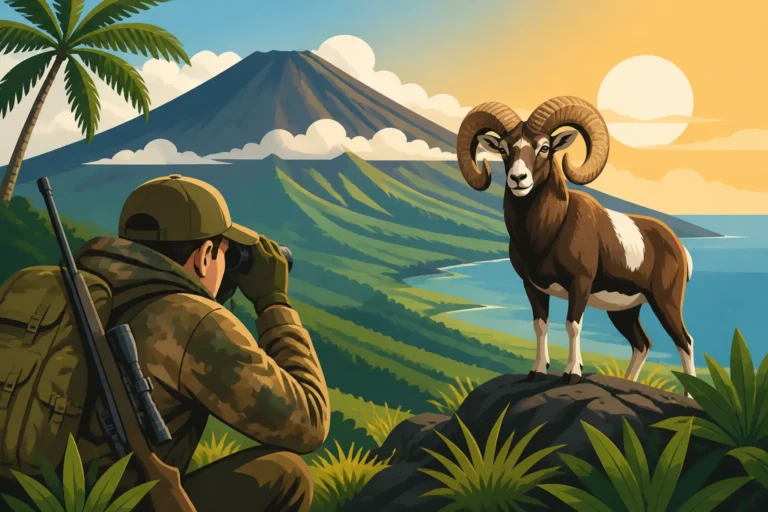
- Mouflon Sheep: Hunting mouflon, especially on the Big Island's high-elevation volcanic slopes, is incredibly physically demanding. Guides navigate rugged, uneven lava flows, often in thin air, climbing and glassing vast expanses for these wary sheep. Their ability to guide you safely and effectively in this extreme environment, perhaps on Hunting Hawaii's High Elevation Alpine Ground, is a huge part of the service.
- Feral Goats: Goat hunts, particularly those on Hawaii's dramatic coastal cliffs or within deep canyons, require guides with intimate knowledge of the treacherous terrain and goat behavior. Safety is paramount, and a guide who can navigate these areas while putting you in position for a shot, as in Hunting Goats on a Sea Cliff Safely, earns every bit of their tip.
In all these scenarios, the guide's physical fitness, knowledge of the specific unit, and commitment to your success (and safety) are key factors to consider when deciding on your tip.
Guided Bird Hunts and Multi-Species Trips
Hawaii also offers fantastic opportunities for game bird hunting, and many outfitters will combine mammal hunts with bird hunts, or offer standalone bird trips.
- Bird Hunts: These are often shorter, sometimes half-day affairs. While the overall hunt cost might be less, the guide's effort is still significant. They scout bird locations, manage bird dogs (if used), set up blinds, and ensure you're in the right place at the right time for species like francolin, pheasant, or doves. For a bird hunt, a flat rate per hunter per day (e.g., $100-$200 per person per day) might feel more appropriate than a strict percentage, especially if the total cost is low. Alternatively, apply the 10-20% rule to the bird hunt portion.
- Multi-Species Combo Hunts: If you book a package that includes, say, an Axis deer hunt and a pig hunt, or a pig hunt and a bird hunt, you'll calculate your tip based on the total cost of the entire package. The guide's effort across different species and hunting styles will factor into your overall assessment of their service. When looking for these comprehensive trips, many hunters use platforms like GoHunt to explore various Hawaii Combination Hunt Packages and plan their budget accordingly, always remembering to factor in the tip.
Regardless of the species or style, evaluate the guide's consistent effort, professionalism, and whether they made your unique Hawaii hunting dream a reality.
How and When to Give the Tip
The act of giving a tip can sometimes feel a bit awkward, but with a little thought, you can make it a smooth and appreciative gesture.
Cash, Check, or Digital Payments?
When it comes to the method of tipping, cash is almost always king. There are several reasons for this:
- Immediate Access: Cash provides your guide with immediate funds, which can be particularly helpful for those living in an economy with a high cost of living like Hawaii.
- Simplicity: No transaction fees, no delays for processing, and no need for the guide to deal with bank transfers or digital wallet issues.
- Flexibility: Guides can use cash for whatever they need, whether it's personal expenses, equipment repairs, or saving for future investments in their business.
If cash isn't feasible, a personal check can be a good alternative, though it does mean the guide has to deposit it. Digital payment apps like Venmo or PayPal are becoming more common, but always confirm with your outfitter or guide before the hunt if this is an acceptable method for them. Some guides may not have accounts or prefer not to use them for various reasons, including potential fees or tax implications.
It's also worth noting that some outfitters, when you book through sites like BookYourHunt or GoHunt, might offer a way to add a gratuity to your final payment. While convenient, this sometimes means the guide doesn't receive the full amount immediately, or it might be subject to the outfitter's processing. Direct cash is often the most appreciated.
The Right Moment: End of the Hunt Ceremony
The timing and manner of giving your tip can make a big difference in how it's received.
- At the End of the Experience: The appropriate time to give your tip is typically at the very end of your entire hunting experience, after all hunting activities are complete, your animal is field dressed, and you're preparing to part ways. This ensures you've had the full experience to base your appreciation on.
- A Private Moment, If Possible: Try to find a moment where you can speak to your guide directly, away from other hunters or observers if you prefer. A handshake, a genuine "thank you," and slipping them the cash (or handing them the check) is a respectful way to do it.
- Verbal Appreciation: Don't underestimate the power of a sincere verbal thank you. Tell your guide specific things you appreciated about their efforts, their local knowledge, or their company. Hearing that their hard work was valued can be just as rewarding as the tip itself. For instance, "Thank you, John, for all your hard work these past few days. I really appreciated you pushing through that thick stuff to get us on those pigs, and your patience explaining the Hawaii Dog Hunting Rules was amazing." This makes the tip feel much more personal and meaningful.
- Keep it Discrete: While showing appreciation is good, avoid making a big show of it. A quiet, personal exchange is often best.
The goal is to convey your gratitude for their hard work and the memorable experience they provided, leaving both you and your guide feeling positive about the exchange.
Navigating Logistics and Expectations
Sometimes, the way a hunt is booked or paid for can raise questions about tipping. Let's clear up some common scenarios.
What If Your Hunt Was a Gift or Part of a Package?
It's not uncommon for a hunt to be a gift, or for it to be part of a larger vacation package. This can sometimes create confusion around tipping.
- If the Hunt Was a Gift: Even if a friend, family member, or company paid for your hunting trip, the guiding service was still rendered directly to you. Therefore, the expectation is that you, as the hunter receiving the service, are responsible for the tip. It's polite to make sure you have the funds set aside for this, even if the main hunt cost wasn't out of your pocket. Think of it like someone buying you a meal at a restaurant – you'd still tip the server.
- Part of a Larger Vacation Package: Some tour operators or resorts in Hawaii might offer hunting as an add-on to a broader vacation package. In these cases, it's crucial to clarify with the package provider whether the guide's gratuity is already included. It's highly unlikely that it would be, as most guide services are separate entities, but it's worth asking. Assume it's not included unless explicitly stated otherwise. Your guide is still an independent professional, and their efforts during your specific hunting day warrant your appreciation.
When you're exploring Hawaii Private Ranch Hunts or any multi-day package through platforms like BookYourHunt, always check the fine print or reach out to the outfitter directly about their specific tipping policies. Clarity upfront prevents awkwardness later.
When In Doubt: Ask Your Outfitter (or the Internet)
If you're ever unsure about tipping etiquette for a specific guide service or type of hunt in Hawaii, don't be afraid to ask! It's far better to ask politely beforehand than to be caught off guard or to offend anyone unintentionally.
- Ask the Outfitter Directly: When you're making your booking or even during your initial conversations about the hunt, a simple, polite question like, "What are the customary tipping practices for your guides?" or "Is gratuity typically included, or should I plan to tip separately?" is perfectly acceptable. Reputable outfitters will be transparent and happy to provide guidance. This is also a good question to ask when you're looking into Booking a Hawaii Mouflon Hunt, as those high-elevation trips require immense guide effort.
- Check Online Resources: Before your trip, do a quick search for reviews of your specific outfitter. Often, past clients will mention their tipping experience. You can also consult general hunting forums or online communities where hunters discuss guide etiquette. Platforms like GoHunt and BookYourHunt often feature reviews where previous clients discuss their experience, which can sometimes include insights into tipping culture with that particular outfitter.
- Observe and Learn: If you're part of a group hunt, you can subtly observe what other hunters are doing, though it's still best to be prepared with your own informed decision.
Ultimately, remember that a tip is a gesture of appreciation for hard work, expertise, and a memorable experience. It's not just about the kill; it's about the entire adventure the guide helped facilitate. Being prepared, understanding the unspoken rules, and showing genuine gratitude will ensure you leave Hawaii with a positive impression and a great hunting memory.
| Factor to Consider for Tipping | Low End (10%) | Mid Range (15%) | High End (20%+) |
|---|---|---|---|
| Guide's Effort | Minimal / Adequate | Consistent / Good | Exceptional / Relentless |
| Hunt Success | No harvest (despite effort) | Harvested (good effort) | Harvested (exceptional effort) |
| Guide's Professionalism | Basic / Lacking in areas | Professional / Timely | Outstanding / Proactive |
| Local Knowledge/Skills | Adequate | Good / Helpful | Extensive / Crucial |
| Safety Measures | Acceptable | Good | Exemplary / Prioritized |
| Overall Enjoyment | Just okay | Enjoyable | Unforgettable / Memorable |
| Challenges Overcome | None | Minor issues | Significant weather/terrain |
| Extra Services | None | Basic field care | Extensive meat care, logistics help |
Disclaimer
This article is for general informational purposes only and does not constitute professional advice. Laws, prices and regulations vary by location and change over time. Consult a qualified professional for guidance on your specific situation.