Working With Local Hunters as a Visitor
Venturing out to hunt in Hawaii, especially as someone visiting from the mainland or even another island, brings a unique set of challenges and, often, a desire to connect with the folks who call this place home and know its wild spaces best. It’s natural to want to glean wisdom from local hunters, but navigating those interactions requires understanding, respect, and a willingness to embrace the distinct culture of the islands. This guide is here to help you understand the nuances of engaging respectfully with Hawaii's hunting community, ensuring your experience is not only successful but also harmonious.
Understanding the Local Hunting Culture and Kamaʻāina
Hunting in Hawaii isn't just a pastime; for many, it's a vital part of life, deeply connected to sustenance, culture, and family tradition. As a visitor, recognizing and respecting this foundation is the first step toward positive interactions.
The Spirit of Aloha in Hunting
The concept of "Aloha" extends far beyond a simple greeting or farewell; it embodies mutual respect, love, compassion, and understanding. In the context of hunting, Aloha often translates to a profound reverence for the land (ʻāina), the animals (holoholona), and the community. Local hunters frequently have deep, generational ties to specific areas, understanding the subtle rhythms of the forest, the patterns of the rain, and the movements of game in ways that go far beyond what a map or a quick scouting trip can reveal.
When you encounter a local hunter, approaching with an attitude of aloha means showing humility, curiosity, and respect for their knowledge and experience. It's about recognizing that you are a guest in their home, and in their hunting grounds. Offering a genuine "Aloha" and a friendly demeanor can open doors and foster goodwill. This isn't about seeking out secret spots or shortcuts, but about soaking in the atmosphere and acknowledging the deep connection locals have to their hunting traditions. It’s about sharing space respectfully and understanding that their hunting might feed their family for the week.
"Kamaʻāina" vs. Visitor: A Nuance
The term "Kamaʻāina" literally means "child of the land" and refers to a long-term resident, someone deeply familiar with Hawaii's ways and places. While all visitors are generally welcomed to the islands, there's a natural distinction between someone who has grown up traversing these gulches and lava flows, and someone visiting for a week or two. This isn't about exclusion; it's about the depth of connection and understanding.
Local hunters, many of whom are Kamaʻāina, rely on these resources not just for sport, but often as a significant source of protein for their families. Their knowledge of Hawaii's Feral Pigs, Island by Island or Axis Deer, Hawaii's Signature Big Game might come from a lifetime of observation. They've seen how seasons change game movement, how drought impacts water sources, and where animals shelter from the relentless trade winds. This generational knowledge is invaluable and isn't something that can be bought or quickly acquired. Your role as a visitor is to respect this inherent advantage and appreciate the stewardship that often comes with it.
Common Local Hunting Practices and Values
Hawaii's hunting scene is incredibly diverse, reflecting its multicultural population and varied terrain. Many local practices are deeply rooted in efficiency, sustainability, and communal effort. For instance, puaʻa (pig) hunting with dogs is a widespread and revered tradition across the islands. This method, often involving a "bay dog" to locate and hold the pig and a "catch dog" to secure it, is highly effective in Hawaii's dense, often impenetrable jungle terrain. It's a physically demanding and skilled practice that has been passed down through generations.
Beyond dog hunting, there's a strong emphasis on sharing the harvest. If a hunter takes an animal, especially a large pig or deer, it's common to share the meat with family, friends, and neighbors. This communal aspect reinforces social bonds and ensures that the bounty of the land benefits many. Hunters also place a high value on malama ʻāina, or caring for the land. This means leaving no trace, respecting private property boundaries (even if unfenced), and understanding the delicate ecosystems they hunt in. It's about taking only what you need and leaving the environment better than you found it.
Respectful Engagement: Dos and Don'ts
Interacting with local hunters is a skill, much like hunting itself. A little thoughtfulness goes a long way in fostering positive experiences and avoiding misunderstandings.
Approaching Local Hunters in the Field
When you encounter another hunting party in the field, whether they're still-hunting a ridge or working a dog team through a thick patch of hau brush, your approach matters.
Do:
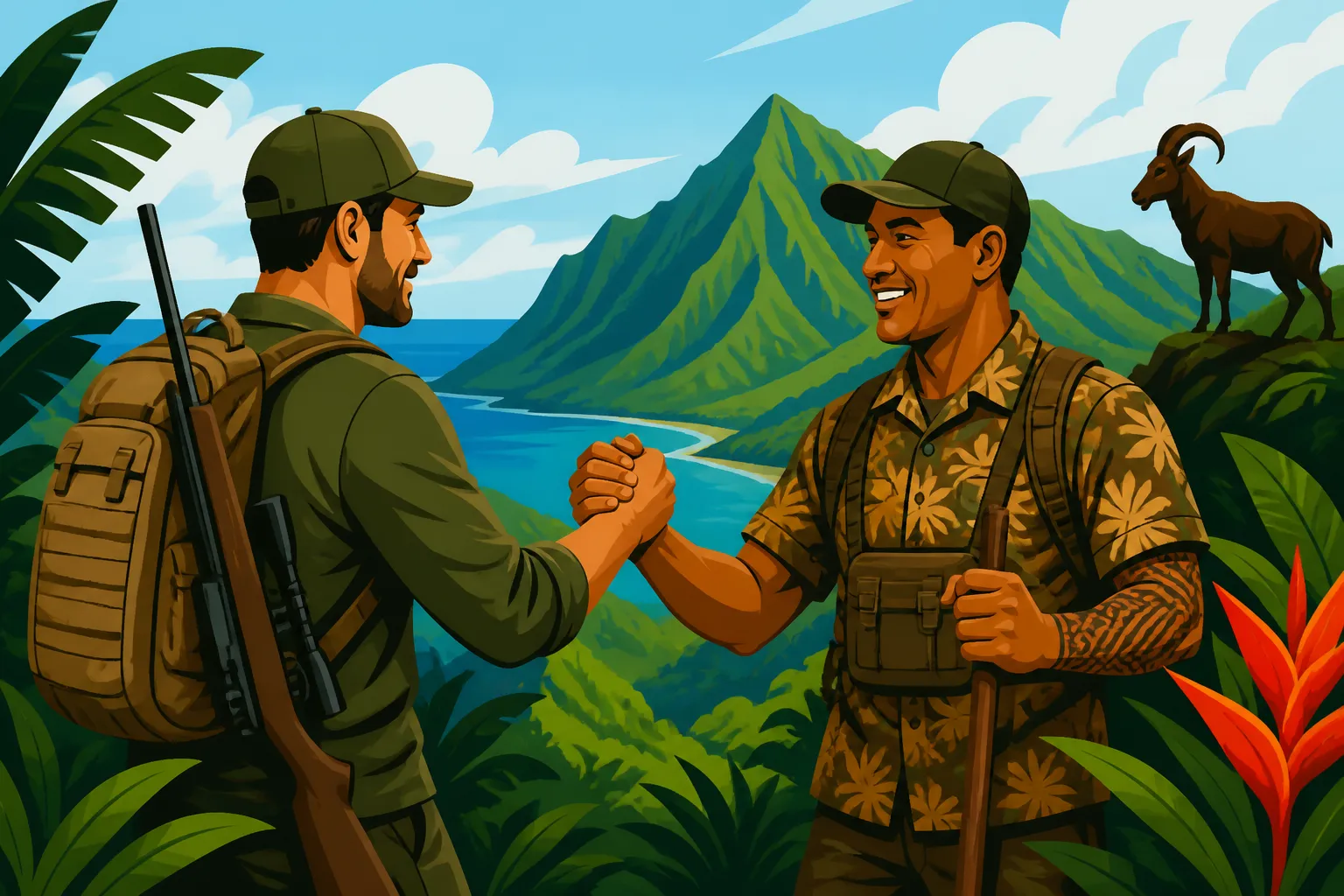
- Be friendly and introduce yourself. A simple "Aloha, howzit?" and a brief explanation of where you're from and what you're doing is usually well-received. For example, "Aloha, I'm John from California, just trying my luck for pigs today."
- Be polite and offer a wide berth. If they're actively hunting, give them plenty of space. Don't crowd them or inadvertently interfere with their hunt.
- Offer help if appropriate. If you see someone struggling to pack out a large animal, offering a hand can be a powerful gesture of aloha and camaraderie. Even if they decline, the offer itself is appreciated.
- Ask questions respectfully. If you're genuinely curious about a specific plant, a local hunting technique, or the history of an area, ask open-ended questions in a humble manner. "I'm new to this area, what are these trees called?" is much better than "Where do the pigs usually cross here?"
Don't:
- Act entitled or boastful. Avoid leading with stories of your hunting prowess on the mainland or showing off expensive gear. This can come across as arrogant and off-putting.
- Question their methods or traditions. While you might hunt differently, their methods are effective and rooted in local knowledge. Respect their ways, even if they differ from yours. This is especially true if you encounter a dog hunting team; their techniques are honed over generations.
- Demand information or "secret spots." Asking directly for someone's honey hole is a major faux pas. No hunter, local or otherwise, will appreciate that. You can infer general information, but specific spots are earned, not given.
- Crowd their space or interfere with their dogs. If a dog team is working, keep your distance. Never approach or try to command someone else's hunting dogs. This is paramount for safety and respect.
Sharing Information and Resources (Sensitively)
Sharing is a cornerstone of Hawaiian culture, but it needs to be done with sensitivity and without expectation.
Do:
- Offer to share your harvest. If you're successful and they haven't been, or if you simply have more meat than you need, offering a portion of your
lauhala(meat) is a generous gesture that will be deeply appreciated. This shows respect for the resource and the community. - Share general observations. "I saw some fresh pig rooting down by the old macadamia orchard road this morning," is a helpful and non-invasive piece of information that builds rapport. This kind of general
ʻike(knowledge) can be exchanged without giving away specific hard-earned spots. - Utilize public resources like GoHunt. If you're looking for information on public land access, unit boundaries, or season dates, resources like GoHunt are excellent. You can use these to understand the lay of the land without needing to extract specific information from locals who might be less inclined to share their personal knowledge.
Don't:
- Expect them to reveal specific honey holes. As mentioned before, this is disrespectful. Their hunting spots are often intimately known and carefully guarded, sometimes for good reason, such as managing sustainable harvest or avoiding overuse.
- Never assume they want to share their private hunting spots with a newcomer. Even if you've developed a friendly rapport, don't push for access to areas you know are their personal hunting grounds. Friendship grows over time, and trust must be earned.
- Over-share your own strategy or gear. While enthusiasm is good, bragging about your fancy thermal scope or your long-range rifle might be perceived as showing off, especially to hunters who rely on simpler, more traditional methods. Keep the conversation balanced.
Observing Local Etiquette and Safety
Safety and etiquette are intertwined, especially in Hawaii's often rugged and communal hunting grounds. Always be mindful of other hunters, whether they are in sight or simply in the vicinity.
If you're hunting in a popular public unit, particularly on a weekend, you're bound to encounter other hunters. At check stations, for instance, be patient and courteous. This is a common requirement, and places like Checking In and Out of Hawaii Hunting Units are where hunters register their intent. Give others their space, especially if they are with their families or dogs. Be aware of sound travel in the valleys; a shot fired in one gulch can echo widely and cause concern for others. Always know your target and what is beyond it, as you would anywhere, but be doubly cautious in areas where multiple hunting parties might be operating.
One critical aspect of local etiquette, particularly if you are not hunting with dogs yourself, is to be acutely aware of dog teams. These dogs are highly trained and focused. Never interfere with them, yell at them, or attempt to pet them unless explicitly invited by their handler. Give them a wide berth. If you see a dog team working a particular area, it's a good idea to move to a different section or wait until they have passed. This ensures everyone's safety and prevents conflict. Hawaii Dog Hunting Rules are in place for a reason, and respecting them helps everyone have a good experience.
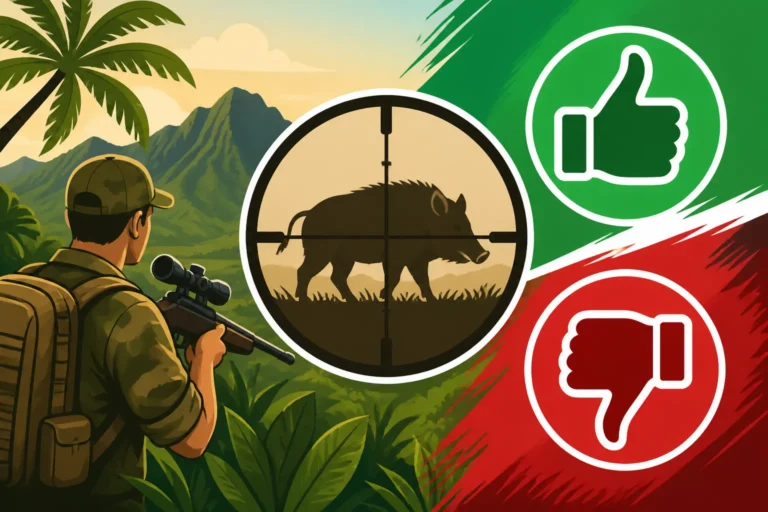
| Do | Don't |
|---|---|
| Greet everyone with "Aloha" and a friendly demeanor. | Act entitled, boast about mainland hunts, or demand information. |
| Give other hunters, especially dog teams, ample space. | Interfere with hunting dogs or question local hunting methods. |
| Offer help if you see someone packing out an animal. | Ask for "secret spots" or specific GPS coordinates. |
| Share general observations about game sign or conditions. | Over-share details of your expensive gear or specific strategies. |
| Support local businesses (tackle shops, restaurants). | Leave trash, disregard unit boundaries, or disrespect the land. |
| Understand that many hunt for subsistence, not just sport. | Assume your hunting values or practices are superior. |
Building Connections Beyond the Hunt
While the immediate goal might be a successful hunt, building genuine connections can enrich your overall Hawaii experience and foster a deeper appreciation for the islands.
Engaging with Local Businesses and Community
One of the most straightforward and impactful ways to show respect and build goodwill is by supporting local businesses. Instead of bringing absolutely everything with you from the mainland, consider purchasing some of your supplies locally. Visiting a small town tackle shop or a sporting goods store, even for just a small item or some ice, puts money directly into the local economy and offers a natural opportunity for casual conversation. You might learn about current hunting conditions, pick up local tips, or hear about a good spot for plate lunch after your hunt.
Similarly, enjoying local eateries and coffee shops after your hunt helps you immerse yourself in the community and directly supports the people who live and work there. This demonstrates that you're not just here to "take" from the land, but that you appreciate and contribute to the community as a whole. Sometimes, the best ʻike (knowledge) isn't found in the deepest gulch, but over a cup of Kona coffee at a roadside stand, talking story with someone who's lived on the island their whole life.
The Role of Guided Hunts and Local Guides
If your primary goal is to have a successful hunt and learn about the local environment from an expert, hiring a local guide is hands down one of the best investments you can make. Guides aren't just there to lead you to an animal; they are often deeply integrated into the local hunting community, possess an intimate understanding of the terrain, and have cultivated relationships that grant them access to private lands that would otherwise be inaccessible.
A good local guide serves as a bridge, explaining local customs, identifying flora and fauna, and sharing historical insights that you'd never get on your own. They can help you understand Hawaii's Hunting Units and How They Work in practice, beyond just reading a map. When you book through platforms like BookYourHunt, you can often find reputable guides who are vetted and committed to providing a respectful, ethical experience. This support directly benefits local families and ensures that the knowledge and traditions of Hawaii's hunting community continue to thrive. A guided hunt, such as a Hawaii Private Ranch Hunts or a What a Hawaii Guided Hunt Costs experience, can dramatically increase your chances of success and provide an unparalleled educational opportunity.
Giving Back to the ʻĀina (Land)
The concept of malama ʻāina—caring for the land—is deeply ingrained in Hawaiian culture. As a visitor, embracing this philosophy is crucial. Even if you don't live here, demonstrating respect for the natural environment leaves a lasting positive impression. This means practicing strict "leave no trace" principles: packing out everything you pack in, and perhaps even picking up any stray litter you encounter, even if it's not yours.
Consider the impact of your presence. Stick to designated trails or existing game trails to minimize erosion. Be mindful of fragile ecosystems, like native forests or sensitive coastal areas. By actively caring for the land you hunt on, you show that you value the resource just as much as local hunters do, reinforcing a shared commitment to its preservation. This can sometimes involve participating in conservation efforts, even if it's just a small, personal act of stewardship while you are on your hunt.
Navigating Misunderstandings and Expectations
Even with the best intentions, misunderstandings can occur. It's important to be prepared for differing perspectives and manage your own expectations when interacting with local hunters.
Dealing with Unspoken Rules and Local Frustrations
Hawaii's public hunting units can sometimes feel crowded, especially on peak weekends. Locals often experience increased pressure on these limited resources, and sometimes, this can lead to a certain level of wariness towards outsiders. You might encounter a "cold shoulder" or a reluctance to engage in lengthy conversations. It’s important not to take this personally. This sentiment often stems from a protective instinct for their hunting grounds and a concern for the sustainability of the game animals.
There are many unspoken rules rooted in decades of hunting history on the islands. For example, some areas might have traditional use patterns that aren't marked on any map. While you, as a visitor, can't be expected to know every single nuance, approaching with an attitude of humility and observation will serve you well. If you feel like you've inadvertently crossed an invisible line, a sincere apology and an attempt to understand can go a long way. Always remember that for many, hunting is not just a recreational activity, but a means of feeding their families, and any perceived threat to that resource can cause frustration.
Bridging the Communication Gap
Clear, concise, and respectful communication is key. When speaking with local hunters, avoid jargon from your home state or technical hunting terms that might not translate well. Keep your questions simple and direct, and most importantly, listen more than you speak. Show genuine interest in what they have to say, rather than waiting for your turn to talk.
A simple "Aloha" followed by a friendly, open demeanor often breaks the ice. Body language plays a huge role; a relaxed posture, a genuine smile, and making eye contact can convey respect and approachability. Don't be afraid to admit you're new to hunting in Hawaii and are eager to learn. This vulnerability can foster connection. Remember that ʻōlelo, the Hawaiian language, is important, and even using a few basic Hawaiian terms like "mahalo" (thank you) or "kōkua" (help) can show an effort to engage with the local culture.
When to Seek Professional Guidance (Guides or DOFAW)
If you find yourself in a situation where you are unsure of the rules, feel uncomfortable, or need specific information that you can't gather respectfully in the field, don't hesitate to seek professional guidance. Hawaii's Division of Forestry and Wildlife (DOFAW) is the official regulatory body for hunting in the state. They publish detailed regulations, unit maps, and season dates. Checking their website or contacting their local office can provide definitive answers to many questions about Hawaii Hunting Licenses and What They Cost, Hawaii's Legal Weapons by Season, or specific Hawaii Game Mammal Seasons.
Additionally, as mentioned earlier, hiring a professional guide is an excellent way to navigate the complexities of hunting in Hawaii. Not only do they provide invaluable expertise in locating game and navigating challenging terrain, but they also act as cultural interpreters, ensuring that your hunt aligns with local customs and etiquette. A guide can also help you with practical matters like Field Care in Hawaii's Heat and Humidity and understanding Tagging an Animal Correctly in Hawaii. For up-to-date regulations and maps for public lands, a resource like GoHunt can be invaluable in planning your trip and ensuring you're following all the rules. They can help clarify any ambiguities you might encounter, which can prevent accidental infractions or cultural missteps.
Disclaimer
This article is for general informational purposes only and does not constitute professional advice. Laws, prices and regulations vary by location and change over time. Consult a qualified professional for guidance on your specific situation.