Getting to Molokai for a Hunt
So, you're dreaming of a hunting trip to Molokai, the "Friendly Isle." It's a fantastic choice, known for its rugged beauty and some truly incredible Axis deer hunting, especially for those big-bodied bucks. But let's be real – getting to Molokai, and then getting around Molokai with your hunting gear, can feel like navigating a maze if you're not prepared. This guide is here to untangle all those travel logistics, from flights to four-wheel drives, so you can focus on the hunt itself, not the headache of getting there.
Flying to Molokai: Your Aerial Gateway
Molokai is a smaller island, and while that's part of its charm and why the hunting can be so good, it also means air travel isn't quite like flying into Honolulu. You won't find direct international flights, and even inter-island connections require a bit of planning.
Commercial Flights and Inter-Island Carriers
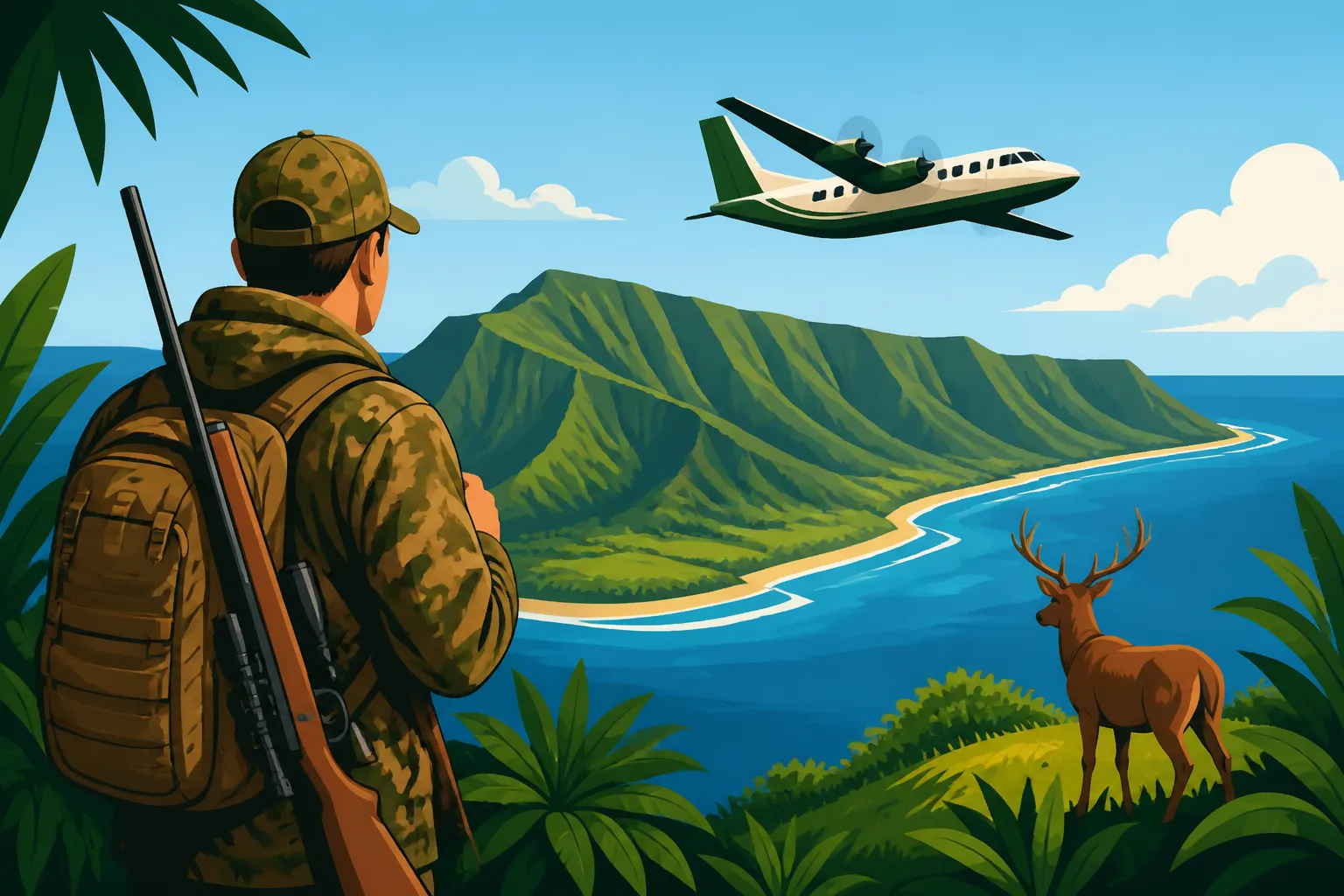
When you're planning your journey to Molokai, you'll almost certainly be connecting through one of the larger hubs, typically Daniel K. Inouye International Airport (HNL) on Oahu or Kahului Airport (OGG) on Maui. From there, you'll hop on a smaller inter-island flight to Molokai Airport (MKK).
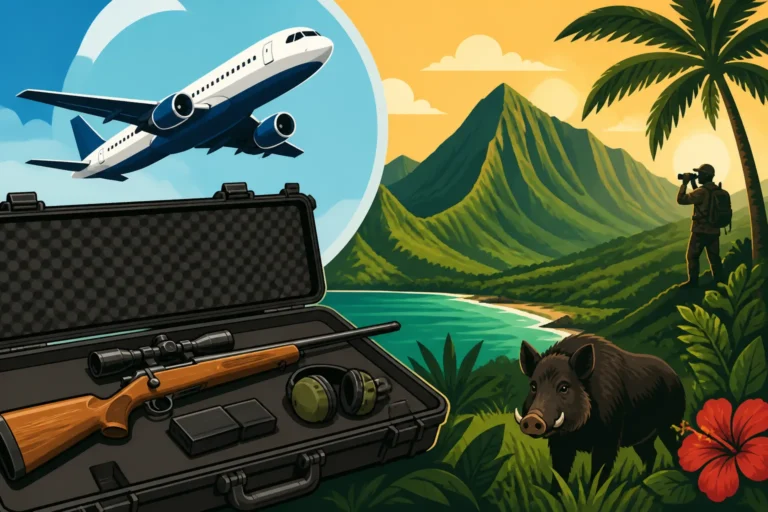
Airlines like Mokulele Airlines are practically synonymous with inter-island hopping to places like Molokai. They operate smaller, propeller-driven aircraft, offering a very different experience than your typical jet. Hawaiian Airlines also offers commuter flights. These smaller planes mean a few things for hunters: baggage limits are often stricter, and oversized items like rifle cases or large coolers need to be coordinated carefully and sometimes come with additional fees or require you to ship them separately. Always check the specific airline's policy for sporting goods and checked luggage well in advance. Imagine landing on Molokai only to find your rifle case didn't make the same flight because it was too big for the plane's cargo hold – that's a nightmare scenario we want to avoid! Booking these flights ahead of time is absolutely critical, especially during peak travel seasons or around hunting draw dates. You can find options for these flights on major travel sites, but sometimes going directly to the airline's website offers the clearest picture of their specific policies for hunters.
Navigating Molokai Airport (MKK)
Molokai Airport, or MKK, is delightfully small and uncomplicated. Don't expect bustling terminals, long security lines, or a dozen food options. It's truly a gateway to the Friendly Isle's laid-back pace. When you land, you'll quickly find yourself outside the main building. This simplicity is a blessing and a curse. It means easy navigation, but also very limited amenities. There are no expansive rental car counters or a long taxi queue.
If you've arranged a rental car, you'll usually find the representative waiting for you with a clipboard or a small kiosk. For those booking a guided hunt, your outfitter might pick you up directly, or arrange for a shuttle. Make sure all these arrangements are confirmed before you even leave your home airport. Remember, Molokai runs on "island time," and while things get done, they might not always be instantaneous. A clear communication plan with whoever is meeting you is a must. This is also where you'll begin the process of registering any firearms you've brought with you, a critical step we'll cover in more detail.
Ground Transportation on the Friendly Isle
Once your boots hit Molokai soil, your next challenge is getting around. Unlike more developed islands, public transport is virtually nonexistent, and the island's unique terrain means your choice of vehicle is paramount.
Rental Cars: Essential for Self-Guided Hunts
Let's be blunt: if you're planning a self-guided hunt on Molokai, a rental car isn't just recommended, it's absolutely essential. You cannot rely on rideshares or taxis to get you to and from hunting units, especially with gear. The biggest hurdle? Availability. There are very few rental car companies on Molokai, and their fleets are limited. This means you need to book your vehicle weeks, if not months, in advance, especially if your hunt falls during a popular season or weekend.
Furthermore, consider the type of vehicle. While some main roads are paved, many access roads to prime hunting areas, particularly in the drier west end where Hunting Molokai's Axis Deer Country often takes place, can be rough, unpaved, and even muddy depending on recent rainfall. A sturdy truck or a 4×4 SUV isn't just a luxury; it's often a necessity to safely navigate these routes. Kiawe thorns are also a real threat to tires in many areas, so a rental with good, robust tires is a wise choice. Inquire specifically about the rental company's policies on driving on unpaved roads – some prohibit it, which could severely limit your hunting access. Knowing these details upfront will prevent nasty surprises and potential extra charges upon return.
Outfitter Shuttles and Private Transfers
For those who opt for a guided hunt, your outfitter will typically handle all your ground transportation from the airport to your lodging and, most importantly, to and from the hunting grounds. This can be a huge stress reliever, as they'll have the appropriate vehicles for the terrain and the local knowledge to navigate efficiently. When you're researching guided options, perhaps through a platform like BookYourHunt, always confirm what transportation is included in the package. Don't assume.
If you're not on a guided hunt but prefer not to rent a vehicle, private transfer services are an option, but they come with significant cost and limited flexibility. They are usually best for point-to-point transfers (airport to lodging) rather than daily shuttles to remote hunting units. Always pre-arrange these services, as you won't find them readily available on demand at the airport. For hunting trips, the freedom and flexibility of your own rental vehicle, especially a capable one, usually far outweighs the cost of these limited private services.
Molokai's Unique Roadways and Terrain
Molokai might be small, but its landscape is incredibly diverse, and this dictates how you'll move around. The island is roughly divided into an eastern side, which is wetter, lusher, and features more dramatic cliffs and valleys, and a western side, which is much drier, characterized by rolling hills, kiawe forests, and wide-open spaces. Much of the prime Axis deer habitat is on the drier west end, meaning you'll encounter a lot of dirt roads, rocky tracks, and sometimes deep ruts.
Understanding these distinctions is vital. Driving conditions can change quickly with weather. A sunny day means dusty roads; a heavy rain can turn them into muddy quagmires. Always be prepared for punctures from thorns if you venture off main roads. Respect private land boundaries, which are often not well-marked, and stick to designated public access routes. Using an app like OuterSpatial or Gaia GPS with downloaded offline maps can be a lifesaver, especially in areas with no cell signal. Molokai is not an island to just "wing it" when it comes to navigating the backcountry; proper preparation and a reliable vehicle are your best friends.
Logistics Beyond Travel: Planning Your Molokai Hunt
Beyond just getting to the island and driving around, there are several other critical logistical pieces to fit into your Molokai hunting puzzle. These elements can significantly impact the success and enjoyment of your trip.
Accommodations and Supplies
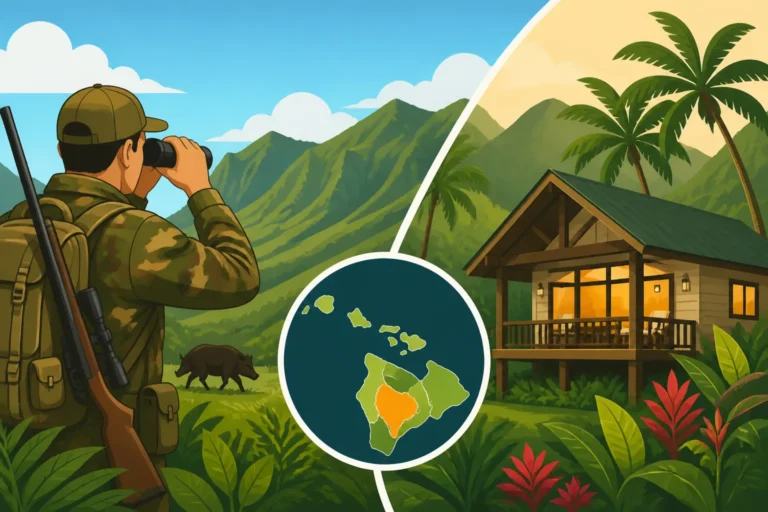
Molokai does not boast a plethora of large resorts or chain hotels. Accommodation options tend to be more intimate: think vacation rentals, small condos, and perhaps a few boutique lodges. Like rental cars, these fill up quickly, especially during hunting seasons or holidays, so booking well in advance is paramount. Kaunakakai is the main town and will be your hub for groceries, gas, and any last-minute supplies. However, the selection might be more limited and prices higher than what you're used to on the mainland or even on Oahu.
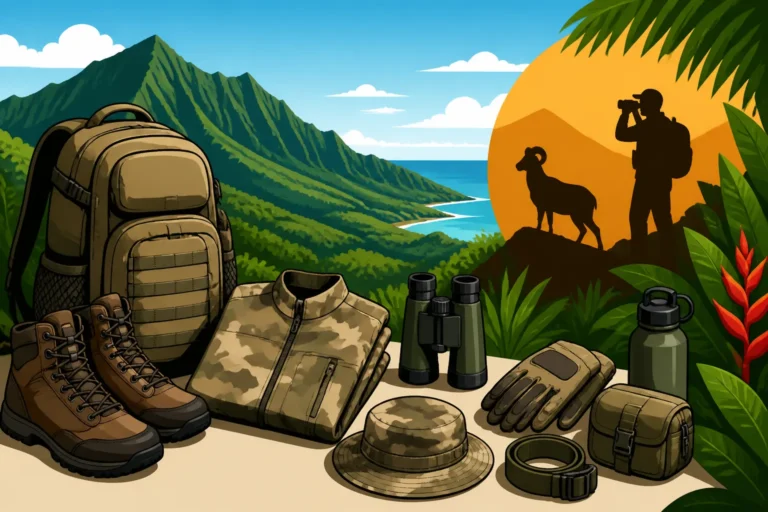
It's always a good idea to pack specialized gear you know you'll need, rather than hoping to find it on Molokai. This includes durable hunting boots, good rain gear, and all your personal hunting essentials. What to Pack for a Hawaii Hunt is a great resource to ensure you don't forget anything vital. For food, consider bringing non-perishable staples from a larger island or the mainland if you have dietary restrictions or prefer specific brands. Plan for water, especially if you're heading into dry areas. There are very few places to fill up once you're out in the field.
Securing Licenses and Permits for Molokai
Hunting on Molokai, like all of Hawaii, requires specific licenses and permits. First, you'll need a valid Hawaii hunting license. Hawaii Hunting Licenses and What They Cost will give you a comprehensive overview of the different options and associated fees for both residents and non-residents. Beyond the general hunting license, Molokai operates under a permit-tag system for its game mammals, primarily Axis deer and feral goats.
The Molokai Axis deer hunt, in particular, is often highly sought after and typically involves a lottery draw system. This means you need to apply by specific deadlines and hope your name is drawn. Molokai Permit-Tag Requirements details this process thoroughly. It's crucial to understand these requirements and application periods long before your planned hunt date. Websites like GoHunt can be incredibly helpful resources for tracking season dates, application deadlines, and understanding the nuances of Hawaii's draw system. Missing a deadline means missing your chance, so set reminders! Once you have a permit-tag, understand its specific rules, such as whether it's for an either-sex animal or antlered only, and the validity dates.
| Item | Commercial Flight (Inter-island) | Outfitter Shuttle (Molokai) | Rental Car (Molokai) |
|---|---|---|---|
| Booking | Essential, weeks/months in advance | Part of hunt package | Essential, weeks/months in advance |
| Cost | Varies, can add up | Included in package | Daily rate + fuel |
| Baggage Limits | Strict, fees for oversized | Outfitter typically handles | None, but space limited |
| Flexibility | Fixed schedule | Fixed routes/times | High |
| Terrain Access | N/A | Excellent, experienced driver | Varies by vehicle type (4×4 best) |
| Local Knowledge | N/A | Excellent | Requires research/GPS |
| Ideal for | Getting to Molokai | Guided hunters | Self-guided hunters |
Firearm Transportation and Registration
Bringing a firearm to Hawaii, and specifically to Molokai, involves a few extra steps that are absolutely non-negotiable. First, when flying into Hawaii from the mainland, your firearms must be declared with the airline, unloaded, and in a locked, hard-sided case. Once you arrive at your initial port of entry (likely Honolulu or Kahului), you'll need to register your firearms with the local police department. This isn't just a suggestion; it's a legal requirement. Flying to Hawaii With Firearms provides an excellent deep dive into this initial process.
Now, for Molokai, if you're flying directly from another Hawaiian island, the inter-island regulations are generally similar, but you still need to ensure your registration is handled correctly for the island you'll be hunting on. Upon arrival at Molokai Airport (MKK), you'll need to register your firearm with the Molokai branch of the Maui Police Department. This is usually done right at the airport or at the police station in Kaunakakai. Be prepared with all your documentation (ID, hunting license, firearm details). It's a critical step that ensures you're hunting legally and avoids any serious issues. Registering a Firearm After Arriving in Hawaii will walk you through the precise steps. If you're on a guided hunt, ask your outfitter if they can assist or advise on this process, as they often have local insights. Or, to avoid this altogether, consider Renting a Rifle From a Hawaii Guide.
Maximizing Your Molokai Hunting Experience
Molokai offers a truly unique hunting adventure, but like any special destination, a little extra effort in planning and respecting the local environment goes a long way.
Connecting with Local Expertise
There's no substitute for local knowledge, especially on an island like Molokai where hunting access, animal behavior, and terrain can be complex. If you're going self-guided, spend time researching the Molokai's Public Hunting Areas and their specific rules. Talk to locals, ask questions at sporting goods stores (if you can find any), and don't be afraid to strike up a friendly conversation with other hunters you might meet. They often have invaluable tips on current animal movements, water sources, and tricky terrain.
For many, a guided hunt on Molokai is the best way to tap into this expertise immediately. What a Hawaii Guided Hunt Costs can vary, and Molokai Axis Deer Hunt Prices are often higher due to the quality of the hunting experience and the logistics involved. However, a good guide brings not only hunting skill but also intimate knowledge of the island, its animals, and its regulations. They can put you in the right place at the right time, help with game recovery, and ensure you understand and adhere to all local customs and rules. Platforms like BookYourHunt can help connect you with reputable Molokai outfitters who can provide this invaluable local expertise. Even if you're not booking a full package, sometimes just a few hours with a local can dramatically improve your chances.
Respecting the Land and Community
Molokai is often called the "most Hawaiian island" for a reason. Its community holds strong cultural values and a deep connection to the 'aina (land). As a visitor and a hunter, it's incredibly important to approach your hunt with respect and humility. Observe local customs, practice impeccable "Leave No Trace" principles, and be a good steward of the land. This means packing out everything you pack in, staying on designated trails or access routes, and respecting private property boundaries without question. Molokai has a very strong sense of community, and hunters who disregard local etiquette or leave trash behind quickly earn a bad reputation, which can unfortunately impact access for everyone.
Be mindful of Hawaii's Weekend and Holiday Hunting Rules and understand that some areas may be sensitive. Check in and out of units properly using the required system, whether it's a physical card or the OuterSpatial app, as detailed in Checking In and Out of Hawaii Hunting Units. Show aloha, be friendly, and engage respectfully with the people you meet. A positive interaction with a local can make your entire trip, and build goodwill for future hunters. Hunting on Molokai is a privilege, and treating it as such will ensure not only a more rewarding experience for you but also help preserve hunting opportunities for generations to come.
Disclaimer
This article is for general informational purposes only and does not constitute professional advice. Laws, prices and regulations vary by location and change over time. Consult a qualified professional for guidance on your specific situation.