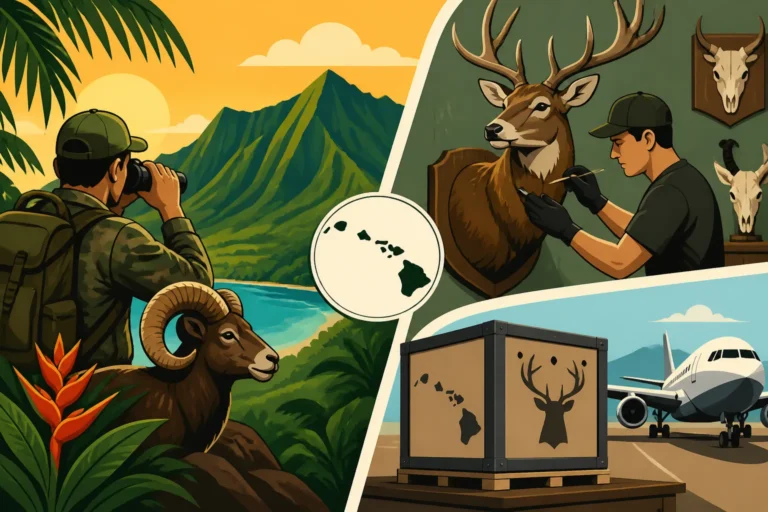
Guided Goat Hunts on a Sea Cliff
The lure of hunting wild goats on Hawaii's dramatic, wave-pounded sea cliffs is undeniably powerful, drawing adventurers seeking a truly unique and challenging experience. However, the sheer ruggedness and often dangerous nature of these landscapes mean that undertaking such a hunt without local knowledge and expert assistance can quickly turn perilous, making a guided trip a far more sensible and often successful approach. This guide will walk you through what to expect when considering a guided goat hunt along Hawaii's breathtaking, yet unforgiving, coastlines.
Why a Guide is Absolutely Essential for Sea Cliff Goat Hunts
Let's be real, those stunning photos of goats clinging to impossibly steep cliffs aren't just for show – they're a testament to the extreme terrain you'll be navigating. Hawaii's sea cliffs are not your average hunting grounds. They demand respect, specialized skills, and an intimate understanding of both the landscape and the animals. For most hunters, especially those visiting from the mainland, hiring a local guide isn't just a convenience; it's a critical safety measure and a huge advantage for success.
Unparalleled Safety in Treacherous Terrain
Navigating Hawaii's sea cliffs is a dance with gravity. Loose rock, crumbling edges, hidden crevasses, and sudden drops are commonplace. Add in the elements—blazing sun, unexpected rain squalls that make rock slippery, and relentless trade winds—and you have a recipe for disaster if you're not prepared. A good guide knows these dangers like the back of their hand. They've spent countless hours traversing these exact cliffs, understanding the stable paths from the treacherous ones.
They know where the rock is solid and where it’s prone to crumbling underfoot. They'll assess conditions, carry the right safety gear, and, most importantly, they'll make the tough calls to turn back if conditions become too risky. This isn't about being coddled; it's about making it home safe with a story to tell, not a trip to the emergency room. Without a guide, you're essentially walking into a geological minefield blind, and that's a risk no trophy is worth. Hunting Goats on a Sea Cliff Safely is a topic that really can't be overstated when planning this kind of adventure.
Gaining Access to Productive Private and Remote Lands
Much of Hawaii's prime goat habitat, particularly along the more dramatic sea cliffs, lies on private ranch land or within extremely remote public areas that are difficult to access. Securing permission to hunt these private parcels can be a monumental task for an individual hunter, often requiring established relationships and trust that only local guides possess. These guides frequently have exclusive leases or long-standing agreements with landowners, opening up opportunities you simply wouldn't have on your own.
Even on public land, many of the most productive cliff units are tucked away, requiring significant off-road driving, long hikes through dense brush, or even boat access to reach. Guides often have the specialized vehicles, local knowledge of rough tracks, and the experience to get you into these areas efficiently and safely. They cut through the red tape and logistical headaches, maximizing your time spent hunting rather than scouting for access points or getting bogged down in legalities. Without a guide, you might find yourself looking at prime goat country from a highway overlook, unable to actually get boots on the ground. Hawaii Private Ranch Hunting Access can be tricky to arrange on your own.
Expert Knowledge of Goat Behavior and Local Conditions
Hawaii's feral goats are hardy and wily, perfectly adapted to their cliff-dwelling existence. They know every ledge, every hidden crevice, and every escape route. Hunting them effectively requires more than just good shooting; it demands an understanding of their patterns, their feeding habits, and how they react to pressure and weather. A seasoned Hawaii guide has spent years, if not decades, observing these animals. They know where the goats bed down at different times of day, which trails they use to access water or browse, and how they’ll move when spooked.
They can read the wind patterns along the coast, understand how thermal drafts affect scent, and interpret subtle signs that an inexperienced eye would miss. This local expertise translates directly into higher success rates. They can guide your stalk, anticipate the goat's next move, and put you in a position for an ethical shot that would be nearly impossible to achieve solo. Glassing a Hawaii Coastline for Goats is an art, and guides are masters of it.
What to Expect on a Guided Sea Cliff Goat Hunt
A guided sea cliff goat hunt isn't a walk in the park; it's an adventure that will test your physical and mental limits. But with the right mindset and an experienced guide, it can be one of the most rewarding hunting experiences of your life. Understanding the realities of the terrain, the physical demands, and the typical hunting tactics will help you prepare properly.
The Terrain: Steep, Rugged, and Unforgiving
Forget flat ground. Sea cliff goat hunting means steep ascents and descents, often on loose rock, volcanic scree, or through dense, thorny kiawe brush. You'll be traversing ledges with sheer drops just inches away, scrambling over boulders, and navigating ravines. On islands like Molokai or the Big Island, these cliffs can rise hundreds, even thousands, of feet directly from the ocean, creating a vertical world that few other game animals inhabit.
The footing can be incredibly deceptive; what looks solid can give way, and a misplaced step could have serious consequences. Expect to use your hands as much as your feet, often crawling or sliding short distances. This is not a hunt for those with a fear of heights or limited mobility. Your guide will be constantly evaluating the safest route, but even the "safest" route is still extremely challenging. It's a true test of grit, and one that offers unparalleled views and a profound sense of accomplishment once you've overcome the landscape. Understanding How Goats Survive on Hawaii Sea Cliffs will give you a new appreciation for their incredible resilience and the terrain they call home.
Physicality: A True Test of Endurance
There’s no getting around it: a sea cliff goat hunt is physically demanding. You'll be hiking for hours, often in the heat and humidity, carrying your rifle, water, and essential gear. The steep grades will tax your lungs and leg muscles, and the uneven footing demands constant core engagement and balance. If you’re not accustomed to regular strenuous exercise, you’ll want to start a focused training regimen months before your trip. This should include plenty of hiking with a weighted pack, stair climbing, and exercises to strengthen your knees and ankles.
Your guide will set a pace that matches your fitness level, but they also have a job to do, which means covering ground to find animals. Being in good shape won't just make the hunt more enjoyable; it will also make you safer by reducing the risk of fatigue-related errors. This isn't just about bagging an animal; it's about pushing your own boundaries and discovering what you're truly capable of in one of the world's most spectacular and challenging environments.
Typical Hunting Tactics: Spot-and-Stalk with a Twist
The primary tactic for sea cliff goat hunting is a highly specialized form of spot-and-stalk. Your guide will often start by glassing vast stretches of cliff face and slopes from a high vantage point, using powerful binoculars or a spotting scope to locate goats. This can involve hours of patient searching, carefully picking apart the terrain for any sign of movement or the tell-tale white patch of a goat. Glassing a Hawaii Coastline for Goats is often where the hunt truly begins.
Once a suitable animal is spotted, the real challenge begins: planning and executing a stalk across incredibly difficult terrain to get within shooting range. This might involve descending into deep gulches, climbing rocky outcroppings, or crawling through dense vegetation, all while battling the swirling coastal winds that can betray your position. Shot distances can vary wildly, from close quarters in thick brush to long-range across open slopes, so proficiency with your chosen weapon is crucial. Your guide will lead the way, pointing out stable footing, identifying cover, and constantly adjusting the approach based on wind shifts and goat movement. It's a dynamic, chess-like game played out on a grand, vertical stage.
Choosing the Right Guide for Coastal Goat Hunting
Picking the right guide is paramount for a successful and safe sea cliff goat hunt. This isn't a generic elk hunt; it requires someone with very specific experience and a solid reputation for handling this extreme environment.
Experience with Sea Cliff Terrain and Goats
When you're literally hanging off a cliff, you want a guide who knows these specific conditions intimately. Look for outfitters who explicitly advertise experience with "sea cliff" or "coastal" goat hunts, not just general Hawaii hunting. Ask them about their specific areas of operation – are they truly hunting the steep, ocean-facing slopes, or are they taking clients to more accessible ranch lands? An experienced guide will have a deep understanding of How Goats Survive on Hawaii Sea Cliffs and use that knowledge to put you in the best position.
Ask about their safety protocols, how many hunters they take at once, and what kind of physical preparation they recommend. A good guide will be honest about the challenges and won't sugarcoat the demanding nature of the hunt. They should be able to describe specific routes they've taken, potential hazards, and how they handle animal recovery in such difficult spots. This level of detail will tell you if they're truly experts in this niche.
Reputation, Reviews, and Communication
Before booking, do your homework. Look for reviews and testimonials from previous clients. Platforms like BookYourHunt can be a good starting point to find reputable outfitters and see what others have said about their experiences. Pay close attention to comments regarding safety, guide professionalism, and client satisfaction. Reach out to the guide directly and gauge their responsiveness and willingness to answer all your questions. A great guide will be happy to chat, provide references, and discuss the nuances of their operations.
Consider factors beyond just success rates. How did clients feel about the guide's communication, their patience, and their overall demeanor? Did they feel safe and well-supported? Remember, you'll be spending a lot of intense time with this person in a potentially dangerous environment, so personality and trust are important. Don't hesitate to ask for references you can call directly. Choosing the Right Hawaii Outfitter involves a bit of investigative work, but it's well worth it.
What’s Included in the Hunt Package
Guided hunt packages for sea cliff goats can vary significantly, so it’s crucial to understand exactly what you’re paying for. Typical inclusions might cover:
- Guide services: The expertise of your local guide.
- Transportation: Getting to and from the hunting area, which might involve 4WD vehicles or even boat charters to remote coastal spots.
- Permits/Access Fees: If hunting on private land, these fees are often rolled into the guide's price.
- Field care of game: Basic field dressing and packing out the animal.
- Meals/Lodging: Some multi-day packages might include these, especially for very remote hunts, but many sea cliff hunts are day trips.
What's typically not included: Your hunting license and any required game tags (you'll need to secure these yourself, though your guide can advise), firearms (though some guides offer rentals), ammunition, personal gear (clothing, boots, optics), meat processing beyond field dressing, taxidermy, or shipping of meat/trophies. Make sure to clarify these details upfront to avoid any surprises. A clear understanding of What a Hawaii Guide Fee Covers is essential.
Preparing for Your Guided Cliff Hunt
Once you've booked your hunt, the preparation begins. This isn't just about packing a bag; it's about getting yourself physically and mentally ready for the challenge.
Physical Conditioning: Getting Cliff-Ready
As discussed, this hunt is a marathon, not a sprint. Prioritize cardiovascular endurance, leg strength, and core stability. Incorporate regular hiking, especially on uneven and steep terrain. If you have access to hills or mountains, use them. Stair climbers or stadium stairs are excellent substitutes. Carry a weighted pack during your training to simulate the weight you'll carry on the hunt.
Focus on exercises that strengthen your ankles and knees, as they'll take a pounding on the rocky, uneven ground. Flexibility and balance are also key for navigating narrow ledges and steep ascents. Don't underestimate the impact of Hawaii's heat and humidity; if possible, train in warm weather to acclimate your body. The better your physical condition, the more you'll enjoy the challenge and the safer your experience will be.
Essential Gear for Coastal Hunting
Your guide will provide specific gear recommendations, but here’s a general rundown of what you’ll need:
- Sturdy Hiking Boots: This is non-negotiable. Invest in high-quality, ankle-supporting boots with excellent grip. They should be well broken-in before your trip. Boots for Hawaii Lava and Wet Forest that are designed for rugged terrain are ideal.
- Layered Clothing: Even in Hawaii, coastal winds can make it chilly, especially at dawn or dusk, but mid-day can be scorching. Pack moisture-wicking layers, a lightweight jacket, and sun protection.
- Backpack: A comfortable daypack or small hunting pack to carry water, snacks, extra layers, first-aid, and any personal gear.
- Optics: Binoculars are essential for glassing. Your guide will likely have a spotting scope, but good binos are crucial for you too.
- Hydration: Bring plenty of water. Dehydration can happen quickly in the sun and with strenuous activity. A hydration bladder in your pack is often a good idea.
- Sun Protection: Hat, sunglasses, and high-SPF sunscreen are a must.
- First-Aid Kit: While your guide will have one, a small personal kit for blisters, minor cuts, and pain relievers is wise.
- Knife: A good sharp knife for field dressing.
- Camera: To capture the incredible scenery (and your trophy!).
Consider waterproof bags for electronics, especially on a boat approach or in case of sudden rain. What to Pack for a Hawaii Hunt really needs careful thought.
| Aspect | Self-Guided Sea Cliff Hunt | Guided Sea Cliff Hunt |
|---|---|---|
| Safety | High risk of injury/getting lost due to unfamiliar terrain | Significantly reduced risk with expert local knowledge & protocols |
| Access | Limited to public lands, often difficult to reach; private land unlikely | Access to prime private and remote public lands through guide's connections |
| Finding Game | Steep learning curve, relies on prior research and luck | Guide's intimate knowledge of goat patterns and habitat |
| Physical Demand | Extremely high, no built-in support for fatigue | High, but guide sets appropriate pace and ensures safety breaks |
| Gear Required | All personal gear, safety equipment, communication devices | Personal gear; guide often provides specialized safety/recovery tools |
| Success Rate | Variable, often lower for first-timers | Generally higher due to guide's expertise and access |
| Meat Recovery | Extremely challenging in steep terrain, high risk of spoilage | Guide expertise in field dressing and packing out meat efficiently |
| Overall Experience | High adventure, but potential for frustration/danger | High adventure with enhanced safety, learning, and success potential |
Licensing, Permits, and Firearm Rules
Before you even step on a plane, ensure all your paperwork is in order. You'll need a valid Hawaii hunting license and potentially specific permit-tags for goats, depending on the island and unit you're hunting. These are often purchased through the Department of Land and Natural Resources (DLNR) or their online portal. Your guide can certainly help clarify what's needed, but it's ultimately your responsibility.
If you're bringing your own firearm, be acutely aware of Hawaii's strict gun laws regarding transportation and registration. You must declare your firearm with your airline, and upon arrival, you'll need to register it with the Honolulu Police Department (if arriving in Honolulu) or the local county police department for other islands. If you're renting a rifle from your guide, they will handle the legalities for that firearm. Always double-check current regulations well in advance of your trip. Hawaii's Legal Weapons by Season outlines the specifics you need to be aware of.
The Mindset: Respect, Patience, and Realistic Expectations
Approach a sea cliff goat hunt with a profound sense of respect for the land, the animals, and your guide. This isn't just a trophy hunt; it's an immersive experience in a truly wild place. Be patient; hunting can involve long periods of searching followed by intense, short bursts of action. Goats are intelligent and agile, and success is never guaranteed.
Be realistic about your expectations. While a guide will maximize your chances, a "trophy" goat is an elusive animal, and even a meat animal on the cliffs is a hard-earned reward. Focus on the adventure, the stunning scenery, the physical challenge, and the invaluable experience of learning from a local expert. The memories made on a Hawaii sea cliff goat hunt will last a lifetime, regardless of whether you punch your tag.
Remember, a guided sea cliff goat hunt in Hawaii is one of the most unique and challenging hunting experiences available anywhere in the world. By choosing a reputable guide and preparing thoroughly, you set yourself up for an unforgettable adventure.
Disclaimer
This article is for general informational purposes only and does not constitute professional advice. Laws, prices and regulations vary by location and change over time. Consult a qualified professional for guidance on your specific situation.