Guided Bird Hunts in Hawaii
Hunting game birds in Hawaii might sound like a dream, but the reality for many mainland hunters, and even some residents, is a steep learning curve. The dense, often unforgiving terrain, scattered populations, and unique local regulations can turn an exciting prospect into a frustrating wild goose chase. This guide is here to walk you through how a guided bird hunt in Hawaii can transform that frustration into a fulfilling experience, offering insights into what to expect and how to choose the right partner for your adventure.
Why a Guided Bird Hunt in Hawaii Makes Sense
Let's be honest, dreaming of a Hawaii hunt is one thing, but actually executing it can be a whole other beast. The islands present some seriously unique challenges that aren't typically found in many other hunting destinations. This is where a knowledgeable guide truly shines, turning potential headaches into rewarding memories.
The Challenges of Self-Guided Bird Hunting in Hawaii
Imagine stepping off the plane, picking up your rental truck, and heading out to a public hunting unit with just a map and a prayer. While admirable, the odds are stacked against you, especially for bird hunting. First, the terrain itself is a massive hurdle. You're looking at everything from thick, tangled guava thickets and dense Hawaii's Wet Forest to treacherous, rocky lava flows and steep gulches. Finding birds in this kind of cover is tough enough, but even tougher when you're unfamiliar with the subtle signs and patterns they leave. You might spend days busting brush, thinking you're in the right spot, only to find you've been walking through empty country.
Then there's the access. While Hawaii does have public hunting lands, many of the prime bird spots are either hard to reach, require specific 4WD vehicles, or are located on private ranches and agricultural lands where access is strictly controlled. Even on public land, knowing the specific trails, the right elevation bands, or the subtle nuances of Reading Hawaii's Trade Wind Patterns that influence bird movement can take years of experience to decipher. You could spend more time trying to figure out where to park or how to avoid trespassing than actually hunting.
Expertise and Local Knowledge from a Guide
This is precisely where a good guide becomes invaluable. They don't just know the land; they understand it. A local guide has spent years, often a lifetime, observing bird patterns, learning their preferred habitats, and understanding how weather, time of year, and hunting pressure affect their behavior. They'll know exactly where the Erckel's Francolin are likely to be scratching in the tall grass, or which Hawaii's Dry Uplands are holding California Quail.
Beyond just finding the birds, a guide often brings a well-trained bird dog – a non-negotiable asset for flushing and retrieving in Hawaii's dense cover. Trying to track a downed Francolin in a thick guava patch without a dog is a recipe for a lost bird, and a lot of heartache. Guides also understand the micro-climates and subtle shifts in Hunting Downwind in Hawaii's Shifting Thermals, ensuring you're approaching birds from the right direction to maximize your chances. Their expertise extends to identifying species quickly and accurately, helping you stay within legal bag limits and ensuring you're targeting the right birds for the season.
Accessing Private Lands and Exclusive Opportunities
One of the biggest advantages of booking a guided bird hunt in Hawaii, especially for species like pheasant or chukar, is the access it provides to private lands. Many of Hawaii's premier bird hunting opportunities exist on vast ranches, agricultural fields, or former plantation lands that are otherwise completely off-limits to the public. These lands are often managed with wildlife in mind, offering consistent populations and less hunting pressure than public units.
Guides often have long-standing relationships and lease agreements with landowners, opening up exclusive areas that would be impossible to hunt on your own. This means less competition, often better bird numbers, and a much more focused and productive hunting experience. Instead of walking endless miles on public ground hoping to stumble upon a covey, you're guided directly to known hot spots. This access can be the difference between a disappointing trip and filling your vest with delicious game birds.
What to Expect from a Hawaii Guided Bird Hunt
So you've decided a guided hunt is the way to go. Excellent choice! But what does a typical bird hunt in paradise actually look like? It's often a bit different from what you might imagine, but in the best possible way.
Typical Game Birds Targeted
Hawaii boasts a fascinating array of introduced game birds, and a good guide will know where to find them. You'll primarily be targeting species like Erckel's Francolin, Gray Francolin, Black Francolin, Ring-necked Pheasant, Green Pheasant, Chukar Partridge, California Quail, Japanese Quail, Spotted Doves, and Barred Doves. Each species has its preferred habitat, from the high, dry lava slopes where Chukar Hunting Hawaii Island's High Country offers a challenge, to the dense, wet forests favored by Kalij Pheasant.
On a given hunt, your guide might focus on one or two species depending on the unit, season, and your preference. For instance, a morning might be spent walking up Francolin in rolling pastures, transitioning to dense brush for pheasant later in the day. Dove hunting often takes place around agricultural fields or Hunting a Reservoir Edge for Doves during specific seasons. The variety is truly one of the joys of bird hunting here.
Equipment and Logistics Provided
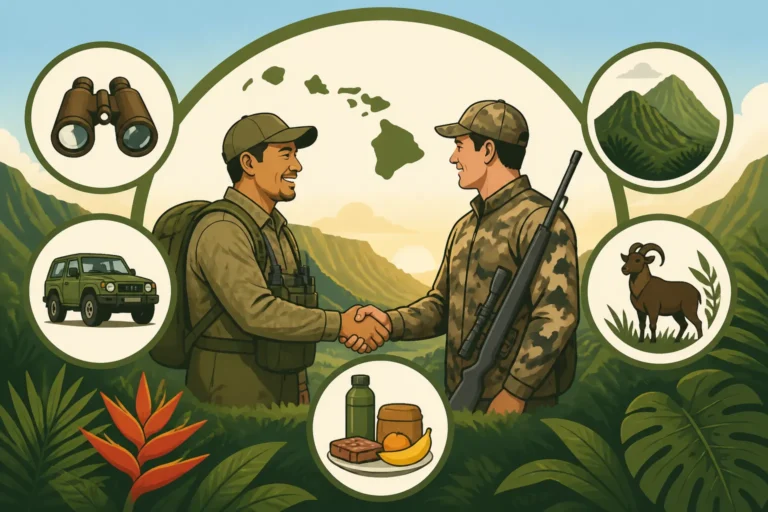
When you book with a reputable outfitter, a significant chunk of the logistical burden is lifted from your shoulders. Most guided bird hunts in Hawaii will include:
- Shotguns: Many guides offer quality shotguns for rent, often 12 or 20 gauge. This saves you the hassle and expense of flying with your own firearm, dealing with Hawaii Rules on Bringing a Firearm to the Islands, and registering it upon arrival. It's a huge convenience, especially for visitors.
- Ammunition: Compatible ammunition is usually provided or available for purchase from the guide, ensuring you have the right shot size for the birds you're targeting.
- Bird Dogs: As mentioned, well-trained pointing or flushing dogs are almost universally included. These dogs are critical for finding birds in thick cover and retrieving downed game, saving you immense effort and preventing lost birds.
- Transportation: Guides typically provide 4×4 vehicle transportation to and from the hunting areas, navigating rough roads and private access gates.
- Snacks and Beverages: Many guides offer light snacks and water throughout the day, which is crucial when hunting in Hawaii's warmth and humidity.
- Field Care: Your guide will assist with field dressing and cooling your birds, often providing coolers for transport back to your accommodation.
It’s always a good idea to confirm exactly what's included when you're making your booking. Websites like BookYourHunt can be a great resource for seeing what different outfitters offer in their packages.
The Flow of a Hunting Day
A typical guided bird hunt usually starts early, often before dawn, to take advantage of cooler temperatures and active birds. You'll meet your guide at a predetermined spot, which could be a local coffee shop, your accommodation, or a designated check-in point. After a brief safety talk and ensuring all licenses and tags are in order (the guide can help you understand Hawaii Game Bird Seasons and Bag Limits), you'll drive to the hunting area.
Once on location, the hunt begins. You'll walk at a comfortable pace, often in a line, while the dogs work ahead, quartering the terrain. When a dog goes on point or flushes a bird, your guide will direct you, ensuring safety and optimal shooting positions. The shooting can be fast and furious, or require patience as you stalk through cover. Expect a mix of walking open fields, navigating dense brush, and traversing uneven terrain.
Breaks for water and snacks are common, especially midday. Depending on the success and your stamina, the hunt might last until mid-afternoon. At the end of the day, your guide will help you tally your harvest, ensure proper Tagging an Animal Correctly in Hawaii if needed, and assist with initial field care.
| Game Bird Species | Preferred Habitat | Typical Challenge | Shooting Speed | Dog Requirement |
|---|---|---|---|---|
| Erckel's Francolin | Grasslands, brushy hillsides | Fast flush, camouflage | Medium-Fast | High |
| Ring-necked Pheasant | Agricultural fields, dense cover | Strong flight, thick escape | Fast | High |
| Chukar Partridge | High elevation, rocky lava | Running uphill, steep terrain | Medium | Medium-High |
| California Quail | Dry uplands, shrubby areas | Exploding coveys, low cover | Very Fast | Medium |
| Spotted/Barred Dove | Pastures, farm edges, low trees | Erratic flight, small target | Medium-Fast | Low |
| Kalij Pheasant | Wet, dense forest, gulches | Thick cover, heavy walking | Medium | High |
Choosing and Booking Your Hawaii Bird Hunting Guide
Choosing the right guide is paramount to a successful and enjoyable bird hunt in Hawaii. It’s not just about finding someone with a dog; it’s about finding a professional who matches your style and ensures a safe, productive, and memorable experience.
Key Questions to Ask Potential Outfitters
Before you commit, don't be shy about asking questions. A good outfitter will be happy to provide thorough answers. Here are some essential questions:
- What's included in the price? Confirm whether it covers guns, ammo, dogs, transportation, meals, and field care. Are there any hidden fees like trespass fees or cleaning charges?
- What species will we be targeting, and what are the typical bag limits? This helps set expectations and aligns with your hunting goals.
- What kind of terrain can I expect? Be honest about your physical fitness and ask if the terrain is suitable for your capabilities. Some areas are far more demanding than others.
- How long is a typical hunting day?
- What is your hunter-to-guide ratio? Smaller ratios often mean more personalized attention.
- Do you have references I can contact? Talking to past clients is one of the best ways to gauge an outfitter's reliability and quality.
- What is your cancellation or rescheduling policy? Hawaii weather can be unpredictable, so knowing your options in case of heavy rain or unforeseen circumstances is important.
- How do you handle game after the hunt? Ask about processing, packaging, and options for Shipping Meat Home From Hawaii or taking capes/feathers for taxidermy.
Navigating Licensing and Permit-Tags with Guide Assistance
The licensing and permit system in Hawaii can be a bit confusing, especially for non-residents. You'll need a valid Hawaii hunting license and, depending on the island and unit, potentially a game bird stamp. Guides are incredibly helpful in navigating this bureaucracy.
Many outfitters will guide you through the process, telling you exactly what licenses and stamps you need and where to purchase them. Some might even assist you directly or recommend platforms like GoHunt, which can streamline the purchasing process for your Hawaii Nonresident Hunting License Options and necessary stamps. It's crucial to have all your paperwork in order before your hunt day. Your guide will ensure you're compliant with all state regulations, including checking in and out of units, and understanding Hawaii Game Bird Bag Limits.
Finding Reputable Guides
Word-of-mouth is often the best way to find a great guide. Ask other hunters who have hunted Hawaii, or connect with local hunting communities online. Beyond that, reputable online booking platforms like BookYourHunt specifically feature guided hunting trips and often have client reviews and detailed outfitter profiles. This allows you to compare different guides, their offerings, and read feedback from previous hunters.
When researching, look for guides with a strong online presence, clear communication, and positive testimonials. Check if they are licensed and insured (most legitimate operations will be). Don't just go for the cheapest option; an experienced and reliable guide is an investment in your hunting experience. Also, consider calling a few different guides to get a feel for their personality and approach – you'll be spending a full day with them, so a good rapport is important.
Preparing for Your Hawaii Bird Hunting Adventure
Okay, you've booked your guide, sorted your license, and you're ready to head to Hawaii for some bird hunting. Now, let's talk about preparing yourself for the unique conditions these islands present. A little foresight goes a long way in making your trip comfortable and successful.
Physical Fitness and Terrain Considerations
Unlike a walk across a flat prairie for pheasants, bird hunting in Hawaii can be quite physically demanding. You could be walking through dense, undulating forest, scaling steep hillsides, or navigating uneven volcanic terrain. Even seemingly flat areas can be broken up by deep gulches or hidden lava tubes. The heat and humidity, especially if you're Hunting Pigs in Hawaii's Wet Forest on the windward side, can add another layer of challenge.
It's a good idea to engage in some cardiovascular exercise and strength training in the weeks leading up to your trip. Focus on exercises that build leg strength and endurance. Break in your hiking boots well in advance to prevent blisters. The more prepared you are physically, the more you'll enjoy the actual hunt and focus on the birds, rather than your aching muscles. Remember, your guide will lead the way, but you need to be able to keep up at a reasonable pace.
Essential Gear to Bring
While your guide might provide shotguns and ammo, there's essential personal gear you'll need to bring to ensure your comfort and safety.
- Footwear: This is paramount. Invest in comfortable, waterproof, ankle-supporting hiking boots with good traction. Boots for Hawaii Lava and Wet Forest need to be tough. You'll be traversing everything from slick, muddy trails to sharp lava rock.
- Clothing: Think layers, even in Hawaii. Mornings can be cool, especially at higher elevations, but midday can get hot. Lightweight, breathable, moisture-wicking materials are your friend. Long pants and long-sleeved shirts are advisable to protect against sun, thorns, and insects. Blaze orange is often required or highly recommended for visibility and safety on public lands, so check Hawaii Blaze Orange Requirements and confirm with your guide.
- Headwear: A wide-brimmed hat or baseball cap for sun protection is a must.
- Eye Protection: Safety glasses are non-negotiable when shooting.
- Hearing Protection: Crucial for protecting your ears from shotgun blasts.
- Hydration Pack/Water Bottles: While your guide might have water, always carry your own. Dehydration can creep up quickly in Hawaii's climate.
- Sunscreen and Insect Repellent: Protect yourself from the strong equatorial sun and any mosquitoes.
- Small Backpack: To carry your water, snacks, extra shells, and any personal items.
- Gloves: Can be helpful for protecting hands in thorny brush.
- Game Vest or Bag: For carrying your harvested birds.
Respecting the Land and Local Culture
Hunting in Hawaii comes with a responsibility to respect the unique environment and the local culture. The islands are fragile ecosystems, and hunters play a vital role in managing invasive species. Listen carefully to your guide regarding ethical hunting practices, conservation efforts, and land stewardship. Adhere strictly to all game laws and regulations.
Beyond environmental respect, be mindful of local customs and the "Aloha Spirit." Be polite, friendly, and appreciative of the opportunity to hunt these beautiful islands. Remember, many hunters here have deep generational ties to the land and the tradition of hunting. Approaching your adventure with humility and respect for the people and the place will not only enrich your experience but also contribute positively to the hunting community. It's a privilege to hunt in Hawaii, and treating it as such ensures these opportunities remain for future generations.
Disclaimer
This article is for general informational purposes only and does not constitute professional advice. Laws, prices and regulations vary by location and change over time. Consult a qualified professional for guidance on your specific situation.