Getting a Pig Out of a Hawaii Gulch
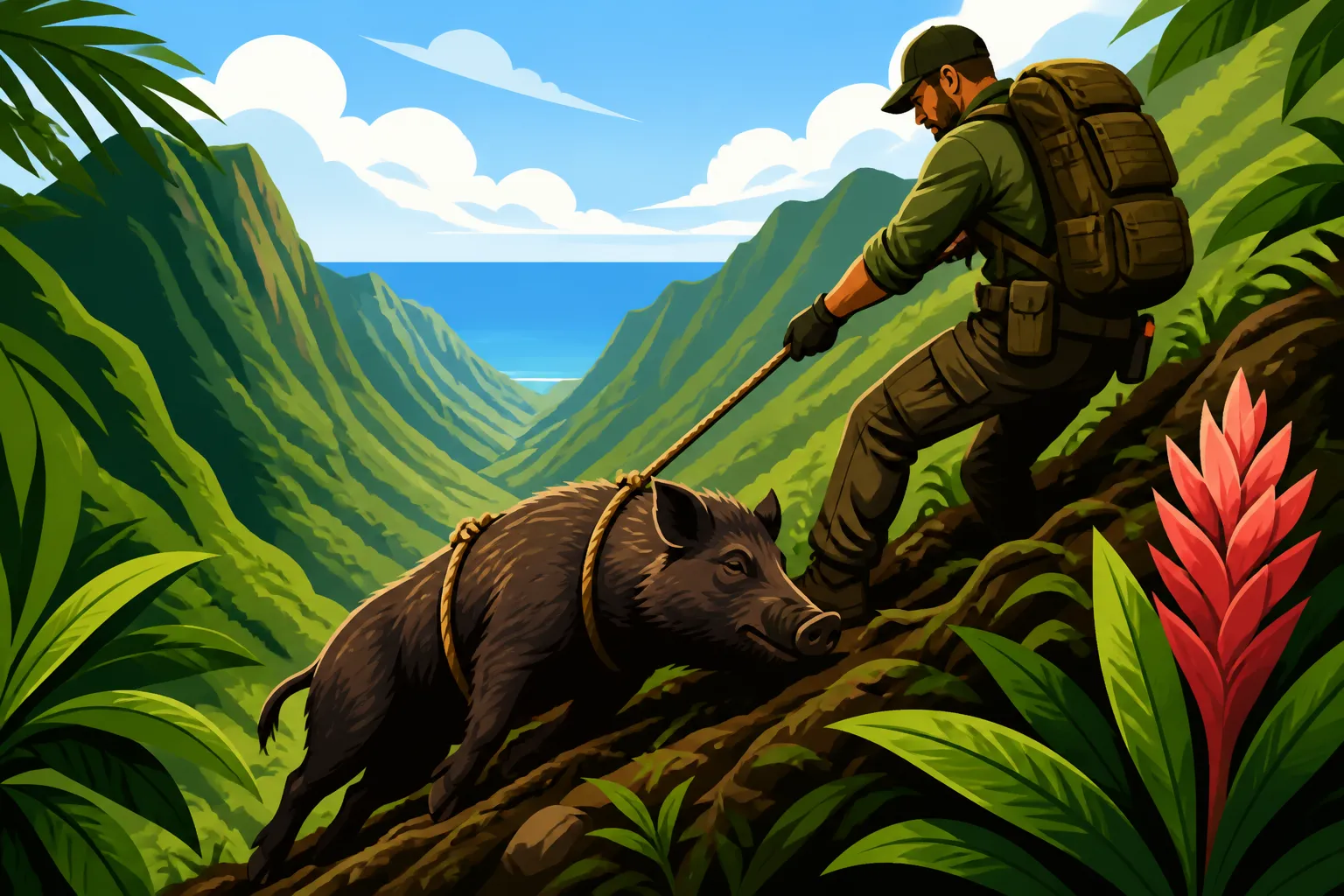
You've just put in the hard work, stalked through thick jungle or navigated slippery lava, and made a clean shot on a feral pig. The adrenaline is pumping, you're proud of your harvest, and then it hits you: the pig is at the bottom of a steep, tangled gulch, and now comes the real work. Getting a pig out of a Hawaii gulch is often the most grueling part of the hunt, challenging even the most seasoned hunters with its unique combination of steep terrain, dense vegetation, and unforgiving heat and humidity. This guide is here to walk you through the practical, realistic steps to conquer that final, monumental task and get your hard-earned pork home safely.
Evaluating the Gulch and Your Harvest
Before you even think about grabbing an ankle and pulling, take a breath and really assess the situation. The terrain in Hawaii's gulches can be incredibly deceptive and dangerous, and rushing in can turn a successful hunt into a miserable, or even dangerous, ordeal. Your first priority, even before touching the pig, is always safety and a thorough assessment of the environment you're in.
Understanding the Terrain Challenges
Hawaii's gulches aren't like the gentle dips you might find elsewhere. They can be incredibly steep, sometimes dropping hundreds of feet at angles that feel vertical. The ground itself varies wildly – you might be dealing with loose volcanic rock and crumbling cinder, slick red dirt that turns to grease with the slightest moisture, or matted, root-choked earth that hides treacherous holes. Then there's the vegetation: thick, thorny kiawe in dry areas, or an impenetrable wall of strawberry guava, uluhe fern, and hau bush in the wetter regions. Trying to drag a heavy animal through this can feel like pulling a truck through molasses while climbing a ladder. You also need to consider your exit path – is there a slightly less steep route? Any natural benches or terraces you can use to break up the climb? Sometimes the direct route isn't the fastest or safest, especially when you're loaded down. Thinking about how to navigate a Hawaii gulch system is crucial, not just for the hunt, but for the haul out.
Initial Field Dressing Decisions
The first, and arguably most important, decision you'll make after the kill is how to handle field dressing. In the heat and humidity of Hawaii, meat can spoil incredibly fast. While it might be tempting to just gut the animal and start dragging, a better approach is often to completely break the pig down into manageable pieces at the kill site, especially if you're in a deep gulch or far from the truck. For bigger pigs, this means quartering the animal, and for really tough hauls, even boning out the meat to reduce weight. This is where Field Care in Hawaii's Heat and Humidity becomes paramount.
Think about it: a 150-pound pig, even gutted, is still 120-130 pounds of awkward, floppy weight that's almost impossible for one person to maneuver up a steep, brushy slope. But that same pig, broken into four quarters, a backstrap, and tenderloins, can be distributed into game bags and carried by one or two people with a good pack frame. This might take an extra 30-60 minutes on site, but it will save you hours of back-breaking, potentially dangerous work later. Plus, it allows the meat to cool down much faster, preserving its quality. Make sure you have a sharp knife, a small bone saw (if quartering), and plenty of breathable game bags with you.
Practical Methods for Pig Extraction
Once you've assessed the situation and performed your initial field dressing, it's time to choose your extraction method. This choice will depend heavily on the size of the pig, the steepness of the gulch, the density of the brush, and how many people you have in your hunting party.
The Drag and Haul Strategy
For smaller pigs, or if the gulch has a relatively gentle slope and less dense undergrowth, a traditional drag might still be feasible. However, this is rarely the case in many Hawaii units. If you do opt to drag, invest in a quality game drag harness or a sturdy rope. Attaching the rope to the pig's head or front legs allows you to pull it, but be prepared for the pig to snag on every root, rock, and branch. Dragging a pig through thorny kiawe or tangled guava can quickly become a nightmare, leaving you scratched, exhausted, and potentially damaging the hide and meat. It's also much harder on the meat, as it can get bruised or dirty.
If you're hunting with dogs, and especially if you're Pig Hunting With Dogs in Hawaii, your dogs might be exhausted after the chase and bay, so don't count on them to help with the drag unless they're specifically trained for it. This method is generally recommended only for very small pigs (say, under 60-70 pounds) or for the last, easier stretch to your vehicle after the main challenge of the gulch is overcome. Remember to check regulations regarding Legal Weapons When Hunting Pigs With Dogs if you are using this method.
The Quartering and Packing Method
This is, hands down, the most efficient and practical method for getting a pig out of a steep Hawaii gulch, especially larger animals. Quartering involves field dressing the pig, then breaking it down into its primal cuts: two front quarters, two hindquarters, and the backstraps/tenderloins. For a truly challenging haul, you can even bone out these quarters, leaving the bone in the field to further reduce weight.
Here's a quick breakdown:
- Bleed and Gut: First, ensure the animal is completely bled out and gutted. Remove all organs.
- Skinning (Optional but Recommended): In Hawaii's heat, skinning the pig at the kill site helps the meat cool much faster and reduces overall weight, though it adds to the mess. It also makes cutting easier.
- Remove Front Quarters: Cut through the hide and muscle where the front leg connects to the body. There's no collarbone in a pig, so it's mostly muscle and connective tissue.
- Remove Hindquarters: Detach the hind legs. This usually involves cutting around the hip joint. A bone saw or heavy-duty knife might be needed to separate the pelvis for easier access to the tenderloins.
- Harvest Backstraps and Tenderloins: These are prime cuts and easily removed.
- Pack in Game Bags: Place each quarter and other meat pieces into separate, breathable game bags. This protects the meat from dirt, flies, and debris, and makes it easy to handle.
- Load into Pack Frames: Distribute the weight evenly among your pack frames. If you have multiple hunters, share the load. A good internal or external frame pack is essential.
This method, while requiring more time and effort on the front end, significantly reduces the bulk and weight of the load, making it much easier to ascend steep, brushy slopes. It also ensures maximum meat quality by allowing rapid cooling. If you're going Still-Hunting Pigs in Hawaii's Wet Forest and expect to be far from the truck, this is your best bet. This is also how serious hunters approach Packing Meat Out of a Hawaii Gulch.
| Method | Pros | Cons | Ideal Scenario |
|---|---|---|---|
| Dragging (Whole) | Quickest initial step; minimal tools needed | Extremely difficult in steep, brushy terrain; damages meat | Small pig, short distance, gentle, clear path |
| Quartering & Packing | Reduces weight and bulk significantly; preserves meat quality | More time at kill site; requires specific tools (knife, bags, pack) | Large pig, long distance, steep and/or dense terrain, multiple hunters |
| Boning Out & Packing | Maximum weight reduction | Most time-consuming at kill site; requires skill | Extremely challenging terrain, solo hunter, remote location |
Specialized Equipment and Techniques
Sometimes, even quartering isn't enough, or the gulch is just too gnarly. Here are a few advanced techniques and pieces of gear that can really make a difference:
- Game Carts/Sleds: While not practical for vertical climbs, a sturdy game cart or sled can be invaluable for traversing flatter sections leading up to or away from a gulch. Some specialized lightweight sleds are designed to be pulled by hand and can help reduce friction over rough terrain once you're out of the steepest part.
- Rope Systems: If you're with a partner and facing a truly vertical or extremely slippery climb, a basic rope system can be employed. This isn't for the faint of heart and requires experience with knots and safe hauling. One person goes ahead with a light load, anchors a rope, and then helps pull up the heavier packs or even the entire animal (if gutted and small enough). This often falls under Packing Meat Out of a Hawaii Gulch. Always prioritize safety and know your limits with such methods.
- The "Fireman's Carry" or Shoulder Carry: For smaller pigs (under 100 lbs), a strong hunter might choose to carry the gutted animal over their shoulders. This frees up your hands for climbing and navigating, but it's incredibly strenuous and only advisable for shorter, less technical ascents. You'll need to clean the cavity thoroughly to prevent blood from dripping all over you.
Essential Tools and Gear for Gulch Extraction
Having the right gear isn't just about convenience; it's about making a grueling task manageable and, most importantly, safe. Don't skimp on these items if you plan on hunting Hawaii's challenging gulch country.
Cutting and Processing Tools
Your primary tool will be a good quality, sharp hunting knife. And by good quality, I mean something that holds an edge, is easy to resharpen, and feels comfortable in your hand. Bring a spare, or a small field sharpener. If you plan to quarter larger pigs, a compact bone saw is a game changer; trying to hack through bone with a knife is inefficient and dangerous.
- Fixed-Blade Hunting Knife: Essential for gutting, skinning, and breaking down the animal. Look for a stainless steel blade that resists corrosion in Hawaii's humid environment.
- Bone Saw: A small, lightweight bone saw (manual or folding) makes short work of joints and ribs, saving your knife edge and your effort.
- Game Bags: Crucial for keeping your meat clean, cool, and protected from flies. Breathable cloth bags are preferred over plastic, as they allow air circulation, which is vital in warm climates. Bring several, as a single large pig will require multiple bags for its quarters.
Carrying and Hauling Equipment
This is where the real investment for gulch hunting pays off. Forget those flimsy daypacks; you need something built for heavy loads.
- External Frame Pack or Pack Frame: A good quality external frame pack is designed to carry heavy, awkward loads and keeps the weight off your back, distributing it to your hips. Many are modular, allowing you to attach game bags directly to the frame. Brands like Mystery Ranch, Kifaru, and Stone Glacier offer excellent options. Even a simpler pack frame with strong lashing straps can make a world of difference.
- Heavy-Duty Rope or Straps: A strong, non-stretch rope (at least 50 feet, 3/8-inch or 1/2-inch diameter) can be used for dragging, setting up hauling systems, or even as a safety line. Webbing straps are also useful for securing loads.
- Gloves: Heavy-duty work gloves protect your hands from thorns, sharp rocks, and rope burn.
- Headlamp or Flashlight: If the extraction takes longer than expected, or you're hunting Getting the Most From a Hawaii Weekend Unit and pushing last light, you'll need hands-free illumination.
Navigation and Safety Gear
Beyond just carrying the meat, you need to ensure you can get yourself and your partners out safely.
- GPS Device/Smartphone App: Crucial for staying found, especially when you're off-trail and focused on the load. Apps like GoHunt or onX Hunt are incredibly useful for Hawaii's public lands, allowing you to track your route, mark the kill site, and navigate to your vehicle. Remember that No Cell Signal on a Hawaii Hunt is common in gulches, so download offline maps.
- First-Aid Kit: Scrapes, cuts, sprains, and dehydration are real possibilities. A well-stocked first-aid kit is non-negotiable.
- Plenty of Water: You will exert an incredible amount of energy. Dehydration is a serious risk in Hawaii's heat. Carry more water than you think you'll need. Water and Heat Planning for a Hawaii Hunt is a critical component of any hunt plan.
- Whistle: For signaling partners if you get separated or need help.
Safety First: Preventing Injury During Extraction
Pulling a heavy pig out of a gulch isn't just physically demanding; it comes with inherent risks. Prioritizing safety will prevent injury and ensure you make it home to enjoy your harvest.
Navigating Hazardous Terrain
Hawaii's gulches present a myriad of hazards. Loose rocks and soil can lead to falls, especially on steep grades. The dense vegetation hides roots, holes, and sharp branches that can trip you up or impale you. If you're hunting in areas with lava, the ground can be incredibly sharp and uneven, quickly destroying boots and ankles. Always watch your footing, move slowly and deliberately, and use trekking poles for stability, especially when carrying a load. If you're Hunting Hawaii's Volcanic Terrain, you know how treacherous this can be.
Be aware of slippery conditions. A dry gulch can turn into a mudslide after a sudden rain shower. Muddy slopes are extremely slick, making any kind of traction difficult. If possible, avoid hunting or extracting during heavy rain. If caught in it, slow down and test every step.
Proper Lifting and Carrying Techniques
Your back is your most valuable asset. Improper lifting can lead to serious injury that sidelines you for weeks or even months.
- Lift with Your Legs, Not Your Back: Bend at your knees, keep your back straight, and use your powerful leg muscles to lift the load.
- Keep the Load Close: Cuddle the weight as close to your body as possible to maintain balance and reduce strain.
- Distribute Weight Evenly: If using a pack frame, ensure the load is balanced. If sharing the load with a partner, try to keep the individual weights as even as possible.
- Take Breaks: Don't try to power through without stopping. Rest frequently, rehydrate, and check for signs of fatigue. Short, frequent breaks are more effective than pushing until you collapse.
- Communicate with Partners: If you're working with others, clearly communicate before lifting, moving, or navigating tricky spots. Yell "rock!" or "moving!" to alert others to potential hazards or actions.
Staying Hydrated and Recognizing Fatigue
The tropical environment of Hawaii, even at higher elevations, means heat and humidity can quickly sap your energy and lead to dehydration.
- Drink Constantly: Don't wait until you're thirsty. Sip water regularly, even when you're not actively feeling parched. Electrolyte supplements can also be beneficial to replenish salts lost through sweat.
- Recognize the Signs of Dehydration and Heat Exhaustion: Headaches, dizziness, nausea, muscle cramps, and excessive sweating (or suddenly not sweating) are all red flags. If you or a partner experience these, stop immediately, find shade, hydrate, and cool down.
- Know Your Limits: There's no shame in admitting you're too tired or the task is too big for the current conditions. Sometimes, it's better to make multiple trips, or even come back the next day with more help, than to risk injury or spoil the meat. For a true remote hunt, consider the advice in Hunting Hawaii on Foot Without a Truck.
Remember, a successful hunt isn't just about bagging an animal; it's about doing so safely and responsibly, and getting that hard-earned meat home. Hauling a pig out of a Hawaii gulch is an immense challenge, but with proper planning, the right gear, and a focus on safety, it's a challenge you can overcome.
Disclaimer
Hunting in Hawaii involves inherent risks, including navigating challenging terrain, unpredictable weather, and encounters with wildlife. Always prioritize safety, adhere to all state and local regulations, and ensure you are adequately prepared and equipped for your specific hunting area. The information provided in this guide is for informational purposes only and should not replace professional guidance or personal judgment.