Hunting Hawaii’s Weekend-Only Game Bird Days
The struggle to get out and hunt game birds in Hawaii is a real one, especially when you're trying to navigate the often-confusing calendar of weekend-only seasons. It can feel like you need a special decoder ring just to figure out when and where you're actually allowed to chase chukar, francolin, pheasants, or doves. For many of us with busy work weeks or family commitments, those precious weekend days are the only time we have, and missing a limited season because of unclear rules or bad planning is incredibly frustrating. This guide is here to cut through the confusion, offering a clear roadmap for understanding and maximizing your success on Hawaii’s weekend-only game bird hunting opportunities.
Understanding Hawaii's Game Bird Calendar
Hawaii's game bird seasons aren't a simple "open from X date to Y date" affair. Many of the prime hunting opportunities, particularly on public lands, are meticulously scheduled for specific weekends and state holidays. This isn't just to make things complicated; it's a strategic move by the Department of Land and Natural Resources (DLNR) and its Division of Forestry and Wildlife (DOFAW) to manage hunting pressure, conserve bird populations, and minimize conflicts with other recreational users or land management activities. For hunters, this means every weekend becomes a valuable commodity, and knowing the exact dates is paramount.
Why Many Seasons are Weekend-Only
The primary reason for these weekend-only stipulations boils down to resource management and access. Public hunting areas, especially those managed by DOFAW, are often multi-use lands. They might host hikers, mountain bikers, or even commercial operations during the week. By restricting hunting to weekends and holidays, DOFAW can concentrate hunter activity, making enforcement simpler and allowing for clearer communication regarding open and closed days. This system also helps to distribute hunting pressure over a longer period, preventing specific areas from being over-hunted if they were open daily. For instance, a small, productive unit might only be able to sustain a handful of hunters each week, and concentrating those opportunities on a Saturday and Sunday ensures fair access without decimating local bird populations. It's a balancing act, and sometimes it feels like a tightrope walk for us hunters.
General Statewide Season Frameworks
While specific dates vary year-to-year and by island, there are some general patterns to Hawaii’s game bird seasons. Typically, the main game bird season kicks off in the early fall, often around September or October, and can extend through late January or even into early May, depending on the species and unit. Most of the action, however, is concentrated in the fall and winter months. For most upland birds like Chukar, Francolin, and Pheasant, these seasons are almost exclusively weekend and state holiday affairs. Doves, on the other hand, sometimes enjoy more liberal, extended seasons, even year-round in certain designated areas, though often still with specific bag limits and shooting hours that require careful checking. To stay on top of these dates, it's crucial to regularly check the current hunting regulations published by DOFAW, which are often accessible through their website or platforms like GoHunt. This ensures you're always operating with the most up-to-date information, avoiding any unfortunate surprises in the field.
Island-Specific Weekend Schedules
It's impossible to talk about Hawaii hunting without emphasizing that "island-specific" is the name of the game. What's open on Hawaii Island might be closed on Maui, and a certain unit on Kauai might have entirely different dates than one on Oahu. For example, some units on Hawaii Island might open for Chukar hunting in the high country only on a few select weekends in the late fall, while Molokai might have a much more open season for Gray Francolin extending for several months of weekend-only hunting.
Here's a quick look at how the islands often vary for popular game bird species:
| Species | Typical Habitat | Primary Islands Hunted | General Weekend Season Notes |
|---|---|---|---|
| Chukar Partridge | High-elevation, arid, rocky slopes | Hawaii Island | Shorter seasons, often late fall/early winter weekends. |
| Erckel's Francolin | Wet, brushy slopes, forest edges | Hawaii Island, Maui, Molokai | Longer seasons, extending into spring. |
| Gray Francolin | Dry grasslands, kiawe flats | Maui, Molokai, Lanai, Oahu, Kauai | Often open for much of the general season. |
| Black Francolin | Dense cover, agricultural edges | Hawaii Island, Kauai | Similar to Gray Francolin, but more limited range. |
| Ring-necked Pheasant | Agricultural fields, dense shrubland | Hawaii Island, Maui, Kauai | Specific weekend dates, usually fall. |
| Kalij Pheasant | Wet upland forests | Hawaii Island, Oahu, Maui | Very specific dates, often challenging terrain and shorter seasons. |
| Spotted Dove | Lowland agricultural, urban edges | All islands | Often extended seasons, even year-round in some units. |
| Barred Dove | Similar to Spotted Dove, brushy areas | All islands | Similar to Spotted Dove. |
| California Quail | Dry uplands, shrub-covered slopes | Hawaii Island, Maui | Shorter seasons, specific weekends, usually fall. |
| Japanese Quail | Open grasslands, ranch lands | Hawaii Island | Very limited seasons, often by special permit. |
This table is a general guide, and it cannot stress enough how vital it is to consult the specific year's regulations for the island and unit you intend to hunt. Many hunters rely on the official Hawaii DLNR/DOFAW website, or use apps like OuterSpatial for real-time unit information and check-ins, especially for Hawaii's Weekend-Only Hunting Units. These resources are indispensable for avoiding trespass or hunting out of season.
Targeting Key Game Bird Species
Hawaii boasts an impressive array of introduced game birds, each offering a unique hunting challenge. Knowing which species thrive in what habitat, and understanding their behavior, is key to making the most of those limited weekend-only hunting days. It’s not just about showing up; it’s about knowing where to show up and how to approach them.
Chukar and Upland Terrain Weekends
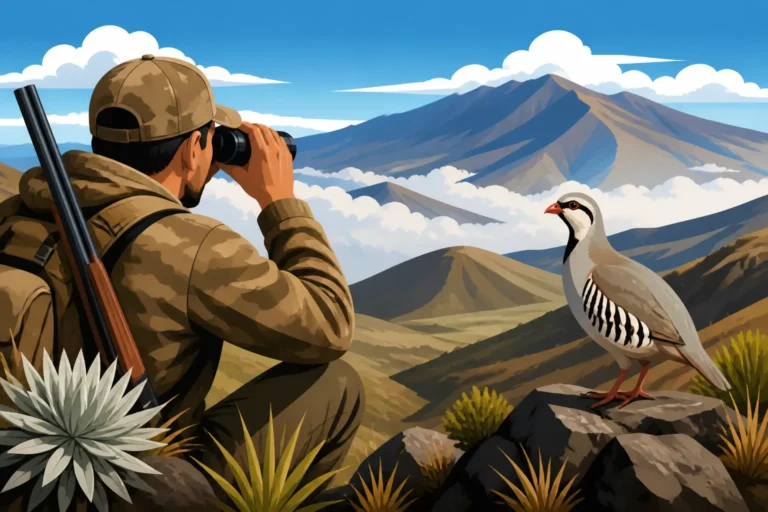
If you're looking for a serious workout and a rewarding hunt, Chukar Hunting Hawaii Island's High Country on Hawaii Island is an experience unlike any other. Chukar Partridge thrive in the arid, rocky, high-elevation slopes of places like Mauna Kea. These birds are incredibly wary, have phenomenal eyesight, and prefer to run uphill rather than fly, making for some truly grueling pursuits. You’ll typically find them on open, windswept cinder cones and lava flows, often associated with scattered mamane or naio shrubs. The seasons for chukar are usually quite short, often restricted to just a few weekends in the late fall or early winter when the weather can be surprisingly cold and windy at elevation. A real-life scenario might involve hiking for hours across unforgiving lava, glassing distant slopes for tell-tale movements, only for a covey to burst from a lava tube you never saw. Success here means being in excellent physical shape, possessing good optics, and being prepared for rapid changes in weather and terrain.
Francolin and Pheasant in Forest and Grasslands
Hunting Francolin and Pheasant in Hawaii offers a more diverse set of environments. Erckel's Francolin and Kalij Pheasant are often found in the denser, wetter forest and brushy slopes, particularly on Hawaii Island, Maui, and Oahu. Erckel's, with its distinctive call, can be found clinging to steep, vegetated gulches and kipukas, making them a challenge to pin down. Kalij Pheasants, beautiful iridescent birds, are typically deep in the wet upland forests, favoring areas with dense undergrowth. Hunting these species often involves crashing through thick, thorny tangles of guava, ginger, and uluhe fern. On the drier side of the islands, you’ll encounter Gray and Black Francolin, along with Ring-necked Pheasant, often in open grasslands, kiawe flats, or the edges of agricultural fields. These birds can flush with explosive speed, making quick, instinctive shots a must. Many of these areas also feature specific weekend seasons to control access and allow for bird recovery. A common scenario might involve working the edge of an old pineapple field or cane grass, pushing through thick cover in hopes of flushing a pheasant or a covey of francolin.
Doves and Quail: Farm Fields and Dry Country
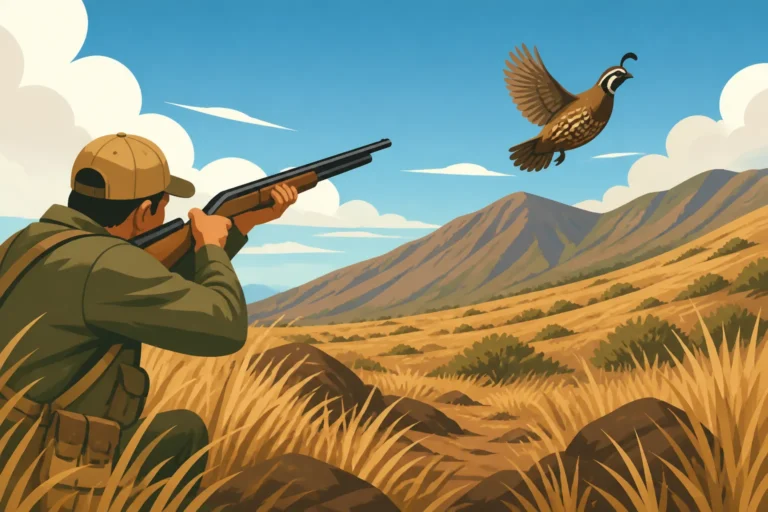
For those seeking a slightly less physically demanding hunt, Dove Hunting on Hawaii Farm Ground and quail offer exciting opportunities, often in more accessible lowland and dry country areas. Spotted and Barred Doves are widespread across all islands and can be found feeding in agricultural fields, along dirt roads, and in kiawe forests. Their seasons tend to be more generous, with some units even having year-round opportunities, though still restricted to specific weekend days in many public areas. Quail, primarily California Quail, are found in the dry, brushy uplands of islands like Hawaii Island and Maui. They typically hold tight in cover, exploding into flight when disturbed, similar to a bobwhite. A typical dove hunt might involve setting up near a stock pond or a freshly mowed field in the early morning or late afternoon, waiting for birds to fly in. For quail, it's often a walk-up hunt, covering ground through dry grass and scattered brush. These hunts are fantastic for honing your wing-shooting skills and can be a great way to introduce new hunters to the sport, particularly on those dedicated weekend-only game bird days.
Essential Gear and Tactics for Weekend Hunts
Hawaii's diverse terrain and microclimates demand a thoughtful approach to gear and tactics. You can go from hot, dry lava fields to cool, misty rainforests within a few miles, even on a single hunting day. Being prepared for these extremes, especially when your hunting window is limited to a couple of weekend days, is critical.
Footwear and Clothing for Diverse Terrain
Your feet are your most important asset when chasing game birds in Hawaii. Investing in high-quality, waterproof, and supportive hiking boots is non-negotiable, especially if you plan on tackling the steep, uneven terrain where Chukar and Erckel's Francolin often reside. Boots with good ankle support are essential for navigating lava fields, rocky gulches, and slippery, wet forest floors. For clothing, layers are your friend. Early mornings can be cool, especially at higher elevations, but midday sun can quickly bring stifling heat. Quick-drying, synthetic fabrics are ideal. Blaze orange is often required for safety on public hunting lands, so make sure you have a vest or hat. Don’t forget lightweight rain gear; even on a sunny day, a sudden shower can roll in, particularly on the windward sides of the islands or in the uplands. Having protective leg gaiters can also save your shins from thorny kiawe, sharp lava, or abrasive uluhe fern, which you'll definitely encounter when Hunting Hawaii's Volcanic Terrain or working through thick brush.
Weapons, Ammunition, and Bird Dogs
For game bird hunting in Hawaii, shotguns are the weapon of choice. A 12-gauge or 20-gauge shotgun, typically an over/under, side-by-side, or semi-automatic, is standard. As for ammunition, smaller shot sizes like 6, 7.5, or 8 are commonly used, depending on the species and desired range. Always double-check the current regulations for any specific restrictions on shot size or type for the unit you're hunting. For those who enjoy it, Using a Bird Dog in Hawaii Terrain can dramatically increase your success rate and make the hunt incredibly enjoyable. Pointers and flushers are particularly effective for locating birds in dense cover or retrieving them from steep terrain. However, be mindful of the heat and humidity; working dogs need plenty of water and breaks. Not all units allow dogs, so check unit-specific rules beforehand. Also, ensure your dog is conditioned for the rough ground, as lava and sharp vegetation can be hard on paws.
Effective Hunting Strategies for Limited Days
Given the weekend-only nature of many game bird seasons, maximizing your time in the field is crucial. Scouting, if possible, even just by studying maps or online aerial imagery, can give you a significant advantage. Focus on areas where food sources (like seeding grasses, berries, or insects) and water are present. For upland birds like chukar and francolin, hunting during the cooler parts of the day – early mornings and late afternoons – is often most productive, as birds will be more active and feeding. For doves, identifying traditional flight paths between roosting and feeding areas can be incredibly effective. Consider a strategy of "still-hunting" slowly and deliberately through promising cover, stopping frequently to listen for bird calls or the tell-tale rustle of birds moving. Don't be afraid to cover ground; these birds can be elusive. If you're hunting with a partner, working a "drive" or "push" through thickets can be very effective for flushing pheasants and francolin. Remember, on public units, you'll likely encounter other hunters, especially on opening weekends, so safety and awareness are paramount.
Navigating Logistics: Permits, Check-ins, and Rules
Successfully hunting Hawaii's weekend-only game bird days isn't just about finding the birds; it's equally about understanding and adhering to the specific rules and regulations that govern public land access and harvest. Skipping these steps can lead to penalties and a ruined hunt, so pay close attention to the details.
Securing Your Hawaii Hunting License and Stamps
Before you even think about stepping into the field, you need to acquire a valid Hawaii hunting license. For residents, this is a straightforward annual process. Non-residents also need to purchase a license. Beyond the general hunting license, all game bird hunters are required to possess a Hawaii Game Bird Stamp, which is an additional purchase. These licenses and stamps can often be purchased online through the DLNR's GoHunt Hawaii portal, making the process much easier than it used to be. Always carry your physical license and stamp with you while hunting, as wildlife officers frequently check for compliance. It's a fundamental step that no hunter should overlook, and it directly supports the conservation efforts for these very birds. For more detailed information on requirements, you can refer to Hawaii Hunter Education Requirements and Hawaii Game Bird Seasons and Bag Limits.
Unit Check-in Procedures and OuterSpatial App
Many of Hawaii's public hunting units, especially those managed by DOFAW, require hunters to check in and out on their designated hunting days. This is a critical step for accountability, safety, and data collection. In the past, this meant physically filling out a paper card at a hunter check station. However, Hawaii has largely modernized this system, now heavily relying on the OuterSpatial app. This app allows you to digitally check into and out of units, track your location, and even report your harvest. It's a game-changer for convenience, but it also means you need to ensure your phone is charged and the app is installed and working before you head into an area that might have no cell signal. For comprehensive instructions, you'll want to review Checking In and Out of Hawaii Hunting Units and Using the OuterSpatial App to Check In. Always make sure you complete both the check-in and check-out, even if you don't harvest anything. Forgetting to check out can cause unnecessary concern for wildlife officials.
Understanding Bag Limits and Legal Shooting Hours
Finally, pay close attention to the specific bag limits and legal shooting hours for the game birds you are pursuing. These limits are in place to ensure sustainable populations and fair chase. Bag limits vary significantly by species and island; for example, you might have a generous daily limit for doves but a much stricter one for Chukar or certain Francolin species. Legal shooting hours are generally from one-half hour before sunrise to one-half hour after sunset, but always verify this for your specific unit and species. Exceeding bag limits or shooting outside of legal hours can result in hefty fines and license revocation. Before any hunt, take a moment to refresh your memory on the specific rules for Hawaii Game Bird Seasons and Bag Limits, which are published annually by DOFAW. Respecting these regulations is not just about legality; it's about being a responsible hunter and ensuring these weekend-only opportunities remain available for future generations.
Disclaimer
Please be aware that hunting regulations, season dates, and unit access can change. Always consult the most current Hawaii Department of Land and Natural Resources, Division of Forestry and Wildlife (DOFAW) official publications and local regulations before planning any hunting trip. This guide is for informational purposes only and does not supersede official government regulations.