Walking Up Chukar on a Lava Slope
Trying to walk up chukar on Hawaii's seemingly endless lava slopes can feel like an impossible task. The terrain is brutal, the birds are notoriously cagey, and the relentless sun can drain your energy faster than you'd think. This guide is dedicated to helping you master the art of chukar hunting in these unique, challenging environments, offering practical strategies to find and flush these elusive game birds.
Understanding Chukar Behavior on Hawaii's Lava Slopes
Chukar partridge, those tenacious upland birds, thrive in some of the most unforgiving landscapes Hawaii has to offer, particularly the dry, rocky, high-elevation lava slopes. If you want to consistently find them, you first need to understand their habits and preferences in this challenging habitat. It’s not just about walking; it’s about knowing where to walk and when.
Where Chukar Prefer to Hold
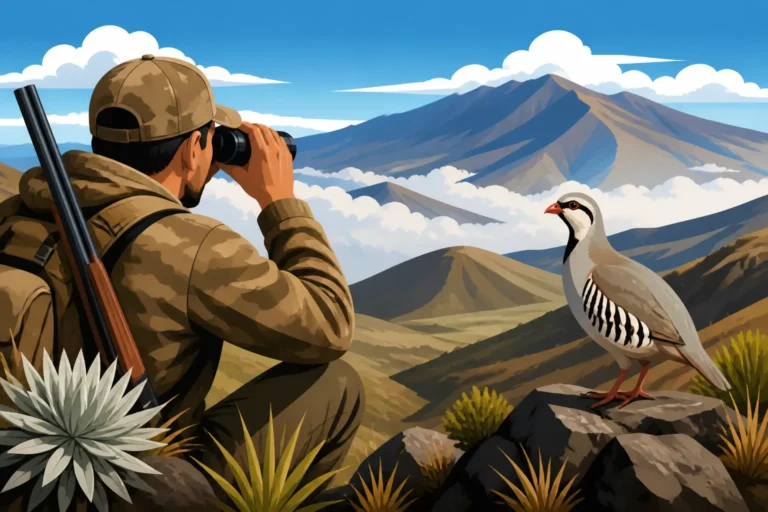
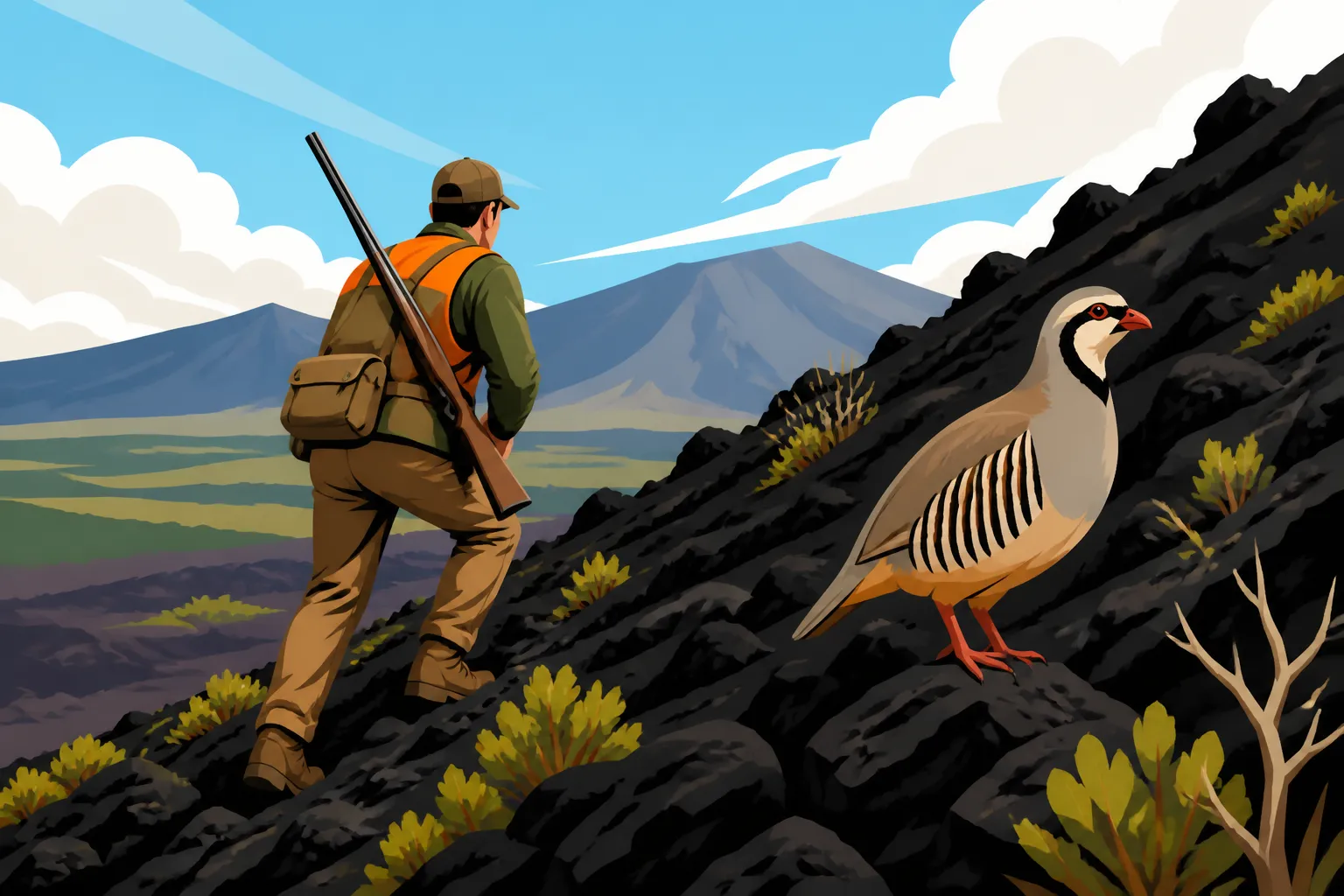
Chukar aren't just randomly scattered across the lava; they have distinct preferences that guide their daily lives. You'll typically find them at higher elevations, often between 4,000 and 8,000 feet, especially on the Big Island. Think of the expansive, windswept slopes of Mauna Kea or Mauna Loa. These birds gravitate towards broken, rocky ground, steep hillsides, and areas with sparse, low-lying vegetation. They love a good mix of rocks for cover, small pockets of grass or weeds for foraging, and clear, open areas for dusting and sunning. When you're glassing a vast expanse of lava, look for transitions—where a smooth flow meets a jumbled, broken section, or where the first signs of hardy mamane or ʻōhiʻa trees begin to appear. These are often the seams where chukar feel most secure, able to quickly dart into cover or fly downhill to escape perceived threats. They're masters of camouflage, blending seamlessly with the grey and reddish-brown rocks, so a keen eye and patience are paramount. They might be nestled under a small lava overhang, or hunkered down in a depression formed by a gas bubble in an old flow.
Daily Routines and Movement Patterns
Chukar are creatures of habit, and understanding their daily rhythm is crucial for a successful hunt. They're typically most active during the early morning and late afternoon, much like many other game birds. At first light, you'll find them moving off their roosts, usually high on a rocky slope or ridge, to feed. Their diet on the lava slopes consists mainly of seeds, grasses, and insects, which they'll peck from sparse patches of vegetation. As the sun climbs higher and the lava begins to radiate heat, chukar will seek shade and loafing cover. This usually means tucking themselves into the shaded side of a large lava rock or finding refuge in the scant scrub brush that manages to grow in the more sheltered pockets. They'll often stay put through the midday heat, conserving energy. As temperatures begin to drop in the late afternoon, they'll become active again, feeding before heading to their roosting sites for the night. They also need water, and while permanent water sources can be few and far between on lava, they'll often utilize dew, succulent plants, or ephemeral puddles after rain. Knowing this pattern helps you plan your hunt to coincide with their active periods. For more on how game birds move, you might find our guide on Hawaii Game Bird Season Opening Day insightful.
The Impact of Weather
Weather, especially in Hawaii's diverse elevations, plays a massive role in chukar behavior. On the high lava slopes, conditions can change rapidly.
- Heat and Sun: Intense sun and high temperatures, particularly during the middle of the day, will drive chukar into thick cover or deep shade. They'll be much less active, and trying to push them through open, sun-baked lava will be exhausting for both you and any dogs you bring. Early morning and late afternoon hunts are key to success.
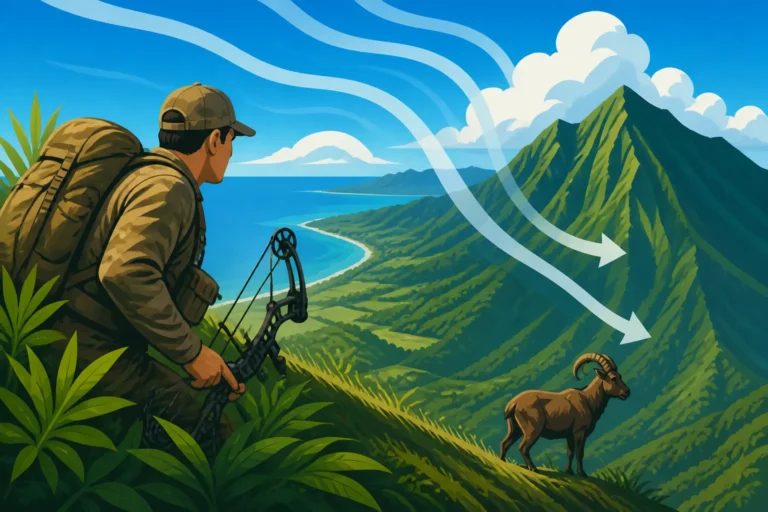
- Wind: The high country is often windy. Chukar tend to hold tighter in windy conditions, making them harder to flush but potentially offering closer shots if you can get on them. They'll often face into the wind, hunkering down against it. Knowing Reading Hawaii's Trade Wind Patterns can give you an edge in predicting their movements.
- Rain and Fog: While rain might seem unwelcome, light showers can invigorate chukar, making them more active as they feed on freshly watered vegetation and insects. Fog, however, can make visibility extremely challenging and is often best avoided for safety on treacherous lava. Heavy, cold rain can make them seek deeper shelter. Always check the forecast for the specific elevation you plan to hunt.
Essential Gear and Preparation for Lava Slope Chukar Hunts
Hunting chukar on Hawaii's lava slopes isn't just a walk in the park; it's a strenuous, demanding pursuit that requires specific gear and careful preparation. The wrong equipment can turn a challenging hunt into a miserable, or even dangerous, ordeal. Being properly outfitted for this unique environment is half the battle.
Footwear and Clothing for Rugged Terrain
Your feet are your most important assets when hunting chukar on lava. This isn't a place for casual hiking boots.
- Boots: You need sturdy, high-ankle support boots with a stiff sole and aggressive tread. The lava is sharp, uneven, and unforgiving. Without proper ankle support, a twisted ankle is a real possibility. A rigid sole will protect your feet from bruising over miles of jagged rock. Look for waterproof or water-resistant options, as morning dew or unexpected showers can soak unprotected feet, leading to blisters. Many local hunters swear by brands known for mountaineering or heavy-duty backpacking boots due to their durability and support on similar terrain. Our article on Walking Rough Lava Without Wrecking Your Boots goes into more detail on specific boot types.
- Socks: Invest in good quality wool or synthetic socks that wick moisture away from your skin. Bring multiple pairs and change them if your feet get wet or sweaty to prevent blisters.
- Clothing: Layering is key, as temperatures can vary dramatically from chilly mornings to hot afternoons. Start with a moisture-wicking base layer. Add an insulating layer, like fleece, and a durable outer shell that can withstand abrasion from rocks and provide wind and rain protection. Blaze orange is a must for visibility, often required by Hawaii's hunting regulations, especially during Hawaii Game Bird Hunting seasons. Lightweight, breathable pants made of tough material (ripstop nylon or similar) will protect your legs from scrapes.
Hydration, Navigation, and Safety
The remote, rugged nature of lava slope chukar hunting means self-reliance is paramount.
- Hydration: This cannot be stressed enough. You will exert yourself, and the dry, often sunny, environment will dehydrate you quickly. Carry far more water than you think you'll need – a hydration pack with at least 3 liters is a good starting point, plus extra bottles. Electrolyte supplements can also be a lifesaver. Water and Heat Planning for a Hawaii Hunt covers this in depth.
- Navigation: Cell service is often non-existent in these remote areas. A reliable GPS unit (Garmin inReach Mini 2 or similar) or a smartphone with downloaded offline maps (like the OuterSpatial app or Gaia GPS) is absolutely essential. Know how to use it before you go. Mark your vehicle's location and any key waypoints. A compass and paper map are excellent backups.
- First Aid: A well-stocked first aid kit is non-negotiable. Include blister treatment, bandages for cuts and scrapes (lava causes nasty ones!), pain relievers, and any personal medications.
- Communication: A satellite messenger or two-way radio can be a literal lifeline if you get lost or injured. Always let someone know your hunting plan, including your route, expected return time, and who to call if you don't check in.
- Other Essentials: Headlamp for early starts or late finishes, sunscreen, sunglasses, a wide-brimmed hat, knife, fire-starting kit, emergency blanket, and high-energy snacks.
Shotgun and Ammo Selection
For chukar, a fast-handling shotgun is ideal.
- Gauge: 12-gauge or 20-gauge shotguns are popular choices. The 20-gauge offers a lighter carry for those long miles, while a 12-gauge provides a bit more knockdown power and shot density, which can be useful on longer flushing birds.
- Choke: Modified or improved cylinder chokes are good all-around choices for chukar. These birds often flush hard and fast, and you want a pattern that opens up quickly enough for close shots but still holds together for birds flushing at 30-40 yards.
- Ammunition: #6 or #7.5 lead shot (where legal) or steel shot is standard. Lead is generally preferred for its density and effectiveness. For specific game bird regulations, always double-check the current Hawaii Department of Land and Natural Resources (DLNR) regulations on their GoHunt Hawaii portal, as rules can change. A minimum of 25 shells is a good starting point, but consider bringing more if you anticipate a very active day or plan to shoot multiple birds.
Mastering the "Walk-Up" Strategy on Challenging Lava
The heart of chukar hunting on lava slopes is the "walk-up" – physically putting boots on the ground and systematically moving through the birds' habitat. This isn't a sit-and-wait kind of hunt; it demands continuous movement, keen observation, and quick reactions. The unique terrain dictates much of your strategy.
Reading the Terrain and Approaching Cover
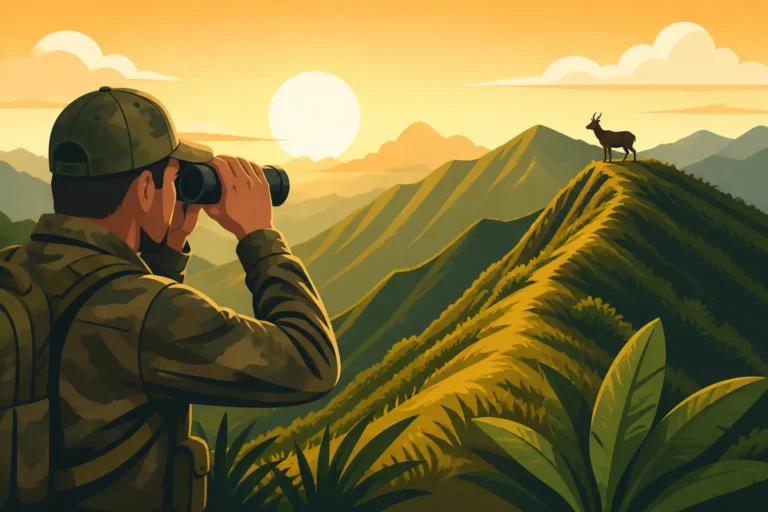
Success begins before you even take your first step. Spend time glassing the slopes with good binoculars (10x preferred).
- Identify Prime Habitat: Look for the "green patches" – any area where vegetation, no matter how sparse, takes hold. This indicates pockets of soil, moisture, and food. These areas, especially when combined with broken lava for cover, are chukar magnets. Focus on contours, gulches, and the edges of lava flows where vegetation might be slightly denser. Chukar will often feed on gentler slopes but retreat to steeper, rockier terrain for escape.
- Contour the Slope: Walking straight up or down a steep lava slope is incredibly inefficient and exhausting. Instead, learn to "contour" the terrain, traversing horizontally or at a slight angle. This reduces fatigue, maintains better footing, and allows you to cover more ground. When you do need to ascend or descend, do so diagonally, zig-zagging to reduce the grade. Always be mindful of loose rocks and unstable footing.
- Approach From Above or Below: Depending on the terrain, approaching a chukar covey from above or below can influence their flush. If you're above them, they might be more inclined to fly downhill, offering easier shots as they glide. If you're below, they might try to run uphill or flush in an unpredictable pattern. Often, the most effective approach is to gain elevation on a ridge or saddle, then work down into promising pockets of cover.
- Slow and Steady: This isn't a sprint. Move slowly, deliberately, and quietly. Chukar have excellent eyesight and hearing. Pause frequently to scan ahead, listen for their distinctive "chukar, chukar" call, and let any dogs work the scent. A hurried hunter is a less successful hunter in this landscape. For more on navigating tough Hawaiian terrain, check out Hunting Hawaii's Volcanic Terrain.
Working With or Without a Bird Dog
A good bird dog can be an invaluable asset when hunting chukar on lava, but it's not strictly necessary. Each approach has its pros and cons.
With a Bird Dog:
- The Nose Knows: A well-trained pointing or flushing dog (like a German Shorthaired Pointer, Brittany, or English Springer Spaniel) can dramatically increase your chances. Their superior sense of smell allows them to find birds that you would walk right past, especially when they're hunkered down in sparse cover.
- Training for Lava: Dogs need conditioning for this brutal terrain, just like hunters. Their paw pads must be tough, and protective boots for dogs are highly recommended to prevent cuts and abrasions from the sharp lava. Hydration is even more critical for dogs than for humans, so carry extra water for them.
- Close Working: Chukar will run extensively before flushing, especially if pressured. A dog that works too wide will push birds out of range. You want a close-working dog that can hold a point or flush birds within shooting distance. Commands like "whoa" or "heel" are vital. Our guide on Using a Bird Dog in Hawaii Terrain offers more specific advice.
- Marking: A dog can also help find downed birds in the confusing, broken terrain, preventing lost game.
Without a Bird Dog:
- Greater Stealth: Without a dog, you can move more quietly, relying on your eyes and ears. This can be effective if you're patient and methodical.
- Systematic Approach: You'll need to be extremely systematic in your approach, grid-searching promising areas. Focus on every small patch of cover, every depression, and every shadowed lava crevice.
- Listen for Calls: Listen intently for chukar calls, which can often betray their presence. They often "chukar" when a covey is communicating or when they feel slightly pressured.
- Two-Person Advantage: If hunting with a partner, you can work together, one person pushing a line of cover while the other positions themselves to intercept birds that flush out the side or back.
Flushing Tactics and Shot Opportunities
When chukar flush, it's often explosive and fast. They typically fly downhill, using gravity to gain speed, making for challenging shots.
- Be Ready: Always expect birds to flush. Carry your shotgun ready, safety on, eyes scanning. Chukar are notorious for flushing when you least expect it – when you're taking a sip of water, adjusting your pack, or admiring the view.
- Fast Shots: Chukar don't hang around. You'll need to shoulder your gun, acquire the target, and shoot quickly. Practice your swing and follow-through. Don't try to track them too long; get on the bird and pull the trigger.
- Lead Them: Remember to lead a flying bird. If they're rocketing downhill, you'll need a significant lead.
- Follow-Up Shots: Chukar often flush in coveys. If you miss the first bird, quickly swing to another. Keep your head in the game, as more birds might flush seconds later from the same area.
- Mark the Fall: Once you shoot, immediately mark where the bird falls. The broken, camouflaged terrain can make finding a downed chukar incredibly difficult. Pick out a prominent rock, tree, or other landmark directly in line with where you last saw the bird. If you have a dog, send them immediately. If not, walk directly to your mark and begin a thorough grid search. Losing a bird is a hunter's worst nightmare, so do everything to prevent it. Remember, Hawaii also sets specific bag limits, so know The Chukar Daily Bag Limit before you head out.
Field Care and Post-Hunt Considerations for Chukar
After the flush, the shot, and the retrieve, the work isn't over. Proper field care is critical, especially in Hawaii's warm climate, to ensure your hard-earned chukar meat is delicious and safe to eat. And getting off the lava safely is just as important as getting on it.
Handling Birds in Hawaii's Heat
Hawaii's warm temperatures mean you need to act fast to prevent spoilage, even at higher elevations where it might feel cooler.
- Cool Down Immediately: As soon as you retrieve a bird, field dress it to begin the cooling process. This means removing the entrails. You can also pluck the breast feathers and remove the head and feet at this stage to further reduce body mass and facilitate cooling.
- Air Circulation: Don't pile birds on top of each other in a game bag. Allow for maximum air circulation. A mesh game bag is excellent for this, or individual bird slings. If possible, hang them in the shade as you continue your hunt.
- Cooler Management: As soon as you get back to your vehicle, get your birds into a cooler packed with ice. Place them on top of the ice, or better yet, in sealed bags so they don't get waterlogged, with ice surrounding them. For more general advice, our article on Field Care in Hawaii's Heat and Humidity is a great resource.
- Processing: Plan to fully process your birds (pluck or skin, breast out, etc.) as soon as you get home or to camp, or take them to a local game processor. Freezing them whole is an option for very short-term storage if you can get them frozen quickly.
Navigating Off the Lava Slope Safely
The journey down a lava slope can be just as, if not more, challenging than the ascent. Fatigue sets in, light fades, and the terrain remains unforgiving.
- Descent Strategies: Just as you contoured on the way up, do the same on the way down. Avoid trying to glissade or "ski" down steep sections, as this can lead to uncontrolled falls. Take slow, deliberate steps, always testing your footing. Use trekking poles for added stability and to reduce impact on your knees.
- Watch for Changing Light: Daylight fades quickly in Hawaii, especially in deep gulches or when clouds roll in. Plan your descent to be well before dark. A headlamp is essential, even if you plan to be out before sunset, because unexpected delays can occur.
- Recheck Navigation: Double-check your GPS or map regularly on the descent. It's easy to get disoriented when you're tired, and a wrong turn can lead to much tougher terrain or an unplanned overnight stay. Remember those waypoints you marked for your vehicle.
- Pace Yourself: Don't rush. The temptation to speed up when you're tired and close to the vehicle is strong, but this is when accidents happen. Maintain a steady, safe pace.
- Reflect and Learn: After every chukar hunt on the lava, take some time to reflect on what worked and what didn't. Did you find birds in certain types of cover more often? Did your approach flush them in a predictable direction? This continuous learning will refine your skills for the next time you head out to chase those wily birds on Hawaii's unique terrain. For general tips on hunting on foot, see Hunting Hawaii on Foot Without a Truck.
Disclaimer
Hunting in Hawaii involves inherent risks, including but not limited to challenging terrain, unpredictable weather, and encounters with wildlife. Always prioritize safety, adhere to all local and state hunting regulations, and ensure you have the necessary licenses and permits. The information provided in this guide is for informational purposes only and should not replace professional advice or personal due diligence. Hunt responsibly and respect the 'āina (land).