Hunting Kalij Pheasant in Wet Forest
Hunting Kalij pheasant in Hawaii's dense, often-sodden rainforests is a whole different ballgame than chasing birds in the mainland's open fields or dry scrub. You’re not just battling a cunning game bird; you’re wrestling with Mother Nature herself, from slick mud and impenetrable tangles of ginger to sudden downpours that can drench you to the bone in minutes. This guide will walk you through the realities, the preparations, and the tactics you’ll need to put a few of these beautiful, challenging birds in your vest, navigating the unique frustrations of Hawaii's wet, wild upland country.
The Allure and Challenge of Kalij Pheasant in Hawaii's Wet Forests
Kalij pheasant ( Lophura leucomelanos ) were introduced to Hawaii decades ago, primarily for sport hunting. Unlike their ring-necked cousins who prefer open fields, Kalij thrive in the dense, wet, and often steep forested areas, particularly at mid-elevations. Their striking plumage, wary nature, and preference for rugged terrain make them a truly rewarding, albeit demanding, target. But don't let their beauty fool you; these birds are built for survival in some of the toughest environments the islands have to offer.
Understanding Kalij Pheasant Behavior
Kalij pheasants are known for their stealth. They’re much more likely to run or sneak away through thick cover than to flush wildly, especially if they’ve been pressured. You might hear their distinct cackling or crowing calls echoing through the forest, a sound that gets the heart pumping, but pinpointing their exact location is another matter entirely. They are ground-dwelling birds, foraging for seeds, berries, insects, and plant matter, and you’ll often find them scratching around in leaf litter or along trail edges in the early morning or late afternoon.
Their primary defense mechanism is concealment. When alarmed, they’ll often freeze, relying on their dark, mottled plumage to blend into the shadows of the forest floor. If that doesn’t work, they’ll put distance between you and them on foot, slipping through vegetation with incredible agility. A sudden, close encounter might result in a powerful, noisy flush that can startle even the most seasoned hunter, making for a challenging shot through the trees. Understanding Where Kalij Pheasant Live in Wet Forest means understanding their preference for dense understory, often near water sources, making areas with guava, hau, and other invasive thickets prime habitat.
Identifying Their Preferred Wet Forest Habitats
When you’re thinking about hunting Kalij, picture areas that are perpetually damp, often shrouded in mist, and brimming with thick vegetation. We're talking about the windward slopes of mountains, deep gulches, and the edges of native 'ohi'a and koa forests mixed with invasive species like strawberry guava, hāpu'u fern, and ginger. These areas provide excellent cover from aerial predators and hunters, as well as a rich food source. They rarely venture into completely open ground, preferring to stay within easy reach of dense escape cover.
You’ll want to focus your efforts in areas where these different vegetation types converge, or along old logging roads and overgrown trails that offer a slight break in the canopy but still maintain plenty of cover on either side. Look for signs like scratched-up leaf litter, droppings, and the occasional feather. Water sources, even small seeps or damp depressions, are often frequented by Kalij, especially during drier spells within the wet season. These birds are resilient, perfectly adapted to the constant moisture and challenging terrain that defines Hawaii's windward side.
The Impact of Rain and Humidity
Hunting in Hawaii's wet forests means constantly dealing with the elements. Humidity is almost always near 100%, and sudden, torrential downpours are a regular occurrence, especially in areas like the Hilo side of Hawaii Island or the windward slopes of Maui and Oahu. This constant moisture impacts everything: your gear, your footing, and even the birds' behavior. After a heavy rain, the forest floor can be slick with mud, moss, and decaying leaves, making for treacherous footing. Trails become miniature rivers, and streams swell quickly.
The humidity can fog optics, dampen ammunition, and make even a slight incline feel like a marathon. However, rain can also work to your advantage. Light rain can muffle your footsteps, allowing for a quieter approach. Just remember to always be prepared for it to turn into a deluge at any moment. Your ability to adapt to these rapidly changing conditions will be key to a successful and safe hunt.
Essential Gear for a Successful Wet Forest Pheasant Hunt
Preparing for a Kalij pheasant hunt in Hawaii's wet forests isn't like gearing up for a pheasant hunt in Kansas. The tropical environment demands specialized gear that can withstand constant moisture, rough terrain, and pervasive humidity. Skimping on the right equipment can quickly turn an exciting hunt into a miserable, or even dangerous, experience.
Footwear and Clothing for Tropical Wet Conditions
Your feet are your most important asset in the wet forest. Forget those lightweight upland boots; you need serious waterproofing and aggressive traction. Waterproof hiking boots with good ankle support are absolutely crucial. Look for boots with deep lugs on the sole to grip slippery mud, wet roots, and moss-covered rocks. Some hunters even opt for rubber boots or neoprene waders for ultimate waterproofing, though these can be less comfortable for long hikes over varied terrain. Pair them with moisture-wicking synthetic or wool socks to prevent blisters, and always carry a spare pair.
For clothing, layers are your friend, even in the tropics. While the air might feel warm, working hard in dense cover can lead to overheating, but then stopping for a break can quickly make you feel chilled if you're soaked. Start with a moisture-wicking base layer, add a light, breathable mid-layer, and top it with a durable, water-resistant or waterproof outer shell. Bright blaze orange is required on most public hunting lands, so make sure your outer layer, or at least a vest, meets this safety requirement. Think ripstop fabrics that dry quickly and can stand up to thorns and abrasive vegetation. And for goodness sake, bring a proper Rain Gear for a Windward Hawaii Hunt – a high-quality, breathable rain jacket and pants that won't leave you feeling like you're hunting in a sauna.
Weaponry and Ammunition Considerations
For Kalij pheasant, a shotgun is typically the weapon of choice. A 12-gauge or 20-gauge with an improved cylinder or modified choke is generally effective, allowing for a decent spread in the thick cover without obliterating the bird at close range. Shot sizes like 6 or 7.5 are standard for pheasants. The challenge isn't usually the power of the load, but getting a clear shot through the trees. Since shots are often quick and close, a fast-handling shotgun, perhaps a pump-action or semi-auto, can be advantageous for follow-up shots if the birds flush in a group.
Protection for your firearm is paramount. A waterproof gun case for transport and a rain cover or even just a good wipe-down regularly during the hunt can prevent rust and moisture damage. Ammunition should be kept dry in a waterproof container or sealed bags. Remember to check Hawaii's Legal Weapons by Season on the GoHunt Hawaii website or the local DOFAW office, as specific unit rules or statewide regulations can sometimes have nuances. It's always better to double-check before heading out.
Navigation and Safety Tools
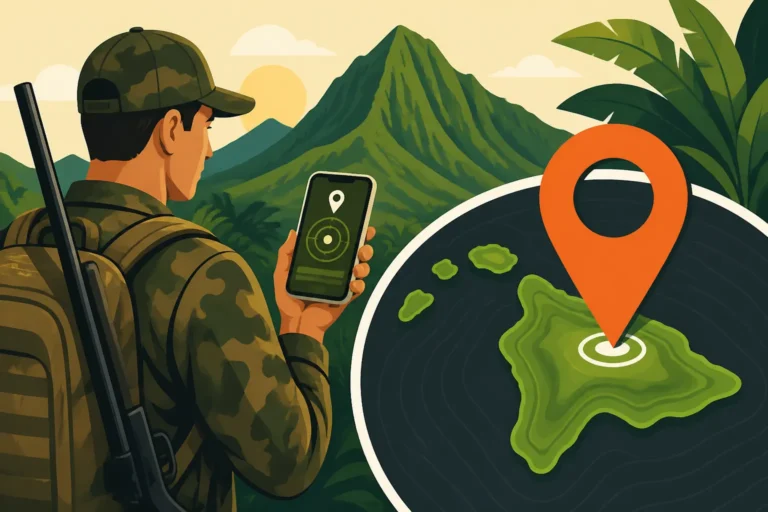
The wet forests of Hawaii are notoriously disorienting. Dense canopy, lack of distinctive landmarks, and winding gulches can quickly lead you astray. A reliable GPS device or a smartphone app like OuterSpatial or onX Hunt (with offline maps downloaded) is indispensable. Do not rely solely on cell service, as many prime hunting areas have no signal. Always carry a physical map and compass as a backup, and know how to use them.
Beyond navigation, a whistle for emergencies, a first-aid kit (including blister treatment and insect repellent), plenty of water, high-energy snacks, and a headlamp are absolute necessities. Consider a personal locator beacon (PLB) or satellite messenger for true remote areas where help might be hours away. A sharp knife, paracord, and a small saw or machete can also be invaluable for clearing unexpected obstacles or processing game. Always tell someone where you're going and when you expect to return. Being able to communicate or signal for help when you have No Cell Signal on a Hawaii Hunt can literally be a lifesaver.
Strategies for Locating and Flushing Kalij Pheasant
Successfully hunting Kalij pheasant in the wet forest requires patience, keen observation, and an understanding of how these birds use their environment. It’s less about long-range shooting and more about close-quarters tactical maneuvers.
Still-Hunting Through Dense Undergrowth
Still-hunting is perhaps the most effective method for Kalij pheasant. This involves moving slowly and deliberately, stopping frequently to listen and scan the undergrowth. Take a few steps, then pause for several minutes, allowing your eyes to adjust and your ears to pick up subtle sounds—the rustle of leaves, a soft cluck, or the faint scratching of a bird foraging. Kalij are masters of camouflage, so you'll often have to spot a small movement or a sliver of color to detect them. Focus on areas of dense cover, especially those transition zones where different plant types meet.
As you move, always be aware of the wind. Try to move into the wind so your scent doesn't carry ahead of you, and pay attention to shifting thermals, especially in gulches. Still-Hunting Pigs in Hawaii's Wet Forest offers similar challenges and rewards, and many of the same techniques apply to both species. Maintain a ready stance with your shotgun, as flushes can be sudden and shots fleeting. It's a game of inches and quick reactions.
Utilizing Bird Dogs in Hawaiian Terrain
A well-trained bird dog can be an incredible asset for Kalij pheasant hunting, especially in the thick cover where visual spotting is difficult. Flushers, like Springer Spaniels or Labs, are often preferred, as they are bred to work close and push birds out of heavy brush. Their superior nose can detect birds that would be impossible for a human to find, and their persistence can often overcome a Kalij's tendency to run rather than fly.
However, Using a Bird Dog in Hawaii Terrain comes with its own set of challenges. The dense vegetation and steep, rugged ground can be tough on a dog, leading to cuts, scrapes, and exhaustion. Protect your dog with a good cut vest to guard against sharp rocks, kiawe thorns, and other hazards. Ensure they are well-conditioned and have plenty of water. GPS collars are almost a necessity, as dogs can quickly disappear from sight in the thick forest. Be mindful of leash laws and specific regulations regarding dogs on public hunting lands; always check the current DOFAW rules via GoHunt Hawaii.
Reading Sign and Anticipating Flushes
Becoming proficient at reading animal sign is a critical skill for any Hawaii hunter, and it’s especially valuable for Kalij pheasant. Look for fresh tracks in soft mud or damp soil, particularly along trail edges or near water. Kalij tracks are distinct, three-toed prints, often with a dragging mark from their longer hind toe. Scratches in the leaf litter, resembling a small chicken's scratching, indicate where they've been foraging. Droppings, small and dark, can also confirm their presence.
Listen for the birds, too. Their calls, while not always revealing their exact location, can tell you if they are in the vicinity. If you hear persistent cackling, you might be near a rooster establishing his territory or a group communicating. Pay attention to the forest around you; if you hear sudden, excited calls from other birds, or if small birds suddenly scatter, it might indicate a predator (or a pheasant) moving through the area. By combining these signs with slow, deliberate movement, you can increase your chances of being in the right place when a Kalij decides to flush.
Overcoming the Unique Obstacles of Hawaii's Rainforests
Hunting Kalij pheasant is as much about managing the environment as it is about finding the birds. Hawaii's wet forests present a host of unique obstacles that demand respect and careful planning.
Navigating Steep Gulches and Slippery Trails
Hawaii's volcanic landscape is characterized by deep, steep gulches and uneven terrain, often covered in a thick layer of slippery mud, moss, and loose rocks. What might look like a gentle slope on a map can easily be a near-vertical wall of slick earth and tangled roots. Descending into Hunting Hawaii's Rainforest Gulches and climbing back out can be incredibly arduous, especially with gear and a bird or two. Always test your footing, use trekking poles for stability, and avoid areas that look too precarious. A slip or fall can result in serious injury, miles from any road.
Many trails are poorly maintained or non-existent, often disappearing into a tangle of vegetation. You'll find yourself pushing through dense undergrowth, sometimes crawling on hands and knees, to make progress. This kind of travel is slow and exhausting. Factor in much more time for travel than you would in other hunting environments. Hydration is key, even when it’s raining, because you'll be sweating constantly.
Dealing with Mosquitoes, Humidity, and Heat
The wet forests are a breeding ground for mosquitoes, and they can be relentless. Mosquito-borne diseases, though rare, are a concern, but the constant annoyance and itchy bites are guaranteed to detract from your hunt if you're not prepared. Carry a strong insect repellent with DEET or picaridin, and consider wearing permethrin-treated clothing. Long sleeves and pants, even in the heat, offer protection, but make sure they're breathable.
The combination of heat and extreme humidity can lead to rapid dehydration and heat exhaustion, even when the air temperature isn't exceptionally high. Drink plenty of water before, during, and after your hunt. Electrolyte-rich drinks can also help replenish what you lose through sweat. Take frequent breaks in the shade, and listen to your body. If you start feeling dizzy, nauseous, or excessively fatigued, it’s time to rest and rehydrate.
Legalities, Check-Ins, and Respecting the Land
Before you even step foot in the forest, make sure you understand all the legal requirements. You'll need a current Hawaii hunting license and, for game birds, a Hawaii Game Bird Stamp. Many hunting units require checking in and out, either physically at a check station or electronically through the OuterSpatial App to Check In. Failure to do so can result in fines or loss of hunting privileges. Consult the most current regulations on the official GoHunt Hawaii website for Hawaii Game Bird Seasons and Bag Limits, Hawaii's Hunting Units and How They Work, and specific rules for the unit you plan to hunt.
| Aspect | Wet Forest Kalij Pheasant Hunt | Dry Country Axis Deer Hunt |
|---|---|---|
| Footwear | Waterproof boots, aggressive tread, ankle support | Sturdy hiking boots, good ventilation, rock protection |
| Clothing | Moisture-wicking layers, durable rain gear, blaze orange | Breathable, light colors, UV protection, blaze orange |
| Navigation | GPS with offline maps, compass, map (essential for disorientation) | GPS with offline maps, long-range glassing (often easier to orient) |
| Hydration | Constant hydration, electrolytes (high sweat rate) | Critical, carry ample water, plan for scarce water sources |
| Pest Control | Heavy-duty insect repellent (mosquitoes), long sleeves | Sunscreen, lip balm, lighter insect repellent (flies/gnats) |
| Terrain | Slippery mud, steep gulches, dense undergrowth, hidden obstacles | Loose lava rock, uneven ground, thorny kiawe, open distances |
| Visibility | Limited to short distances, low light under canopy | Long-range visibility, open country |
| Weapon Care | Waterproof protection for firearms, rust prevention | Dust covers, less concern for water damage |
Always respect the land and its resources. Pack out everything you pack in, and leave no trace. Be mindful of cultural sites or private property boundaries. Remember that many hunting areas are part of larger watersheds critical to Hawaii's freshwater supply, so minimize your impact. Hunting Hawaii's Fenced Conservation Boundaries is also a real consideration in some areas, so knowing your unit boundaries and respecting the protections in place for native species is crucial. By adhering to these principles, you contribute to a positive future for Hawaii Hunting and ensure these opportunities remain available for generations to come.
Disclaimer
Hunting is an inherently dangerous activity. This guide provides general information and recommendations but cannot cover every possible scenario or individual circumstance. Always prioritize safety, understand local regulations, and be physically and mentally prepared for the challenges of hunting in Hawaii. It is the responsibility of each hunter to know and obey all applicable laws and to exercise good judgment in the field.