Why Oahu Needs No Permit-Tag
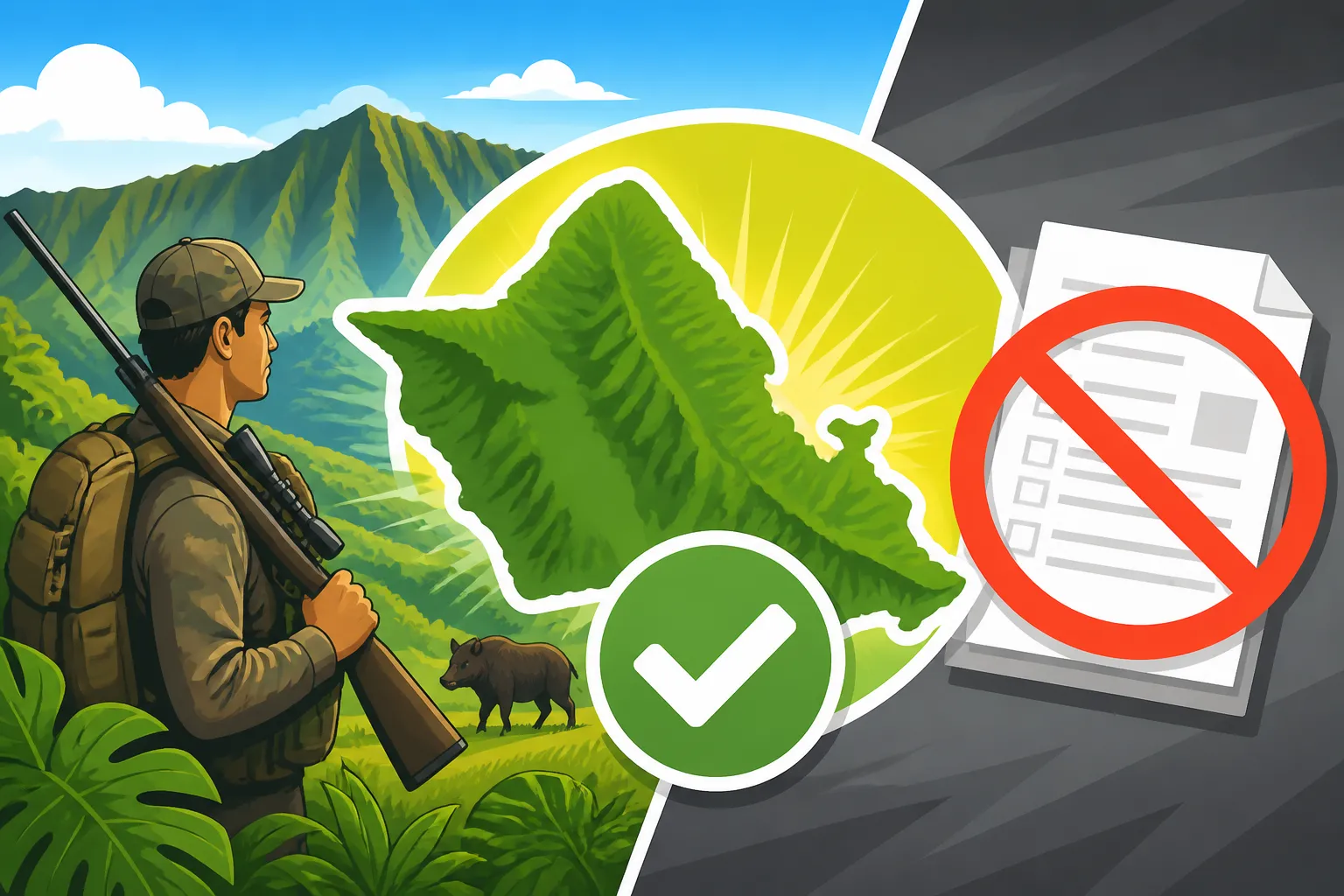
It can be incredibly confusing to navigate the permit and tag requirements for hunting in Hawaii. You've heard stories about drawn hunts for Axis deer on Lanai, or specific tags for Mouflon sheep on Hawaii Island, and then you look at Oahu and scratch your head, wondering, "Wait, where are the tags for this island?" It’s a common point of frustration for both residents and visitors alike, and this guide is here to unravel that mystery, explaining why hunting on Oahu doesn't require the same permit-tag system you find elsewhere in the Aloha State.
The Permit-Tag System Across the Hawaiian Islands
Before diving into Oahu's specifics, it’s important to understand why Hawaii has a permit-tag system in the first place on other islands. It's not just another piece of paper; it's a critical tool for managing wildlife populations and hunting pressure.
What Permit-Tags Are Designed To Do
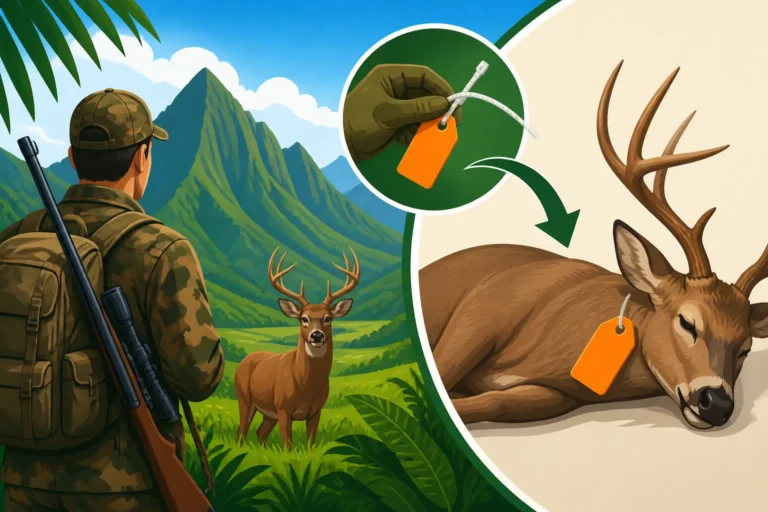
Across much of Hawaii, permit-tags serve several vital functions. First and foremost, they are a means of controlling the harvest of specific game animals. Imagine a limited resource, like the prized Axis deer on Maui, Lanai, or Molokai. Without a tag system, everyone could theoretically hunt them, leading to overharvesting and unsustainable populations. Tags ensure that only a certain number of animals are taken each season, allowing the populations to remain healthy and robust year after year.
Secondly, these tags are crucial for data collection. When you receive a tag, it's often tied to a specific unit, species, and season. After a successful hunt, you're usually required to report your harvest, often noting the sex, age, and even specific measurements of the animal. This information is gold for wildlife biologists and managers at the Department of Land and Natural Resources (DLNR) Division of Forestry and Wildlife (DOFAW). It helps them monitor population trends, assess the effectiveness of current regulations, and make informed decisions about future hunting seasons. It’s a scientific approach to ensuring hunting remains a sustainable activity. For example, if harvest data shows a decline in trophy rams, they might adjust the season length or tag numbers for Mouflon Sheep Hunting on Hawaii Island.
Lastly, permit-tags help distribute hunting pressure. By limiting the number of tags for certain units or species, DOFAW can prevent certain areas from being overwhelmed by hunters, preserving the quality of the hunting experience and reducing conflicts. It also helps manage specific species, especially those highly sought after, like those found in Axis Deer, Hawaii's Signature Big Game.
Islands Where Permit-Tags Are Essential
When you look at the broader Hawaiian hunting landscape, permit-tags are a significant component of hunting on several islands, particularly for their trophy or high-demand game animals.
On Maui, Lanai, and Molokai, Axis deer hunting almost always involves a permit-tag. These islands are home to robust Axis deer populations, and the tags are essential for managing these herds. For instance, Lanai has a highly competitive drawn hunt system where successful applicants receive specific tags, like what you’d need to get on Hunting Lanai's Drawn Axis Deer Weekends. The same applies to Mouflon sheep on Lanai, where specific seasons often require a permit.
Hawaii Island, the Big Island, also utilizes permit-tags for its Mouflon sheep, particularly in designated units on the slopes of Mauna Kea and Mauna Loa. While feral pigs and goats are often free-ranging with high bag limits, the Mouflon, a more regulated species, requires a specific tag to ensure sustainable harvest and to protect sensitive ecological areas.
Even on Kauai, where the game mammal options are more limited, you'll find permit-tags for the seasonal Black-tailed deer hunts. These unique deer, found only on Kauai, are managed carefully, and a tag system is in place to control their harvest during designated seasons. You can learn more about Black-Tailed Deer Hunting in Hawaii and their specific tagging requirements if that's an interest.
This structured approach stands in stark contrast to the system (or lack thereof, regarding tags) on Oahu, and understanding this difference is key to planning any hunt in Hawaii.
Why Oahu's Hunting Landscape is Different
So, if permit-tags are such a critical part of hunting on other Hawaiian islands, why is Oahu the exception? The answer lies in the specific game species present on the island and the historical and ecological context of their management.
The Species Available for Hunting on Oahu
Oahu's public hunting units are primarily home to two main game mammal species: feral pigs and feral goats. Unlike Axis deer or Mouflon sheep, which were introduced with some intent for sport hunting or ranching and are now managed with a focus on sustainable harvest, pigs and goats are largely viewed through a different lens on Oahu.
Feral Pigs: These animals, descendants of those brought by early Polynesian settlers and later European introductions, are abundant across Oahu's various terrains, from the thick rainforests of the Koolau mountains to the drier slopes of the Waianae range. They are prolific breeders and incredibly adaptable. On Oahu, they are generally considered an invasive species that causes significant ecological damage. They root up native plants, spread invasive seeds, contribute to erosion, and disrupt delicate ecosystems. Because of their impact and high population numbers, the management strategy on Oahu prioritizes control and reduction, rather than strict harvest limits. This is a common theme for Hawaii's Feral Pigs, Island by Island, but Oahu's specific conditions amplify it.
Feral Goats: Similarly, goats were introduced centuries ago and have thrived in Hawaii's diverse environments, particularly in the more arid, rocky, and steep regions of Oahu. They are notorious for overgrazing, leading to severe erosion, especially on steep hillsides and cliff faces. Their impact on native plant communities is devastating, as they consume young saplings and prevent forest regeneration. Like pigs, their management on Oahu leans heavily towards population control due to their destructive nature. You can find more details about Hawaii's Feral Goats and Why They Matter and their ecological impact.
The Absence of Other Species: What's crucially missing from Oahu are the popular permit-tag species found on other islands. There are no wild Axis deer populations on Oahu, meaning no need for Axis deer tags. Similarly, you won't find free-ranging Mouflon sheep like those on Hawaii Island or Lanai. The primary focus for big game hunting on Oahu is purely on pigs and goats, which are managed differently due to their ecological status.
Oahu's Unique Management Approach
Given the ecological pressures caused by feral pigs and goats, Oahu's hunting regulations are designed to facilitate their control rather than to limit their harvest through a permit-tag system. This translates into more liberal hunting opportunities:
- Year-Round Seasons: In many public hunting units on Oahu, feral pigs and goats are open for hunting year-round, often without specific closed seasons that you might see for other game animals elsewhere. This continuous hunting pressure is a key part of population management.
- No Bag Limits in Many Areas: While some units might have specific rules, it's common for Oahu's public hunting units to have no daily or seasonal bag limits for pigs and goats. This "take as many as you can" approach underscores the goal of reducing populations. Hunters are encouraged to harvest as many animals as they can legally and ethically remove from the landscape.
- Focus on Pest Control: The language often used by DOFAW regarding these animals on Oahu is more aligned with "feral animal control" rather than "game management" in the traditional sense. Hunters are, in essence, partners in conservation efforts by helping to mitigate the damage these invasive species inflict on native ecosystems. This is a crucial distinction that drives the absence of permit-tags. The aim isn't to meticulously count and limit individual harvests but to encourage widespread participation in their reduction.
This unique management philosophy, rooted in the specific ecological challenges posed by pigs and goats on Oahu and the absence of other permit-tag species, is the fundamental reason why you won't be applying for a special permit-tag to hunt on this island.
Navigating Oahu Hunting Without a Permit-Tag
So, if you don't need a permit-tag, what do you need to hunt on Oahu? And how does the experience compare to the more regulated hunts on other islands? Let's break it down.
What You Do Need to Hunt on Oahu
While you won't be fussing with permit-tags for pigs and goats, there are still crucial requirements you absolutely must meet to hunt legally on Oahu:
- Hawaii Hunting License: This is non-negotiable for all hunters, resident or nonresident. You need a valid state hunting license to participate in any legal hunting activity. You can purchase these through the state's online portal, GoHunt Hawaii, or at authorized vendors. Don't skip this step! It's the absolute baseline for hunting in the islands. You can learn more about Hawaii Hunting Licenses and What They Cost.
- Hunter Education: Unless you qualify for an exemption (like having a prior hunter education certificate from another state or an old Hawaii license), you'll need to complete a hunter education course. This ensures you understand safety, ethics, and regulations. Information on Hawaii Hunter Education Requirements is readily available through DOFAW.
- Unit-Specific Permits/Check-in: While not a "permit-tag" for an animal, many public hunting units on Oahu, like those in the Waianae Mountains or Koolau Range, require hunters to check in and out. This is often done via the convenient Using the OuterSpatial App to Check In on your smartphone or at designated hunter check stations. This system tracks who is in a unit, helps with safety, and provides data on hunter effort. Failing to check in or out can result in fines, so it’s essential to be diligent. More broadly, understanding Checking In and Out of Hawaii Hunting Units is vital for any public land hunt here.
- Game Bird Stamp (if applicable): If you plan to hunt game birds on Oahu, in addition to your regular hunting license, you will need to purchase a Hawaii Game Bird Stamp. Oahu offers opportunities for various game birds during specific seasons, and this stamp is required by law for those pursuits.
Comparing Oahu to Other Island Hunting Experiences
The fundamental difference in the permit-tag system inevitably leads to different hunting experiences across the islands.
Table: Hawaii Hunting Permit-Tag Overview by Island (Game Mammals)
| Island | Primary Game Mammals | Permit-Tag Required? | General Bag Limit (Pigs/Goats) | Primary Management Focus |
|---|---|---|---|---|
| Oahu | Feral Pigs, Feral Goats | No | Often none (year-round units) | Population Control, Ecosystem Protection |
| Hawaii Isl. | Mouflon Sheep, Feral Pigs, Goats | Yes (Mouflon) | Often none (Pigs/Goats) | Species-specific mgmt (Mouflon), Pest Control |
| Maui | Axis Deer, Feral Pigs, Goats | Yes (Axis Deer) | Often none (Pigs/Goats) | Herd Mgmt (Axis), Pest Control |
| Lanai | Axis Deer, Mouflon Sheep | Yes (Both) | N/A | Sustainable Harvest, Quality Hunts |
| Molokai | Axis Deer, Feral Pigs, Goats | Yes (Axis Deer) | Often none (Pigs/Goats) | Herd Mgmt (Axis), Pest Control |
| Kauai | Black-Tailed Deer, Feral Pigs, Goats | Yes (Deer) | Often none (Pigs/Goats) | Species-specific mgmt (Deer), Pest Control |
As you can see, Oahu stands out. While other islands mix permit-tag requirements for their prized game animals with more open seasons for pigs and goats, Oahu's big game hunting is almost exclusively the latter. This means that hunters on Oahu are generally afforded more flexibility in when and how often they can pursue pigs and goats, which aligns with the state's goals for these invasive species. It also means you're generally going after animals that, while challenging to hunt in Hawaii's dense terrain, are managed more as a resource for control than a trophy for strict allocation.
Practical Implications for Oahu Hunters
Understanding that Oahu doesn't require a permit-tag for big game (pigs and goats) profoundly impacts how you plan and execute your hunt. It means less bureaucratic red tape, but also a different mindset for the hunt itself.
Planning Your Oahu Hunt
Without the drawn hunts or limited tag allocations that characterize hunting on other islands, planning a hunt on Oahu can feel more spontaneous, but that doesn't mean you can skip preparation.
First, your focus shifts entirely to scouting and understanding the specific public hunting units. Oahu has several areas open to hunting, such as portions of the Waianae Mountains (like Makua-Keaau Forest Reserve) and the Koolau Range (like Poamoho, Ewa Forest Reserve, or Kahuku). Each unit has its own unique terrain, access points, and sometimes, specific rules beyond the statewide regulations. For example, some units might require walk-in access only, while others might have designated 4×4 trails. You'll need to consult the DOFAW website and maps carefully. Familiarize yourself with Hunting Oahu's Public Ridges as many of these units involve navigating steep, forested terrain.
Given the year-round open seasons for pigs and goats in many units, you don't have to wait for a specific "deer season" or "sheep season." This flexibility is a huge advantage. However, it also means you need to consider weather patterns. Oahu's windward (eastern) sides are notoriously wet and dense, while the leeward (western) sides are often drier and hotter. Your gear and tactics will need to adapt. Hunting in a tropical rainforest for pigs, for instance, requires different clothing and footwear than glassing for goats on a dry, rocky slope. Knowing when and where to find pigs often means understanding Hunting Pigs on Hawaii's Wet Windward Side.
When it comes to gear, because there’s no specific trophy animal tag you’re trying to fill, your focus can be more on practicality and efficiency for harvesting meat. You'll need reliable hunting boots for Hawaii's often slippery, steep, and rocky terrain. Good rain gear is essential, even on "dry" days, as weather can change quickly. A sturdy backpack for packing out meat (and any personal items) is a must, as you’ll likely be carrying your harvest a good distance, especially if you get into some of Oahu's more remote areas. Remember, there's no limit on the number of pigs or goats you can take in many units, so be prepared for a potential heavy pack out.
Lastly, you’ll still need to carry your valid Hawaii hunting license and ensure you have completed any required hunter education. While GoHunt Hawaii simplifies the license purchase, having physical proof or easy access to digital proof is always a good idea in the field.
Common Misconceptions for First-Time Oahu Hunters
For hunters coming from the mainland or even other Hawaiian islands where permit-tags are the norm, hunting Oahu can present a few unexpected twists.
One of the biggest misconceptions is that the lack of a permit-tag means a "free-for-all." This couldn't be further from the truth. While the tag requirement is absent, all other state hunting regulations apply. You still need a valid hunting license, hunter education, and you must adhere to legal hunting hours, weapon restrictions for specific units, and ethical hunting practices. Just because you don't need a tag doesn't mean you can disregard other laws.
Another common misunderstanding is underestimating the difficulty. Because pigs and goats are abundant and there are no tags, some might assume it's an "easy" hunt. Hawaii's terrain is anything but easy. The dense jungle, steep gulches, sharp lava rock, and oppressive humidity can be physically demanding. Animals are wild, wary, and often nocturnal. Hunting Hawaii's Volcanic Terrain or deep rainforest requires significant physical conditioning and mental fortitude. It's a challenging environment that rewards persistence and preparation, not just showing up.
Finally, some hunters, especially those used to strictly regulated seasons, might get confused about the year-round opportunities. It's easy to assume there must be a catch or hidden restriction. For pigs and goats on Oahu, generally, the "catch" is simply the challenging environment and the ever-present responsibility to hunt safely and ethically while helping manage an invasive species.
So, while Oahu may not have the glamour of a drawn Axis deer tag, it offers a unique, challenging, and ecologically important hunting experience centered around the management of feral pigs and goats. It's a chance to immerse yourself in the wild beauty of the island, contribute to conservation, and put some delicious, wild meat on the table.
Disclaimer
Please remember that hunting regulations in Hawaii can change. While this guide provides comprehensive information, always consult the most current Hawaii Department of Land and Natural Resources (DLNR) Division of Forestry and Wildlife (DOFAW) regulations and unit maps before planning any hunt. It is the hunter's responsibility to know and follow all applicable laws.