Hawaii’s Weekend-Only Hunting Units
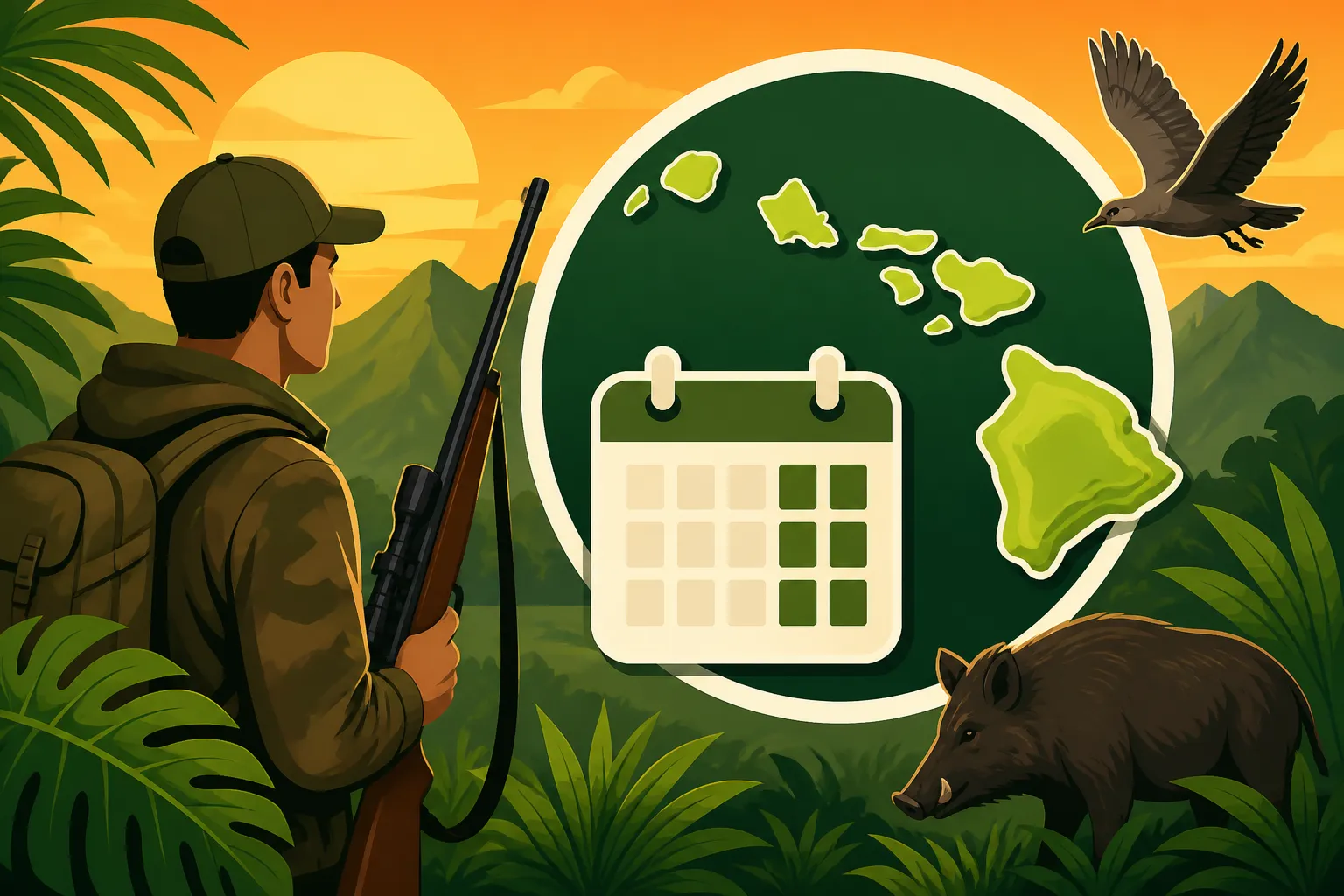
Hunting in Hawaii can be an incredibly rewarding experience, offering unique challenges and opportunities for bagging some impressive game. However, many hunters, particularly those visiting or new to the local scene, often find themselves frustrated by the specific regulations surrounding public hunting units—especially the ones that are designated as "weekend-only." It’s a real headache trying to plan a trip, coordinate schedules, and maximize your precious time afield when you discover your chosen spot isn't open during the week. This comprehensive guide will walk you through Hawaii's weekend-only hunting units, explaining the reasoning behind these restrictions, how to navigate the rules, and most importantly, how to make the most of your limited time in these popular areas.
Understanding Hawaii's Hunting Unit System
The Hawaiian Islands boast a diverse landscape, from arid lava flows to dense rainforests, and a unique array of game species that are all introduced. To manage these resources effectively and balance the needs of conservation, recreation, and local communities, the Hawaii Department of Land and Natural Resources (DLNR), Division of Forestry and Wildlife (DOFAW), has established a detailed system of hunting units. These units, spread across various islands, each come with their own specific rules regarding seasons, legal weapons, game species, and, crucially, open days. It’s a complex tapestry, and understanding its basics is the first step to a successful hunt. If you're looking for a broad overview, our guide on Hawaii's Hunting Units and How They Work can give you an excellent foundation.
Why Some Units Are Weekend-Only
It can feel like a curveball when you realize your ideal hunting spot is only accessible on Saturdays and Sundays. This isn't arbitrary, though it can certainly complicate planning. There are several key reasons why DOFAW designates certain units as weekend-only. Often, these units are smaller public parcels, cooperative lands managed with private landowners, or areas adjacent to residential communities.
One primary reason is the need to manage hunter pressure. With a relatively small land base compared to many mainland states, concentrating hunting activity into specific weekend windows helps prevent over-harvesting and allows game populations a chance to disperse and recover during the week. This is particularly true for popular species like pigs and goats, which reproduce quickly but can also be easily pressured.
Another significant factor is land management. Some units might be multi-use areas where other activities, such as hiking, cultural practices, or even ranching operations, occur during the weekdays. Restricting hunting to weekends minimizes conflicts and ensures public safety for all users. For instance, areas bordering agricultural lands might be weekend-only to avoid interference with weekday farming. Conservation efforts also play a role; limiting access helps protect sensitive habitats or endangered species that might be present in a given unit. Sometimes, it’s simply a matter of resource allocation for DOFAW staff, who might only be able to monitor check stations or patrol certain areas on weekends.
How to Identify Weekend-Only Units
Navigating the regulations to figure out which units are open on which days can feel like a treasure hunt itself. The most crucial resource you have is the official DOFAW website and their annual hunting regulations. These documents are updated yearly and provide detailed maps and descriptions for each hunting unit, including their open days. You'll typically find a table or a calendar specifying when a particular unit is open for specific game species.
It's absolutely essential not to rely on outdated information or hearsay. Unit designations, open days, and even species allowed can change from year to year based on population surveys, land use changes, or even environmental factors like drought or invasive plant control efforts. Always confirm the current regulations before planning your trip. Many units, especially those on Oahu, Kauai, and some parts of Maui and the Big Island, fall under the weekend-only umbrella. For example, some of Kauai's Black-tailed deer hunting is exclusively on weekends, as detailed in our guide on Kauai's Weekend Hunt Calendar. Similarly, you might find that while some areas offer Hawaii Island Hunting Unit Seasons throughout the week, others are strictly weekend affairs. Checking the specific regulations for units listed under Maui's Year-Round and Seasonal Units is also vital, as what might seem like a continuous open season could still have weekend-only access in certain zones.
Navigating the Weekend-Only Rules and Regulations
Once you’ve identified a weekend-only unit, understanding and adhering to its specific rules is paramount. This isn't just about avoiding a ticket; it's about respecting the land, the wildlife, and the local hunting community.
Check-In and Check-Out Procedures
One of the most critical aspects of hunting any public land in Hawaii, especially weekend-only units, is the mandatory check-in and check-out procedure. This isn't just a suggestion; it's a legal requirement designed to track hunter numbers, monitor harvest, and ensure everyone's safety. You must check in before entering a unit and check out upon leaving, even if you didn’t harvest anything.
Traditionally, this involved physical check stations where you’d fill out a paper card. While some of these still exist, DOFAW has largely moved towards modern solutions. The GoHunt platform is a fantastic resource that integrates with the OuterSpatial app, allowing you to check in and out digitally from your smartphone. This is a game-changer, especially for those remote units where a physical check station might be out of the way. If you’re not familiar with the digital system, our guide on Using the OuterSpatial App to Check In provides a step-by-step walkthrough. Failing to check in or out can result in a violation, so make this a non-negotiable part of your hunt plan. For a comprehensive understanding, consult our guide on Checking In and Out of Hawaii Hunting Units.
Specific Rules and Limitations
Beyond the weekend-only access and check-in requirements, each unit will have a specific set of rules. These can vary wildly from island to island and even between adjacent units. It's not uncommon to find differences in legal weapons, bag limits, and even the types of game you can pursue.
For instance, some units might only permit archery or muzzleloader hunting, especially during certain seasons, while others allow rifles. Understanding Hawaii's Legal Weapons by Season is crucial to avoid serious issues. Bag limits are another variable; for example, Hawaii Bag Limits for Feral Pigs can be generous in some areas to encourage control, while Hawaii Axis Deer Bag Limits are often more restricted, especially on islands like Maui.
Furthermore, pay close attention to safety requirements, such as blaze orange mandates, which are often in effect on public lands. Rules surrounding dog hunting also vary; some units allow it, others restrict it, and some only permit it for specific species like pigs. Always verify these details for your chosen unit. Remember that these specific rules are outlined in the annual DOFAW regulations, which you can often find through GoHunt or directly on the DOFAW website. Don't assume that what applies to one unit on the Big Island will apply to a unit on Oahu; Hawaii’s hunting regulations are highly localized. Our article on Hawaii's Weekend and Holiday Hunting Rules will give you a good idea of the general framework.
Strategies for Hunting Weekend-Only Units
Hunting weekend-only units presents a unique set of challenges. With everyone else also limited to these two days, you can expect more competition and pressured animals. But with some smart planning and tactics, you can still have a successful and enjoyable hunt.
Dealing with Increased Hunter Pressure
Let's be realistic: when a unit is only open on weekends, you're probably not going to be alone. This increased hunter pressure is a common frustration, especially on opening weekends. Our guide on Opening Weekend on a Hawaii Hunting Unit delves into this exact scenario. You'll likely encounter more vehicles at the trailhead, more footprints on the trails, and potentially more noise from other hunting parties.
One strategy is to simply get there early. I mean, before dawn early. Beat the rush to your preferred spot. Many hunters will stick to easily accessible areas, so if you're willing and able to walk deeper into the unit, you'll significantly increase your chances of finding unpressured game. This means being physically prepared for a longer trek, especially in Hawaii's challenging terrain.
Another tactic is to hunt overlooked spots. Most hunters will head for known water sources, bedding areas, or fruit trees. While these are good spots, animals in pressured units learn quickly. Consider areas with thick cover that other hunters might avoid, or less obvious travel corridors. Sometimes, simply finding a good vantage point to glass for a few hours can pay off, letting other hunters push game towards you. Don't be afraid to experiment with different approaches; what works on a weekday hunt might not be as effective in a crowded weekend unit. Learning Beating the Crowd on a Weekend Unit can provide even more tailored advice.
Making the Most of Limited Time
With only two days to hunt, maximizing your time is crucial. This isn't the time for casual meandering; a focused and efficient approach will yield better results.
Pre-Scouting is Your Best Friend: If possible, scout the unit beforehand. Even if you can't hunt, walking the trails, identifying game sign, and understanding the topography during the week can give you a significant advantage. If physical scouting isn't feasible, digital scouting using apps like Google Earth or even GoHunt's mapping features can help you identify potential areas to focus on. Look for changes in elevation, natural funnels, and areas of dense cover where animals might feel safe.
Focus on Key Times: Animals, especially those under pressure, tend to be most active during the low-light hours of dawn and dusk. Plan your hunt to be in your chosen spot well before first light and stay until legal shooting hours end in the evening. This means packing headlamps, extra water, and planning your entry and exit routes carefully. In Hawaii's heat, game often seeks shade during the middle of the day, so focusing on cooler, wetter areas or thick vegetation can be productive during those midday hours.
Prioritize Your Target: If you're chasing pigs and goats, understand their habits in the specific unit. Goats might be on open ledges early, while pigs might be rooting in dense gulches. Having a clear idea of what you're hunting and its likely behavior in a pressured environment will help you concentrate your efforts. Our guide on Getting the Most From a Hawaii Weekend Unit is packed with tips to help you optimize your limited hunting window.
Finding Information on Specific Units
Even with general rules understood, finding precise, up-to-the-minute information for specific hunting units can be challenging. Knowing where to look is half the battle.
Utilizing Online Resources
The Hawaii Department of Land and Natural Resources (DLNR) Division of Forestry and Wildlife (DOFAW) website is your absolute first stop. This official source provides the most current hunting regulations, maps, and any emergency closures or changes that may occur throughout the year. It's often updated with public announcements about season dates, bag limits, and unit specific rules.
Beyond the official DOFAW site, the GoHunt platform has become an invaluable tool for hunters in Hawaii. While it's primarily used for purchasing licenses and permits like Hawaii Hunting Licenses and What They Cost, it also serves as a central hub for information. Many of the regulations and unit details are aggregated there, making it easier to digest. Furthermore, the OuterSpatial app, often linked through GoHunt, offers mapping features, real-time check-in/out functionality, and can provide up-to-date information on unit boundaries and access points. These digital tools are designed to streamline the process, but always double-check against the official DOFAW PDF regulations to ensure you have the most accurate and legally binding information.
Local Knowledge and Scouting
While online resources are fantastic for general information and official rules, nothing beats local knowledge and boots-on-the-ground scouting. Talking to other local hunters can provide invaluable insights into animal movements, preferred feeding areas, and common hunting patterns within a specific unit. They might share tips on less-pressured access points or overlooked pockets of cover. Attend local hunting club meetings or visit sporting goods stores; these are often places where hunters gather and exchange information.
Beyond talking to people, personal scouting is critical. Even a short hike through a unit on a non-hunting day can reveal fresh tracks, rubs, bedding areas, or preferred routes of travel. Pay attention to the types of vegetation, water sources, and topography. Understanding the lay of the land will allow you to make better decisions when the clock is ticking on your weekend hunt. Remember, what a map shows as flat ground might be a series of steep gulches, and dense canopy can significantly alter visibility and wind patterns. Combine the best online tools with real-world observation, and you’ll be much better prepared.
Common Weekend-Only Hunting Units and Game Species
Here's a quick overview of some types of units often designated as weekend-only, along with the islands and common game species you might find. Always consult current DOFAW regulations for specific details, as rules can change.
| Island | Unit Type/Name (Example) | Common Game Species | Typical Access/Terrain |
|---|---|---|---|
| Hawaii Island | Kapapala Cooperative GMA | Feral Pig, Feral Goat | Varied, forest to open pasture, some 4WD required |
| Maui | Kahikinui (parts of) | Axis Deer, Feral Goat, Feral Pig | Arid, open country to steep gulches, some rugged roads |
| Oahu | Ewa Forest Reserve | Feral Pig | Dense wet forest, steep ridges, foot access |
| Kauai | Kekaha Game Mgmt Area | Black-tailed Deer, Feral Pig, Feral Goat, Game Birds | Diverse, dry to wet forest, steep canyons, 4WD helpful |
| Molokai | Molokai Forest Reserve | Axis Deer, Feral Pig, Feral Goat | Wet forests, steep terrain, some trails |
This table provides a general idea, but the specifics of open units and species within them are subject to annual changes and detailed maps in the DOFAW regulations.
Disclaimer
Please remember that hunting regulations in Hawaii are subject to change. It is your responsibility to review the most current rules and regulations published by the Hawaii Department of Land and Natural Resources (DLNR) Division of Forestry and Wildlife (DOFAW) before planning and undertaking any hunting activity. This guide provides general information and should not be considered a substitute for official legal documents. Always prioritize safety and ethical hunting practices.