What Feral Pigs Eat in the Islands
If you've ever hiked through Hawaii's lush forests or even just driven past fallow fields, you've probably noticed the tell-tale signs of destruction: churned-up earth, broken branches, and muddy wallows. This isn't the work of heavy machinery; it's the relentless foraging of Hawaii's feral pigs. Understanding what these highly adaptable animals eat is key to comprehending their impact on the islands' fragile ecosystems and, for hunters, offers critical insights into where to find them. This guide will deep-dive into the diverse and often destructive diet of puaʻa hihiu, shedding light on their opportunistic eating habits and the consequences for Hawaii's unique environment.
The Opportunistic Appetite: A Hunter-Gatherer's Dream
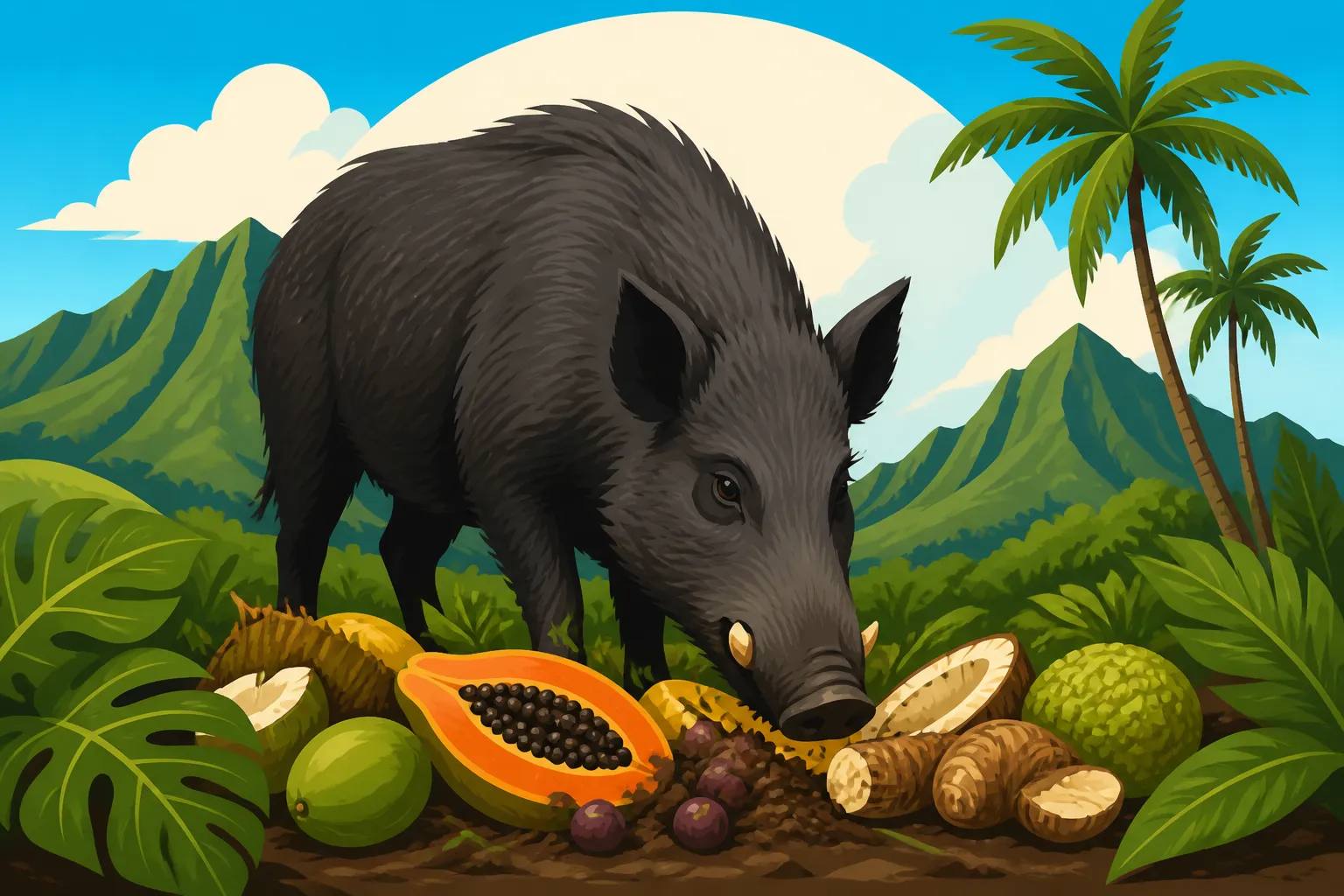
Feral pigs in Hawaii are the ultimate omnivores, meaning they'll pretty much eat anything they can get their snouts on. This incredibly adaptable diet is precisely why they thrive in such diverse Hawaiian landscapes, from the wet, dense rainforests to the drier, scrubby leeward slopes. They are constantly on the move, rooting, browsing, and scavenging, driven by an insatiable hunger that allows them to exploit whatever food sources are most readily available in a given area. Their acute sense of smell is their most powerful tool, allowing them to detect food buried deep underground or hidden within thick vegetation.
This opportunistic eating isn't just a minor inconvenience; it's a fundamental aspect of their survival and directly correlates to their prolific breeding. If food is abundant, sows can farrow multiple litters a year, leading to rapid population growth. Understanding this drives home why managing these animals is so crucial for Hawaii's conservation efforts and why regulated hunting plays a vital role. When you're Reading Pig Sign Along a Muddy Trail, you're essentially reading the story of what they've been eating and where they've been finding it.
Rooting for Riches: Subterranean Delights
One of the most characteristic behaviors of feral pigs is rooting, where they use their powerful snouts to dig up the soil in search of underground food. This isn't just a casual scratch; they can turn over large swaths of forest floor, creating significant disturbance.
Native and Introduced Roots and Tubers: Below the surface, a treasure trove of edibles awaits. Pigs will eagerly consume the starchy roots of various plants. In wetter, agricultural areas, this often includes cultivated crops like taro, sweet potatoes, and other vegetables. But even in wilder areas, they target the roots of introduced species like ginger, guava, and various grasses. Unfortunately, this rooting also severely impacts native Hawaiian plants that have shallow root systems and aren't adapted to such disturbance. Imagine a pristine patch of endemic ferns, undisturbed for centuries, suddenly being churned into a muddy mess by a herd of hungry pigs. The immediate loss of plants is devastating, but the long-term impact on soil erosion and the introduction of invasive plant seeds is equally concerning. If you're Hunting Pigs Near a Taro Patch, you're seeing this dietary preference in action, and often, the damage is quite visible to landowners.
Invertebrates and Fungi: It's not just plant matter they're after. While rooting, pigs also uncover a banquet of invertebrates. Earthworms, grubs, insects, and their larvae are all fair game. These protein-rich snacks add essential nutrients to their diet, especially for growing piglets. They'll also consume various fungi, including mushrooms, which pop up after a good rain. This search for hidden delicacies adds another layer to their destructive rooting behavior, as they're not just targeting large plant roots but also the smaller, often beneficial organisms that contribute to soil health. This continuous disturbance further degrades the forest understory and can make it difficult for native plants to re-establish.
The Forest Floor Buffet: Above-Ground Foraging
Beyond what lies beneath the soil, Hawaii's feral pigs are adept at consuming a wide variety of above-ground plant material, especially in the more fertile and moist environments. Their foraging habits here are equally impactful, contributing to the alteration of forest composition.
Fruits, Seeds, and Fallen Vegetation: A major part of the feral pig diet comes from fruits, berries, and seeds, particularly from introduced species that thrive in Hawaii. Guava, strawberry guava, java plum, thimbleberry, and kukui nuts are all high on their preferred list. They gorge on fallen fruits, acting as efficient seed dispersers for these invasive plants. When they consume the fruit, the seeds pass through their digestive system, often scarified and ready for germination, and are then deposited in a convenient pile of fertilizer far from the parent plant. This accelerates the spread of invasive species, further outcompeting native flora. Beyond fruits, they will browse on low-hanging vegetation, shoots, and leaves, especially in areas with abundant undergrowth. It’s part of why Hunting Pigs in Hawaii's Rainforest Gulches can be so productive; these areas are often choked with the very plants pigs love to eat.
Native Plant Consumption: While introduced species form a significant part of their diet, pigs don't discriminate against native plants, which is where their impact becomes truly devastating. They browse on native ferns, saplings of koa and ʻōhiʻa, and even rare or endangered native plants. These endemic species have evolved in an environment without large, destructive herbivores, and they simply can't withstand the constant pressure of pig foraging. The loss of these plants not only diminishes Hawaii's unique biodiversity but also disrupts critical watershed functions, as native forests are far more effective at capturing and retaining rainfall than invasive thickets. Understanding What Feral Pigs Do to Hawaii's Forests really highlights the urgency of control measures.
The Protein Punch: Animal Matter and Scavenging
While plant material makes up the bulk of a feral pig's diet, they are far from strict vegetarians. They are opportunistic feeders who will readily consume animal protein, whether hunted, scavenged, or incidentally ingested. This part of their diet also has significant ecological implications.
Hunting Small Prey and Scavenging Carrion
Feral pigs are not passive foragers; they are active hunters of small prey. This might surprise some, but their robust build and keen senses make them effective predators for ground-nesting birds and their eggs. Many of Hawaii's endemic bird species, already facing numerous threats, are vulnerable to pig predation. Chicks and eggs are particularly easy targets for a hungry sow or boar. They also prey on insects, centipedes, and even small reptiles and amphibians found on the forest floor. The inclusion of such protein sources is especially important for pregnant sows and growing piglets, providing concentrated energy for development.
Beyond live prey, pigs are expert scavengers. They will readily consume carrion, feasting on the remains of other animals, whether naturally deceased or roadkill. This behavior, while seemingly beneficial in terms of cleaning up the environment, can also contribute to the spread of diseases and further impact ecosystems by removing carcasses that might otherwise feed native decomposers. When considering Where Hawaii's Feral Pigs Live, it's important to remember that their diet is heavily influenced by the availability of both plant and animal matter in that specific habitat.
Incidental Ingestion and Unintended Consequences
Sometimes, pigs consume animal matter unintentionally. For instance, when rooting through soil, they might ingest soil invertebrates, insect larvae, or even small rodents that are too slow to escape. While not actively hunted, these still contribute to their overall protein intake.
However, a more concerning aspect of their diet relates to the health of the pigs themselves and the potential for disease transmission. Their varied diet, coupled with their foraging habits in muddy, moist environments, can expose them to pathogens like Leptospirosis, a bacterial disease that can be transmitted to humans. This is why proper field care and cooking of pork are paramount for hunters. Additionally, the spread of rat lungworm, a parasitic nematode, is another serious concern tied to feral pig foraging. When pigs eat snails or slugs infected with the parasite, they become hosts, and their feces can then spread the parasite, potentially infecting other animals or humans.
Seasonal Shifts and Environmental Impacts
The diet of feral pigs in Hawaii isn't static; it shifts dramatically with the seasons and the specific environment they inhabit. A pig living in a wet, mauka (mountain) forest will have a different menu than one foraging in a dry, leeward coastal area or an abandoned agricultural field. This adaptability makes them incredibly resilient, but also consistently destructive.
Wet Versus Dry Season Foraging
During the wet season, when moisture is abundant, vegetation flourishes, and fruits ripen. Pigs will capitalize on this bounty, focusing heavily on lush green growth, succulent roots, and ripe fruits. This is often when they are at their fattest and most prolific. The increased moisture also leads to softer soil, making rooting easier and more productive for uncovering tubers and invertebrates.
In contrast, the dry season presents a challenge. As vegetation wilts and fruits become scarce, pigs must adapt. They might travel further to find reliable water sources, around which some vegetation might persist. They'll also become more reliant on hardier roots, nuts (like kukui), and potentially increase their scavenging behavior. Their diet becomes less diverse, and they may have to work harder for their meals. For hunters, this knowledge is crucial. Knowing that pigs might congregate near perennial streams or remaining fruit trees during dry spells can inform your scouting and hunting strategy. Checking resources like the GoHunt portal for unit information can often give clues about the typical vegetation in different areas, which indirectly points to likely pig food sources.
Habitat-Specific Diets
The microclimates and specific plant communities across Hawaii's islands create vastly different dietary landscapes for feral pigs.
Rainforests and Wet Forests: These areas are often teeming with introduced fruit trees like guava and strawberry guava, which pigs absolutely adore. The moist soil is also perfect for rooting up a variety of ferns, ginger, and other tubers. In these environments, pigs can find a year-round supply of food, contributing to higher pig densities. For hunters Still-Hunting Pigs in Hawaii's Wet Forest, recognizing these food-rich areas is paramount.
Dry Leeward Slopes and Kiawe Flats: In contrast, areas like Maui's leeward slopes or the dry kiawe (mesquite) forests of Molokai offer a tougher existence. Here, pigs might rely more on the pods of kiawe trees, which are high in protein and readily available when ripe. They will also root for the tenacious roots of dryland grasses and sedges. Water sources become critical food hubs, as any green growth nearby will be heavily utilized.
Agricultural and Suburban Edges: Near human habitation or active farms, pigs can become a significant nuisance, raiding crops like corn, taro, sweet potatoes, and various fruits. These areas offer a calorie-rich, easy meal, leading to rapid increases in pig populations. This is why Hawaii's Feral Animal Control Programs often focus on these interface zones to protect livelihoods.
Here's a simplified look at how pig diets can vary by habitat:
| Habitat Type | Primary Plant Food Sources | Supplemental Food Sources | Impact on Environment |
|---|---|---|---|
| Wet Rainforest/Highland | Guava, Strawberry Guava, Ginger, Fern Roots, Taro | Earthworms, Grubs, Bird Eggs, Fungi | Native plant destruction, invasive seed dispersal |
| Dry Leeward/Coastal | Kiawe Pods, Dry Grass Roots, Wild Sweet Potatoes | Small Reptiles, Insects, Carrion | Soil erosion, desertification of sensitive areas |
| Agricultural/Disturbed | Taro, Sweet Potatoes, Corn, Fruits, Vegetables | Domestic animal feed, garden plants | Crop destruction, nuisance to residents, disease risk |
| Mid-Elevation Forest | Kukui Nuts, Thimbleberry, Invasive Berries | Invertebrates, Saplings, Ground Birds | Forest degradation, spread of invasive undergrowth |
The Broader Ramifications: Why Diet Matters So Much
The comprehensive diet of Hawaii's feral pigs is directly responsible for their success as an invasive species, but it also underscores their profound and often irreversible negative impact on the islands. Every root they dig, every fruit they eat, and every native plant they browse creates a ripple effect throughout the ecosystem.
Their rooting disturbs the soil, leading to erosion, especially on steep slopes and after heavy rains. This sediment then washes into streams and eventually into the ocean, smothering coral reefs and impacting marine life. By consuming native seeds and saplings, they prevent forest regeneration, effectively "eating the forest's future." As efficient dispersers of invasive plant seeds, they act as a biological transport system, spreading weeds to new, previously untouched areas. This shifts the balance of the forest, often replacing diverse native ecosystems with monocultures of invasive plants like guava.
Furthermore, the competition for food with native species is a silent but deadly threat. While no native Hawaiian mammal competes directly for these food sources (Hawaii's only native land mammal is a bat), the indirect competition affects insects, birds, and other organisms that rely on specific native plants for survival. This is why resources like those found on GoHunt often emphasize the importance of managing these populations, not just for hunting opportunities but for the greater ecological health of the islands.
Understanding Hawaii's Feral Pigs, Island by Island reveals that while their diet is broadly similar, the specific impacts can vary based on local ecosystems and available food sources. For anyone interested in hunting or conservation in Hawaii, recognizing the intricate relationship between a pig's plate and the island's ecological health is fundamental.
Disclaimer
This article is for general informational purposes only and does not constitute professional advice. Laws, prices and regulations vary by location and change over time. Consult a qualified professional for guidance on your specific situation.