Why Black-Tailed Deer Stayed on One Island
It’s a natural question that many hunters, and even just curious folks, ponder when they look at the wildlife landscape of Hawaii: why are black-tailed deer found exclusively on the Garden Isle of Kauai, while their Axis deer cousins seem to pop up on multiple islands? It can be a real head-scratcher, especially given how much movement of other species has occurred throughout the archipelago. This guide is here to unravel that specific mystery, diving deep into the history, biology, and the sheer logistics that have kept Kauai’s black-tailed deer population delightfully unique.
The Arrival and Establishment of Black-Tailed Deer in Hawaii
Understanding why a species stays put on one island begins with how it got there in the first place. For Kauai’s black-tailed deer, it wasn't a case of naturally swimming across the vast Pacific, but a deliberate act of introduction with a specific purpose in mind.
Tracing Their Journey to Kauai
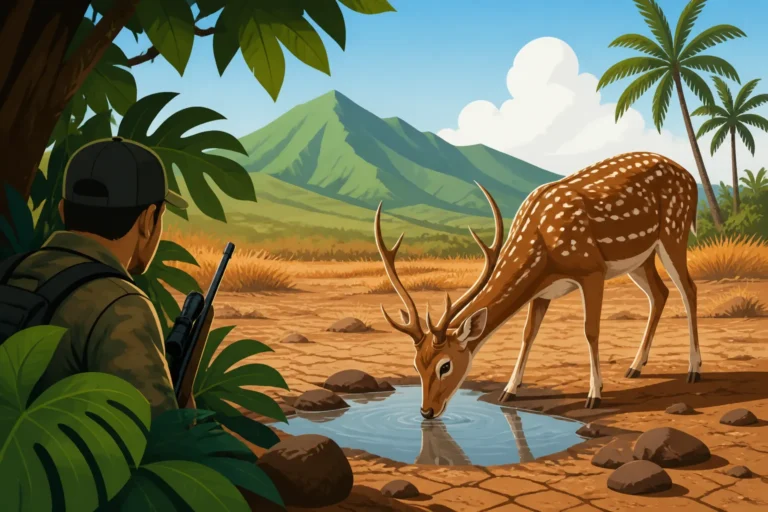
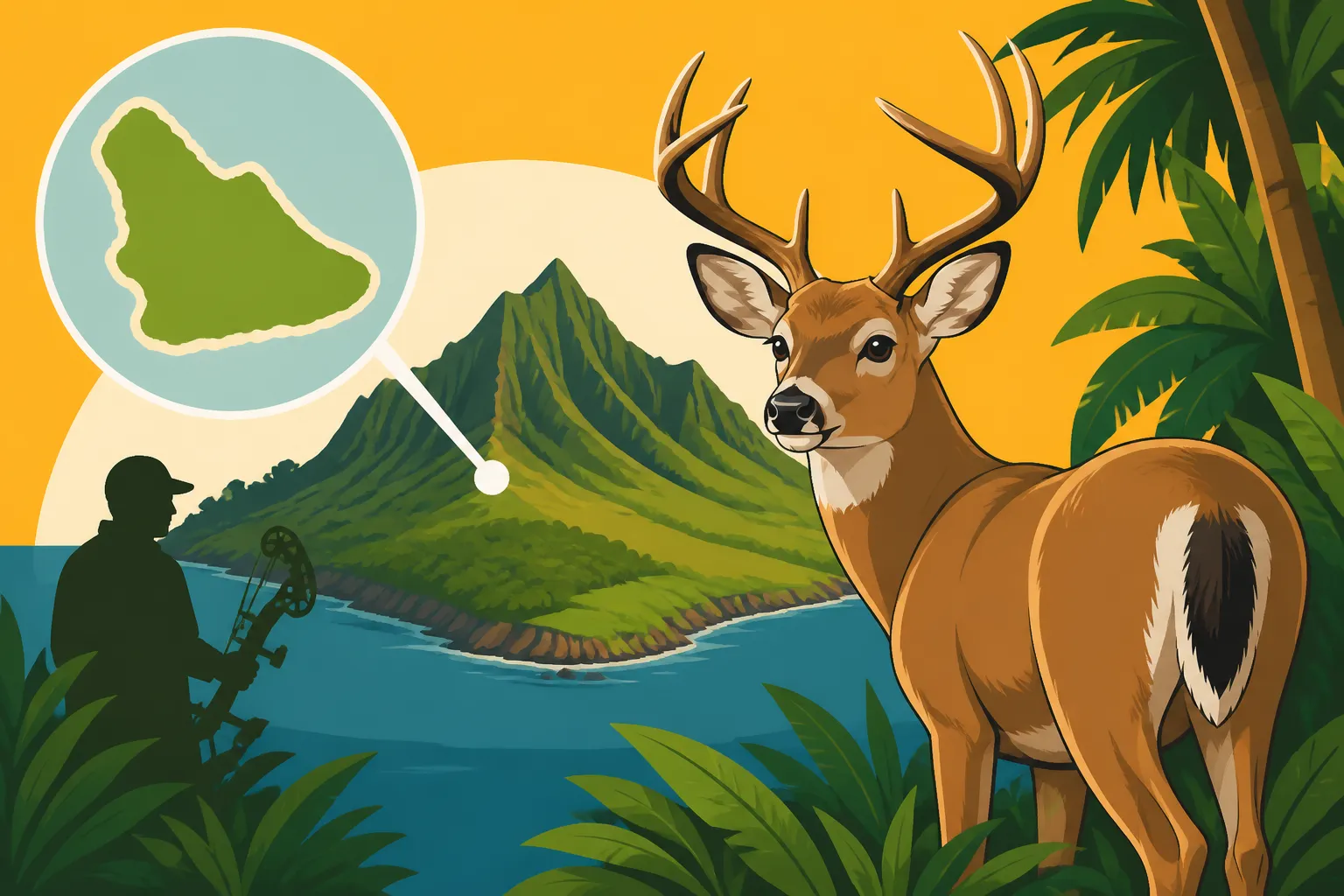
Back in the late 1800s, specifically around 1898, the first Columbian black-tailed deer were brought to Kauai. They weren't just random travelers; these deer were intentionally introduced as a game species, a common practice in those days to provide sport hunting opportunities. The idea was to establish a population for hunting, much like other species were introduced across the islands for various reasons. These animals were typically sourced from the Pacific Northwest, bringing with them a genetic lineage adapted to temperate forests and rugged terrain. Imagine the journey: a long sea voyage, then being released into a completely new, tropical environment. It’s a testament to their adaptability that they thrived at all. The initial releases were focused on the mountainous, forested regions of Kauai, particularly the areas around Kokee and the vast Waimea Canyon. These areas offered a mix of dense cover, varied forage, and freshwater sources, mimicking some aspects of their native range just enough for them to take hold.
Early Success and Population Growth
Once established, the black-tailed deer found Kauai to be a pretty good deal. They encountered no natural predators in Hawaii, which is a massive advantage for any introduced species. Coupled with a plentiful food supply—everything from native plants to introduced grasses and shrubs—their population began to flourish. The rugged, often inaccessible terrain of Kauai also provided ample refuge, allowing them to breed and expand their range largely unmolested in the early decades. The unique climate, with its consistent rainfall in some areas and drier, open country in others, offered a diverse habitat that supported healthy deer numbers. Over time, these deer adapted to the specific nuances of Kauai’s ecosystem, becoming a well-established, though still introduced, part of the island’s wild fauna. The steep canyons, deep gulches, and dense forests became their domain, making Hunting Black-Tailed Deer in Kokee and Hunting the Waimea Canyon Rim for Deer iconic Kauai experiences. They carved out a niche for themselves, impacting the local vegetation, but also becoming a desired game animal for hunters.
Why Kauai Remained Their Sole Island Home
Now for the million-dollar question: with other species like Axis deer making their way to multiple islands, why did black-tailed deer stick exclusively to Kauai? The answer lies in a combination of strict geographical barriers and a lack of specific human intervention.
Geographic Isolation and Ocean Barriers
The most obvious, and arguably most significant, reason is the sheer geographical isolation of Kauai. Each of the Hawaiian Islands is separated by vast stretches of deep, open ocean, characterized by strong currents and often rough seas. While Axis deer were later intentionally transported to other islands like Maui, Molokai, and Lanai by humans, black-tailed deer simply never received that same treatment after their initial Kauai introduction. These deer are not marine animals; they cannot swim the dozens or even hundreds of miles between islands. A rogue deer might make it a short distance across a bay, but crossing the channels between major islands is an entirely different feat, practically impossible for a terrestrial animal. Without human assistance, their natural dispersal mechanism was limited to the confines of Kauai itself. Think about it: a deer isn't going to hop on a boat, and it certainly isn't going to survive the journey through powerful ocean currents to make it to Oahu or Maui. This physical separation is the primary gatekeeper, ensuring they remain solely on Kauai.
Limited Human Intervention for Spread
Unlike the widespread, often rancher-driven, introductions of Axis deer across Maui Nui, there was never a similar organized effort or even accidental transfer of black-tailed deer from Kauai to other islands. The initial introduction was a singular event for a specific purpose on a specific island. Over the decades, as wildlife management evolved and the ecological impacts of introduced species became better understood, the idea of intentionally spreading any game animal to new islands became far less appealing and much more regulated. Today, strict quarantine rules and regulations are in place to prevent the inter-island transfer of live animals without proper permits, and for good reason. The state's Department of Land and Natural Resources (DLNR), specifically the Division of Forestry and Wildlife (DOFAW), oversees these regulations to protect existing ecosystems and agricultural interests. If you've ever tried to bring so much as a piece of fruit from one island to another, you know how serious they are about preventing the spread of unwanted organisms. This regulatory framework, coupled with no driving force for further introductions, effectively created a cordon sanitaire around Kauai for its black-tailed deer population. Websites like GoHunt provide official information on permits and regulations, underscoring the legal hurdles involved in animal transfers.
Habitat Suitability and Competition on Other Islands
While geographical barriers are paramount, the landscape of other islands and the existing wildlife populations also played a role. Black-tailed deer thrive in areas with dense forest cover and thick brush, often found in the higher elevations and rugged canyons of Kauai. While other islands certainly have forests, many of them are already occupied by thriving populations of feral pigs, goats, and the highly adaptable Axis deer. Introducing black-tailed deer to an island already teeming with other ungulates could lead to intense competition for forage and habitat, potentially to the detriment of all species involved and, critically, the native ecosystem. The ecological niche that black-tailed deer occupy might not have been as readily available or as uniquely suitable on, say, the open, dry slopes of Maui or the wet, lower elevation forests of the Big Island, especially once Axis deer were well-established. These factors, while secondary to the direct inability to travel, contributed to the collective decision and happenstance that kept the species contained. For more on the bigger picture of why animals are in Hawaii at all, check out Why Every Hawaii Game Animal Was Introduced.
Understanding the Black-Tailed Deer's Niche on Kauai
So, while they're confined to one island, the black-tailed deer have certainly made Kauai their own. They've established a significant presence, influencing the environment and providing a distinct hunting experience for those willing to brave the island's unique challenges.
Their Ecological Impact and Management
Like all introduced species in Hawaii, black-tailed deer have an impact on the native ecosystem. They browse on vegetation, which can affect forest regeneration and the composition of plant communities. In areas where their populations become too dense, they can contribute to erosion and the spread of invasive plants. Because of these impacts, the state actively manages the black-tailed deer population on Kauai through regulated hunting seasons. This isn't just about providing recreation; it's a vital tool for ecological management, helping to keep deer numbers at sustainable levels to minimize their footprint on the fragile native Hawaiian environment. Hunters play a critical role in this conservation effort, essentially stepping in for the natural predators that don't exist here. Understanding the seasons and specific bag limits is crucial for anyone planning to hunt them; the rules are designed to maintain a healthy balance. For instance, knowing when Kauai's Rifle Deer Weekends fall is key to planning your hunt.
Unique Hunting Opportunities on Kauai
For hunters, the presence of black-tailed deer offers a truly unique challenge and reward found nowhere else in Hawaii. Black-Tailed Deer Hunting in Hawaii means navigating dense rainforests, steep canyon walls, and often slick, muddy trails. It’s a completely different experience than chasing Axis deer on the dry plains of Lanai or Maui. These deer are typically smaller than Axis deer, but they are incredibly wily and adapted to their thick cover. Spot-and-stalk hunting often gives way to still-hunting through dense vegetation, relying on keen observation and a stealthy approach. Hunters need to be prepared for all kinds of weather, from hot, humid conditions to sudden downpours. The rewards, though, are immense: a challenging hunt in an incredibly beautiful, wild setting, and the chance to take home some unique Hawaii venison. Learning What a Kauai Black-Tailed Deer Weighs can help you understand the scale of your quarry. The terrain demands good physical fitness and appropriate gear, especially durable footwear and rain gear. Whether you're considering Hunting Kauai's Muzzleloader Deer Days or rifle season, being prepared for the environment is paramount.
Black-Tailed Deer vs. Other Hawaii Ungulates: A Snapshot
To really highlight why black-tailed deer are unique in their island confinement, let's look at a quick comparison with some other prominent introduced ungulates in Hawaii.
| Feature | Black-Tailed Deer (Kauai) | Axis Deer (Maui Nui) | Feral Pigs (All Islands) | Feral Goats (All Islands) |
|---|---|---|---|---|
| Origin | Pacific Northwest, North America | India | Europe/Polynesia | Europe/Asia |
| Primary Introduction | Late 1800s, specific to Kauai | Late 1800s/Early 1900s, Molokai, then spread | Ancient Polynesian, then European | Early European settlement |
| Current Range | Exclusively Kauai | Maui, Molokai, Lanai | All main Hawaiian Islands | All main Hawaiian Islands |
| Dispersal | Human-assisted to Kauai only | Human-assisted to multiple islands | Human-assisted, natural spread | Human-assisted, natural spread |
| Preferred Habitat | Dense forest, canyons, higher elevation | Dry, open grasslands, kiawe forest | Dense wet forests, varied | Arid cliffs, dry canyons, varied |
| Ecological Role | Browsers, forest impact, hunting game | Browsers/grazers, crop damage, hunting game | Rooters, forest disturbance, hunting game | Browsers, erosion, hunting game |
This table really highlights the unique story of Kauai’s black-tailed deer. While other species have managed to spread, either through extensive human intervention or a broader, more historical pattern of introduction, the black-tailed deer's story is one of a singular introduction and subsequent geographical containment. If you want to dive deeper into the state's hunting unit rules and regulations, Hawaii's Hunting Units and How They Work is a great resource, and for specifics on what's allowed in terms of weaponry across the islands, check out Hawaii's Legal Weapons by Season. The story of these deer is a fascinating part of Hawaii's complex hunting landscape, a testament to both human choices and the unyielding power of the ocean.
Disclaimer
This article is for general informational purposes only and does not constitute professional advice. Laws, prices and regulations vary by location and change over time. Consult a qualified professional for guidance on your specific situation.