Where Kalij Pheasant Live in Wet Forest
The dense, emerald canopies of Hawaii's wet forests, while breathtakingly beautiful, can feel like an impenetrable maze when you're trying to find game. Many hunters get frustrated, walking for miles without seeing a feather, wondering if the elusive Kalij pheasant even exists in these verdant depths. This comprehensive guide will pull back the curtain on the preferred habitats of the Kalij pheasant in Hawaii's unique wet forest environments, offering insights into where to focus your efforts and how to maximize your chances of a successful hunt.
Understanding Kalij Pheasant in Hawaii's Wet Forests
The Kalij pheasant (Lophura leucomelana) isn't native to Hawaii, but like many of our introduced game species, it has thrived in specific niches across the islands. These are hardy, adaptable birds, but they have distinct preferences that, once understood, can unlock the secrets to finding them in what seems like an endless sea of green. They aren't going to be strutting across open fields; their world is one of shadows, moisture, and dense cover.
The Kalij's Preferred Habitat Features
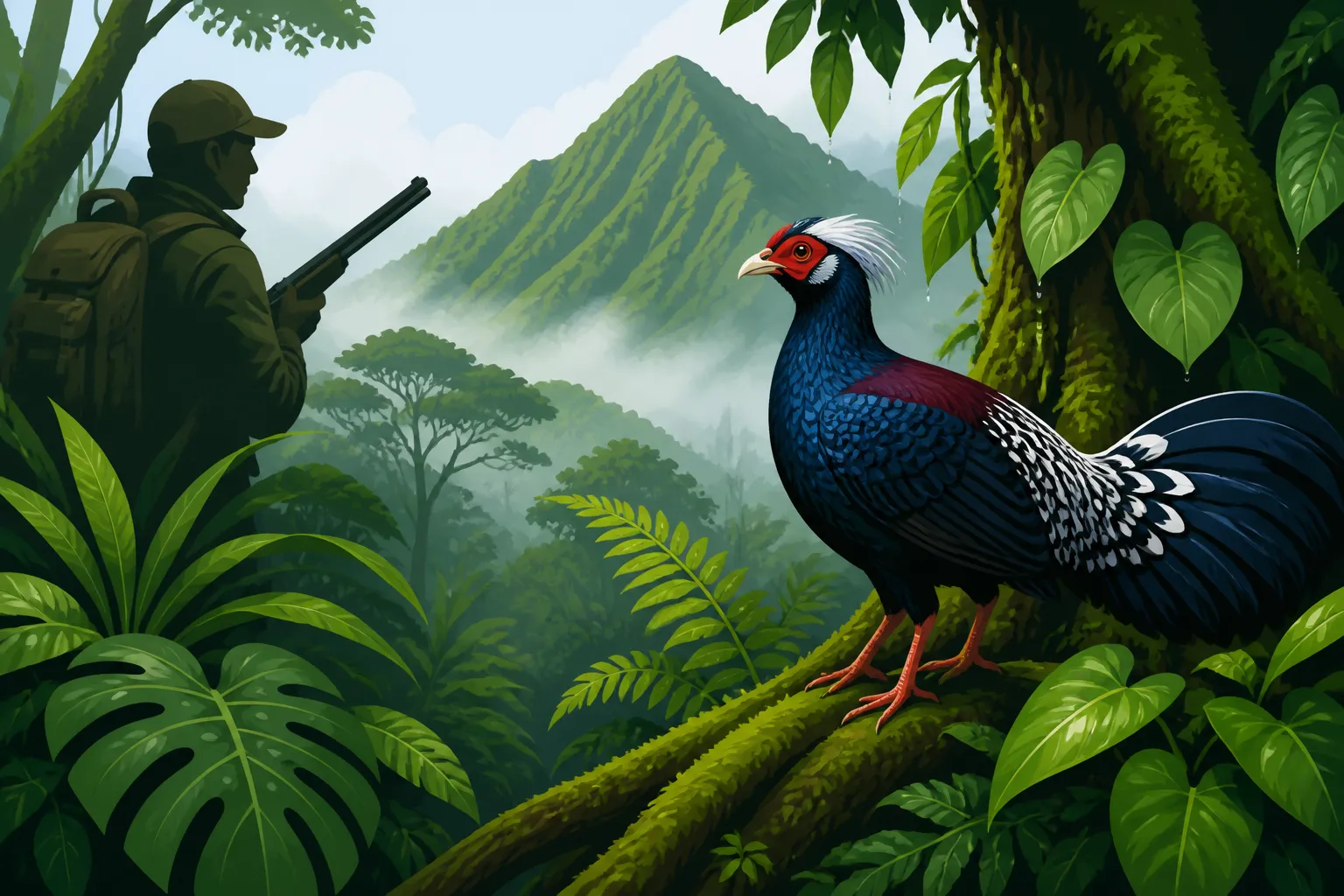
When we talk about "wet forest" for Kalij, we're not just talking about any forest that gets rain. We're zeroing in on areas with a very specific cocktail of conditions. Think of places where the humidity hangs thick in the air, where ferns grow in lush profusion, and where the ground underfoot is often damp, sometimes even muddy. These birds love areas with a dense understory, which provides both cover from predators and a rich source of their varied diet. You'll often find them near thickets of strawberry guava, common guava, or even older, dense stands of non-native trees like eucalyptus. These areas often have an intermingling of native 'ōhi'a and koa trees, creating a mosaic of cover and food sources. They truly are creatures of the deep woods, often preferring areas where light struggles to penetrate beyond the canopy, creating a perpetually shaded, cool environment.
Why Wet Forest is Ideal for Kalij
The sheer abundance of food and water in Hawaii's wet forests makes them a perfect home for Kalij pheasant. These birds are omnivores, foraging on a wide array of insects, grubs, seeds, berries, and even small reptiles. The constant moisture ensures a steady supply of these food items, especially invertebrates that thrive in damp conditions. Furthermore, the dense vegetation offers crucial thermal cover, protecting them from both the sun's intense heat and the chill of higher elevations or cooler rainy days. It also provides excellent escape cover from aerial predators like the Hawaiian hawk, and from ground predators. Without this thick cover, they would be far more vulnerable, which is why you rarely find them venturing far into truly open country. The intricate network of roots and decaying plant matter also creates ideal dusting spots and sheltered roosting areas, completing their essential habitat requirements.
Key Islands and Specific Units for Kalij Pheasant
While Kalij pheasant are found on several Hawaiian islands, their distribution and density vary greatly. The key to finding them often lies in understanding which islands host viable populations and then pinpointing the specific public hunting units or private lands where these wet forest habitats are readily accessible. You won't find them everywhere, so narrowing your focus is essential to avoid wasting precious hunting time.
Kalij on the Big Island: High Rainfall Zones
On Hawaii Island, the Big Island, Kalij pheasant are most prevalent in the higher elevation, wetter forest reserves and Game Management Areas (GMAs) on the windward (Hilo) side and parts of the leeward (Kona) side that still catch significant moisture. Think about areas like the upper elevations of the Waiakea Forest Reserve or certain sections of the Hilo Forest Reserve. These zones receive copious amounts of rain, fostering the dense undergrowth and rich invertebrate life that Kalij require. It's not uncommon to find them along old logging roads or trails that penetrate deep into these forests, especially where there are pockets of disturbed ground from feral pigs, which can expose food sources. The Hawaii Island Archery Unit Dates or rifle seasons in these areas might sometimes overlap with game bird days, offering diverse opportunities. You might also encounter them in the upper reaches of the Kau Forest Reserve, particularly in areas transitioning from pasture to dense forest.
For hunters wanting to really dive into the data, the state's hunting regulations and unit maps, often accessible through platforms like GoHunt Hawaii, can highlight specific units where Kalij presence is confirmed or historically strong. Always check for current regulations and season dates before planning a trip, as these can change.
Maui's Moist Slopes and Forest Reserves
Maui, often known for its Axis deer, also holds huntable populations of Kalij pheasant, particularly on the windward slopes of Haleakala. Areas like the Makawao Forest Reserve or the wetter, higher elevations of the Kula Forest Reserve and Polipoli Spring State Recreation Area are prime locations. These units offer the steep, humid, and densely vegetated terrain that Kalij thrive in. Access can be challenging, with muddy trails and thick vegetation requiring significant effort. However, this also means less hunting pressure in some of the deeper, harder-to-reach pockets. Look for them around patches of ginger, ti, and thick fern growth, often along stream beds or in steep gulches where water is constant. The birds can be surprisingly vocal, especially at dawn and dusk, which can sometimes give away their general location. Remember to review Maui's Year-Round and Seasonal Units to confirm specific game bird access.
Oahu and Kauai's Dense Wet Patches
While perhaps not as renowned for Kalij as the Big Island or Maui, both Oahu and Kauai offer localized opportunities, mainly within their expansive and often rugged wet forest regions. On Oahu, the Koʻolau and Waiʻanae mountain ranges, particularly their higher, wetter slopes, can hold pockets of Kalij. Think about units like the Ewa Forest Reserve or parts of the Waianae Kai Forest Reserve, especially areas that are less frequently hunted for pigs and goats. The challenge here is often finding accessible public land that isn't too close to populated areas and provides sufficient habitat.
Kauai, with its dramatic interior canyons and rain-soaked mountains, also supports Kalij pheasant. The more remote and less accessible parts of the Na Pali-Kona Forest Reserve and the high country above Waimea Canyon are places where these birds can be found. These are truly wild, rugged areas, often requiring significant physical exertion to reach. When considering a hunt on these islands, thoroughly research the specific unit rules and check the Hawaii Game Bird Seasons and Bag Limits for any specific island-based restrictions. Access points might be limited, and scouting via aerial maps or speaking with local hunters can be invaluable.
Reading the Landscape for Kalij Sign
Hunting Kalij pheasant in Hawaii's wet forests isn't like walking a cut cornfield for pheasants on the mainland. It's a much more intimate, slow, and methodical process. You need to become attuned to the subtle signs these birds leave behind and learn to 'read' the forest to identify their preferred hideouts. It's less about covering vast distances and more about meticulously dissecting smaller, promising areas.
Identifying Kalij Hotspots Within Wet Forest
Even within a general wet forest unit, Kalij will gravitate towards certain micro-habitats. Look for areas where the forest transitions or creates edges. This could be where a dense stand of secondary growth meets older, more open forest, or along the edges of small clearings, old trails, or overgrown logging roads. These edges often provide easy access to thicker cover, but also offer spots for dusting, sunning themselves on cooler days, or foraging in more open, accessible ground. Drainage features like small stream valleys or ephemeral gulches are also key. The consistent moisture encourages lush vegetation along their banks, creating ideal travel corridors and feeding grounds. You might find tracks in the soft earth, or even dust baths that look like shallow depressions in dry, powdery soil, usually sheltered under heavy cover. Identifying What Hawaii's Kalij Pheasant Looks Like can help you confirm the species of any feathers or droppings you might encounter. They love areas with a mix of dense low cover and slightly more open ground where they can scratch and feed.
Typical Kalij Behavior in Their Preferred Environment
Kalij pheasants are generally ground-dwelling birds, though they will roost in trees at night. During the day, they are constantly foraging, scratching through leaf litter and dense undergrowth for food. They are often quite wary and can be incredibly difficult to flush once they sense a presence. When disturbed, their first instinct is usually to run rather than fly, utilizing the dense cover to disappear silently. If they do flush, it's often an explosive burst of wings, followed by a short, powerful flight back into the nearest thicket. They tend to travel in small groups or coveys, especially hens with their chicks or bachelor groups of males outside of breeding season. During breeding season, you might hear the distinctive crow of a male Kalij, which can sometimes help pinpoint their general location, particularly at dawn and dusk. Understanding why Hawaii's windward forests hold pigs can also be relevant here, as areas with high pig activity often create disturbed ground that Kalij might exploit for foraging, though too much disturbance can also drive them out.
Strategies for Hunting Kalij in Wet Forest
Hunting Kalij pheasant in Hawaii's wet forests requires patience, persistence, and a willingness to adapt your techniques to the challenging terrain and the birds' wary nature. It's a physically demanding hunt, often conducted in humid conditions, so preparation is key. Don't expect a high-volume shoot; a single Kalij can be a hard-earned trophy.
Gear and Tactics for Dense, Rainy Conditions
First and foremost, your gear needs to stand up to the elements. Waterproof boots with excellent traction are non-negotiable for navigating slippery mud, wet roots, and uneven terrain. Durable rain gear is also essential, as showers can move in quickly in these wet forest environments. Long pants and sleeves are advisable to protect against scratches from thorny brush and potential insect bites. A light, open-choked shotgun is ideal for the close-quarters shots you're likely to get, as Kalij will burst out of cover suddenly. As for tactics, slow and steady wins the race. Still-hunting, moving deliberately and quietly through promising cover, stopping frequently to listen, is often more effective than crashing through the brush. Focus on those transition areas, gulches, and dense thickets. Working the edges of a Hunting a Hawaii Koa Forest Edge or Hunting an Ohia Forest Opening can be highly productive. Be prepared for quick, fleeting opportunities and snap shots.
Utilizing Dogs for Kalij in Thick Cover
This is where a good bird dog truly shines in Kalij pheasant hunting. Without a dog, recovering a downed bird in such dense cover can be next to impossible, and even flushing them can be a monumental task. A well-trained flushing dog, particularly a spaniel or a versatile pointing breed that also flushes vigorously, can be invaluable. The dog's nose can locate birds that are holding tight, and their enthusiasm can often force a flush where a human hunter might walk right past a bird. The dog's scenting ability also becomes critical for finding birds that have run after being shot or that have fallen into thick brush. Using a Bird Dog in Hawaii Terrain comes with its own set of challenges, including navigating lava, steep slopes, and humidity, so ensuring your dog is fit and well-acclimated is crucial. Remember that training your dog to work within gun range in extremely thick cover, and to retrieve promptly, is paramount for success and ethical hunting in these conditions. When hunting with a dog, always be mindful of other game species that might be in the area, and ensure your dog is disciplined enough to focus on birds.
Disclaimer
This article is for general informational purposes only and does not constitute professional advice. Laws, prices and regulations vary by location and change over time. Consult a qualified professional for guidance on your specific situation.