Ticks and Parasites in Hawaii Game
The thrill of hunting in Hawaii is unmatched – the unique terrain, the incredible game animals, it's truly special. But let's be real, out in the wild, you're not alone. Our islands' lush environments, from the wet rainforests to the dry kiawe flats, are also home to all sorts of tiny critters, including ticks and other parasites that can make their way into game animals, and potentially, to you. This guide is all about navigating those unseen challenges, helping you understand the common ticks and parasites you might encounter in Hawaii game, and providing practical steps to ensure a safe hunt and a healthy harvest for you and your family.
Understanding the Common Critters in Hawaii's Wild Game
When you're out in Hawaii's diverse hunting units, whether you're stalking pigs in a dense gulch or glassing for Axis deer on a dry slope, it's not just the big game you need to be aware of. The environment teems with microscopic life and tiny invertebrates, some of which can impact the health of the animals you hunt and, by extension, your own. Knowing what to look for and what risks are present is your first line of defense.
Ticks and Their Concerns for Hunters
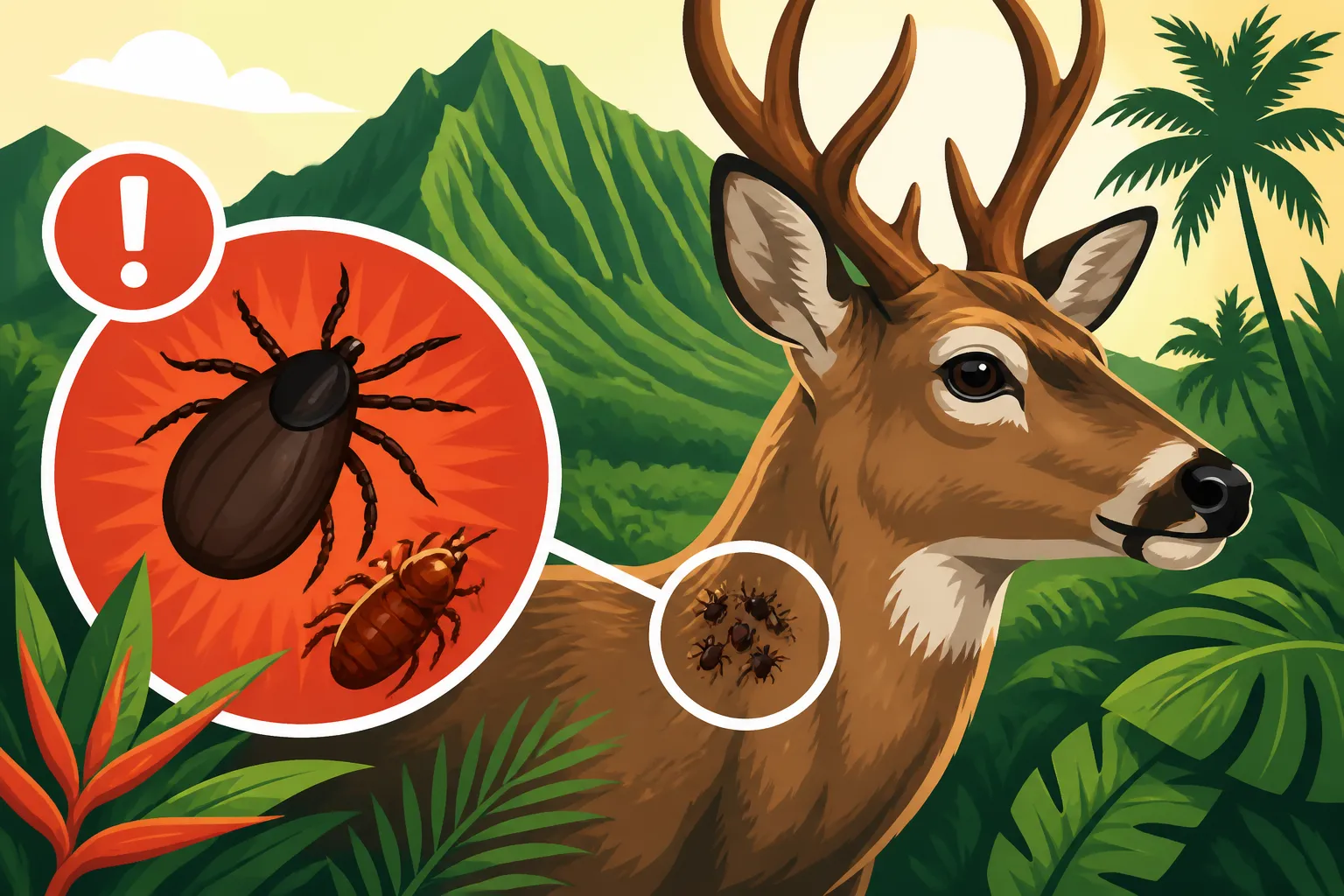
Ticks are probably the most visible and widely recognized external parasites hunters encounter. In Hawaii, while we don't have the same Lyme disease concerns as some mainland states, ticks are still a nuisance and can carry other pathogens. You'll often find them clinging to tall grasses, brush, and low-hanging vegetation, waiting for a host to brush by. They thrive in damp, overgrown areas, which means if you're venturing into a wet windward unit or deep into a thicket while Still-Hunting Pigs in Hawaii's Wet Forest, you're more likely to come across them.
Imagine you've just dragged a pig out of a particularly dense patch of uluhe fern. As you take a breather, you might notice small, dark specks clinging to your clothes or, worse, already attached to your skin. These tiny arachnids can cause localized irritation, and in rare cases, transmit bacterial infections. While Hawaii doesn't have the "big three" tick-borne diseases often discussed on the mainland, general vigilance is always a good idea. Always assume any tick could transmit something, even if it's just a common skin irritation.
Internal Parasites: More Than Just Worms
The internal world of Hawaii's game animals is a different story, often harboring a variety of parasites that aren't visible until you start field dressing. These can range from various types of worms to single-celled organisms, and they're incredibly common, especially in species like feral pigs and goats. Pigs, in particular, are notorious for their parasitic load due to their diet and habits. They root around in the soil, eat almost anything, and often live in areas conducive to parasite lifecycles.
You might encounter lungworms, liver flukes, or various gastrointestinal roundworms. Liver flukes, for example, often appear as flattened, leaf-like organisms found in the liver and bile ducts, sometimes causing visible damage to the organ. Handling Pig Meat and Leptospirosis is a critical concern, but internal parasites are another layer of consideration. These parasites typically don't pose a direct threat to humans if the meat is cooked thoroughly, but their presence can indicate the overall health of the animal and may necessitate careful trimming or discarding of affected organs. During field dressing, if you notice an unusual number of cysts, lesions, or worms in the organs like the liver, lungs, or intestines, it's a clear sign of parasitic activity.
Other Potential Pests and Pathogens
Beyond ticks and internal worms, there are other pathogens present in Hawaii's game animals that hunters should be aware of, primarily for their own safety during handling and consumption. Leptospirosis, a bacterial disease, is a major concern, particularly with feral pigs. This bacterium thrives in warm, wet environments and is shed in the urine of infected animals, contaminating soil and water. Humans can contract it through contact with infected animal tissues or contaminated water, often through breaks in the skin or mucous membranes. This is why strict hygiene during field dressing is paramount.
Another, more specific concern that has gained attention in Hawaii is Angiostrongylus cantonensis, commonly known as rat lungworm. While the primary hosts are rats and snails/slugs, pigs can become infected by eating infected snails or slugs. While rare for humans to contract directly from pig meat, the risk underscores the importance of proper cooking. The complex ecosystem here means that understanding Diseases Hawaii Hunters Should Know is an ongoing process. Ultimately, common sense, cleanliness, and proper cooking are your best allies against these unseen threats.
Safe Handling and Processing to Mitigate Risks
Bringing down an animal is only half the battle; the other half is ensuring that the meat is safe and wholesome for consumption. This stage of the hunt is where many potential issues with ticks and parasites can be effectively managed, protecting both the quality of your harvest and your personal health.
Field Dressing Best Practices
Field dressing is probably the most critical step in preventing contamination and ensuring meat quality, especially in a warm, humid environment like Hawaii. The moment an animal is down, the clock starts ticking for bacterial growth and the potential for parasites to spread. Your goal is to remove the internal organs as quickly and cleanly as possible. Always wear gloves – this cannot be stressed enough. Nitrile gloves are inexpensive and provide a crucial barrier between you and potential pathogens.
When opening the body cavity, try to avoid rupturing the stomach or intestines, as their contents can contaminate the meat. Make clean cuts and systematically remove the organs. Pay close attention to the liver, lungs, and heart. If you see anything unusual – cysts, worms, or discolored tissue – make a mental note. Properly dispose of offal away from water sources and game trails. After handling, even with gloves, wash your hands thoroughly with soap and water or use hand sanitizer. For a deep dive, checking out resources on Field Dressing Axis Deer in Hawaii Heat can offer additional insights, as the principles apply across species.
Proper Meat Inspection and Trimming
Once the animal is field dressed and cooled, and you're ready to butcher, take the time for a thorough meat inspection. This is where you can identify and address any remaining signs of parasites or disease. Look closely at the muscle tissue for any abnormalities: unusual lesions, cysts, or discolored areas. Small, calcified cysts might be visible in the muscle of pigs, for instance. For pigs, checking the diaphragm or tongue for signs of trichinosis is also a good practice, though less common in Hawaii.
If you find small, isolated areas of parasitic infestation or minor lesions, you can usually trim them away cleanly, discarding only the affected portions. However, if an entire organ, like a liver, is heavily infested with flukes, or if muscle tissue is widespread with cysts, it’s often best to discard that part or even the entire animal to be safe. It’s a tough decision after a hard hunt, but your health is paramount. Remember, even if parasites are present, thorough cooking typically renders the meat safe, but quality and peace of mind are greatly improved by careful inspection and trimming.
Cooling and Storage Strategies
Hawaii's tropical climate means rapid cooling of game meat is not just a recommendation; it's an absolute necessity. High temperatures and humidity accelerate bacterial growth, which can not only spoil meat but also create an environment where any lingering pathogens can multiply more quickly. After field dressing, get that carcass cooled down as fast as possible. This might mean quartering the animal and placing the meat in breathable game bags in a cooler with ice, or hanging it in a shaded, well-ventilated area if conditions allow.
Prompt cooling limits the growth of bacteria and also helps prevent the development of some parasites post-mortem. Blood and internal organs are breeding grounds for many microorganisms, and removing them quickly, then chilling the meat, is paramount. Having a plan for Cooling Meat Fast on a Hawaii Hunt is crucial for any hunter here. Before storing meat long-term, ensure it is completely clean, dry, and free from any suspicious areas. Freezing meat for extended periods can also kill many types of parasites, adding another layer of safety.
Protecting Yourself and Your Hunting Partners
It’s not just about the meat; it’s about you, the hunter. You're out there, hands-on, in direct contact with the environment and the animals. Taking precautions to protect yourself from ticks and other potential contaminants is just as important as ensuring your harvest is clean.
Personal Protective Equipment (PPE)
Think of PPE as your everyday armor in the field. For Hawaii hunting, it often starts with your clothing. Long sleeves and long pants, preferably light-colored so ticks are easier to spot, provide a physical barrier against ticks and other insects. Tucking your pants into your socks or boots can further prevent ticks from crawling up your legs. Insect repellent containing DEET or permethrin (applied to clothing, not skin, for permethrin) is also a wise choice, especially when you're traversing dense brush or areas known for heavy tick activity.
Gloves, as mentioned before, are non-negotiable for field dressing. Keep a couple of pairs in your pack. Sturdy, waterproof boots are essential for navigating the wet, muddy, and often rocky terrain, protecting your feet not only from punctures but also from prolonged contact with potentially contaminated soil or water. This is particularly true when you're navigating steep, slippery ground or hunting near water sources. When you're hunting Hawaii's rainforest gulches, for example, you're constantly exposed to damp conditions where pathogens can linger.
Post-Hunt Hygiene and Tick Checks
The hunt isn't over until you've thoroughly cleaned yourself and your gear. As soon as you're done processing an animal and back at camp or home, prioritize personal hygiene. Wash your hands, arms, and any exposed skin with soap and water immediately. Clean all your tools – knives, saws, game bags – with hot, soapy water. Consider washing your hunting clothes separately from your regular laundry, especially if they're particularly muddy or stained.
The most important post-hunt ritual? A full body tick check. Ticks can hide in surprising places. Systematically check your scalp, behind your ears, in your armpits, groin, belly button, and behind your knees. Pay attention to skin folds and hairy areas. If you find a tick, remove it carefully with fine-tipped tweezers, grasping it as close to the skin's surface as possible and pulling straight upward with steady, even pressure. Clean the bite area with rubbing alcohol or soap and water. It's a small effort that can prevent bigger problems down the line. Even if you checked using GoHunt's handy tick maps before your trip, a personal check is irreplaceable.
Understanding Symptoms and Seeking Medical Advice
Despite your best efforts, sometimes things happen. Knowing the signs and symptoms of potential infections can lead to faster treatment and better outcomes. For tick-borne illnesses, common symptoms can include fever, chills, headaches, fatigue, and muscle aches. A distinctive rash might also appear, though not always. For leptospirosis, symptoms can range from mild (fever, headache, muscle aches) to severe (kidney damage, meningitis).
If you develop any unusual symptoms after a hunting trip, especially within a few weeks of exposure to game animals or ticks, do not hesitate to consult a healthcare professional. Be sure to inform them about your recent hunting activities and potential exposure. Early diagnosis and treatment are key. Don't try to self-diagnose based on internet searches. A quick visit to a doctor is always the best course of action for your peace of mind and health.
Broader Health and Conservation Context
Hunting in Hawaii isn't just a recreational pursuit; it's also a vital component of wildlife management and conservation. Understanding the broader implications of animal health and the role you play as a hunter can enhance your appreciation for these activities.
The Role of Hunting in Managing Animal Health
Hawaii's game animals, primarily feral species like pigs, goats, and Axis deer, were introduced to the islands and often exist in densities that can put stress on both the native ecosystem and the animals themselves. Overpopulation can lead to increased competition for resources, degraded habitat, and potentially higher rates of disease and parasite transmission within animal populations.
Regulated hunting seasons and bag limits, managed by the Department of Land and Natural Resources (DLNR) Division of Forestry and Wildlife (DOFAW), help to control these populations. By removing animals, particularly those that may be older or weaker, hunters contribute to healthier herds and populations overall. This reduces the strain on the environment and can, indirectly, lessen the prevalence of parasites and diseases by reducing animal density and improving overall animal health. Engaging in activities like Hunting Hawaii's Feral Pigs or Axis Deer Hunting in Hawaii directly supports these conservation efforts.
Reporting Unusual Findings
As a hunter, you are often the first line of observation for animal health in the field. If you encounter an animal that appears sickly, or if you notice severe parasitic infestations, unusual lesions, or other signs of disease during field dressing, it's incredibly helpful to report these findings to DOFAW. This information can be crucial for wildlife biologists and veterinarians who monitor animal populations for emerging diseases or changes in health trends.
Knowing who to contact and how to describe what you've seen can make a real difference. When you check in and out of a unit, you can ask the staff about any current animal health concerns they've observed or would like reports on. Resources like GoHunt often share general information and updates regarding season changes or local conditions, and while they aren't the official reporting channel for animal health, they can sometimes highlight areas of concern or provide contact information for DOFAW. Your observations contribute to a larger understanding of the ecosystem and help keep both wildlife and the human population healthy.
Overview of Common Parasites and Hunter Precautions
| Parasite Type | Common Hosts in Hawaii Game | Potential Impact on Animals | Key Hunter Precautions |
|---|---|---|---|
| External Parasites | |||
| Ticks | All mammals | Skin irritation, secondary infections, minor disease transmission | Wear long sleeves/pants, use repellent, perform thorough tick checks. |
| Internal Parasites | |||
| Liver Flukes | Pigs, Goats, Sheep | Liver damage, poor condition | Inspect liver, trim heavily affected areas, cook meat thoroughly. |
| Lungworms | Pigs, Goats, Sheep | Respiratory issues, coughing | Inspect lungs, cook meat thoroughly. |
| Roundworms (various) | Pigs, Goats, Deer, Sheep | Digestive issues, nutrient depletion | Maintain hygiene during field dressing, cook meat thoroughly. |
| Bacterial/Other | |||
| Leptospira spp. | Pigs (common), other mammals | Kidney/liver damage, severe illness in humans | Wear gloves, avoid contact with urine/blood, cook meat thoroughly. |
| Rat Lungworm | Pigs (indirectly via slugs) | Neurological issues | Cook meat thoroughly (especially pork), wash hands, avoid raw snails/slugs. |
Disclaimer
This article is for general informational purposes only and does not constitute professional advice. Laws, prices and regulations vary by location and change over time. Consult a qualified professional for guidance on your specific situation.