Maui’s Public Hunting Areas
Maui, often called the "Valley Isle," is renowned for its breathtaking landscapes and vibrant culture, but for hunters, it also holds the promise of challenging and rewarding public land opportunities. Navigating these areas can feel a bit like cracking a secret code, with diverse terrain, shifting regulations, and the ever-present need to understand where to go and what to expect. This guide is here to demystify Maui's public hunting lands, giving you the practical insights you need to plan a successful and respectful hunt on this incredible island.
Understanding Maui's Public Hunting Landscape
Hunting on Maui's public lands is a truly unique experience, far removed from what many might expect from a tropical paradise. It's not about manicured fields or easy access; it's about embracing rugged beauty and the challenge it presents. From the high-elevation slopes of Haleakala to dense forest reserves, Maui offers a variety of public hunting experiences for those willing to put in the effort.
The Lay of the Land: Maui's Diverse Hunting Units
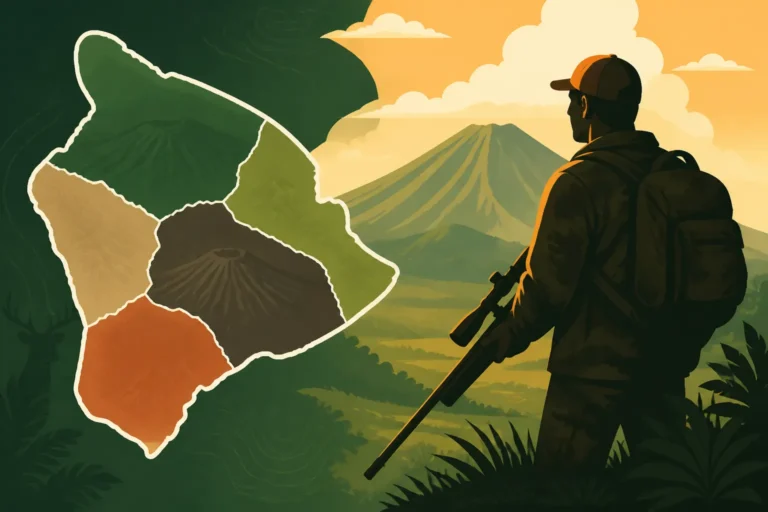
Maui's public hunting lands are managed by the Department of Land and Natural Resources (DLNR), Division of Forestry and Wildlife (DOFAW). These areas are typically designated as Forest Reserves (FR) or Game Management Areas (GMA). What's crucial to understand is that each unit has its own unique characteristics – not just in terms of geography and vegetation, but also in terms of hunting seasons, allowed species, and specific rules. You can't just assume what applies to one unit will apply to another. It's a patchwork, and understanding the nuances is your first step. For example, some units might be primarily dry, open kiawe forest, while others are wet, dense guava thickets, or even high-altitude mamane-koa forests. The hunting experience shifts dramatically with these ecological zones. Hawaii's Hunting Units and How They Work provides a great overview of the state's system.
Hunting is typically concentrated on the slopes of Haleakala, offering diverse elevations and habitats. These areas often require robust vehicles, a good map (and the ability to read it!), and a strong pair of boots. You'll find yourself navigating everything from old ranch roads to nearly nonexistent trails, always with an eye on the contour lines and the potential for a sudden drop into a gulch.
Permitting and Access Essentials for Public Land
Before you even think about stepping into a Maui public hunting unit, you absolutely must get your paperwork in order. This isn't a place where you can just show up. First, you need a valid Hawaii hunting license. Beyond that, many of Maui's prime hunting units require specific permits and tags, often obtained through a lottery or draw system for certain species or seasons. Even for general season hunts, you’ll need to check in and out of the units. This is a non-negotiable step for all public land hunters. You might check in at a physical hunter check station, or increasingly, via digital apps like OuterSpatial, which makes it a lot easier when you're on the go.
It's really important to keep an eye on the official DOFAW website for season dates, bag limits, and specific unit rules. These can change. There have been times when a unit’s opening date or even the entire season has been adjusted due to environmental conditions like drought or heavy rain, or even management needs. Always double-check right before your planned hunt. Don't rely on last year's information. Checking In and Out of Hawaii Hunting Units goes into more detail about this process.
Key Game Species You'll Find on Public Ground
When you hunt Maui's public lands, you're primarily targeting three main introduced game mammal species: Axis deer, feral pigs, and feral goats. Each offers a distinct challenge and requires different approaches.
- Axis Deer: Maui is famous for its Axis deer, a beautiful spotted deer that thrives in the island's drier, open areas, especially on the leeward slopes of Haleakala. While private ranches certainly have large populations, public units like Kahikinui offer trophy potential for the dedicated hunter. Their keen senses and tendency to be in herds make them a formidable quarry. You'll often find them grazing in more open areas at dawn and dusk, retreating to denser cover during the heat of the day. Axis Deer, Hawaii's Signature Big Game is a must-read if you're targeting these animals.
- Feral Pigs: Pigs are found across a wider range of habitats on Maui, from the wet, dense forests to the drier, brushier areas. They are intelligent, tough, and often prefer the thickest cover, making still-hunting or dog hunting common methods. Public units with denser vegetation often hold healthy pig populations. They're a favorite among many local hunters, known for their powerful build and delicious meat. Hawaii's Feral Pigs, Island by Island gives a great overview of these robust animals.
- Feral Goats: Goats are often found in the rugged, steep, and arid coastal areas or volcanic slopes. They are incredibly agile and can disappear into seemingly impassable terrain. Public hunting areas with deep gulches and rocky outcroppings are prime goat country. Don't underestimate their ability to spot you from a distance and make a quick escape. Hunting goats often involves long glassing sessions and tough hikes. Hawaii's Feral Goats and Why They Matter highlights their role and characteristics.
| Species | Preferred Habitat (General) | Common Hunting Methods | Typical Challenge |
|---|---|---|---|
| Axis Deer | Dry, open grasslands; kiawe forests | Spot-and-stalk, still-hunt | Excellent senses, herd dynamics, open country visibility |
| Feral Pig | Dense wet forests, gulches, brushy areas | Still-hunt, dog hunting | Thick cover, nocturnal habits, aggressive when cornered |
| Feral Goat | Steep, rocky cliffs, arid slopes, canyons | Spot-and-stalk, ambush | Agile in extreme terrain, keen eyesight, quick escape |
Deep Dive into Maui's Primary Public Hunting Units
Maui offers several public hunting areas, each with its own character and opportunities. Understanding the specifics of these units is crucial for planning your hunt.
Kula Forest Reserve and Polipoli Spring State Recreation Area
Nestled on the slopes of Haleakala, the Kula Forest Reserve and Polipoli Spring State Recreation Area form a significant public hunting zone. This area is higher in elevation, meaning cooler temperatures and different vegetation than the coastal regions. You'll find a mix of native and introduced trees, often shrouded in mist. Hunting Maui's Kula Forest Reserve and Polipoli details what to expect.
This unit is known for its Axis deer, especially during the archery and muzzleloader seasons, though pigs and goats can also be found. The terrain here can be steep and broken by deep gulches, often carpeted in dense fern and ginger, making for challenging tracking and retrieving. Access usually involves driving up winding roads; a four-wheel-drive vehicle is highly recommended, especially after rain, as roads can become muddy and slick. Hunters often hike in from designated parking areas, fanning out into the various ridges and drainages. The cooler air at this elevation can be a welcome relief from the heat found lower down, but don't mistake cooler for easy – the physical demands are still very real.
Kahikinui Game Management Area (GMA)
Kahikinui is a vast and rugged area on the southeastern leeward slopes of Haleakala. This GMA is a big draw for Axis deer hunters, boasting a healthy population and the potential for large bucks. The landscape here is much drier than Kula, characterized by kiawe and other dryland forest, open grasslands, and ancient lava flows. This means less dense undergrowth in many places, which can make glassing more productive but also makes it harder to approach animals unseen. Hunting Maui's Kahikinui Slopes offers valuable insights for this challenging area.
Access to Kahikinui is via rough dirt roads that demand a high-clearance 4×4. These roads can be extremely dusty in dry weather and nearly impassable mud pits after heavy rains. Once you leave the main tracks, you're in for some serious hiking. Spot-and-stalk is the name of the game here for Axis deer, utilizing the rolling terrain and scattered kiawe trees for cover. Pigs and goats are also present, often found in the deeper gulches or areas with more substantial cover. Water is a major concern in Kahikinui – there are very few reliable natural sources, so plan to pack in all your water for drinking and cooling meat. The remoteness and sheer size of Kahikinui can be intimidating, but it also means there are vast tracts of land where you can truly feel alone in the wilderness.
Makawao Forest Reserve
On the northern, wetter slopes of Haleakala, the Makawao Forest Reserve offers a stark contrast to Kahikinui. This area is much denser, lusher, and often shrouded in mist and rain. Hunting Maui's Upcountry Forest Reserves discusses these unique environments. Here, you'll primarily be hunting feral pigs and goats. Axis deer are less common but can be found in the more open fringes. The dense vegetation – think towering eucalyptus, thick guava, and rampant ferns – means still-hunting or hunting with dogs are the most common and effective methods.
The trails and old roads in Makawao can be slick with mud, and visibility can be severely limited. Hunters need to be prepared for wet conditions and navigating through very thick cover. This is a unit where you often hear the animals before you see them, or stumble upon fresh sign. Physical stamina is key, as you'll be pushing through brush and climbing steep, slippery slopes. While the close quarters can make for exciting encounters, it also requires extreme caution regarding shot placement and knowing your surroundings. The sound dampening effect of the dense forest can also make it easy to get disoriented, so a reliable GPS or mapping app like onX Hunt is an absolute lifesaver.
Navigating the Challenges of Maui's Public Hunts
Hunting on Maui’s public lands isn't just about finding game; it's about mastering the unique environment itself. The island presents a dynamic set of challenges that can make or break a hunt, requiring preparation, resilience, and a deep respect for the land.
The Terrain: Steep Slopes, Lava, and Dense Undergrowth
Maui's terrain is notoriously unforgiving. Forget flat, easy walking; you'll encounter everything from incredibly steep, eroded slopes that feel like climbing a ladder, to ancient, jagged lava flows that can shred your boots and ankles in minutes. Then there's the vegetation: dry kiawe thorns that can puncture tires and skin, or wet, dense tangles of guava, uluhe fern, and ginger that require literally pushing your way through, step by agonizing step. It's a constant battle against gravity, sharp edges, and thick green walls.
This varied terrain means you need a versatile approach. For the dry, open country, good optics and patience for glassing are paramount. You'll spend hours behind the binoculars, searching for a flick of an ear or the subtle pattern of Axis deer hides against the landscape. For the thick, wet forests, slow, deliberate still-hunting or hunting with well-trained dogs are often the only way to even detect pigs. Regardless of the unit, reliable, broken-in hiking boots with excellent ankle support are non-negotiable. Walking Rough Lava Without Wrecking Your Boots is an important skill to develop. Every step needs to be deliberate, checking for loose rocks or hidden crevices.
Weather Wisdom: Dealing with Rain, Wind, and Heat
Maui's weather can be a tale of two islands, often within a few miles. The windward sides are lush and wet, regularly experiencing trade wind showers that can turn trails into muddy rivers in minutes. The leeward sides, especially Kahikinui, can be scorching hot and bone-dry, leading to heat exhaustion if you're not careful. Even on dry days, the sun at higher elevations is intense, and you'll burn quickly without protection.
Understanding the typical weather patterns and how they influence game movement is crucial. Reading Hawaii's Trade Wind Patterns can give you an edge. A sudden downpour can drastically reduce visibility and make footing treacherous, but it can also soften the forest floor, making for quieter stalking. Persistent wind can make still-hunting difficult as swirling thermals carry your scent in unpredictable directions, but it can also mask your sounds. Always pack layers for warmth, rain gear for unexpected showers, and plenty of water, even on what seems like a cool day. The humidity, even when temperatures aren't extreme, can quickly dehydrate you.
Hunter Pressure and Finding Your Solitude
While Maui's public lands are vast, some units and popular spots can see significant hunter pressure, especially on opening weekends or during prime seasons. Finding solitude often means putting in the extra effort to hike deeper, climb higher, or push into areas that others are less willing to tackle. The beauty of Maui, however, is that there are still plenty of remote corners for those who seek them.
Using mapping tools like onX Hunt can be incredibly helpful for identifying potential access points and routes that might be less traveled. These apps, along with sites like GoHunt, allow you to study contour lines and vegetation, helping you pinpoint areas that might be overlooked by others. Be prepared to adapt your plans if you encounter other hunters in your chosen spot. Sometimes, just adjusting your start time to be earlier than everyone else, or hunting later in the day, can make a significant difference. Ultimately, the more effort you're willing to expend, the more likely you are to find those untouched pockets of wilderness and undisturbed game.
Strategies for Success on Maui's Public Lands
Success on Maui's public hunting lands rarely comes by accident. It's the culmination of diligent preparation, smart tactics, and an understanding of the local environment.
Pre-Scouting and Map Research
Before you ever set foot on Maui, or even before your hunt day begins, thorough research is your best friend. This starts with pouring over topographic maps and satellite imagery. Tools like onX Hunt are invaluable for this, allowing you to identify access roads, terrain features like gulches, ridges, and saddles, as well as different vegetation types. Look for natural pinch points, areas where different habitats converge, or spots with reliable water sources (especially in dry country, which can be a game-changer for Axis deer).
Pay close attention to elevation changes, as animals will often move along contour lines or use saddles to cross between drainages. Online resources, including the DOFAW website and hunter forums, can also provide recent intel on conditions, animal activity, or unexpected closures. Don't forget to study past harvest reports if available, to get a sense of where success has been found. This virtual scouting saves you precious time and energy in the field.
Effective Hunting Tactics for Axis Deer, Pigs, and Goats
Once you're in the field, adapting your tactics to the species and environment is key.
- Axis Deer: For Axis deer, especially in open areas like Kahikinui, spot-and-stalk is highly effective. Climb to a high vantage point before first light and use good binoculars or a spotting scope to scan the terrain for herds. Be patient. Once you spot animals, plan your stalk carefully, using terrain features and vegetation to conceal your approach. Spot-and-Stalk Axis Deer in Hawaii offers more detailed advice. Axis have excellent eyesight and hearing, so move slowly, test the wind, and be ready to freeze at a moment's notice. In denser pockets of kiawe or forest fringe, still-hunting through quietly can be productive, moving only a few steps at a time and then pausing to listen and scan.
- Feral Pigs: Pigs often prefer the thickest, nastiest cover, making them a challenge to spot. In Makawao and similar dense units, still-hunting slowly and quietly through known pig habitat (look for rooting, rubs, and trails) is effective. You'll need to be stealthy, as pigs have a great sense of smell and hearing. Many local hunters opt for dog hunting, which involves a "bay dog" to find and hold the pig, and a "catch dog" to help secure it. This method requires specific legal weapons and strict adherence to safety protocols. Pig Hunting With Dogs in Hawaii covers this method extensively.
- Feral Goats: Goats are often found on steep, rocky slopes and gulch walls. Like Axis deer, spot-and-stalk is often the best approach. Glass extensively from a distance, locate a herd, and then plan an approach that keeps you out of sight. Their agility means they can quickly navigate impossible-looking terrain to escape, so anticipating their escape routes can be helpful. Pay attention to wind direction, as goats also have a good nose. Early mornings are often best, as goats move to feed at first light.
Essential Gear for a Maui Public Land Adventure
Your gear list for a Maui hunt needs to be rugged and practical, ready for anything the island throws at you.
- Footwear: High-quality, waterproof, ankle-supporting hiking boots are non-negotiable. You'll be traversing sharp lava, slippery mud, and steep slopes. Gaiters can also be useful to keep debris out of your boots in dense brush.
- Clothing: Layers are essential. Quick-drying, synthetic fabrics are best. Even in warm weather, a light rain jacket and pants are a must, especially in wetter units. Blaze orange is often required on public lands, so check specific unit rules.
- Navigation: A reliable GPS device or a robust mapping app on your phone (like onX Hunt or Gaia GPS) is critical. Make sure to download offline maps, as cell service is often nonexistent in remote areas. A compass and paper map are also good backups.
- Optics: Good quality binoculars (10x or 12x) are essential for spotting game, especially in open country. A spotting scope can be an advantage for distant glassing.
- Water & Food: Carry more water than you think you'll need. A hydration pack is usually more convenient than bottles. High-energy snacks are also vital for sustained effort.
- First Aid: A well-stocked first aid kit for cuts, scrapes, blisters, and insect bites. Consider a personal locator beacon (PLB) or satellite messenger for emergencies in areas without cell service. No Cell Signal on a Hawaii Hunt is a good read on this.
- Game Care: Field dressing tools, game bags, and a plan for cooling meat quickly are crucial in Hawaii's warm climate. Field Care in Hawaii's Heat and Humidity cannot be stressed enough; meat spoils fast here.
Conservation and Ethical Hunting on Maui
Hunting on Maui isn't just a recreational pursuit; it's a critical component of the island's conservation efforts. The animals you pursue are introduced species that can cause significant damage to Hawaii's fragile native ecosystems, and responsible hunting helps manage their populations.
Understanding Maui's Ecosystem and Introduced Species
Hawaii's unique, isolated ecosystem evolved without large mammalian predators. When species like Axis deer, feral pigs, and feral goats were introduced, they found an environment ripe for population growth with no natural checks. These ungulates browse native plants, spread invasive seeds, contribute to soil erosion, and create pathways for invasive weeds, utterly transforming habitats that took millennia to form. Maui Nui, encompassing Maui, Lanai, and Molokai, has seen exponential growth in its Axis deer population, causing severe ecological damage and agricultural losses.
As a hunter on Maui, you're not just harvesting an animal; you're actively participating in the ecological management of the island. This perspective underscores the importance of ethical and legal hunting practices. By removing these animals, you're helping to protect native forests, watersheds, and the unique biodiversity that defines Hawaii.
Best Practices for Meat Care in Tropical Climates
One of the biggest challenges for hunters in Hawaii is proper meat care, given the warm, humid climate. Meat spoils incredibly fast here, much quicker than in cooler mainland environments. Therefore, having a solid plan for field dressing and cooling your animal is paramount to ensure the meat is fit for consumption.
As soon as an animal is down, the clock starts ticking. Field dress the animal promptly and efficiently. Get the hide off the carcass as soon as possible, as the hide traps heat. Quarter the animal and get the meat into breathable game bags. Don't use plastic bags; they trap heat and moisture, accelerating spoilage. If you're deep in a gulch, having a plan for Packing Meat Out of a Hawaii Gulch is crucial. The goal is to get the core temperature of the meat down as rapidly as possible. This often means hanging it in the shade, away from direct sunlight, and ensuring airflow. Many hunters bring large coolers filled with ice to immediately submerge the bagged quarters once they're out of the field. Without proper cooling, all your hard work can literally go to waste.
Respecting the Land and Local Community
Hunting in Hawaii comes with a unique cultural context. While hunting is a valued tradition for many local families, it's essential for all hunters, especially visitors, to approach the activity with deep respect for the aina (land) and the local community. This means more than just following the rules; it means embodying a spirit of malama aina (care for the land).
Pack out everything you pack in, and then some. Leave no trace of your presence. Respect private property boundaries and unit closures meticulously. Be mindful of noise, especially in areas near residential zones or other recreational users. When interacting with local hunters, guides, or residents, be polite and humble. Many local hunters have generations of knowledge about the land, and a respectful attitude can open doors to invaluable insights. Remember that you are a guest on these islands, and your actions reflect on the entire hunting community. By upholding the highest standards of ethics and respect, you contribute positively to the perception of hunting on Maui and help ensure its future.
Disclaimer
This article is for general informational purposes only and does not constitute professional advice. Laws, prices and regulations vary by location and change over time. Consult a qualified professional for guidance on your specific situation.