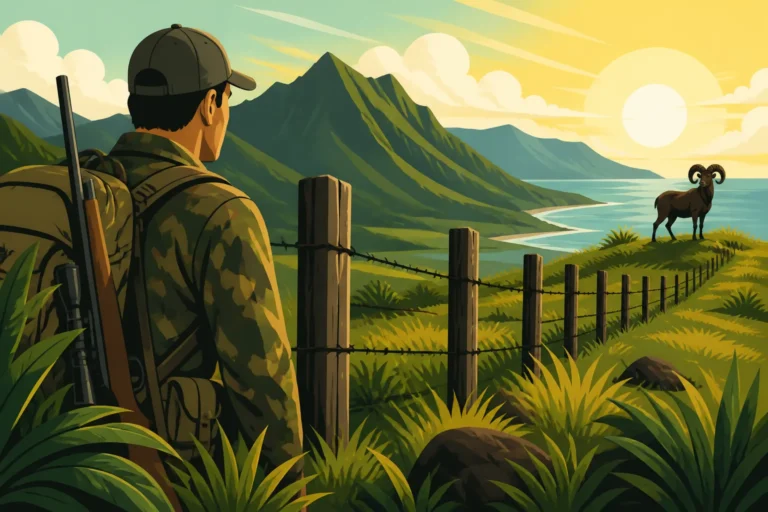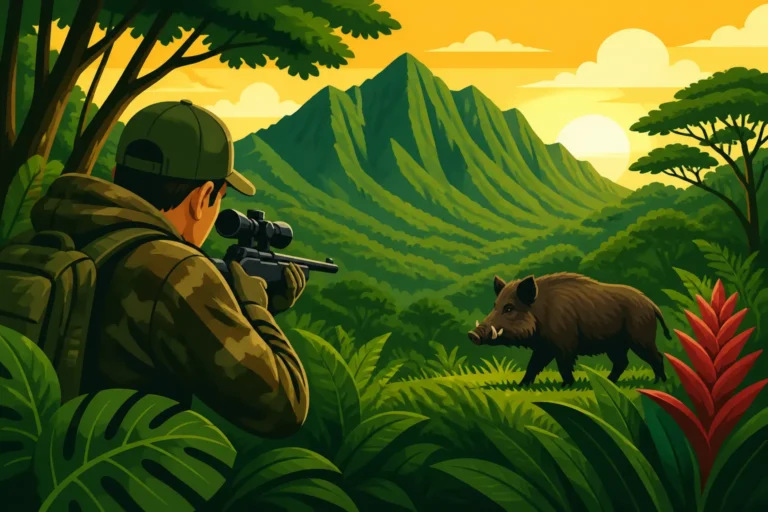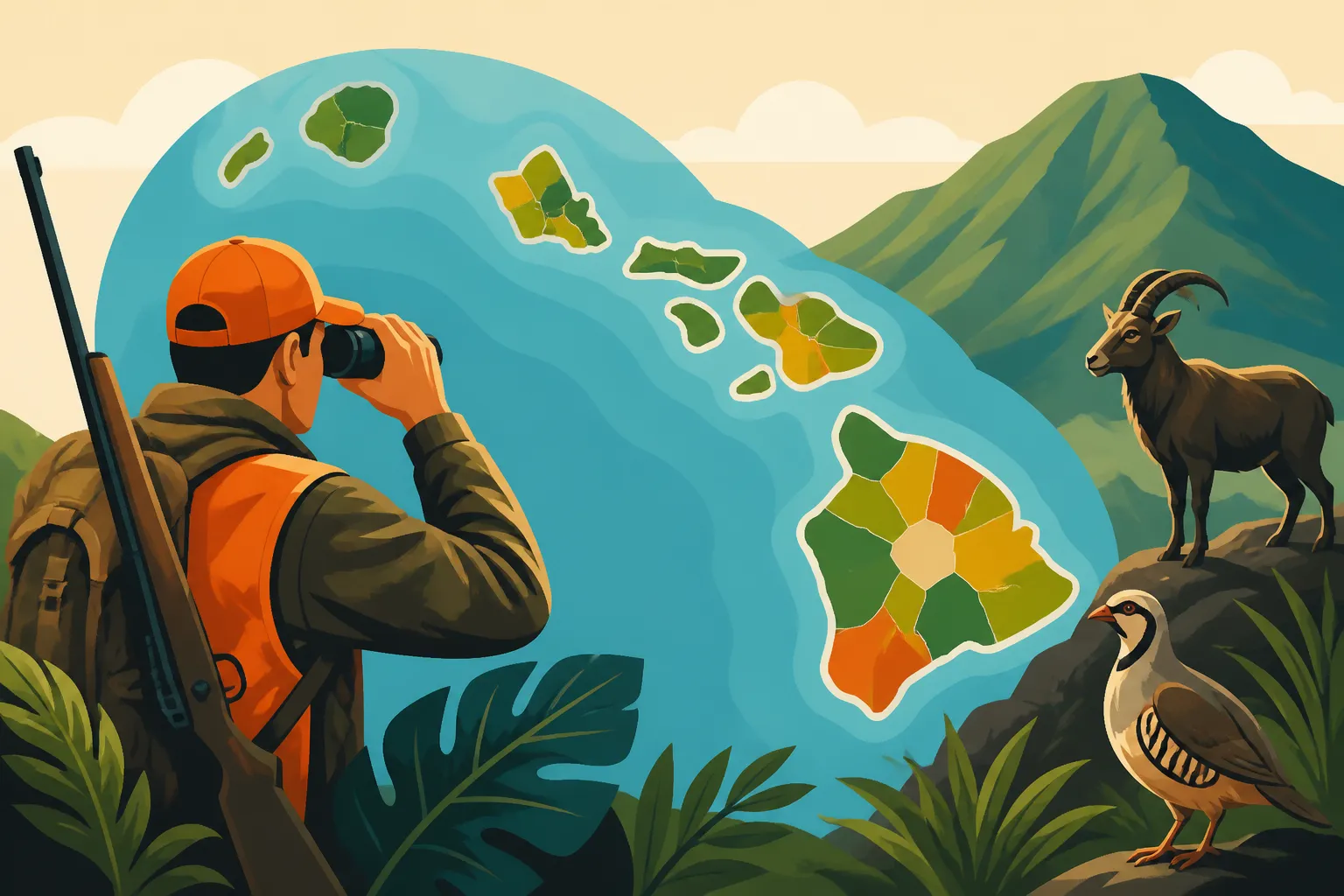
Hawaii’s Cooperative Game Management Areas
Hunting in Hawaii can sometimes feel like trying to find a needle in a volcanic haystack, especially when you're seeking diverse terrain and species beyond the usual public units. Many hunters worry about limited access or the complexities of navigating private land. This guide is here to shed light on Hawaii's Cooperative Game Management Areas (CGMAs), showing you how these unique partnerships open up vital hunting opportunities and providing the roadmap to successfully planning your next adventure.
Understanding Cooperative Game Management Areas (CGMAs)
Let's be honest, finding prime hunting ground in Hawaii can be a real head-scratcher. We have incredible public lands, for sure, but the islands are small, and hunting pressure is a reality. That's where Cooperative Game Management Areas, or CGMAs, step in as a truly valuable resource for us hunters. They bridge the gap between strictly public and private lands, offering a fantastic blend of access and opportunity.
What Exactly Are CGMAs?
At their core, Cooperative Game Management Areas are formal agreements between the State of Hawaii's Department of Land and Natural Resources (DLNR), specifically the Division of Forestry and Wildlife (DOFAW), and private landowners or entities. Think of it as a handshake deal, but with official paperwork and clear guidelines. The private landowners — often large ranches, agricultural operations, or land trusts — agree to open up portions of their property for public hunting, typically under specific conditions and seasons set by DOFAW.
This isn't just a casual arrangement; it's a structured partnership designed to achieve several key goals. For DOFAW, it's about expanding public hunting access, managing game populations more effectively across a wider landscape, and often, protecting threatened native ecosystems by controlling invasive species like pigs and goats. For us hunters, it means more ground to cover, more chances to pursue game, and often access to areas that would otherwise be entirely off-limits. It's a win-win when it works well, offering opportunities that just wouldn't exist otherwise.
The Benefits for Hunters
The perks of hunting in CGMAs are pretty substantial, especially when you consider the unique challenges of island hunting. First and foremost, you gain access to significantly more land, and often, land that’s rich in game. Imagine terrain that might range from dense native forests to dry kiawe flats, or high-elevation pastures, all within a regulated framework. This diversity means a wider range of hunting experiences and often, healthier, less pressured animal populations.
These areas can often be much larger than some of our standard public hunting units, providing a greater sense of wilderness and the chance for a more expansive hunt. You might find yourself pursuing axis deer on a private ranch that's part of a CGMA, an experience that might otherwise cost a pretty penny with an outfitter. It really opens up possibilities for self-guided hunters who crave more ground. While public lands are the backbone of Hawaii hunting, CGMAs provide an essential expansion of our available areas, often giving access to landscapes and animal behaviors not typically found on strictly public ground.
The Landowner's Perspective
Now, you might be wondering, why would a private landowner open up their property to public hunters? It's a fair question, and it's important to understand their motivations, as it helps foster respect and ensures these programs continue. For many landowners, especially large ranches, managing feral game populations like pigs and goats is a constant, expensive battle. These animals can cause significant damage to fences, water systems, and pasturelands, not to mention impacting sensitive native habitats. By participating in a CGMA, landowners get assistance with population control, leveraging public hunters as a management tool.
Beyond that, some agreements might involve a financial component, or tax incentives, though the primary driver is often game management and conservation. It also allows landowners to demonstrate good stewardship of their land by contributing to public recreation and wildlife management. Of course, they also have concerns – legitimate ones – about liability, potential misuse of their property, poaching, and ensuring the safety of their livestock and operations. Our responsibility as hunters, then, is to adhere strictly to all rules, respect the land, and act as guests, ensuring these vital partnerships continue to thrive. The trust between DOFAW, the landowner, and us hunters is truly the foundation of these areas.
Key Cooperative Game Management Areas Across the Islands
Hawaii is a collection of diverse islands, and so are its Cooperative Game Management Areas. While the principle remains the same—private land opened for public hunting through an agreement—the specifics of each CGMA can vary wildly, reflecting the unique geography, species, and land ownership of its island home. Let's dive into a couple of the most prominent examples.
Hawaii Island's Kapapala Cooperative Area
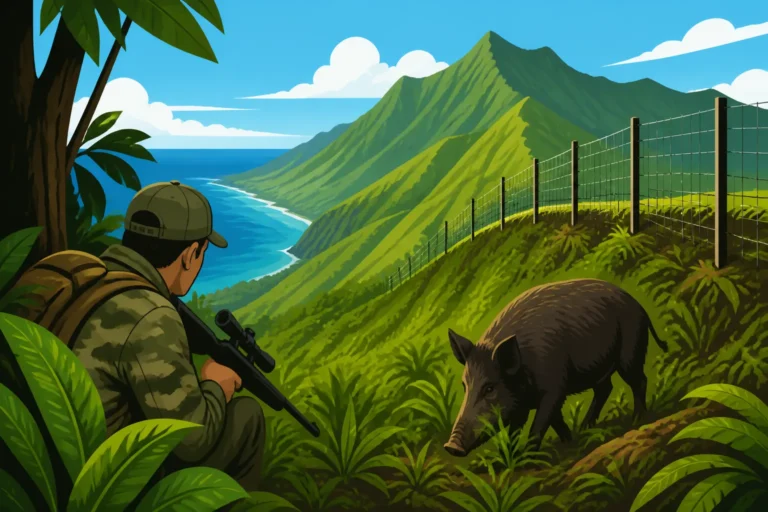
When you talk about CGMAs on Hawaii Island, the Kapapala Cooperative Game Management Area is often one of the first that comes to mind. Located on the southeastern slopes of Mauna Loa, this area offers a fantastic opportunity to hunt a mix of feral pigs and goats. The terrain here is incredibly varied, ranging from open pasturelands to denser forest and scrub brush, often with significant elevation changes that will get your heart pumping.
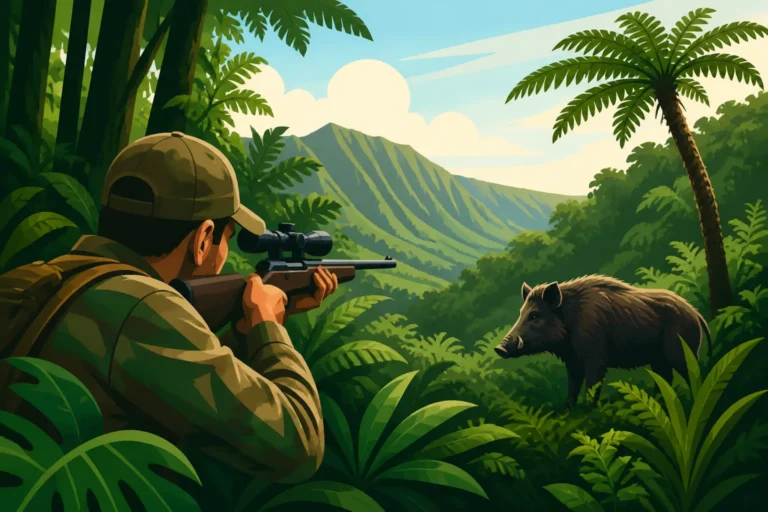
Hunting in Kapapala typically allows for rifle, archery, and muzzleloader, and it's also a prime spot for Dog and Knife Pig Hunting in Hawaii, given the dense pockets of vegetation where pigs love to hide. Seasons and specific boundaries can shift, so always check the latest DOFAW announcements. What makes Kapapala truly unique is its history as working ranch land. You'll find yourself navigating a landscape shaped by generations of paniolo (Hawaiian cowboys), offering a glimpse into Hawaii's rich agricultural past while pursuing game. The mix of open country and thick cover makes for challenging but rewarding hunting, whether you're stalking Hunting Hawaii's Feral Pigs in a gulch or glassing for Hunting Hawaii's Feral Goats on a distant slope.
Lanai Cooperative Game Management Area
Lanai is an island almost synonymous with quality big game hunting, particularly for axis deer and mouflon sheep, and its Cooperative Game Management Area is a huge reason why. Much of the hunting on Lanai for these prized species takes place within this CGMA, encompassing vast tracts of land owned by Pulama Lanai, in cooperation with DOFAW. This isn't your typical walk-up-and-hunt public land scenario, however. Access to the Lanai CGMA is primarily through a highly sought-after lottery draw system for specific seasons.
If you're lucky enough to draw a tag for Axis Deer Hunting in Hawaii or Mouflon Sheep Hunting on Hawaii Island on Lanai, you'll find yourself traversing some truly iconic Hawaiian hunting country. The terrain varies from dry, dusty kiawe flats near the coast, all the way up through steep, rocky gulches and higher, forested ridges that offer breathtaking views. Hunting here is a true test of skill, often involving Spot-and-Stalk Axis Deer in Hawaii tactics over challenging ground. This unique draw system for a premier hunting experience highlights how CGMAs can create incredible, limited-access opportunities. It’s important to understand the specific rules and seasons for Lanai's Three Public Hunting Units that fall within this larger cooperative area, as they can have different regulations.
Navigating Rules and Access in CGMAs
Okay, so CGMAs sound pretty fantastic, right? More land, more opportunities. But here's the kicker: they often come with their own set of rules and access protocols that are distinct from standard public hunting units. Ignoring these specifics isn't just rude; it can jeopardize your hunt and even future access for all of us.
Understanding Permit Requirements and Draw Systems
One of the biggest differences you'll encounter in CGMAs compared to general public hunting units is the permit and access structure. While you'll always need a valid Hawaii hunting license, many CGMAs, especially for highly desired species like axis deer or mouflon, operate on a permit-tag system that's often allocated via a lottery draw. The Lanai CGMA is a prime example, where hunters must apply for specific seasons and hope their name is drawn. This isn't a pay-to-play situation; it's a random draw designed to fairly distribute limited opportunities.
It's absolutely critical to stay on top of the annual season announcements from DOFAW. These announcements will detail which CGMAs are open, for what species, during which dates, and how to apply for any required permits or participate in a draw. Websites like GoHunt (which aggregates hunting information) or the official DOFAW portal are your best friends here. The frustration of not drawing a tag, especially for a dream hunt, is real, but understanding the system is the first step. You'll need to know How Hawaii's Permit-Tag System Works and stay informed about Hawaii's Drawn Hunts and Lotteries to even get a foot in the door for these special hunts.
Specific Regulations and Restrictions
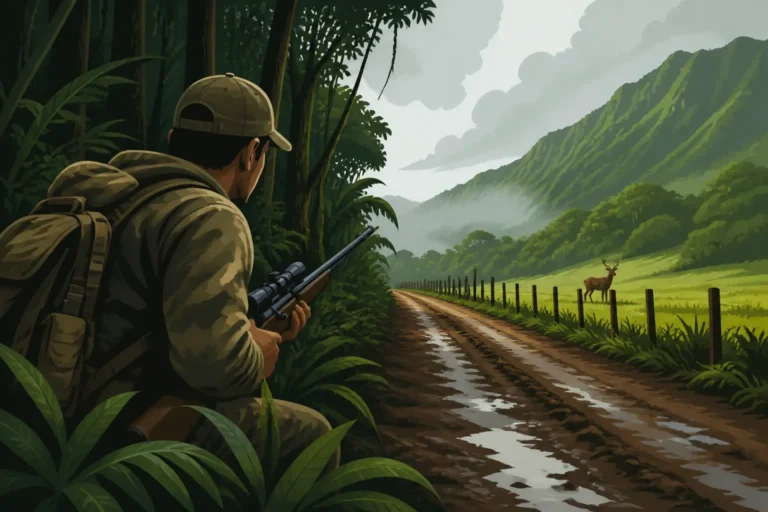
Beyond the permits, CGMAs often have unique regulations tailored to the specific agreement with the landowner and the ecological needs of the area. Don't assume that rules from a regular public unit will apply here. For instance, some CGMAs might have strict archery-only seasons, while others might allow rifle or muzzleloader hunting on specific dates. Vehicle access is another common point of regulation; many areas require 4WD vehicles and limit travel to designated roads only, often to protect sensitive ground or maintain ranch operations.
Dog hunting, while a popular method for pigs in Hawaii, also comes with specific rules in CGMAs, often restricted to particular units or dates. You'll definitely want to check the Hawaii Dog Hunting Rules for your chosen CGMA. Blaze orange requirements are usually standard for safety, but always confirm. Bag limits, while often aligned with broader public land regulations, can sometimes have nuances. Always scrutinize the DOFAW announcements for the CGMA you plan to hunt to avoid any surprises. Understanding Hawaii's Legal Weapons by Season is paramount for any hunt, but especially in these managed areas where rules can be more precise.
Respecting Boundaries and Landowner Trust
This is perhaps the most crucial aspect of hunting in a CGMA: respect. Remember, you are a guest on private land. Knowing your exact location at all times is non-negotiable. This is where tools like onX Hunt (and other mapping apps) become invaluable. They show property lines, public/private designations, and even unit boundaries right on your phone, helping you stay out of trouble and off private property that isn't part of the agreement.
The relationship between DOFAW, the landowner, and the hunting community is built on trust. If hunters consistently disregard rules, trespass onto unapproved private sections, or cause issues, the landowner can and will pull the plug on the agreement. This means lost opportunities for everyone. Therefore, we all have a responsibility to act as good stewards. Adhering to Hawaii Trespass and Closed Area Rules isn't just about avoiding a fine; it's about preserving these precious hunting grounds for future generations. When checking in and out, whether through a physical station or an app like Using OuterSpatial App to Check In, you're not just complying with a rule; you're reinforcing the system that allows these areas to exist.
Planning Your Hunt in a CGMA
So, you've decided to tackle a Cooperative Game Management Area. Excellent choice! But unlike simply heading to your local public land, hunting a CGMA often requires an extra layer of planning and preparation. Think of it as preparing for an expedition, not just a casual stroll in the woods.
Researching Your Chosen CGMA Thoroughly
Before you even think about packing your boots, your most important tool is research. The devil truly is in the details when it comes to CGMAs. Start with the official DOFAW website and their annual hunting season announcements. These documents are gold mines, detailing specific dates, bag limits, required permits, access roads, and any special regulations unique to that CGMA. Don't skim them – read them cover to cover.
Once you have the official word, dive into maps. Topographic maps, aerial imagery, and hunting apps like onX Hunt are your best friends. Identify potential bedding areas, feeding grounds, water sources, and especially access points. Pay close attention to the terrain: are there steep gulches, lava fields, or dense thickets? Understanding the landscape virtually can save you a lot of wasted effort in the field. Talking to local hunters who have experience in the area can also provide invaluable insights, offering tips on animal movement patterns or challenging access points that maps might not reveal. Consider scouting a Hawaii hunting unit before opening, if possible, to get a lay of the land firsthand. Scouting a Hawaii Hunting Unit Before Opening can make all the difference, even if it's just a drive-through.
Essential Gear for CGMA Terrain
Hawaii's terrain is notoriously rugged and unforgiving, and CGMAs are no exception. Your gear list needs to reflect this reality. First up: your boots. You'll be traversing everything from sharp lava rock to slick, muddy trails and possibly dense undergrowth. Invest in high-quality, ankle-supporting, waterproof boots that are well broken-in. Many hunters find specific types of Boots for Hawaii Lava and Wet Forest are essential.
Beyond footwear, robust navigation tools are crucial. A reliable GPS unit or a smartphone with a downloaded, offline mapping app like onX Hunt is non-negotiable, especially since cell service is often non-existent in remote CGMA sections. Don't forget a physical map and compass as a backup! Hydration is paramount in Hawaii's climate; carry plenty of water and a filtration device if you expect to find natural sources. A comprehensive first-aid kit is also a must, along with rain gear (even on sunny days, pop-up showers are common), sun protection, and a headlamp. Finally, consider how you'll get your animal out. If you're successful in a remote gulch, having a plan for Packing Meat Out of a Hawaii Gulch is vital due to the heat and humidity.
Logistics and Contingency Planning
Hunting in a CGMA isn't just about finding game; it's about executing a safe and successful trip from start to finish. Access roads, even within CGMAs, can be incredibly challenging. Many require a high-clearance 4WD vehicle, and some are only accessible during specific hours or days. Confirm these details well in advance.
Communication is another big one. Assume there will be no cell service. Carry a satellite messenger or a personal locator beacon (PLB) for emergencies. Always, always let someone outside the hunting area know your exact plans, including where you're going, your intended route, and when you expect to return. This simple step can be a lifesaver. Finally, pay attention to check-in and check-out procedures. Many CGMAs have physical check stations or require electronic check-ins via apps. Adhering to these procedures isn't just a rule; it's a critical safety measure and a way for DOFAW to gather valuable harvest data. Overlooking these steps can lead to penalties and, again, jeopardize future access.
The Future of Cooperative Hunting in Hawaii
The concept of Cooperative Game Management Areas is a testament to the innovative spirit required to sustain hunting in a place as unique and ecologically sensitive as Hawaii. These partnerships are more than just hunting grounds; they're living examples of how conservation, recreation, and private land stewardship can intersect.
The Evolving Landscape of Access
Hawaii faces increasing pressures from a growing population, development, and constantly evolving land ownership. As more people call these islands home and land changes hands, securing and maintaining access for hunting becomes an ever more complex challenge. CGMAs represent a crucial strategy in this evolving landscape. They provide a flexible framework that allows private lands, which make up a significant portion of the islands, to contribute to public hunting opportunities without sacrificing the landowner's core operations or conservation objectives.
The continued success of CGMAs is vital for balancing the needs of wildlife management (especially controlling invasive ungulates), providing quality recreation for residents and visitors, and fostering a deeper connection to the 'aina (land). They demonstrate that hunting isn't just a recreational pursuit but a critical tool for ecosystem health in Hawaii. However, this balance is delicate, and issues like land conversion, changing landowner priorities, or increased liability concerns could impact existing agreements. Hunter advocacy, through respectful engagement and demonstrating the value of these programs, becomes increasingly important.
How Hunters Can Support CGMAs
If you value the opportunities that Cooperative Game Management Areas provide, then you have a role to play in their continued success. It boils down to being a responsible, ethical, and engaged hunter. First and foremost, always follow the rules to the letter. This means understanding and adhering to all permit requirements, season dates, weapon restrictions, and vehicle access rules. Every time a hunter disregards a rule, it erodes the trust that these cooperative agreements are built upon.
Secondly, participate fully in harvest reporting. This data is incredibly valuable to DOFAW for managing game populations and demonstrating the efficacy of hunting as a management tool. It helps justify continued access. Beyond that, be a good steward of the land. Pack out everything you pack in, and perhaps even a little extra trash you find. Respect all boundaries, signs, and infrastructure. Engaging positively with DOFAW, local communities, and even landowners (if the opportunity arises) can also go a long way. Show that hunters are responsible, respectful, and committed partners in Hawaii's unique conservation efforts. Our actions directly influence the future of these invaluable hunting areas.
Hawaii Cooperative Game Management Areas Overview
| Feature | Kapapala Cooperative Area (Hawaii Island) | Lanai Cooperative Game Management Area (Lanai) |
|---|---|---|
| Primary Species | Feral Pigs, Feral Goats | Axis Deer, Mouflon Sheep |
| Access Type | Permit required, typically over-the-counter or sign-in | Highly competitive lottery draw for permit-tags |
| Key Terrain | Varied: open pasture, dense forest, gulches, mountain slopes | Dry kiawe flats, steep gulches, rocky ridges, higher forests |
| Typical Methods | Rifle, archery, muzzleloader, dog hunting (pigs) | Rifle, archery, muzzleloader (depending on season) |
| Landowner(s) | Kapapala Ranch (in partnership with DOFAW) | Pulama Lanai (in partnership with DOFAW) |
| Noteworthy | Historical ranch land, significant elevation changes | Premier axis deer hunting, strict draw system |
Disclaimer
This article is for general informational purposes only and does not constitute professional advice. Laws, prices and regulations vary by location and change over time. Consult a qualified professional for guidance on your specific situation.