Hunting Hilo Forest Reserve Country
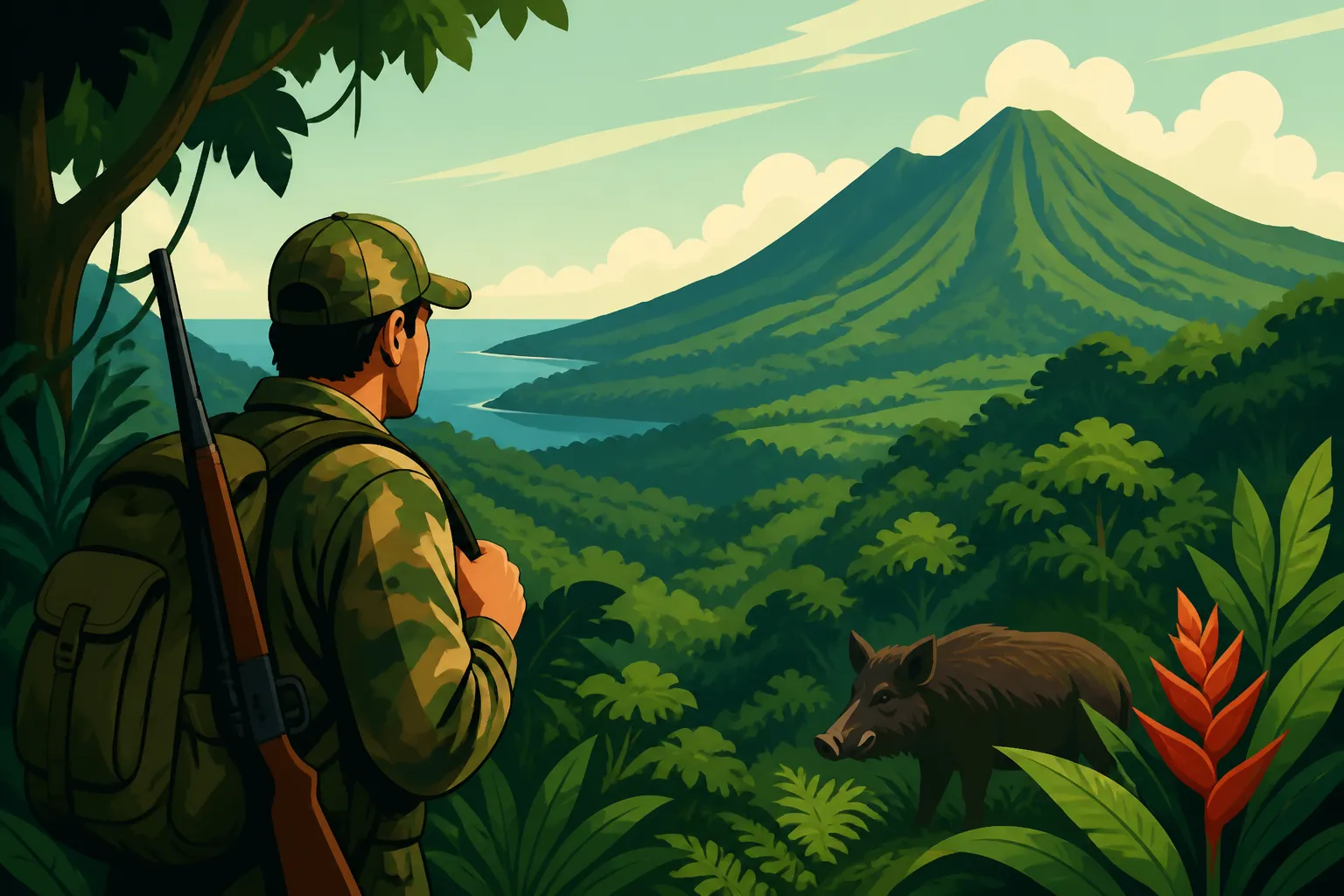
Hunting the dense, rain-soaked country of the Hilo Forest Reserve on Hawai'i Island presents a unique set of challenges that can humble even the most experienced hunter. Forget wide-open vistas; this is a realm of thick jungle, steep gulches, and constant moisture, where every step is earned. This guide will help you understand what to expect and how to prepare for a successful and safe hunt in this wild corner of the Big Island.
Understanding the Hilo Forest Reserve Landscape for Hunting
The Hilo Forest Reserve is a sprawling, verdant expanse on the windward, or eastern, side of Hawai'i Island. Unlike the dry, leeward slopes of Mauna Kea or Mauna Loa, this area is defined by its ceaseless rainfall and lush, tropical growth. It's a land of abundance for some species, but also a formidable environment for humans to navigate.
Geography and Terrain
Imagine a landscape carved by countless streams and rivers, constantly fed by trade winds carrying moisture from the Pacific. The Hilo Forest Reserve is characterized by deep, often precipitous gulches and valleys that run from the higher elevations down towards the coast. These aren't just gentle dips; many are sheer drops that can be incredibly difficult to traverse, especially when wet. The ground underfoot is rarely flat, often a mix of volcanic rock, slick mud, and tangled roots hidden beneath dense vegetation. It’s a constant up-and-down trek, demanding excellent physical conditioning and careful footing. When you're Hunting Pigs in Hawaii's Rainforest Gulches, you'll quickly realize how much elevation change is packed into a relatively small area.
Elevations can vary significantly within the reserve, from lower slopes closer to Hilo town to higher, cooler areas further inland. This variation means different microclimates and vegetation zones, but the overarching theme remains consistent: wet, rugged, and densely vegetated. Navigation here is less about distant landmarks and more about reading the immediate terrain, following contours, and keeping track of your direction in what often feels like an endless green tunnel.
Vegetation and Cover
The Hilo Forest Reserve is a prime example of a 'wet forest' ecosystem in Hawai'i. The dominant tree species is the native 'ōhi'a lehua, often found in towering stands, sometimes draped in epiphytes and mosses. Beneath the canopy, the understory is incredibly thick, dominated by hapu'u tree ferns, uluhe ferns, and various invasive species like strawberry guava, clidemia, and various gingers. This creates a dense, multi-layered environment that limits visibility to mere yards in many places.
For a hunter, this means extremely close-quarters encounters with game. Long-range shots are rare to non-existent. The thick cover provides excellent concealment for animals, allowing them to disappear quickly and making tracking a painstaking process. Hunters must move slowly and deliberately, relying heavily on sound and subtle visual cues. This is not the place for hurried movement; patience and methodical Still-Hunting Pigs in Hawaii's Wet Forest are key. The sheer density of the vegetation can also be disorienting, making it easy to lose your bearings if you're not constantly paying attention to your path and using navigational aids.
Weather Patterns and Their Impact
"Hilo weather" is practically a synonym for rain. The Hilo Forest Reserve receives copious amounts of rainfall throughout the year, making it one of the wettest regions in Hawai'i. While there are drier periods, you should always be prepared for rain, from a light drizzle to a torrential downpour. This constant moisture profoundly impacts hunting conditions.
Firstly, the ground is almost perpetually wet and muddy, making for slippery footing and heavier hiking. Trails become slick, and steep slopes can turn into mudslides. Secondly, gear gets wet, and staying dry and warm (or at least comfortable in the humidity) is a constant battle. Good rain gear is non-negotiable, and keeping electronics dry is a major concern. Thirdly, the rain impacts animal behavior. Pigs, the primary game animal here, love mud and thrive in this wet environment, often using mud wallows to cool off and remove parasites. Rain can also help mask a hunter's scent and sound, but it can make hearing distant game more difficult. Be sure to understand Rain Gear for a Windward Hawaii Hunt before you head out.
Game Animals and Their Habits in Hilo Forest Reserve
When you step into the Hilo Forest Reserve, you're primarily stepping into prime feral pig country. While other species might theoretically exist, pigs are the undisputed stars of the show here.
Feral Pigs: Primary Target and Behavior
Feral pigs are incredibly well-adapted to the dense, wet forests of the Hilo Forest Reserve. They thrive on the abundant vegetation, rooting up ferns, kalo (taro), and various plant roots and fallen fruits. You'll find extensive evidence of their presence: rooted-up ground that looks like a tiller has gone through it, fresh tracks in the mud, and often, the distinctive smell of pigs themselves. Hunting Hawaii's Feral Pigs is a passionate pursuit for many local hunters.
These pigs are generally smaller than their mainland counterparts, but they can be incredibly tough and aggressive, especially sows with piglets or boars cornered by dogs. They often travel in sounders (groups) and prefer the thickest, nastiest cover, making them difficult to spot. Their activity peaks in the cooler parts of the day – early mornings and late afternoons – but they will move whenever they feel safe and food is available. After a heavy rain, they might be more active, rooting in the softened earth. Understanding their rooting patterns and preferred bedding areas within the densest thickets is crucial for success.
Game Birds and Other Potential Species
While the Hilo Forest Reserve is primarily known for pig hunting, some game bird species might inhabit its edges or slightly drier sections. Ring-necked pheasant and francolin species (such as Erckel's or Gray francolin) might be found in open grasslands or forest edges. However, the deep, wet forest is not prime habitat for most game birds. You'd typically find better bird hunting opportunities in the drier uplands or agricultural areas elsewhere on the island. Always check the current Hawaii Game Bird Seasons and Bag Limits for specific unit regulations before planning a bird hunt here. As for feral goats, while present on other parts of Hawai'i Island, they are generally not a target species in the dense, wet Hilo Forest Reserve, as they prefer drier, rockier, and more open terrain, like coastal cliffs or lava flows.
Navigating and Accessing Hilo Forest Reserve for Hunters
Accessing and navigating the Hilo Forest Reserve requires careful planning and the right equipment. This isn't a place for casual strolls; it's a serious undertaking.
Entry Points and Road Conditions
The Hilo Forest Reserve is vast, and various points of entry exist, often via unpaved roads and old logging tracks that branch off main highways. The condition of these roads can range from passable with a 2WD vehicle in dry conditions to absolutely requiring a high-clearance 4WD, even in light rain. Many of these access roads can become treacherous quickly, developing deep ruts, slick mud, and water crossings. It’s not uncommon for gates to be locked or for conditions to become impassable after heavy rains, sometimes requiring hunters to walk in much further than anticipated.
It's vital to research specific access points for the area you plan to hunt within the reserve. Online resources from the Department of Land and Natural Resources (DLNR) Division of Forestry and Wildlife (DOFAW) are your best bet for up-to-date information. Maps, especially digital ones, are indispensable. Using an app like onX Hunt can give you a clear picture of road networks and property boundaries, even offline. Remember, cell service is often non-existent once you're a short distance off the main roads, so downloading maps for offline use is crucial.
Permitting and Check-In/Check-Out
Like most public hunting lands in Hawaii, you'll need a valid Hawai'i hunting license and potentially a permit-tag for game mammals before you even think about entering the Hilo Forest Reserve. You can purchase your license and permit-tags through the GoHunt Hawaii website, which is the official online portal for all your Hawaii hunting documentation. This system simplifies the process, allowing you to handle most paperwork from home. Hawaii Hunting Licenses and What They Cost is a good primer on the initial steps.
Once you have your license and appropriate tags, hunting in the Hilo Forest Reserve typically requires checking in and out of the unit. This can often be done physically at designated hunter check stations located at primary access points, where you fill out a paper card. However, Hawaii has increasingly adopted digital check-in systems. Using the OuterSpatial app or sometimes even the GoHunt website directly, you can check in and out digitally using your smartphone. This is incredibly convenient, but again, remember that cell service is unreliable, so ensure you understand the offline capabilities or plan to check in at home before you drive out. Checking In and Out of Hawaii Hunting Units has all the details you'll need. Failing to check in or out is a common mistake that can lead to fines, so don't skip this step.
Essential Gear for Wet Forest Hunting
Hunting in the Hilo Forest Reserve demands specific gear to ensure comfort, safety, and success. This isn't your average fair-weather hunt.
| Category | Essential Items | Why It's Crucial |
|---|---|---|
| Footwear | Waterproof, sturdy hiking boots (leather/Gore-Tex) | Mud, slippery rocks, sharp lava. Boots for Hawaii Lava and Wet Forest will save your ankles and keep you dry. |
| Rain Gear | Waterproof jacket and pants (breathable) | Constant rain and humidity. Staying dry prevents hypothermia and chafing. |
| Navigation | GPS device or smartphone with offline maps (e.g., onX Hunt) | Dense cover, lack of landmarks, no cell service. Crucial for Staying Found in Dense Hawaii Rainforest. |
| Clothing | Moisture-wicking layers, quick-drying fabrics | Avoid cotton. Layers allow you to adapt to temperature changes and manage sweat in high humidity. |
| Pack | Waterproof daypack (20-40L) | Carry essentials and keep them dry. Consider a pack cover or dry bags inside. |
| Hydration | Water bottles/hydration reservoir | Even in wet conditions, you'll sweat a lot. Essential for long hikes. |
| First Aid | Comprehensive kit, including blister treatment | Cuts, scrapes, sprains are common. Blisters from wet feet are a real problem. |
| Lighting | Headlamp with extra batteries | For early starts, late finishes, or unexpected overnight stays. |
| Emergency | Whistle, fire starter, space blanket, cordage | Standard wilderness survival items. |
| Game Care | Field dressing knife, game bags, rubber gloves | For processing your harvest. |
Effective Hunting Strategies for Hilo Forest Reserve
Hunting pigs in the Hilo Forest Reserve is a challenging but rewarding endeavor that requires patience, skill, and a deep understanding of the environment.
Still-Hunting and Stalking in Dense Cover
For hunters without dogs, still-hunting and stalking are the primary methods. This involves moving incredibly slowly, pausing frequently to listen and scan, and reading every bit of sign. In such dense vegetation, you're looking for fresh rooting, tracks, scat, and even the faint smell of pigs. Pigs will often bed down in the thickest parts of gulches or within dense stands of strawberry guava, so these areas warrant extra attention.
Scent control is tricky in humid conditions, as scents linger and swirl with unpredictable thermals in the gulches. Hunting into the wind is always best, but be aware that the wind can shift dramatically within the forest. Focus on identifying trails or "pig highways" that cut through the undergrowth, often leading between feeding areas and bedding grounds. Pay close attention to subtle sounds: a distant grunt, the rustle of leaves that isn't the wind, or the tell-tale crunch of rooting. Your shot opportunities will likely be at very close range, often within 20-30 yards, so practice quick, instinctive shooting with your chosen weapon.
Dog Hunting Considerations
Dog hunting for pigs is a deeply ingrained tradition in Hawai'i, and the Hilo Forest Reserve is a classic location for it. Hunters typically use a combination of "bay dogs" that track and corner pigs, holding them in place with barking, and "catch dogs" that move in to secure the pig. This method is incredibly effective in dense cover where still-hunting is extremely difficult. However, it's not without its challenges.
The thick vegetation and steep gulches make keeping track of dogs difficult. GPS collars for pig dogs are practically essential here, allowing you to pinpoint their location when they're out of sight and hearing. GPS Collars for Pig Dogs in Thick Cover can be a game-changer. Dogs can easily get cut by a pig's tusks, so protective vests are also common. You'll need to be fit enough to quickly follow your dogs through brutal terrain once they've found a pig, as getting to the bay quickly is crucial for a clean harvest and the safety of your dogs. Familiarize yourself with Hawaii Dog Hunting Rules as there are specific regulations regarding leashes, dog registration, and methods of take with dogs.
Field Care and Extraction in Wet, Steep Terrain
Once you've harvested a pig in the Hilo Forest Reserve, the real work often begins. Field dressing should happen quickly to begin the cooling process, especially in Hawaii's warm, humid climate. Open the body cavity, remove the entrails, and get air circulating around the carcass as much as possible. Even if it's raining, internal cooling is paramount. Field Dressing Axis Deer in Hawaii Heat offers good principles that apply broadly to all big game in Hawaii.
Extracting the animal from a deep gulch or through dense jungle can be an arduous task. It's often a multi-person job, requiring strong backs, good ropes, and sheer determination. Consider quartering the animal in the field to make it more manageable to pack out. Investing in quality game bags will protect the meat from flies and debris. For long carries, especially out of steep country, you might need specialized packing frames. Remember, the goal is to get the meat cooled and to your vehicle as quickly as possible to prevent spoilage. Packing Meat Out of a Hawaii Gulch is no easy feat and demands respect for the effort involved.
Disclaimer
This article is for general informational purposes only and does not constitute professional advice. Laws, prices and regulations vary by location and change over time. Consult a qualified professional for guidance on your specific situation.