Hunting the Waiakea Forest Reserve
Hunting in Hawaii is an adventure unlike almost anywhere else, and for those looking to experience the Big Island's wild side, places like the Waiakea Forest Reserve can present unique challenges and incredible rewards. It's easy to feel overwhelmed by the sheer density of the forest, the relentless humidity, and the maze-like terrain, especially when you're trying to figure out where the game animals actually are in all that green. This guide aims to cut through that confusion, offering practical advice and a realistic look at what it takes to successfully hunt the Waiakea Forest Reserve, from understanding its landscape to the best tactics for its resident game.
The Character of Waiakea Forest Reserve
The Waiakea Forest Reserve, nestled on the eastern, windward side of Hawaii Island, is a stark contrast to the dry, open lands found on the leeward coasts. This isn't your wide-open plains hunt; it's a deep dive into lush, dense rainforest. Understanding the unique environment of Waiakea is the first step to a successful hunt.
Geography and Habitat in Waiakea
Imagine endless canopies of ʻōhiʻa trees, their gnarled branches reaching skyward, often draped in moss and epiphytes. Beneath them, you'll find a thick understory dominated by hāpuʻu tree ferns, strawberry guava, and various other invasive but pervasive plant species. The ground underfoot is often soft, muddy, and uneven, crisscrossed by roots and hidden depressions. This part of the Big Island is known for its consistent rainfall, which means everything is perpetually damp, green, and alive. Streams and gulches cut through the landscape, acting as both obstacles and natural highways for game animals.
The elevation within Waiakea can vary, but much of the huntable area sits in a zone that feels perpetually cool and moist. This consistent moisture creates an ideal environment for dense vegetation, which provides both cover and abundant food sources for feral pigs in particular. Unlike the drier kiawe forests where water sources are key, in Waiakea, water is everywhere, so animals aren't concentrated around specific ponds or troughs. Instead, they spread out, utilizing the vastness of the forest. The sheer thickness of the cover means visibility is often limited to mere yards, making spotting game a significant challenge and demanding a very different hunting approach.
Primary Game Species of Waiakea
When you talk about hunting in Waiakea, you're primarily talking about Hunting Hawaii's Feral Pigs. These animals thrive in the reserve's dense, wet environment, finding ample food in the form of roots, fallen fruit, and invertebrates. You'll encounter a mix of "Polynesian" pigs, often smaller and leaner, and European wild boar hybrids, which can grow into formidable, tusked animals. Their activity often revolves around rooting for food, creating churned-up patches of earth that serve as clear sign. Pig wallows, muddy depressions where they cool off and rid themselves of parasites, are also common indicators of their presence. Due to the abundant cover, pigs in Waiakea tend to be more active throughout the day than their counterparts in drier, more open areas, though dawn and dusk remain prime times.
While pigs are the main attraction, feral goats can occasionally be found, especially on the fringes of the reserve where the terrain might transition to slightly rockier or more open areas, if any exist within your specific hunting unit. However, they are far less prevalent than pigs in the core, dense, wet forest of Waiakea. Hawaii's Feral Goats and Why They Matter are more typically associated with the drier, cliff-laden coastlines or canyon country of other islands or the Big Island's leeward side. Game birds are also present, including various francolin species and Kalij pheasant, which blend perfectly into the forest undergrowth. These birds, like the pigs, appreciate the cover and food resources this environment offers.
| Game Species | Typical Habitat in Waiakea | Primary Food Sources | Key Hunting Challenge |
|---|---|---|---|
| Feral Pig | Dense ʻōhiʻa-hāpuʻu forest, deep gulches, muddy wallows | Roots, ferns, fallen fruits, invertebrates | Limited visibility, dense cover, keen sense of smell |
| Feral Goat | Less common; occasional on rocky or drier edges | Browse on shrubs, grasses | Rarely the target in core Waiakea; difficult to spot in thick brush |
| Kalij Pheasant | Forest understory, dense brush thickets | Seeds, insects, berries | Elusive, excellent camouflage, fast flush |
| Erckel's Francolin | Forest edges, grassy clearings, open understory | Seeds, insects, small plants | Fast flying, often in coveys, requires quick shot |
Navigating Permits, Seasons, and Access for Waiakea
Before you even think about lacing up your boots for a Waiakea hunt, you need to understand the bureaucratic side of hunting in Hawaii. This means getting the right licenses, understanding the season dates, and knowing how to legally access the area. It's not always straightforward, but it's absolutely essential.
License and Permit Requirements
First and foremost, every hunter in Hawaii, whether resident or nonresident, needs a valid Hawaii hunting license. You can purchase these online through the GoHunt Hawaii website, which is a fantastic resource for everything from license acquisition to unit information. Once you have your license, you'll need to confirm if Waiakea Forest Reserve operates under a permit-tag system for specific game or if it's open season for pigs and goats. For most of the Big Island's public lands, feral pigs and goats are open year-round with no specific tags needed, but always, always double-check the latest regulations from the Hawaii Department of Land and Natural Resources (DLNR) Division of Forestry and Wildlife (DOFAW) website for the specific unit you plan to hunt within Waiakea. Regulations can and do change, sometimes unexpectedly. This is where Hawaii Hunting Licenses and What They Cost becomes crucial reading.
For game birds, a separate game bird stamp is usually required in addition to your general hunting license. Specific seasons and bag limits apply to different bird species, and these are strictly enforced. The Waiakea area typically has specific dates for bird hunting, often on weekends or holidays, so plan your bird hunt accordingly.
Checking In and Out of Your Unit
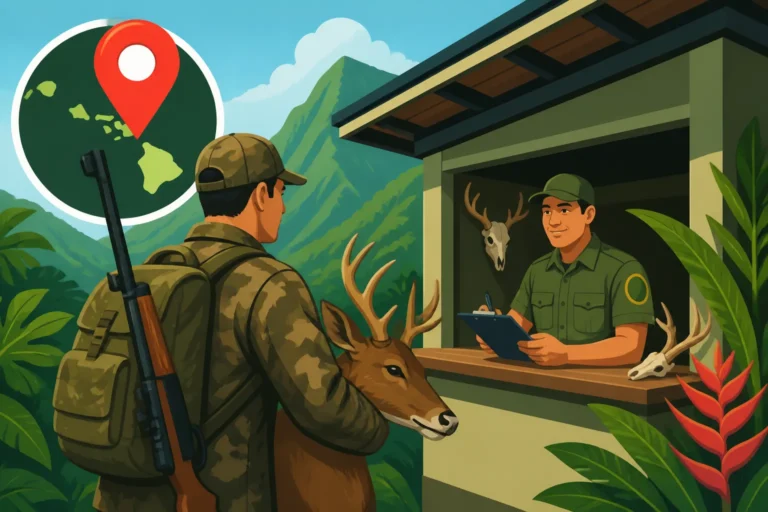
Hawaii has a mandatory check-in and check-out system for almost all public hunting units, and Waiakea is no exception. This system is critical for hunter safety and for DOFAW to track hunter effort and harvest data. You'll typically find a hunter check station at designated access points, often just a kiosk with a sign-in sheet and a drop box for your check-out card. In some areas, DOFAW has transitioned to digital check-in systems, like the OuterSpatial app. It's always a good idea to download the app and familiarize yourself with it, even if you plan to use a paper card, as technology can be a backup. Checking In and Out of Hawaii Hunting Units goes into more detail about this process.
Forgetting to check out is a big no-no. It can lead to unnecessary searches for a missing hunter and potentially fines. Even if you don't harvest anything, checking out completes the loop and lets DOFAW know you've safely exited the area. The check-in card or app will also require you to report what you hunted for and your harvest, if any, which is vital for wildlife management.
Access Points and Roads
Access into the Waiakea Forest Reserve is primarily via unpaved roads, many of which are gravel or dirt and can quickly become muddy and rutted, especially after the frequent rains. Four-wheel drive is not just recommended; it's often absolutely necessary. These roads can range from well-maintained gravel tracks to deeply eroded two-tracks that require significant ground clearance. Conditions can deteriorate rapidly, turning a passable road into a bog in a matter of hours during a heavy downpour. It’s not uncommon to encounter downed trees or washouts on less-used tracks, so be prepared with a chainsaw, recovery gear, and a healthy dose of caution.
Many of the more promising hunting areas within Waiakea require walking in, sometimes for miles, off these main access roads. Parking can be limited and is often just a wide spot on the side of the road. Always be mindful of blocking access for others or for emergency vehicles. Using mapping apps like onX Hunt is invaluable here; you can download offline maps before losing cell signal to help you navigate the intricate network of roads and trails, identify unit boundaries, and mark potential game sign. This tool can be a lifesaver in dense, unfamiliar territory where visual landmarks are scarce. For more on navigating these challenging routes, check out Reaching a Hawaii Unit by 4WD Road.
Proven Tactics for Waiakea's Terrain
Hunting the Waiakea Forest Reserve is a game of patience, stealth, and adapting to the dense, wet environment. You won't be making long shots across open fields here; it's about close-quarters encounters and understanding how animals move through thick cover.
Pig Hunting Strategies in the Wet Forest
The dense vegetation of Waiakea means still-hunting is incredibly challenging. Visibility is so low that you often hear the pigs before you see them, if you see them at all. This is where Pig Hunting With Dogs in Hawaii truly shines. Dog hunting is a traditional and highly effective method in Hawaii's thick forests. A good team of bay dogs and catch dogs can locate pigs, bay them (hold them at bay by barking), and then, with the help of a catch dog, secure them. If you’re not hunting with dogs, or prefer a different approach, still-hunting can be done, but it requires extreme patience and a keen sense of observation.
When still-hunting, focus on moving slowly, pausing frequently to listen. The constant dripping of rain or moisture from the canopy can make it hard to hear, but listen for subtle sounds: rooting, a branch snapping, or the distinct grunts of feeding pigs. Follow fresh pig sign like rooting, tracks, and wallows. Pigs often create tunnels through the thickest brush, which act as their highways. Find these tunnels, and you're on the right track. Wind direction is critical, even in dense cover. The swirling thermals in gulches and varying elevations mean checking your wind constantly. Try to get downwind of any suspected activity and move as quietly as possible. In this environment, your shot will likely be quick and at very close range, so be ready. Still-Hunting Pigs in Hawaii's Wet Forest provides more insights into this method.
Goat Hunting Considerations (If Present)
While Waiakea isn't known for its abundant goat populations, you might find them on the periphery, particularly in areas that dry out a bit more or have some rocky features. If you do encounter goats, your tactics will need to shift. Goats are far more alert than pigs and rely heavily on their eyesight in more open environments. However, in dense cover, they might be caught off guard. Look for trails that lead to areas with more browseable vegetation or steep, rocky slopes where they can evade predators.
Spot-and-stalk can work if the terrain allows for any kind of glassing, but more often it will be still-hunting and listening for their distinctive bleats or the clatter of hooves on rock. A good pair of binoculars is always useful, even in dense cover, for peering into small openings or identifying movement. Remember, goats move with incredible agility in steep, broken country, so if you jump one, be prepared for a quick, challenging shot or a long pursuit.
Game Bird Opportunities
Waiakea can offer good opportunities for game birds, especially Hunting Francolin and Pheasant in Hawaii. Kalij pheasant, with their striking plumage, are often found in the deep forest understory, particularly where there's dense ground cover for hiding and feeding. Erckel's francolin prefer slightly more open areas, like forest edges or grassy clearings, but will still stick to thick cover for escape.
Hunting these birds often involves a lot of walking. Flushing them with a bird dog is highly effective, as they tend to hold tight in the thick brush. Without a dog, you'll need to move slowly and deliberately, kicking through dense patches of grass and brush to try and flush them. They are fast flyers, so quick reflexes are essential. Pay attention to dawn and dusk, as these are often prime feeding times, and listen for their calls. Knowing Hawaii Game Bird Seasons and Bag Limits is crucial before you head out.
Essential Preparation for Your Waiakea Hunt
A hunt in Waiakea isn't just physically demanding; it requires careful planning for the unique conditions of a wet, dense rainforest. Being prepared can mean the difference between an enjoyable, successful trip and a miserable, potentially dangerous one.
Gear for Wet, Thick Conditions
Your gear choices are paramount in Waiakea. Start from the ground up: sturdy, waterproof boots with excellent traction are non-negotiable. The terrain is often muddy, slippery, and uneven, and you'll be crossing streams and slogging through wet vegetation. Look for boots that offer good ankle support to prevent twists and sprains on unseen roots and rocks. Good rain gear is also essential. A breathable, waterproof outer shell will keep you dry in the frequent showers and help prevent chilling when you stop moving.
Layering is key for comfort. Wear moisture-wicking base layers to pull sweat away from your skin, followed by insulating layers as needed, and finally your rain gear. Lightweight, quick-drying pants are better than heavy cotton. A durable backpack that can withstand abrasions from brush and keep your essentials dry is a must. Inside, pack a first-aid kit, plenty of water, high-energy snacks, a knife, a headlamp, and a reliable compass in addition to your GPS device or phone with onX Hunt maps downloaded. Cell service is often nonexistent in the interior of Waiakea, so don't rely on it for navigation or emergencies. No Cell Signal on a Hawaii Hunt is a good read on this topic.
Physical Demands and Safety
Hunting Waiakea is not for the faint of heart or out of shape. You'll be traversing steep, slippery slopes, pushing through dense tangles of vegetation, and possibly carrying out a heavy animal in humid conditions. Good physical fitness is crucial. Prepare with cardio and strength training that mimics the demands of walking uphill with weight.
Safety in the field is paramount. Always hunt with a partner if possible, and let someone know your exact hunting plan and expected return time. The dense cover means visibility is extremely limited, so blaze orange is highly recommended, even if not legally required for your specific game species or season. It simply makes you more visible to other hunters and helps prevent accidents. Be aware of your surroundings; pigs can be aggressive, especially a cornered boar or a sow with piglets. Know how to react in such encounters.
Meat Care in Humidity
Harvesting an animal in Waiakea brings its own set of challenges, particularly when it comes to Field Care in Hawaii's Heat and Humidity. The warm, humid environment means meat spoils much faster than in cooler climates. You need a plan to quickly field dress and cool the carcass. Get the hide off the animal as soon as possible to allow the meat to dissipate heat. Quartering the animal and placing the meat in breathable game bags is the next step. Avoid plastic bags that trap heat.
If you're deep in the reserve, packing out the meat quickly to a waiting cooler with ice is critical. Consider bringing a sturdy game cart or extra hands to help with the pack out, especially for a large pig. Even a short delay can compromise the quality of your hard-earned venison. Ensure you have enough ice in quality coolers back at your vehicle, and replenish it regularly, especially on multi-day trips.
Disclaimer
This article is for general informational purposes only and does not constitute professional advice. Laws, prices and regulations vary by location and change over time. Consult a qualified professional for guidance on your specific situation.