Hunting Oahu’s Waianae Kai
Hunting on Oahu can feel like a riddle wrapped in an enigma, especially when you're looking at units like Waianae Kai. It's not like the other islands with their drawn hunts for deer or mouflon, and it often leaves hunters wondering where to even begin. This guide will help you understand the unique challenges and opportunities of hunting pigs and goats in Oahu's Waianae Kai region, giving you the practical knowledge you need for a successful hunt.
Understanding the Waianae Kai Unit
The Waianae Kai Forest Reserve, nestled on the leeward side of Oahu, presents a distinct hunting environment that’s a world apart from the lush, wet forests you might envision elsewhere in Hawaii. This area is characterized by its drier climate and rugged, steep terrain, making for a challenging but rewarding hunt for feral pigs and goats. It’s a place where endurance and keen observation are your best friends.
Topography and Vegetation
The Waianae Kai is defined by its dramatic ridges and deep, winding gulches that cut through the landscape. Think sharp, rocky ascents and descents that test your knees and your footing. The vegetation here is predominantly dryland forest, with kiawe, haole koa, and various grasses dominating the lower elevations. As you climb higher into the reserve, you might encounter more native species like 'iliahi (sandalwood) and 'ohi'a, but the overall feel is much drier than the windward side of the island. This sparse cover in many areas can work to your advantage for glassing, but it also means less shade and more exposure to the intense sun. Hunters need to be prepared for both the physical demands of traversing this unforgiving terrain and the environmental conditions it presents. Understanding the nuances of the terrain is crucial for Hunting Hawaii's Dry Leeward Country.
The dry, thorny kiawe forests, in particular, can be incredibly dense in the valley bottoms and flatter areas. Moving through these thickets is slow, noisy, and can leave you with a fair share of scratches if you're not wearing appropriate gear. However, these dense patches often provide excellent cover for pigs seeking shelter from the heat and hunting pressure. The steep gulches, while physically demanding to navigate, also act as natural highways for game moving between feeding and bedding areas, or more importantly, to water sources. Identifying these natural travel corridors and understanding how animals use them is key to formulating a successful hunting strategy.
Primary Game Animals
In the Waianae Kai, the stars of the show are undoubtedly feral pigs and feral goats. These are the main big game animals available to hunters on Oahu, and both offer a challenging pursuit. Unlike some other islands, Oahu doesn't have an Axis deer population, so hunters here focus their efforts on these hardy and intelligent animals.
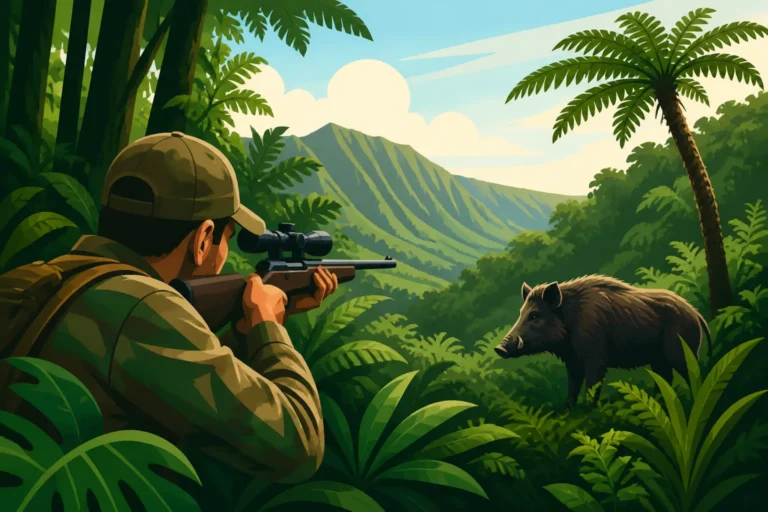
Feral pigs in the Waianae Kai tend to be quite wary due to consistent hunting pressure. They range in size from smaller sows and younger boars to impressive, large-bodied animals with formidable tusks. They adapt remarkably well to the dry environment, often sticking to the dense cover in gulches and lower elevation thickets during the day and moving out to feed in more open areas or along ridge lines in the cooler hours. Learning to read pig sign, like fresh tracks, rubs, and rooting, is paramount for locating them. For more on these animals, consider Hawaii's Feral Pigs, Island by Island.
Goats, on the other hand, are masters of the steep, rocky slopes and often favor the higher, more exposed ridges where they can spot danger from a distance. They are incredibly agile and can disappear into the cliffs with astonishing speed. While pigs often leave abundant sign on the ground, goats are more about glassing the terrain and patiently spotting them as they browse on vegetation. Both species provide excellent table fare and a rewarding hunting experience, but they require different approaches and a solid understanding of their behavior in this specific environment. Knowing Hawaii's Feral Goats and Why They Matter can deepen your appreciation for the hunt.
Permits, Check-In, and Regulations
Navigating the administrative side of hunting in Hawaii, even on Oahu, can sometimes feel more challenging than the hunt itself. For the Waianae Kai, while you won't be dealing with a lottery for specific tags like on other islands, there are still crucial steps you need to follow regarding licenses, permits, and checking in and out of the unit. Ignoring these steps can lead to unnecessary trouble, and we certainly don't want that for your Hawaiian adventure.
Obtaining Your Hunting License and Permits
First and foremost, every hunter in Hawaii, resident or nonresident, needs a valid Hawaii hunting license. You can purchase these through the state's online portal, which is typically linked from the Department of Land and Natural Resources (DLNR) website, or through a licensed vendor. While Oahu doesn't require specific individual permit-tags for pigs and goats, the hunting license itself acts as your general permission to hunt these species in designated public areas like Waianae Kai during open seasons. Non-residents will also need to comply with Hawaii's hunter education requirements or provide proof of a hunter education certification from another state to get their license. It’s worth checking the specific requirements well in advance of your trip to avoid last-minute delays. Information on this can often be found through services like GoHunt, which compiles state-specific hunting regulations. For a comprehensive overview, see Hawaii Hunting Licenses and What They Cost.
The good news for Oahu hunters is the absence of complex drawn hunts for pigs and goats. This means that if the season is open for Waianae Kai, and you have your license, you're generally good to go, provided you follow the unit-specific rules. However, always double-check the current hunting schedule and any special conditions for the Waianae Kai unit before you head out. Seasons can change due to environmental conditions, wildlife management needs, or other unforeseen circumstances.
Checking In and Out of the Unit
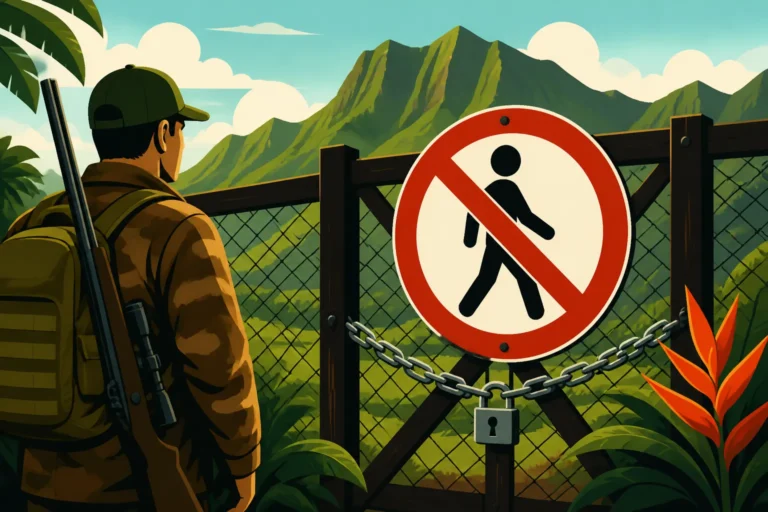
This is a step that new hunters to Hawaii, especially those accustomed to less formal public land access, often overlook or underestimate. For nearly all public hunting units in Hawaii, including Waianae Kai, you must check in before your hunt and check out afterward. This isn't just a suggestion; it's a legal requirement and crucial for hunter safety and resource management.
There are usually designated check stations or, increasingly, digital check-in options. The state's OuterSpatial app has become a very popular tool for this. You use the app to select your unit, declare your entry, and then, crucially, remember to check out when you leave the unit. Forgetting to check out can lead to search and rescue operations being launched unnecessarily, which is a waste of valuable resources and can have consequences for the hunter. The check-in/out process helps DOFAW (Division of Forestry and Wildlife) monitor hunter numbers, harvest data, and ensure everyone is accounted for. It's a simple step that shows respect for the land and the rules. Using the OuterSpatial App to Check In provides more detailed instructions.
Unit-Specific Regulations and Safety
Every hunting unit in Hawaii has its own specific rules, and Waianae Kai is no exception. These can include restrictions on weapons (e.g., archery-only periods, specific rifle calibers), bag limits, legal shooting hours, and even limitations on dog use. While Oahu's pig and goat hunting is often fairly liberal, it’s still critical to consult the most current Hawaii Game Mammal Hunting Regulations booklet, available on the DLNR website or through the OuterSpatial app, for the Waianae Kai unit. This will detail open days, methods, and any other pertinent information.
Safety is paramount, especially in a rugged unit like Waianae Kai. The steep terrain, dense vegetation, and sometimes dry, slippery conditions demand caution. Always hunt with a buddy if possible, carry a first-aid kit, plenty of water, and a reliable form of communication (knowing that cell service can be spotty in the gulches – see No Cell Signal on a Hawaii Hunt). Blaze orange requirements are standard for many seasons, so always have a vest or hat on hand. Being aware of other hunters, hikers, and even local residents in or near the unit is also vital for a safe and responsible hunt.
| Aspect | Feral Pigs in Waianae Kai | Feral Goats in Waianae Kai |
|---|---|---|
| Preferred Habitat | Dense gulches, kiawe thickets, lower elevation feeding areas. | Steep, rocky slopes, ridge lines, open exposed areas. |
| Movement Patterns | Active dawn/dusk, often bed in thick cover during the day. | Active throughout the day, often spotted sunning on rocks. |
| Hunting Strategy | Still-hunting thickets, tracking, hunting water sources. | Glassing open slopes, spot-and-stalk on ridges. |
| Primary Challenge | Dense cover, wary animals, reading subtle sign. | Locating in vast terrain, navigating steep, dangerous ground. |
| Common Sign | Rooting, tracks, rubs on trees, wallows. | Droppings, tracks on trails, browsed vegetation. |
Effective Hunting Tactics for Waianae Kai
Hunting the Waianae Kai is a true test of physical stamina and strategic thinking. It's not a place for the faint of heart, but the rewards of a successful hunt in this challenging landscape are immense. Whether you're after a wily boar or a nimble billy, understanding the terrain and animal behavior will be your greatest assets.
Still-Hunting and Tracking Feral Pigs
Still-hunting is one of the most effective methods for pigs in the Waianae Kai, especially in the dense gulches and kiawe thickets. This involves moving incredibly slowly, pausing frequently to listen and scan your surroundings. Pigs are often heard before they are seen, so sharpen your ears for rustling leaves, subtle grunts, or the snapping of twigs. Focus on hunting into the wind, as pigs have an excellent sense of smell. Pay close attention to fresh pig sign—recent rooting, fresh tracks in muddy areas near water sources, or rubs on trees. These indicators can tell you if pigs are actively using an area. Reading Pig Sign Along a Muddy Trail can offer more insights.
Another powerful tactic is tracking. After a rain, or if you find particularly soft ground, following fresh tracks can lead you directly to pigs. However, be prepared for them to vanish into the thickest cover imaginable. Patience is key. When tracking, move slowly and deliberately, always looking ahead for the pig itself, not just its tracks. The goal is to surprise them in their bedding areas or as they move between feeding zones. Consider targeting areas where different vegetation types meet, or where the terrain changes abruptly, as these often create natural funnels or transition zones that pigs utilize. This approach is fundamental to Hunting Pigs Without Dogs in Hawaii.
Spot-and-Stalk for Feral Goats
Goat hunting in Waianae Kai is primarily a spot-and-stalk affair, taking full advantage of the open, exposed ridges and steep slopes. You’ll spend a lot of time behind your binoculars or spotting scope, meticulously scanning the hillsides, cliff faces, and ridge lines for any movement or anomaly. Goats, with their often light-colored coats, can blend surprisingly well into the dry, rocky backdrop, so look for anything that seems "out of place."
Once you spot a goat or a herd, the real challenge begins: planning your stalk. The Waianae mountains offer little in the way of consistent cover, so you'll need to use every fold in the terrain, every rock outcropping, and every sparse bush to shield your approach. Wind direction is critical, as goats also have a good sense of smell. Plan your approach to stay downwind, even if it means taking a longer, more circuitous route. The steepness of the terrain means that a 300-yard shot might require an hour or more of careful maneuvering to get into position. This kind of hunt demands excellent physical conditioning and a steady hand for precise shooting angles.
Targeting Water Sources and Food
In a dry unit like Waianae Kai, water sources are absolute magnets for game, especially during prolonged dry spells. Pigs and goats both need to drink, and identifying springs, seeps, or even old stock ponds can be a game-changer. These areas often show concentrated sign and offer prime ambush locations, particularly during the early morning or late evening hours. However, remember that these spots can also attract other hunters, so vigilance and safety are essential.
Beyond water, understanding the seasonal food sources is crucial. Pigs will root for tubers and grubs, eat fallen fruit, and browse on various plants. Goats are primarily browsers, eating leaves, shoots, and grasses. During dry periods, they might concentrate on specific plant species that retain moisture or are more palatable. Scouting before your hunt, even if it's just a digital scout with tools like onX Hunt to identify potential features, can help you narrow down areas where animals are likely to be feeding. Hunting a Water Source in Dry Hawaii Country provides valuable tips for this strategy. Observing what the animals are currently eating will give you clues as to where they might be foraging next.
Essential Gear and Safety Considerations
A hunt in Waianae Kai isn't just a walk in the park; it's a demanding expedition into rugged, often unforgiving terrain. Having the right gear and a solid understanding of safety protocols isn't just about comfort—it's about survival and success. Forget something crucial, and your hunt can quickly turn from an adventure into a predicament.
Footwear and Clothing for Rugged Terrain
Your feet are your most important tools in Waianae Kai. A good pair of sturdy, broken-in hiking boots with excellent ankle support and aggressive tread is non-negotiable. You'll be navigating loose rocks, slippery dirt, steep inclines, and thorny vegetation. Waterproofing can be a plus, especially if you encounter dew or unexpected rain in the gulches, but breathability is often more critical given the general dryness and heat. Look for boots that can withstand serious abuse.
For clothing, think layers, even in Hawaii. While the days can be hot and sunny, mornings can be cool, especially at higher elevations or in shaded gulches. Long pants made of durable, tear-resistant material (ripstop nylon or canvas blends are excellent) are a must to protect against kiawe thorns and sharp rocks. A long-sleeved shirt offers sun protection and also helps shield you from scratches. Light, breathable fabrics that wick away moisture will keep you more comfortable. Avoid cotton, which absorbs sweat and stays wet, leading to chafing and discomfort. Blaze orange is a regulatory requirement in many Hawaii hunting seasons, so pack a vest or hat.
Navigation and Communication
Reliable navigation is paramount. The Waianae Kai's gulches can be disorienting, and it's easy to get turned around, especially when focused on a stalk or tracking. A good GPS unit or a smartphone with a reliable hunting app like onX Hunt is invaluable. Download offline maps before you lose cell service, as many parts of the unit have no signal. This allows you to track your movements, mark important waypoints (like your vehicle, water sources, or fresh sign), and stay within unit boundaries. Always carry a physical map and compass as a backup, and know how to use them.
For communication, understand that cell service is often nonexistent in the deeper gulches and shadowed areas of the Waianae range. A satellite messenger device (like a Garmin inReach or Zoleo) can be a lifesaver for emergency communication or simply to check in with loved ones. Whistles are also good for short-range communication with hunting partners. Always let someone responsible know your hunting plan, including your intended unit, estimated return time, and who to contact if you don't check in. This is part of responsible No Cell Signal on a Hawaii Hunt planning.
Water, Food, and First Aid
Dehydration is a serious risk in the Waianae Kai, particularly on hot, sunny days and during strenuous climbs. Carry significantly more water than you think you'll need. A hydration bladder in your pack, supplemented with water bottles, is a good system. Electrolyte supplements can also help replenish what you lose through sweat. Plan for at least 1 gallon of water per person per day, and more if it's exceptionally hot or you're covering extreme distances. Water and Heat Planning for a Hawaii Hunt cannot be stressed enough in this environment.
Pack calorie-dense, non-perishable snacks like energy bars, nuts, dried fruit, and jerky. A small lunch that doesn't require cooking is ideal. This sustenance will keep your energy levels up during long hours in the field. A well-stocked first-aid kit is essential. Include bandages, antiseptic wipes, pain relievers, blister treatment, mole skin, and any personal medications. The kiawe thorns are notorious for punctures, and slips and falls can lead to cuts and scrapes, so be prepared for minor injuries at minimum.
Respecting the Land and Other Users
Hunting in Hawaii is a privilege, and showing respect for the land, its resources, and other people is fundamental. Pack out everything you pack in—leave no trace. This includes all trash, spent casings, and any food wrappers. Be mindful of unit boundaries and private property lines; using tools like onX Hunt can help you stay on legal hunting ground.
Waianae Kai, like many public lands, may be used by hikers, cultural practitioners, or other outdoor enthusiasts. Be courteous and share the land responsibly. Make your presence known, especially when moving through dense vegetation, to avoid startling anyone. When encountering non-hunters, maintain a polite and friendly demeanor. Adhering to all regulations, including checking in and out, demonstrates your commitment to ethical hunting and helps preserve hunting opportunities for everyone. This mindful approach contributes positively to the reputation of Hawaii hunters.
Disclaimer
This article is for general informational purposes only and does not constitute professional advice. Laws, prices and regulations vary by location and change over time. Consult a qualified professional for guidance on your specific situation.