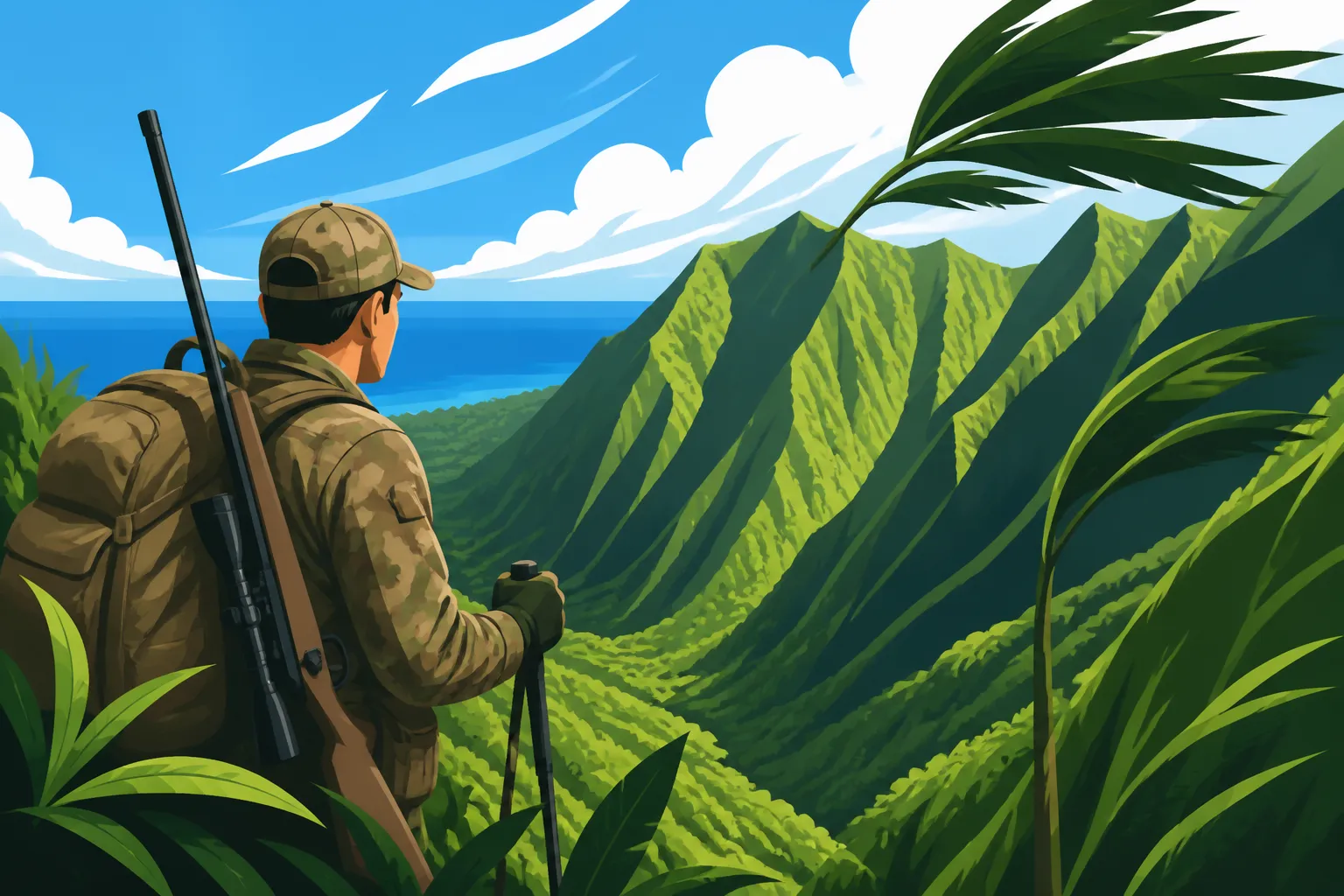
Hunting a Steep Windward Gulch
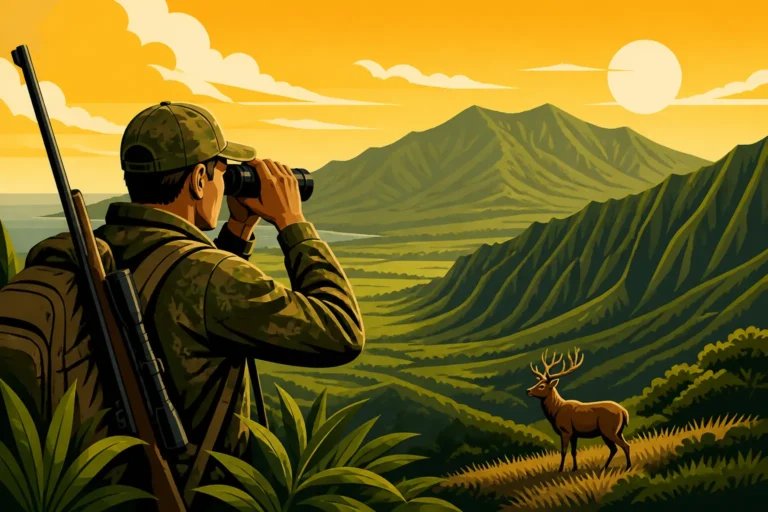
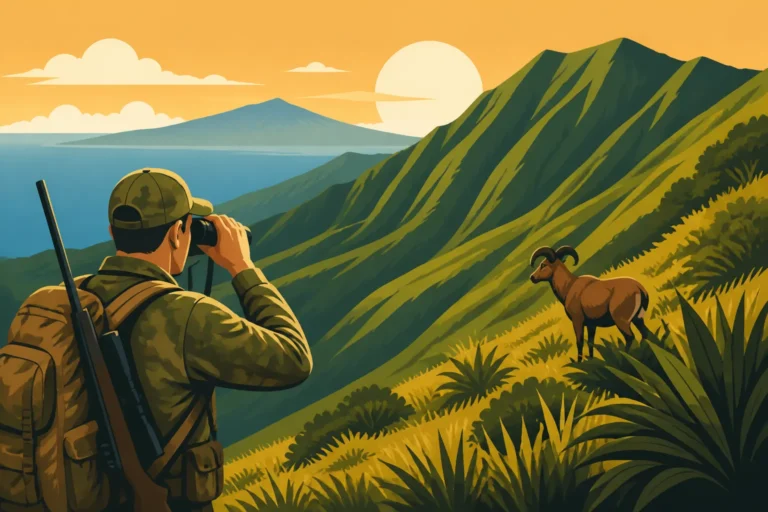
Hawaii’s steep, windward gulches are some of the most challenging and, frankly, intimidating places to hunt in the islands. They’re often characterized by relentless moisture, incredibly dense vegetation, and a topography that seems designed to test every fiber of your being. But for those willing to embrace the struggle, these hidden havens can offer some of the most rewarding hunting experiences, often holding concentrations of feral pigs and goats that rarely see human pressure. This guide is here to walk you through the realities, the preparation, and the tactics for successfully navigating and hunting these formidable, yet bountiful, terrains.
Deciphering Hawaii's Steep Windward Gulches
When we talk about a "windward gulch" in Hawaii, we're not just talking about a ditch or a slight depression. These are often deep, verdant canyons carved into the landscape by countless years of rainfall, facing the persistent trade winds that bring that life-giving (and sometimes hunt-ending) moisture. Understanding the unique character of these areas is the first step toward a successful hunt.
The Unique Challenges of Windward Terrain
Imagine a landscape where everything is damp, covered in a thick carpet of vegetation, and pitched at an angle that constantly challenges your footing. That's a typical windward gulch. The dominant plant life here often includes dense stands of uluhe fern, which can form an almost impenetrable wall, or strawberry guava, creating thickets that make movement a full-body workout. These plants thrive on the constant moisture, leading to perpetually wet ground, slippery rocks, and muddy trails, even on days without rain. This environment presents a significant physical challenge, demanding excellent balance, stamina, and mental fortitude. Every step is an effort, and sometimes a slide. The windward side also means unpredictable thermals and wind patterns. While the trade winds are generally consistent, within a deep gulch, the air currents can swirl and eddy, making it incredibly difficult to predict how your scent will carry. This is a common frustration for hunters, as a slight shift can instantly give your position away to wary animals.
Yet, these same challenges are precisely why animals thrive here. The dense cover provides excellent bedding and escape routes from predators (of which humans are the primary one in Hawaii). The constant moisture means abundant forage and water sources, keeping animals from needing to range far. Pigs, in particular, love the soft, moist ground for rooting and wallowing, while goats, with their incredible agility, find refuge on the steep, rocky ledges and cliff faces within these gulches. Because access is so difficult, these areas often experience far less hunting pressure than more accessible units, meaning animals can grow larger and be less wary. It's a trade-off: immense effort for potentially immense reward.
Reading the Landscape for Animal Sign
Hunting a steep windward gulch isn't about covering ground quickly; it's about reading the subtle clues the environment provides. You're looking for signs of recent animal activity amidst the verdant chaos. Fresh pig rooting is a classic indicator, looking like a rototiller has gone through the forest floor. In these wet environments, the disturbed earth will often appear darker and moister than the surrounding soil. Look for areas where the ground is churned up, especially around the bases of trees or near water sources. Pig wallows, muddy depressions where pigs cool off and rid themselves of parasites, are another sure sign. These can range from small, single-animal puddles to larger communal baths. The presence of mud rubbed on nearby tree trunks is further confirmation. Reading Pig Sign Along a Muddy Trail can give you more insights.
Goat trails, on the other hand, are often narrower and more defined, sometimes appearing as faint scratches on steep rock faces or compacted paths along ridges. Look for droppings, which resemble small, dark pellets, often found in clusters. Bedding areas for both pigs and goats will be sheltered, often under thick fern canopies or in dense brush, providing protection from the elements and a good vantage point for escape. Pay attention to rub trees for pigs – smaller trees or saplings with bark rubbed off by tusks. For goats, look for "brooms" or "beds" on ledges where they've rested. Following these signs is crucial because the animals are often hidden by the dense foliage, and you might hear them before you see them. Knowing where to look based on sign vastly increases your chances of an encounter in this challenging environment. For a deeper dive, check out Hunting Goats in Hawaii's Canyon Country which shares some similar terrain challenges.
Essential Gear and Physical Preparation
Success in a steep windward gulch isn't just about knowing where the animals are; it's heavily dependent on being properly equipped and physically ready. The wrong gear can turn a challenging hunt into a dangerous ordeal, and a lack of physical conditioning will quickly lead to exhaustion and frustration.
Specialized Footwear and Clothing
Your feet are your foundation in this unforgiving terrain, so footwear is paramount. Forget your favorite breathable hiking boots; you need boots with aggressive tread, excellent ankle support, and preferably waterproof construction. Look for boots with deep lugs that can grip slippery mud, wet roots, and moss-covered rocks. Many local hunters swear by rubber boots or specialized hunting boots with built-in traction for wet environments. Ensure they are well broken-in to prevent blisters, as you'll be putting immense pressure on your feet. For more details on what works in the islands, read Boots for Hawaii Lava and Wet Forest.
Clothing should be durable, quick-drying, and layered. The constant moisture means cotton is a definite no-go; it absorbs water and stays wet, chilling you to the bone when you stop moving. Opt for synthetics or merino wool. Long pants and long-sleeved shirts are essential to protect against sharp ferns, thorny plants like kiawe (if you encounter any drier sections), and insect bites. Lightweight rain gear is non-negotiable, even if the forecast is clear. The windward side can deliver sudden, heavy downpours without warning. A waterproof jacket and pants that allow for ventilation are ideal. Remember, you'll be sweating even in the rain due to the exertion. Check out Rain Gear for a Windward Hawaii Hunt for more on staying dry.
Navigation and Communication Tools
In a deep, winding gulch, it’s incredibly easy to get disoriented. The dense canopy often blocks out the sun, making it hard to judge direction. A reliable GPS device or a smartphone app like onX Hunt is absolutely critical. Load your unit's boundaries, potential access points, and planned routes beforehand. onX Hunt excels here, offering detailed topographic maps that show gulches, ridges, and property lines. Mark your entry point, any significant landmarks, and your general direction of travel. Don't rely solely on your phone; bring a power bank and a physical compass and map as a backup. Using OuterSpatial App to Check In is also a good reminder about the importance of digital tools for administrative tasks, but for in-field navigation, a robust GPS is key.
Cell service is often nonexistent in these remote gulches, so a satellite communicator or personal locator beacon (PLB) can be a lifesaver. These devices allow you to send SOS messages, check-in texts, or even share your location with loved ones when you're far beyond the reach of traditional cellular networks. Never enter a remote gulch without a plan for emergency communication. For more on this, check out No Cell Signal on a Hawaii Hunt.
Packing for Performance and Safety
Your pack needs to be lean but comprehensive. Every ounce counts when you're climbing in and out of steep terrain.
- Water: More than you think you’ll need. Hydration is key to avoiding cramps and exhaustion in the humid environment. Consider a hydration bladder for easy access. Water and Heat Planning for a Hawaii Hunt offers more advice.
- Food: High-energy snacks that are easy to eat on the go.
- First-Aid Kit: Bandages, antiseptic wipes, pain relievers, blister treatment, and any personal medications. Accidents are more likely in slippery, uneven terrain.
- Knife/Multi-tool: Essential for general utility and field dressing.
- Headlamp: Even if you plan to be out before dark, unexpected delays can happen.
- Rope: A 50-foot section of lightweight utility rope can be invaluable for lowering gear, securing an animal, or even helping yourself up a slick bank.
- Game Bags: Lightweight, breathable game bags are crucial for keeping meat clean and cool, especially if you get an animal.
- Whistle: For signaling if you get separated from hunting partners or need to alert someone to your presence.
A lightweight frame pack can make the difference for the pack-out, but keep it as minimal as possible for the journey in. Remember, whatever you pack in, you must pack out, plus any game you harvest.
Tactical Approaches to Gulch Hunting
Once you're geared up and ready, the real work of hunting begins. Windward gulches demand a particular set of tactics, prioritizing stealth, patience, and a deep understanding of animal behavior in these unique environments.
Slow and Deliberate Still-Hunting
In the dense, noisy environment of a windward gulch, your best bet is often to slow way down and still-hunt. Speed kills success here. The visibility is often limited to mere yards, meaning you need to be acutely aware of your surroundings, listening more than you're seeing. Take five to ten steps, then stop and listen for a minute or two. Pay attention to the subtle sounds: the rustle of leaves that isn't wind, the snapping of a twig, the soft grunts of pigs, or the distinct "mpeh" of a goat.
Use the wind and thermals to your advantage, or at least try to minimize their disadvantage. While global wind patterns exist, within a deep gulch, thermal drafts can rise and fall with the sun, pulling your scent up during the morning and down into the gulch in the evening. Try to hunt into the prevailing wind or crosswind, understanding that these conditions are constantly shifting. Early morning and late evening are often the best times when animals are most active and thermals are generally more stable, either rising or falling consistently. The challenge of Hunting Downwind in Hawaii's Shifting Thermals is very real here. Still-Hunting Pigs in Hawaii's Wet Forest provides excellent techniques for this environment. Move silently, picking up your feet, avoiding snapping branches. The softer the ground, the quieter you can be, but slippery roots and rocks will always demand caution.
Strategic Stand Placement and Ambush Points
While traditional tree stands aren't common or always practical in Hawaii's dense gulches, the concept of a strategic ambush point is highly effective. Look for natural funnels where the terrain constricts, forcing animals into a smaller area. This could be a narrow saddle between two ridges that form the gulch's sides, a trail that hugs a steep cliff face, or a pinch point where a dense thicket opens up into a slightly more open feeding area.
Water sources are always excellent ambush points, especially in slightly drier sections or during periods of less rain. Look for active trails leading to and from these areas. Animals will often follow the path of least resistance, which in a gulch, means using established trails. Identify these "highways" and find a spot offering decent cover, a clear shooting lane, and a good vantage point downwind. You might not see the animal coming from a mile away, but you might hear it. Patience is your greatest ally. Glassing from afar, from a high ridge looking down into the gulch, can also reveal animal movement and trails, helping you plan your descent, but it's rare to get a shot from such a distance in this dense cover.
Managing the Shot and Retrieval in Steep Conditions
Taking a shot in a steep gulch requires careful consideration. Angles are often extreme, and a misplaced shot can lead to a lost animal tumbling into an inaccessible area. Aim for vital organs, and be mindful of your backdrop – you need to know where your bullet will go if it passes through the animal. After the shot, be prepared for the animal to react strongly and potentially roll or slide downhill. Mark the exact spot where the animal was hit and its direction of travel.
The immediate field dressing challenge in a steep, wet gulch is significant. The ground is often uneven, muddy, and slippery. Work quickly and efficiently to cool the meat, as the ambient heat and humidity will quickly spoil it. Elevate the carcass if possible, even slightly, to allow for better airflow. Game bags are crucial for keeping flies and debris off the meat. You'll likely be dealing with awkward positions and limited space. Mentally prepare for this part of the hunt, as it's often the hardest work. Field Care in Hawaii's Heat and Humidity and Field Dressing Axis Deer in Hawaii Heat offer great advice that translates well to pigs and goats.
Safety, Extraction, and Respecting the Land
The shot is just the beginning. Getting yourself and your animal out of a steep windward gulch is often the most physically demanding and potentially hazardous part of the hunt. Proper planning, safety awareness, and a commitment to responsible land stewardship are paramount.
Planning for the Pack Out
Never underestimate the difficulty of packing out an animal, especially a large pig or goat, from a steep gulch. What might be a relatively easy walk into the gulch becomes a grueling, lung-busting climb with hundreds of pounds of meat and bone on your back. Before you even head out, have a realistic plan for extraction. Will you quarter the animal and make multiple trips? Do you have strong enough game bags and a comfortable pack frame? A good rule of thumb is to assume you'll only be able to carry about half the weight you could on flat terrain.
Breaking down the animal into manageable pieces – usually quarters, backstraps, and other prime cuts – is essential. Packing Meat Out of a Hawaii Gulch is a must-read for this scenario. If the animal is large, you might need to leave some meat behind if you can't carry it all in one trip and are hunting solo. It’s a tough decision, but safety comes first. Consider bringing extra rope to help haul quarters up steep sections or lower them down precarious drops. A good friend or hunting partner can make all the difference here, sharing the load and spotting for each other on slippery terrain. The local term for this shared burden, the kuleana or responsibility, is real in these deep places.
Navigating Out Safely
Exhaustion, fading light, and physical strain can all contribute to poor decision-making. This is where your navigation tools become absolutely critical. Refer constantly to your GPS or onX Hunt app to confirm your route out. Don't assume you remember the way; every turn in a gulch can look the same when you're tired and carrying weight. Mark your path as you go in, so you have a breadcrumb trail to follow back.
Be extra cautious on slippery slopes, especially when carrying a heavy load. Take your time. Rushing leads to falls and injuries. If darkness begins to fall, use your headlamp immediately. Moving through dense, steep terrain in the dark is incredibly dangerous. Sometimes, the safest decision is to hunker down for the night and continue at first light. Always leave enough time for an emergency, as getting hurt in a remote gulch can turn into a serious situation quickly. Getting a Pig Out of a Hawaii Gulch provides more specific advice on the challenges of carrying an animal up and out of these natural traps. Always inform someone of your hunting plan and expected return time. When you get out, remember to check out of your unit, often digitally via the OuterSpatial app or a physical check station, as discussed in What Happens If You Forget to Check Out.
Minimizing Impact and Practicing Aloha Aina
Hunting in Hawaii is not just about the harvest; it's about respecting the land, Aloha Aina. The fragile ecosystems of the windward gulches are particularly susceptible to human impact. Pack out absolutely everything you pack in, including spent shell casings, food wrappers, and any trash. Leave no trace of your presence.
Minimize disturbance to vegetation. Stick to established trails where possible, even if faint, to avoid trampling sensitive plants. If you must go off-trail, be mindful of where you step. These gulches are often critical watersheds, providing water to communities downstream. Do not contaminate water sources. The animals you hunt here are non-native, but the land itself is sacred to many. Hunting responsibly, ethically, and with respect for the environment ensures these areas remain open and healthy for future generations. Embrace the challenge, enjoy the solitude, and leave the gulch as pristine as you found it.
Disclaimer
This article is for general informational purposes only and does not constitute professional advice. Laws, prices and regulations vary by location and change over time. Consult a qualified professional for guidance on your specific situation.