Hunting a Pineapple Land Fallow Field
Hunting a fallow pineapple field in Hawaii might not be the first image that comes to mind when you think of island hunting, but it's a very real and often overlooked opportunity. Many hunters get caught up in the romance of deep rainforest gulches or high mountain slopes, missing the rich, fertile ground where game animals frequently congregate. This guide will help you understand why these seemingly barren lands are teeming with life, how to approach them safely and effectively, and what makes them such a unique challenge and reward for the Hawaii hunter.
Understanding Pineapple Fallow Fields as Habitat
When a pineapple field is done producing, it's often left to rest for a period, becoming what we call a "fallow field." These aren't just empty patches of dirt; they transform into surprisingly robust ecosystems that attract a variety of Hawaii's game animals. The unique blend of disturbed soil, regenerating vegetation, and proximity to other natural cover makes them prime locations for certain species.
The Appeal to Feral Pigs and Goats
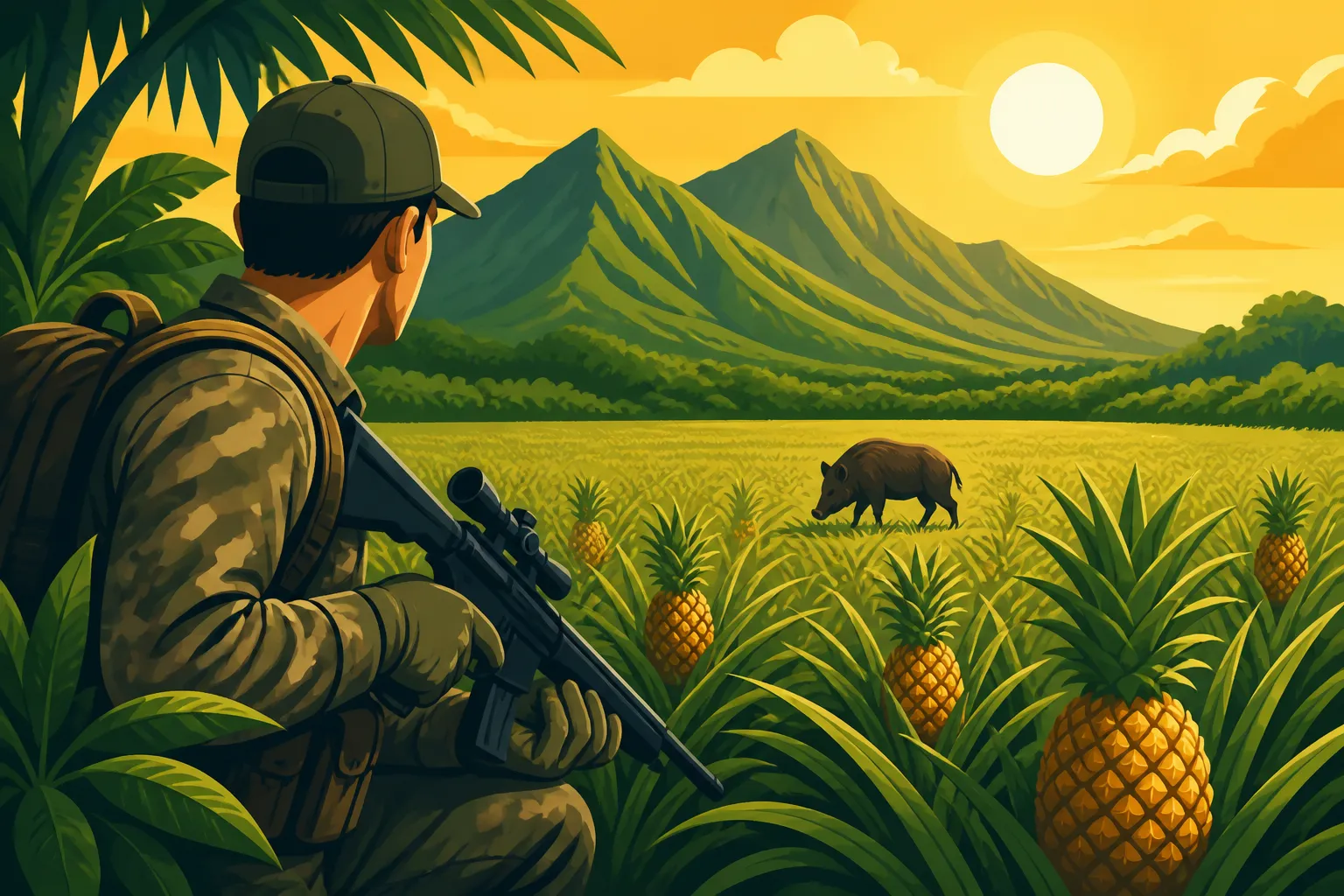
Feral pigs, in particular, are drawn to these fallow fields like magnets. After the pineapple plants are harvested, the ground is often torn up by equipment, leaving behind disturbed soil that's easy for pigs to root through in search of grubs, insects, and any remaining bits of pineapple or other plant matter. The fields can also quickly sprout a new flush of weeds and grasses, providing a smorgasbord for foraging. Imagine a pig's delight: a buffet of tasty roots and fresh shoots, all in ground that's already soft and easy to dig. It's like finding an open pantry after the harvest, offering easy pickings compared to the dense, root-bound soil of the deep forest.
Goats, while not as drawn to rooting, will often utilize the edges of these fallow fields, especially if there are new green shoots appearing or if the fields are adjacent to thicker brush. They're opportunists, and if easy browse is available, they won't pass it up. You might not find a large herd of goats in the middle of a vast, open fallow field, but they'll certainly use the boundaries for feeding and travel, particularly if there's good cover nearby to retreat to when they feel exposed. The transition zone between the open field and thicker vegetation is always a key area to scout for goat activity. What a Hawaii Feral Goat Weighs can often dictate how far they'll venture from cover.
Regenerating Vegetation and Cover
As a fallow field sits, it doesn't stay barren for long. The rich volcanic soil, coupled with Hawaii's consistent rainfall and sunshine, means that various pioneer plants, weeds, and grasses quickly take root. These young plants provide immediate food sources, but also new, low-lying cover for smaller animals and bedding areas for larger game. Think of it as a natural regeneration cycle where the land starts to reclaim itself. This fresh growth can be incredibly attractive to game animals that are constantly seeking new food sources.
Furthermore, these fields are rarely truly isolated. They're often bordered by thicker kiawe forests, guava thickets, or even deeper native woodlands. This means that game animals can easily move between the dense cover and the more open feeding grounds of the fallow field. They'll bed down in the thick stuff during the heat of the day, then emerge at dawn and dusk to feed in the regenerating fields. Understanding this pattern of movement is crucial for successful hunting, as it dictates where and when you should focus your efforts. Knowing What Feral Pigs Eat in the Islands will often tell you where they'll be headed during these foraging times.
Scouting and Accessing Fallow Pineapple Land
Hunting these transitional zones requires specific scouting and a clear understanding of land access in Hawaii. You can't just drive up and start walking; proper preparation is key to a safe and legal hunt. It’s not always obvious where the public land begins and private property ends, especially in areas that have been historically agricultural.
Identifying Fallow Fields and Boundaries
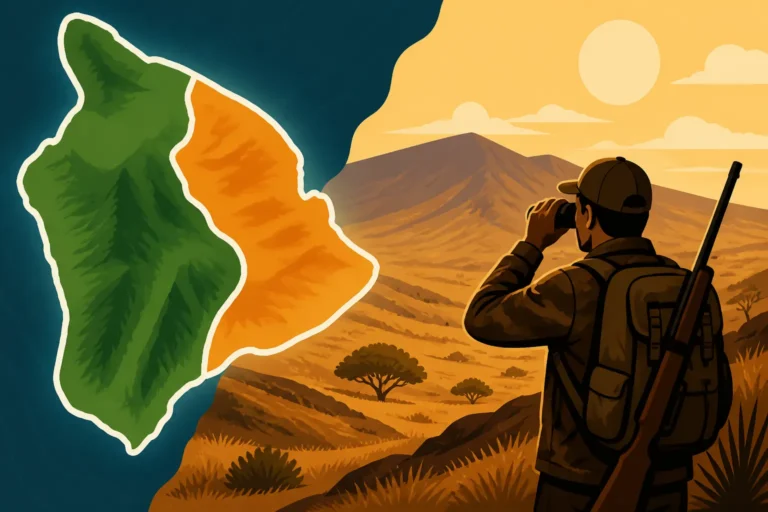
The first step is identifying active or recently fallow pineapple fields. This often means driving through agricultural areas on islands like Maui or Oahu where commercial pineapple operations once thrived, or still exist. Look for large, relatively flat areas that show signs of previous cultivation but are now overgrown with grass, small shrubs, or regenerating volunteer plants. The distinctive rows, even if faint, can often tell you what kind of crop was once there. Online mapping tools like onX Hunt are incredibly valuable here. You can use onX Hunt to overlay public and private land boundaries, helping you determine if a fallow field or its edges fall within a legal hunting unit. This is critical because many former agricultural lands are private, and trespassing is a serious offense.
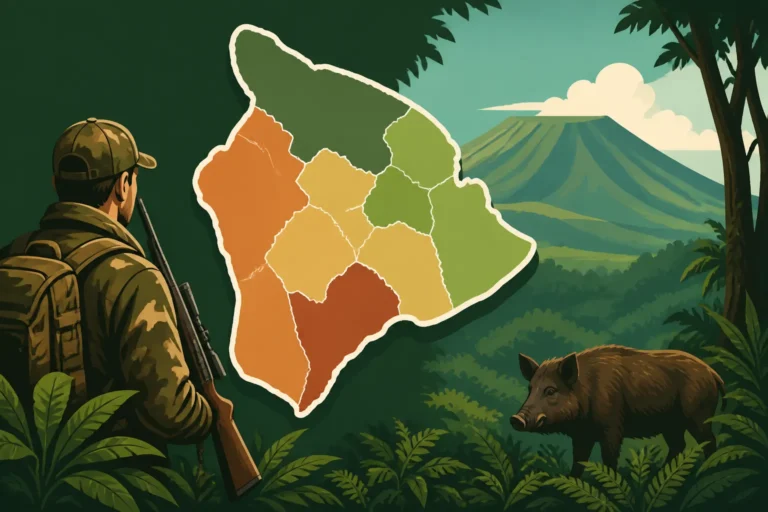
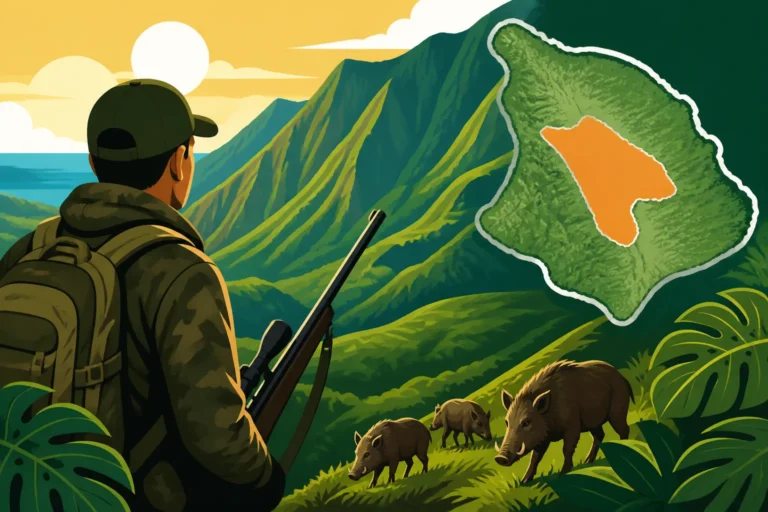
Once you’ve identified potential areas, pay close attention to fence lines, roads, and other natural boundaries. These are often the markers between public access and private property. Don't assume that just because a field looks abandoned, it's open for public use. Always verify land ownership and access rules for the specific unit. A little homework with your map can save you a lot of trouble down the line. Remember, Hawaii has very specific rules for Hawaii's Hunting Units and How They Work, and knowing which unit you are in is paramount.
Gaining Legal Access and Permits
Most hunting on former agricultural lands, if permitted, will fall under specific public hunting units or require landowner permission. For public lands, you'll need your Hawaii hunting license and any necessary permits or tags, depending on the island and species. For example, many of Maui's public units that border old agricultural areas have strict check-in/check-out procedures, often managed through the OuterSpatial app or a physical check station. Using the OuterSpatial App to Check In is becoming the standard. Make sure you understand the season dates and bag limits for the specific unit you intend to hunt. Hawaii Game Mammal Seasons and Hawaii Game Bird Seasons and Bag Limits vary greatly.
If a desirable fallow field is on private land, you absolutely must obtain explicit permission from the landowner before stepping foot on it. This can be challenging, as many large landowners have established relationships with hunting guides or lease their land exclusively. However, sometimes smaller private parcels or less intensely managed ranch lands might be accessible if you approach the landowner respectfully and explain your intentions. Never assume implied permission; always get it in writing if possible, or at least a clear verbal agreement, and respect any conditions they set. This is not the place for guessing games, as local residents take trespass seriously.
Scouting for Game Sign in Fallow Fields
Once you have legal access, scouting is paramount. Fallow fields are dynamic environments, and game activity can shift quickly. Look for fresh pig sign: rooting, tracks in soft soil, rubs on trees along the edges, and fresh scat. Pigs love to root for rhizomes and grubs, so disturbed earth is a strong indicator. Goats will leave tracks, droppings, and browse lines on any regenerating shrubs or trees, often favoring the slightly higher ground or edges of the fields. You might also find beds in the taller grasses where animals have rested.
Early morning or late afternoon scouting sessions are ideal when animals are most active. Pay attention to water sources if any exist, as animals will frequent these areas in dry conditions. Even a small muddy wallow can indicate recent pig activity. Focus your scouting efforts on the transition zones where the fallow field meets denser cover, as this is where animals will enter and exit the field. Use binoculars to scan the entire area from a distance to spot any hidden movements without disturbing the animals. Reading Pig Sign Along a Muddy Trail becomes second nature when you spend time in these areas.
Effective Hunting Strategies in Fallow Pineapple Fields
Hunting fallow pineapple fields presents a unique set of challenges and opportunities. The relatively open nature of some fields might allow for longer shots, while the dense, regenerating growth in others demands a more calculated, close-quarters approach. Adaptability is your best friend here.
Spot-and-Stalk Tactics
For more open fallow fields, especially those with scattered clumps of thicker vegetation, spot-and-stalk tactics can be highly effective. This involves slowly scanning the field, often from a slightly elevated position, using binoculars to spot animals feeding or moving. Once an animal is located, plan your approach carefully, using any available cover – whether it's tall grass, small brush piles, or even subtle changes in terrain – to close the distance undetected. The key is to move slowly, deliberately, and always pay attention to the wind, which can be fickle in Hawaii's diverse landscapes.
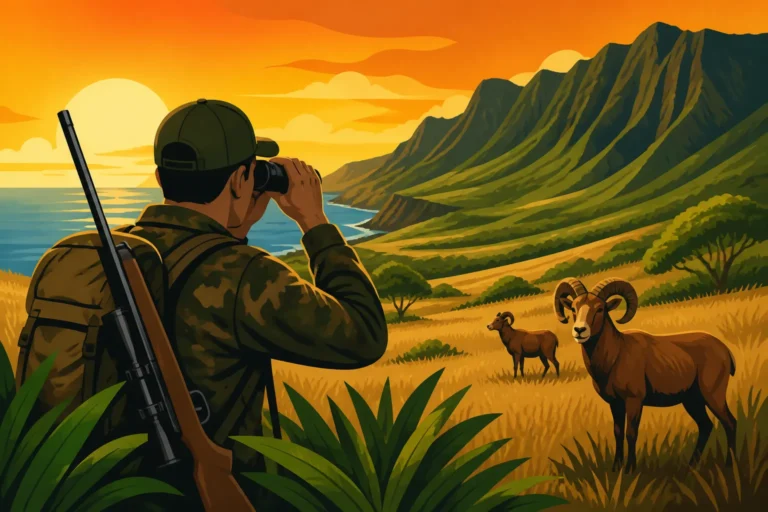
Imagine an early morning hunt: you've set up on a small rise overlooking a large fallow field. The first rays of sun are just kissing the distant mountains. You use your optics to systematically glass the field, looking for the tell-tale glint of a pig's back or the subtle movement of a goat's head. Suddenly, a dark shape emerges from a patch of regenerated guinea grass. It's a sow with a few piglets, rooting contentedly. Now the real work begins: using the contours of the land and the remaining pineapple rows to creep within shooting range, always mindful of the wind direction and the keen senses of the animals. Spot-and-Stalk Axis Deer in Hawaii techniques can easily be adapted for pigs and goats in these open areas.
Ambush Hunting Near Cover and Travel Corridors
In fallow fields where the vegetation is thicker, or when hunting the edges, ambush tactics become more viable. Identify established game trails that lead into or out of the fallow field, especially those connecting to dense bedding areas or water sources. Pigs and goats are creatures of habit, often using the same pathways repeatedly. Set up downwind of these trails, either on the ground with natural cover or in a portable blind if permitted and practical. The hours around dawn and dusk are typically the most productive, as this is when animals are actively moving between feeding and bedding areas.
Consider a scenario where a fallow field is bordered by a thick patch of Hunting a Strawberry Guava Thicket. You've noticed a well-worn trail leading from the guava into the regenerating field, evidenced by fresh tracks and droppings. You arrive well before daylight, setting up quietly a comfortable distance from the trail, with the wind in your favor. As the sun begins to lighten the sky, you hear the rustle of leaves and the soft grunting of pigs approaching. Patience is paramount here, waiting for the right shot opportunity as they emerge into view.
Using Calls and Decoys (Limited Application)
While not as common for pigs and goats as for other species, limited calling can sometimes be effective. A soft pig grunt or distress call might pique the curiosity of a nearby animal, drawing it a bit closer, especially if they are already in the field. For goats, a bleat might occasionally work, but their wary nature often makes calling less effective than a stealthy approach. Decoys are generally not used for pig and goat hunting in Hawaii, as these animals aren't typically "decoy-responsive" in the same way deer or birds might be. Focus your efforts more on good scouting, wind management, and stealth.
However, if you're hunting game birds that might frequent the edges of these fields, such as doves or francolin, then bird calls and decoys become much more relevant. Always consult the specific regulations for game bird hunting in these areas, as methods and seasons vary. Hunting Francolin and Pheasant in Hawaii often involves different techniques.
| Strategy | Best for | Pros | Cons | Tips |
|---|---|---|---|---|
| Spot-and-Stalk | Open fields, scattered cover, wary animals | Exciting, adaptable, covers large areas | Requires patience, good optics, wind awareness, fitness | Use terrain and vegetation for cover; move slowly and deliberately; glass frequently; always check wind. |
| Ambush Hunting | Edges of fields, dense cover, travel corridors | Effective for habitual animal movement | Can be slow, dependent on animals' routine, limited range | Identify active game trails; set up downwind; arrive early; remain still and quiet; focus on dawn/dusk. |
| Driving/Pushing | Thick patches, deep cover (with partners) | Can flush out hidden animals, effective for pigs | Requires multiple hunters, coordination, safety concerns | Only with clear communication and safety plan; know your lanes of fire; verify unit rules on group hunting. Not recommended for solo hunters due to safety. |
| Dog Hunting | Deep cover, large pig populations | Highly effective for pigs, exciting | Requires trained dogs, specific gear, unit approval, safety | Check regulations for Hawaii Dog Hunting Rules; ensure dogs are protected with vests; clear communication with dog handler; focus on bayed or caught pigs. |
Safety and Regulations on Former Agricultural Lands
Hunting in any area, especially those with a history of agricultural use, comes with its own set of safety concerns and regulatory requirements. It's crucial to prioritize safety, respect the land, and abide by all local laws to ensure a responsible and enjoyable experience.
Specific Safety Considerations
Former agricultural lands can present unique hazards. You might encounter old irrigation pipes, rusty farm equipment, hidden ditches, or uneven ground that can be a tripping hazard. Always be aware of your footing, especially when traversing uneven rows or overgrown areas. Additionally, some fields might have residual pesticides or herbicides, though these are typically less of a concern on genuinely fallow fields after a few seasons. Always wear appropriate footwear that can handle rough terrain and potentially muddy conditions.
Another major safety concern is the presence of other people. Agricultural areas, even fallow ones, might still be visited by farmers, landowners, or even hikers if adjacent to public trails. Always identify your target positively and be absolutely sure of your backstop. Never shoot towards roads, structures, or any area where people might be present. In Hawaii's humid environment, hydration is also critical, especially if you're doing a lot of walking in open fields with limited shade. Carry plenty of water and plan for the heat. For public land, always know your Hawaii Blaze Orange and Safety Rules.
Understanding Unit-Specific Regulations
The biggest hurdle for many hunters on former agricultural lands is navigating the complex web of unit-specific regulations. These areas might fall under different management designations than a deep forest reserve, potentially having different season dates, weapon restrictions, or even access points. Before you even set foot on the property, double-check the current regulations published by the Department of Land and Natural Resources (DLNR) for that specific hunting unit. What's legal in one unit might be strictly prohibited in another, even if they're physically close.
For instance, some units might only allow archery, while others permit rifle or muzzleloader hunting during certain seasons. Some public lands may allow year-round hunting for pigs and goats, while others have very specific weekend-only schedules. It's also vital to confirm whether dogs are allowed for pig hunting in that specific unit. The GoHunt Hawaii platform (or the official DLNR website, which GoHunt Hawaii might link to for direct information) is an excellent resource for checking these details. Always have a copy of the current regulations with you, whether digitally on your phone or a printed copy, to avoid any misunderstandings. Hawaii's Legal Weapons by Season is a critical reference.
Respecting Private Property and Agricultural Operations
Even if you have legal access to hunt a fallow field, remember that you are often in close proximity to active agricultural operations or private residences. Respect all "No Hunting" or "No Trespassing" signs without exception. Avoid disturbing any active crops or farm infrastructure. Leave gates as you found them – if it was closed, close it behind you; if open, leave it open unless explicitly instructed otherwise. Your actions reflect on the entire hunting community, and good landowner relations are vital for maintaining access to these unique areas.
Always pack out everything you pack in, leaving no trash behind. If you harvest an animal, field dress it responsibly and pack the meat out as cleanly as possible. Be mindful of scent and visibility to avoid alarming nearby residents or workers. Good stewardship and respectful conduct are not just courtesy; they are essential for preserving hunting opportunities on and around Hawaii's agricultural lands. If you're on a multi-day hunt, remember that Hawaii's Weekend and Holiday Hunting Rules often dictate when public land can be accessed.
Disclaimer
This article is for general informational purposes only and does not constitute professional advice. Laws, prices and regulations vary by location and change over time. Consult a qualified professional for guidance on your specific situation.