What Hawaii Guides Expect You to Shoot
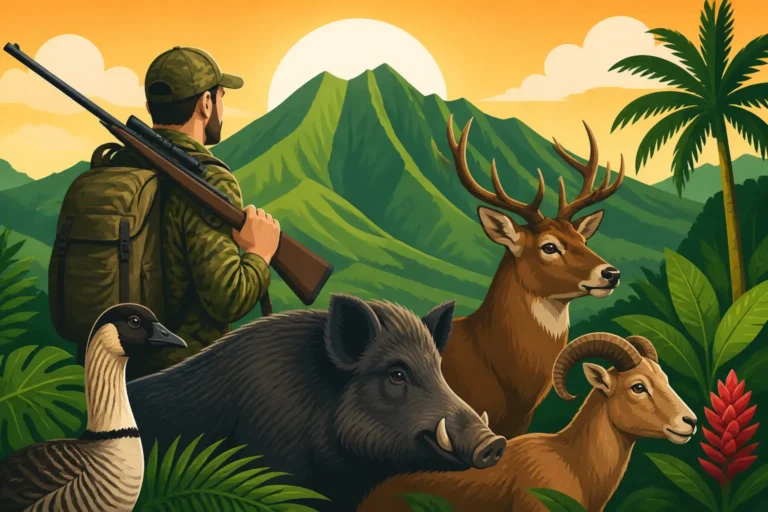
One of the biggest anxieties I hear from hunters traveling to Hawaii for a guided trip is the unspoken pressure of meeting their guide's expectations. You've invested time, money, and dreams into this hunt, and you naturally want to make the most of it. But what exactly does a seasoned Hawaii guide expect you to shoot, or perhaps more importantly, how do they expect you to hunt? This guide will dive deep into that very question, helping you understand the unwritten rules and ensure a fulfilling and respectful experience.
Setting the Stage: Managing Expectations for Your Hawaii Hunt
Let's be real: we all dream of that giant, record-book animal. We spend hours online scrolling through photos of monstrous Axis deer bucks or massive boars with impressive cutters. When you're heading to a place like Hawaii, where the game is unique and the landscape is breathtaking, those dreams can feel even more vivid. However, the reality of hunting is always a little different, and a good Hawaii guide isn't looking for you to shoot "the biggest" animal, but rather "the right" animal under the circumstances.
Hawaii's terrain is rugged, the weather can change in an instant, and these animals are truly wild. Your guide understands that every day in the field is different, and success rates, while often high with a reputable outfitter, are never guaranteed for a specific size or type of animal. They are focused on giving you the best opportunity, but ultimately, it's hunting. Sometimes, the trophy of a lifetime walks by, and other times, it's a solid meat animal that makes for an incredible experience. The key is to manage your own expectations and be open to what the islands offer. Remember, the experience of being in Hawaii's wild places, stalking game that you won't find anywhere else, is a trophy in itself. What Success Rates Actually Mean is a great read to further contextualize this.
The Nuance of "Trophy" Versus "Meat"
It's important to understand that not every hunter is chasing a world-class rack or set of tusks. Many hunters prioritize filling the freezer with delicious, organic meat, especially in a place like Hawaii where the venison from Axis deer or pork from feral pigs is highly prized. When you talk to a guide, they want to know your primary goal. Are you solely focused on a trophy Axis buck, or would you be thrilled with a mature doe that provides excellent table fare? For pigs, is it the biggest, nastiest boar, or a young, tender sow?
Communicating this distinction upfront allows your guide to tailor the hunt to your preferences. If you're after a specific type of animal, they'll work harder to put you on it, but they'll also likely caution you that patience might be required, and opportunities might be fewer. If you're open to a "meat hunt," your chances of a successful harvest on a given day often increase, as guides have more options to present. Ultimately, a successful hunt, in many guides' eyes, is one where the hunter leaves happy, with memories and often, a cooler full of fresh game.
Dealing with Unpredictable Conditions and Game Behavior
Hawaii's unique environment means that game behavior can be influenced by many factors that aren't present on the mainland. Droughts can push animals to specific water sources, while heavy rains can make certain areas inaccessible or send animals seeking denser cover. Hunting a Hawaii Unit After Heavy Rain or Hunting a Water Source in Dry Hawaii Country can give you an idea of these challenges.
Guides are intimately familiar with these patterns and conditions. They understand that a sudden shift in wind or an unexpected cloudburst can change the entire dynamic of a hunt. What they expect from you is adaptability and resilience. If the plan changes because the animals aren't where they usually are, or if the weather demands a different approach, a good hunter rolls with it. They don't expect you to magically find game in impossible conditions, but they do expect you to trust their judgment and adapt to the hand nature deals.
Species-Specific Expectations: What Guides Look For
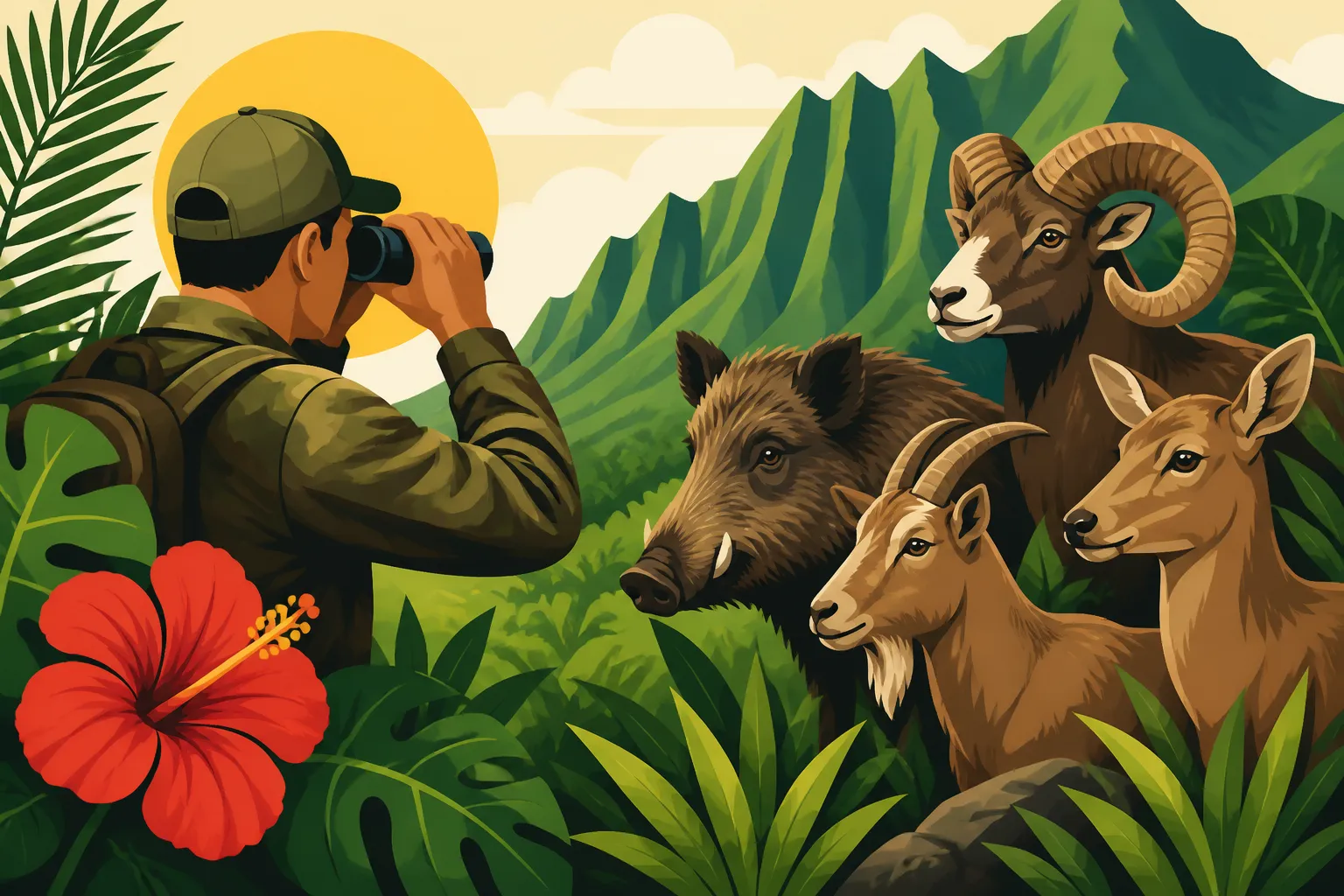
While the general expectation is an ethical harvest, what constitutes a "good animal" can vary significantly depending on the species you're pursuing. Your guide will have a keen eye for age, size, and health specific to each animal.
Axis Deer: Beyond the Rack
For many, Axis deer are the quintessential Hawaii hunting experience. Their beautiful spotted coats and impressive antlers make them a coveted trophy. However, unlike many mainland deer species, Axis deer rut year-round, meaning you can find bucks in various antler stages at any given time. What a guide often looks for in a "trophy" Axis buck is usually a mature animal with a full, hard rack, often a 3×3 or larger, with good mass and length. But they also understand that a hunter's definition of "trophy" can be personal.
If you specifically state you're looking for a giant, the guide will likely pass on smaller, younger bucks, even if they present an ethical shot. Conversely, if you're primarily after venison, a mature doe or a smaller buck might be presented as an excellent opportunity. Guides also keep an eye on the herd's health; sometimes, removing an older, declining buck or a non-productive doe is a benefit to the overall population. They expect you to articulate your preference, but also to be ready to shoot the animal that presents itself if it aligns with your goals. You might find it useful to read Judging an Axis Buck's Antlers in the Field to understand some of the nuances involved.
Feral Pigs: Tusks or Tenderloins?
Feral pigs in Hawaii are a different beast altogether. These hunts are often fast-paced, intense, and can involve dogs. What a guide expects you to shoot often depends on the type of hunt and your stated preference. For a dog-and-knife hunt, a guide is looking for a solid animal that offers a good, clean stick. For a rifle or bow hunt, it could be a trophy boar with impressive tusks, or simply a good "meat pig" – typically a sow or a younger boar that will yield tender, delicious pork.
Many guides view pig hunting as both a recreational pursuit and a form of population control, as these animals can be highly destructive to Hawaii's native ecosystems. So, any ethical harvest of a wild pig is generally considered a successful outcome. If you are after a specific size or tusk configuration, make sure your guide knows. They'll know the difference between a big breeding sow and a mature boar with a reputation for being tough. You can learn more about these fascinating animals in Hawaii's Feral Pigs, Island by Island.
Mouflon Sheep: The Curl is Key
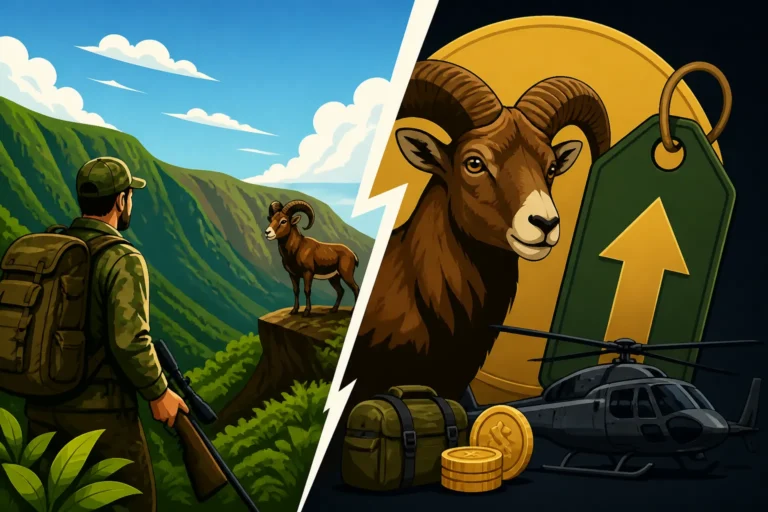
Mouflon sheep, found on the higher slopes of the Big Island and Lanai, are another unique challenge. For mouflon, the "trophy" is almost always defined by the horn curl, age, and thickness of the ram's horns. Guides are experts at judging a ram's age and horn development from a distance, often looking for rams that are 7 years or older with horns completing a full curl or more, and good mass at the bases.
This can mean long hours of glassing lava flows and steep hillsides, being selective, and potentially passing on younger rams that haven't reached their full potential. The guide's expectation is often that you're in for a true mountain hunt, requiring patience and good shooting skills at longer ranges. They'll expect you to listen to their judgment on what constitutes a mature ram worth harvesting, balancing the desire for a trophy with ethical management. For insights into judging these animals, check out Judging a Mouflon Ram's Horn Curl.
Feral Goats: A Cliffside Challenge
Hunting feral goats in Hawaii, often found clinging to steep sea cliffs or deep canyons, is less about "trophy" size and more about the incredible challenge of the hunt itself. While long, wide horns are certainly impressive, the real achievement is often the successful stalk and recovery of any mature goat from such treacherous terrain. Guides understand the inherent difficulty.
They generally expect you to shoot a mature animal, whether a billy (male) or a nanny (female), that provides a good opportunity and is safely recoverable. They'll also often prioritize taking out larger, older billies to help manage the population. The guide's expectation is that you are physically prepared for a demanding hunt and that you will prioritize safety above all else, especially when dealing with steep drops and unstable footing. Hunting Goats on a Sea Cliff Safely gives a good picture of what to expect.
Here’s a quick overview of common expectations:
| Species | Primary Expectation (Common) | Trophy Considerations | Guide's Priority (General) |
|---|---|---|---|
| Axis Deer | Meat, any mature deer | Large, hard antlers (3×3+), good mass | Ethical kill, hunter satisfaction |
| Feral Pig | Meat, large body weight | Long, sharp tusks (boar) | Ethical kill, population control |
| Mouflon Sheep | Mature ram, good horn curl | Full curl, heavy bases | Ethical kill, mature animal |
| Feral Goat | Mature goat, any size | Long, wide horns | Ethical kill, population control |
Beyond the Trophy: The Ethical Imperatives of Your Guide
While getting an animal is a goal, your guide’s fundamental expectation is always a safe, ethical, and clean hunt. This isn't just about bagging something; it's about respecting the animal, the land, and the hunting tradition.
The Absolute Priority: Ethical Shot Placement
More than the size of the rack or the tusks, your guide's paramount expectation is that you make an ethical shot. This means a clean kill that minimizes suffering and ensures swift recovery. They want you to be confident in your abilities and to only take shots that are within your effective range and skill level. This often means passing on marginal shots, even if it's the only opportunity. A guide would much rather you wait for a perfect broadside presentation at 100 yards than attempt a quartering-away shot at 250 yards that risks wounding an animal.
If you're unsure about a shot, ask your guide. They are there to help you judge distance, angle, and shot placement. They've seen countless animals taken and know where a bullet or arrow needs to go. Your guide will expect you to confirm the animal's exact location after the shot, and if the animal runs, to stay put and allow them to track it properly. This is especially critical in Hawaii's dense cover or steep terrain, where a poorly hit animal can quickly disappear into an impossible-to-reach gulch. Field Dressing Axis Deer in Hawaii Heat also highlights the need for quick, clean kills to preserve meat.
Safety First, Always
This almost goes without saying, but guides expect you to adhere to all safety protocols without question. This includes firearm handling, knowing your muzzle direction, being aware of your surroundings, and following local regulations, such as Hawaii's Hawaii Blaze Orange Requirements. In the dynamic environment of a hunt, especially one on steep, uneven ground or through thick brush, situational awareness is key.
A guide wants to know you're responsible and attentive. They're putting their trust in you, and your actions reflect on them. If they tell you to hold fire, there's a good reason. If they instruct you on how to cross a certain piece of terrain, it's for your safety. They also expect you to have practiced with your chosen weapon and to be proficient. Practicing Before a Hawaii Hunt is a crucial step before any guided trip.
Respect for the Land and Culture
Hawaii has a deep cultural connection to its land, or aina. Guides, many of whom are local, have immense respect for the environment. They expect you to share that respect. This means leaving no trace, packing out all your trash, and treating the land as if it were your own backyard – or even better, as a sacred place. It also means understanding and respecting local customs and traditions if they are part of your guide's operation. This isn't just a hunting trip; it's an immersion into a unique ecological and cultural landscape.
Open Communication: Your Role in a Successful Guided Hunt
The most crucial element in understanding what your Hawaii guide expects from you is open and honest communication, long before you even set foot on the island.
Communicating Your Goals and Skill Level Upfront
Before booking, or at the very least, early in the planning process, have a frank discussion with your potential guide about your hunting goals. Do you want a big trophy? Is it primarily a meat hunt? Are you interested in a specific method, like Bowhunting Hawaii's Public Units or Muzzleloader Hunting in Hawaii? Tell them about your experience level. Are you a seasoned hunter, or is this your first big game hunt? Be honest about your physical fitness; Hawaii hunting can be extremely demanding, with steep climbs and long walks. Your guide needs to know if you're prepared for Fitness for a Steep Hawaii Hunt.
This initial conversation sets the foundation. If you're using a service like BookYourHunt or researching guides independently, look for outfitters who actively encourage these discussions. A good guide will appreciate your honesty and will use this information to create the best possible experience for you. They don't expect you to be a superhuman hunter, but they do expect you to be truthful about your capabilities and desires.
Trusting Your Guide's Expertise in the Field
Once you're in the field, your guide is the expert. They know the terrain, the animal patterns, and the local conditions intimately. They've spent countless hours navigating these lands. They expect you to listen to their instructions, trust their judgment, and follow their lead. This means:
- Following their stalking advice: They know how to move quietly through kiawe flats or wet rainforests.
- Waiting for their signal to shoot: They might see something you don't, or be waiting for a better angle.
- Respecting their decision to pass on an animal: If they advise against a shot, it’s usually for a very good reason related to ethics, safety, or the animal's quality relative to your stated goals.
It can be tempting to get caught up in the excitement, but resisting the urge to freelance and instead relying on your guide's expertise is paramount. They are working for your success and safety. You can find excellent guides through reputable channels like GoHunt, or by thoroughly vetting independent outfitters. Choosing the Right Hawaii Outfitter and Questions to Ask Before Booking can help you prepare for these conversations.
Feedback and Gratitude
After the hunt, good guides appreciate honest feedback, both positive and constructive. Let them know what you enjoyed, what you learned, and if there's anything they could improve. And of course, showing genuine gratitude for their hard work and dedication goes a long way. They spend hours scouting, planning, and guiding, often in challenging conditions, to ensure you have a memorable experience. A thank you, and a fair tip if you feel they earned it, demonstrates your appreciation for their efforts.
Ultimately, Hawaii guides expect you to be a prepared, ethical, and communicative hunter. They want you to enjoy the unique challenge and beauty of hunting in the islands, and to leave with a deep appreciation for the game and the incredible natural world of Hawaii. If you bring that mindset to your hunt, you'll meet and exceed their expectations, guaranteeing an experience you'll never forget.
Disclaimer
This article is for general informational purposes only and does not constitute professional advice. Laws, prices and regulations vary by location and change over time. Consult a qualified professional for guidance on your specific situation.