Guided Hunts for a First-Time Hunter
Stepping into the world of hunting, especially in a place as unique and potentially challenging as Hawaii, can feel incredibly daunting. You've probably got a million questions swirling around in your head: Where do I even start? What game can I hunt? Do I need a special license? What gear is essential, and how do I navigate these unfamiliar landscapes? It's a lot to process, and that's precisely why a guided hunt can be an absolute game-changer for a first-time hunter in the islands. This guide is here to walk you through why a guided experience isn't just a luxury, but often the smartest, safest, and most rewarding way to kick off your hunting journey in Hawaii.
Why a Guided Hunt Makes Sense for New Hunters in Hawaii
For anyone new to hunting, the idea of heading out into the wild with a weapon can feel overwhelming. Add in the distinct terrain, unique regulations, and sometimes dense vegetation of Hawaii, and it's easy to see why so many aspiring hunters feel paralyzed by where to begin. This is where a guided hunt truly shines, offering an invaluable shortcut to confidence and success.
Navigating Hawaii's Unique Hunting Landscape
Hawaii isn't your typical mainland hunting destination. Forget wide-open plains or vast coniferous forests. Here, you're looking at everything from steep, rocky volcanic slopes to dense, tangled rainforests, kiawe flats, and even coastal cliffs. Each island, and even different sides of the same island, presents vastly different environments and challenges. For a first-timer, trying to understand these nuances, identify game trails, or even just stay found can be incredibly difficult, if not downright dangerous. A professional guide brings years, often decades, of intimate knowledge about these specific areas. They know the seasonal patterns of game, where to find water sources in dry country, and how animals react to the prevailing trade winds. This local knowledge is simply impossible to gain from a few hours of internet research, making a guided hunt an essential first step.
Moreover, accessing hunting areas in Hawaii can be complex. There are public lands, private ranches, cooperative management areas, and strict rules about vehicle access. Knowing where you can legally hunt, how to check in and out, and respecting private land boundaries is crucial. Guides handle all this logistical heavy lifting. They often have established relationships with landowners for private land access, or they're well-versed in the public land regulations for areas like the Puu Anahulu Game Management Area or the Makawao Forest Reserve. This frees you up to focus on the hunt itself, rather than getting bogged down in maps and permits. For more information on navigating these areas, check out Hawaii's Hunting Units and How They Work.
Learning Essential Skills and Safety Protocols
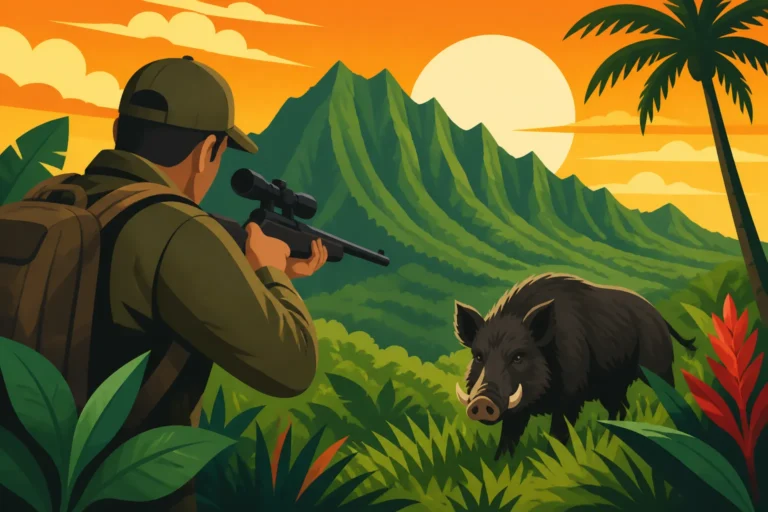
Hunting isn't just about pulling a trigger; it's a whole suite of skills, from ethical shot placement to field dressing and safety. As a first-time hunter, you might have completed your Hawaii Hunter Education Requirements, which is fantastic and absolutely necessary, but nothing beats hands-on experience. A guide acts as your personal mentor. They can teach you how to move silently through the brush, how to recognize fresh game sign, the best way to approach an animal in varying terrain, and critical details about shot angles and bullet placement to ensure a quick, humane kill. They're also there to reinforce crucial safety protocols, especially when it comes to firearm handling, walking with loaded weapons, and identifying safe shooting lanes.
Beyond the moment of the shot, a guide will teach you about field care in Hawaii's often hot and humid climate. Keeping meat cool and clean is paramount, and without proper technique, your hard-earned harvest could spoil quickly. A good guide will demonstrate how to properly gut and quarter an animal, even offering advice on how to pack it out of a remote gulch. They’ll show you how to attach your Tagging Rules After the Kill correctly and navigate the check-out process. This mentorship builds a strong foundation for future self-guided hunts, equipping you with practical skills that you’ll use for a lifetime.
The Value of Local Expertise
Think of a guide as your expert interpreter of the Hawaiian wilds. They understand the subtle shifts in animal behavior due to weather, moon phase, or hunting pressure. They can identify the specific calls of game birds or the distinct tracks of a large boar. This deep connection to the environment is something that develops over years, not days. For instance, knowing where Axis deer will water during a drought or where feral pigs might be rooting after a heavy rain is the kind of insight that comes from living and hunting in these specific conditions. Guides often spend countless hours scouting, monitoring game cameras, and tracking patterns. This means they’re putting you in the best possible position for success, maximizing your limited time in the field.
Moreover, the guide knows the unwritten rules and cultural etiquette of hunting in Hawaii, which can be different from other places. They often have connections to local communities and can offer insights into the history and spirit of hunting in the islands. This enriches your overall experience beyond just the harvest, making it a more meaningful introduction to Hawaii's hunting heritage. The sheer challenge of learning new species, like Axis Deer, Hawaii's Signature Big Game or Hawaii's Feral Pigs, Island by Island, in an unfamiliar environment, is vastly reduced with a knowledgeable local by your side.
What to Expect from a First-Time Guided Hunt Package
So, you're convinced that a guided hunt is the way to go. But what does that actually look like? What should you expect when you book your first guided experience in Hawaii? Understanding the typical inclusions, species options, and financial aspects will help you make an informed decision and ensure your first hunt is exactly what you hoped for.
Common Inclusions and Exclusions
Most guided hunt packages, especially for first-timers, are designed to be as comprehensive as possible. You can generally expect your guide fee to cover their time, expertise, and access to private land if that's part of the hunt. This usually includes scouting the area beforehand, guiding you throughout the day (or multiple days), and providing basic field care assistance after a successful harvest. Transportation to and from the hunting area, often in a 4×4 vehicle that can handle Hawaii's rough terrain, is also a common inclusion. Some outfitters might even provide a lunch or snacks for multi-day hunts. When you're looking at various options, sites like BookYourHunt can be a great resource to compare what different outfitters offer.
However, it's just as important to understand what's not typically included. Your hunting license and any necessary permit-tags are almost always your responsibility to purchase separately. You'll also need to budget for your travel to Hawaii, accommodations before and after the hunt, and personal gear like clothing, boots, and optics. Firearms and ammunition are sometimes offered as rentals, but not always, so clarify this upfront. Meat processing beyond basic field dressing, taxidermy, and shipping of meat or trophies back home are usually additional costs. Always get a detailed list of inclusions and exclusions in writing before you commit. Remember, for your actual Hawaii Hunting Licenses and What They Cost, you'll typically need to obtain those through the state's official channels, often accessible via platforms like GoHunt.
Choosing the Right Species and Experience
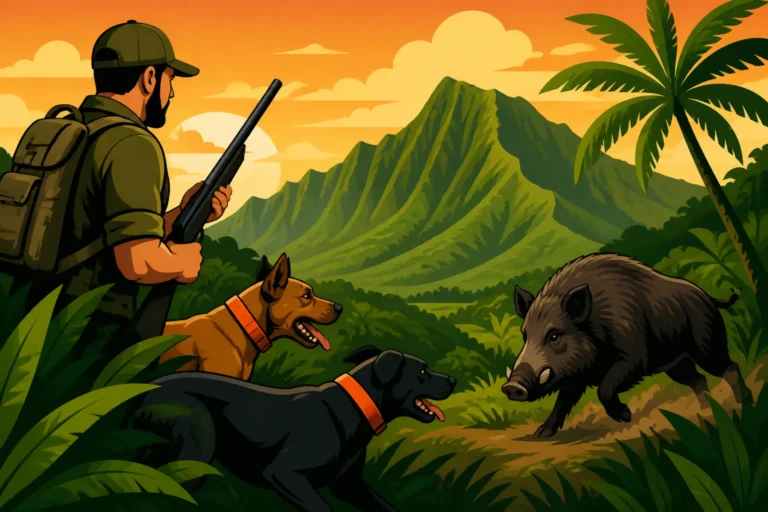
Hawaii offers a diverse range of game animals, each with its own unique hunting experience. For a first-timer, starting with a species that offers a good chance of success while still providing a challenge is key. Axis deer hunts on Maui or Molokai are incredibly popular and often provide exciting spot-and-stalk opportunities in open country. Booking a Hawaii Axis Deer Hunt is a common choice for those seeking a trophy animal and delicious venison. Feral pig hunts, especially those done with dogs, are a completely different, adrenaline-pumping experience, particularly popular on islands like Hawaii Island or Oahu. If you're looking for a physically demanding hunt in rugged, high-elevation terrain, Booking a Hawaii Mouflon Hunt for sheep on Mauna Kea could be an option, but this is often more suited to hunters with some prior experience.
When choosing, consider your physical fitness, desired challenge level, and what kind of experience you're hoping for. Do you want a classic rifle hunt, or are you interested in trying archery or muzzleloader? Some outfits specialize in Bowhunting Hawaii's Public Units or Muzzleloader Hunting in Hawaii. Discuss these preferences with potential guides. They can help steer you towards a hunt that aligns with your expectations and skill level, ensuring a positive first impression of hunting in Hawaii. They can also explain the typical hunting methods, whether it's still-hunting through a guava thicket for pigs or glassing open ridges for deer.
Understanding Costs and Logistics
The cost of a guided hunt in Hawaii can vary widely based on the species, duration, inclusions, and the outfitter's reputation. Day hunts for pigs or goats might be one price, while multi-day Axis deer or Mouflon sheep hunts, especially on private land, will naturally be higher. Remember that these costs are an investment in a safe, educational, and often successful first hunting experience. It’s worth noting that What a Hawaii Guided Hunt Costs can include much more than just the guiding fee, encompassing access fees, equipment rentals, and possibly lodging.
Logistically, you'll need to coordinate your travel dates with the outfitter's availability and the open hunting seasons for your chosen species. It's smart to book well in advance, especially for popular seasons. You'll also need to figure out how you're getting to the island where your hunt is located and then to the meet-up point. Guides can often provide recommendations for local accommodations and even car rentals. If you're bringing your own firearm, there are specific rules for traveling to Hawaii with firearms and inter-island transport that you absolutely must understand and follow. Alternatively, renting a rifle from your guide can simplify this process significantly. Don't hesitate to ask your potential guide for a detailed itinerary and logistics plan once you've committed.
Preparing for Your First Guided Hunt in the Islands
You've booked your hunt, chosen your species, and now the excitement (and maybe a little nervousness) is building. Proper preparation is key to making your first guided hunt a success, both in terms of your physical comfort and your mental readiness. This isn't just about packing a bag; it's about getting yourself ready for the unique challenges and rewards that Hawaii hunting offers.
Physical and Mental Conditioning
Hawaii hunting can be physically demanding. Whether you're navigating steep slopes for mouflon, trekking through dense rainforests after pigs, or covering miles of dry, rocky ground for Axis deer, you'll be putting your body to the test. Don't underestimate the impact of heat, humidity, and uneven terrain. Start a fitness regimen well before your trip that includes cardio, strength training, and especially exercises that strengthen your legs and core. Practice hiking with a backpack, ideally over varied terrain. If you're heading for higher elevations, like parts of Mauna Kea for mouflon, remember that the thin air adds another layer of challenge.
Mentally, prepare for long days, early mornings, and the possibility that you might not harvest an animal on your first attempt. Hunting is not always instant gratification; it requires patience, persistence, and a positive attitude. Trust your guide's judgment and be open to learning. Embrace the experience of being in Hawaii's incredible wild spaces, regardless of the outcome. A guided hunt is as much about the journey and the lessons learned as it is about the harvest. Staying hydrated and well-rested is also critical for maintaining focus and endurance in the field.
Essential Gear and Equipment Considerations
Your gear list for a Hawaii hunt will differ slightly from what you might pack for a cold-weather hunt elsewhere. Lightweight, breathable, moisture-wicking clothing is essential, even in cooler elevations, as you'll be moving and sweating. Layers are your friend, as temperatures can change with elevation and cloud cover. Sturdy, broken-in hiking boots with good ankle support and grip are non-negotiable for tackling rough lava, muddy trails, or steep inclines; trust me, you don't want blisters on day one! Don't forget a good quality rain jacket, even for dry-side hunts, as Hawaii weather can be unpredictable.
Beyond clothing, a comfortable daypack, plenty of water (a hydration bladder is a great idea), high-energy snacks, sunscreen, insect repellent, and a reliable headlamp are must-haves. Your guide will likely carry a first-aid kit, but it's wise to have a small personal one. If you're bringing your own rifle, ensure it's sighted in and you're comfortable shooting it accurately from various field positions. Optics like binoculars are crucial for glassing Hawaii's often expansive hunting areas. For a more exhaustive list, refer to What to Pack for a Hawaii Hunt.
Asking the Right Questions Before You Go
Before you finalize your booking and definitely before you arrive, engage in thorough communication with your guide. Don't be afraid to ask questions, no matter how basic they might seem. This is your first guided hunt, and a good outfitter will appreciate your desire to be well-prepared.
Here’s a helpful table of questions to consider:
| Category | Key Questions to Ask |
|---|---|
| Hunt Details | What species will we target? What methods will we use (spot-and-stalk, still-hunting)? How long are typical hunting days? What's the plan if we don't find an animal? |
| Logistics | What's the exact meeting point and time? Do I need a 4WD vehicle? Where are the closest accommodations? Will you help with license/tag info? |
| Gear & Equipment | What clothing layers do you recommend? What specific boots are best for the terrain? Can I rent a rifle and ammo from you? What caliber do you suggest? |
| Safety & Contingency | What are the safety protocols? What's the plan in case of an injury or emergency? Is there cell service in the hunting area? |
| Post-Harvest | What is the process for field dressing and packing out meat? Can you recommend a local butcher/taxidermist? What are the rules for shipping meat/trophies home? |
| Payment & Gratuity | What's the total cost? What does the deposit cover? What forms of payment do you accept? What is the customary tipping etiquette? |
Open communication ensures that both you and your guide are on the same page, leading to a much smoother and more enjoyable experience. They can also advise on specific Hawaii Blaze Orange and Safety Rules or other local regulations you might not be aware of.
For a first-time hunter, a guided trip in Hawaii offers an unparalleled opportunity to learn, explore, and gain confidence in the field. It takes away much of the stress and uncertainty, allowing you to immerse yourself in the natural beauty of the islands and the thrill of the hunt. With a knowledgeable guide by your side, you're not just going on a hunt; you're embarking on an educational adventure that will lay the groundwork for many successful years of hunting to come.
Disclaimer
This article is for general informational purposes only and does not constitute professional advice. Laws, prices and regulations vary by location and change over time. Consult a qualified professional for guidance on your specific situation.