Signing an Outfitter Liability Waiver
You've dreamed of hunting in Hawaii, picturing vast lava flows or dense rainforests, the thrill of stalking an Axis deer or a feral pig. But before you even set foot on that beautiful, wild land, there's a good chance you'll be asked to sign a liability waiver. It can feel like a buzzkill, a pile of legal jargon standing between you and your adventure. This guide will help you understand exactly what these waivers mean when you're booking a hunt in Hawaii, what to expect, and why they're a necessary part of the process for both you and your outfitter.
What Exactly Is a Liability Waiver in the Context of a Hawaii Hunt?
When you’re preparing for a hunting trip, especially one as unique as those offered in Hawaii, you’re often focused on gear, logistics, and the excitement of the chase. However, one crucial piece of paperwork you'll almost certainly encounter is a liability waiver. At its core, a liability waiver is a legal document where you, as the participant, acknowledge the inherent risks involved in an activity and agree to release the outfitter, guide, or landowner from responsibility for any injuries, damages, or losses you might incur. It's a formal recognition that hunting is an inherently risky pursuit, even in paradise.
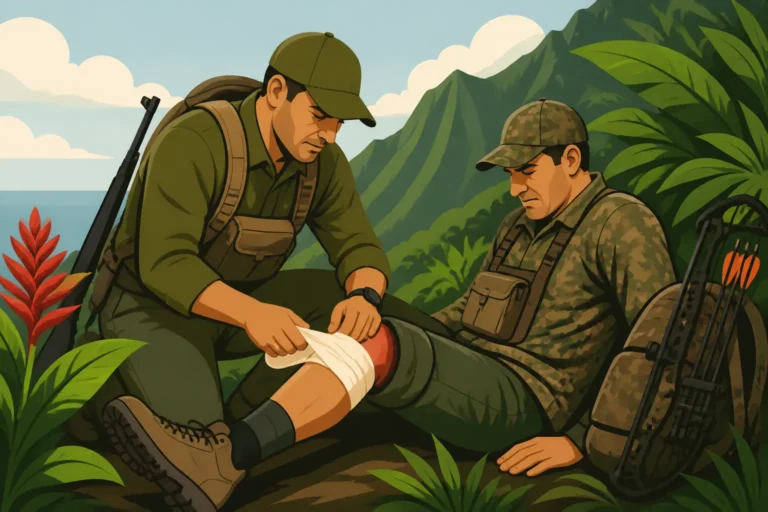
Think about it: hunting in Hawaii isn't like strolling through a park. You could be traversing rugged, uneven terrain – from sharp, broken lava fields on the Big Island to slippery, muddy rainforest floors on Maui. There are risks associated with firearms, archery equipment, the behavior of wild animals, and even the unpredictable weather patterns that can shift from sunny skies to torrential downpours in minutes. These waivers aren't designed to scare you away, but rather to ensure that everyone understands the potential dangers involved and that the outfitter has taken reasonable steps to mitigate their legal exposure should something unfortunate happen. It's a pragmatic part of the Hunting Guides and Outfitters in Hawaii experience.
Distinguishing Waivers from General Terms and Conditions
While a liability waiver is a critical component, it's often part of a larger agreement that includes general terms and conditions. The waiver specifically addresses the assumption of risk and release of liability, whereas the broader terms and conditions might cover things like payment schedules, cancellation policies, what's included in your hunt package, and ethical hunting practices. For instance, a waiver will state you understand falling on wet, slippery rocks is a risk you assume, while the terms and conditions might detail that you need to pay a non-refundable deposit to secure your spot.
It’s easy to gloss over these documents when you're eager to get out into the field, but taking the time to read them carefully is paramount. An outfitter might combine these into one comprehensive document, or they might present them as separate forms. Either way, understanding the difference helps you know what you're agreeing to. On a platform like BookYourHunt, while you might see general package details, the specific liability waiver will almost always be something you sign directly with the chosen outfitter.
The Legal Standing of Waivers in Hawaii
Hawaii, like other states, generally recognizes the enforceability of liability waivers, especially when they are clearly written, conspicuous, and signed voluntarily. However, it's not a blanket shield for outfitters to act negligently. A waiver won't typically protect an outfitter from gross negligence, willful misconduct, or actions that violate public policy. For example, if your guide intentionally put you in harm's way or failed to follow basic safety protocols that led to an injury, a waiver might not completely absolve them.
The courts look at several factors when evaluating a waiver's validity, such as whether the language is ambiguous, if the risks were clearly outlined, and if you had a reasonable opportunity to read and understand the document. This is why outfitters strive to make their waivers as clear and direct as possible. For you, the hunter, it means reading it thoroughly and asking questions if anything is unclear. This isn't about distrust; it's about mutual understanding before embarking on what could be a challenging Hunting Hawaii's Volcanic Terrain or Hunting Hawaii's Rainforest Units adventure.
Why Outfitters Require Waivers: Protecting Their Business in Paradise
Outfitters in Hawaii operate in a dynamic environment, blending the thrill of the hunt with the practicalities of business and the unique challenges of the islands. Requiring clients to sign a liability waiver isn't about being overly cautious; it's a fundamental business practice designed to protect them, their staff, and their operations from the inherent risks of guiding hunts. This layer of protection is as essential to their business as their hunting licenses and permits are to their legal operation.
Imagine running a business where clients are handling firearms, navigating treacherous landscapes, and interacting with powerful wild animals. The potential for accidents, even with the strictest safety measures in place, is ever-present. A waiver acts as a first line of defense, serving multiple purposes from a business perspective, from managing insurance costs to clearly defining responsibilities. When you're considering Booking a Hawaii Pig Hunt or an Axis deer expedition, recognize that this document is a standard part of the process, reflecting the realities of their work.
Managing Risk and Insurance Costs
Hunting guides and outfitters face significant liability risks. Even a minor accident, like a sprained ankle on a rocky trail or a mishap with equipment, can lead to substantial medical bills and potential lawsuits. Insurance premiums for businesses involved in high-risk activities like hunting can be incredibly expensive. By requiring clients to sign a liability waiver, outfitters demonstrate to their insurance providers that they are actively taking steps to inform clients of risks and manage potential claims. This proactive approach can help them secure more reasonable insurance rates, which in turn helps keep their overall operating costs – and therefore your hunt costs – from skyrocketing.
Without waivers, outfitters might struggle to find affordable insurance, or they might have to raise their prices significantly to cover the increased risk, making guided hunts less accessible. It’s a balancing act, and the waiver plays a crucial role in maintaining that balance. It’s part of the comprehensive approach to business that allows these operations to continue offering incredible Axis Deer Hunting in Hawaii experiences.
Clarity on Responsibilities and Expectations
Beyond legal protection, waivers serve to clearly define the responsibilities of both the outfitter and the hunter. The document explicitly states that while the outfitter will provide a safe environment to the best of their abilities, professional guidance, and well-maintained equipment (if included), the hunter also has a role to play. This includes following instructions, using equipment safely, and understanding that outdoor activities carry inherent risks that cannot be entirely eliminated.
This clarity helps manage expectations. If a hunter understands and acknowledges that a slip on a muddy trail is a possibility, they are less likely to claim surprise or negligence if it occurs. It frames the relationship in a realistic light, fostering a shared understanding of the adventure ahead. This is particularly important in Hawaii where terrain can be extremely challenging, from dense Still-Hunting Pigs in Hawaii's Wet Forest environments to exposed Hunting Hawaii's High Elevation Alpine Ground. Knowing your part in safety is key.
Legal Defense in Case of Injury
In the unfortunate event that a hunter does suffer an injury during a guided hunt, a signed liability waiver provides a strong legal defense for the outfitter. It serves as evidence that the hunter was fully aware of the risks involved and voluntarily chose to participate. While it doesn't guarantee an outfitter will win every lawsuit, it significantly strengthens their position by demonstrating informed consent.
It acts as a deterrent for frivolous lawsuits and helps resolve genuine accidents more smoothly by channeling discussions towards shared understanding rather than immediate blame. This allows outfitters to focus on what they do best – guiding safe, ethical, and successful hunts – rather than constantly battling legal challenges. This peace of mind is invaluable for any business owner, especially those operating in a specialized niche like Booking a Hawaii Mouflon Hunt.
What to Look For in a Hawaii Hunting Waiver: Key Clauses and Your Rights
When you're presented with a liability waiver for a Hawaii hunting trip, it's natural to feel a bit overwhelmed by the legal language. However, taking the time to understand the key clauses is crucial. Don't just sign without reading; this document significantly impacts your rights should an incident occur. Think of it as homework before the hunt. On sites like GoHunt, while you might research various outfitters, the waiver itself is where the rubber truly meets the road.
The goal isn't to be a legal expert, but to be an informed participant. Look for clarity, specificity, and ensure you understand what you're agreeing to. If anything seems unclear or too broad, don't hesitate to ask your outfitter for clarification. A reputable outfitter will be happy to explain their waiver and address your concerns, demonstrating their commitment to client understanding and safety. It's one of the Questions to Ask Before Booking that truly matters.
Common Clauses You'll Encounter
Most liability waivers, especially those for outdoor adventure activities like hunting, will contain several standard clauses. Knowing what these mean can help you process the information more effectively:
- Assumption of Risk: This is perhaps the most critical clause. It states that you acknowledge and accept the inherent risks associated with hunting, such as physical exertion, exposure to the elements, dangers from wildlife, and the use of hunting equipment. It’s essentially you saying, "I know hunting can be dangerous, and I choose to do it anyway."
- Release of Liability: This clause typically states that you agree not to sue the outfitter, their employees, or the landowners for injuries or damages that result from the inherent risks of the activity, even if those injuries are caused by the outfitter's ordinary negligence. Again, this doesn't usually cover gross negligence or intentional harm.
- Indemnification Clause: This is a step beyond releasing liability. It means you agree to protect the outfitter (and others) from financial loss if someone else sues them because of your actions during the hunt. For instance, if you cause property damage or injure another person, this clause might mean you'd be responsible for the outfitter's legal fees if they are brought into a lawsuit.
- Medical Treatment Authorization: Often, waivers will include a clause authorizing the outfitter to seek emergency medical treatment for you if you become incapacitated during the hunt and cannot make decisions for yourself. This is a practical and often life-saving provision.
- Governing Law: This clause specifies which state's laws will apply to the agreement (in this case, Hawaii). This is important for understanding how the waiver might be interpreted in court.
Here's a quick overview of what these clauses typically aim to do:
| Clause Type | What it Means for You | What it Means for the Outfitter |
|---|---|---|
| Assumption of Risk | You understand and accept hunting dangers (e.g., falling, wildlife encounters, equipment use). | You can't claim ignorance of the risks involved. |
| Release of Liability | You agree not to sue for injuries from typical hunting risks or ordinary negligence. | Reduces risk of lawsuits for common accidents. |
| Indemnification | You might be responsible for their legal costs if your actions cause them to be sued. | Provides financial protection if your actions lead to their liability. |
| Medical Authorization | They can arrange emergency care if you're unable to. | Enables swift action in emergencies, potentially saving lives. |
| Governing Law | Hawaii state laws will apply to any disputes related to the waiver. | Establishes legal jurisdiction for the agreement. |
Your Rights as a Signer
Even when signing a comprehensive waiver, you still retain certain fundamental rights. As mentioned, waivers generally do not protect against gross negligence, reckless behavior, or intentional harm. If an outfitter or guide acts with extreme disregard for your safety, or knowingly puts you in a dangerous situation beyond the inherent risks of hunting, the waiver may not hold up in court. This is why it's so important to pick a reputable and experienced guide, doing your due diligence by checking whether they are licensed and reading reviews. Checking Whether a Guide Is Licensed is a fundamental step you should take.
You also have the right to ask questions. Don't feel pressured to sign something you don't understand. If an outfitter is unwilling to explain their waiver or dismisses your concerns, that could be a significant Red Flags in an Outfitter's Website or business practice. It's better to walk away from a hunt than to proceed with a legal document you're uncomfortable with, especially when considering the significant What a Hawaii Guided Hunt Costs investment.
The Importance of Specificity
A good waiver will be specific about the activities covered and the risks involved. Vague language can sometimes lead to a waiver being deemed unenforceable. For a Hawaii hunt, this means explicitly mentioning risks like traversing volcanic rock, encountering dense vegetation, dealing with hot and humid conditions, or the specific dangers associated with Dog and Knife Pig Hunting in Hawaii. The more specific the language, the clearer it is that you understood the particular dangers of your chosen adventure.
If you read a waiver that seems overly generic and doesn't reflect the unique challenges of hunting in Hawaii, it's worth noting. While it might still be legally sound, clear and specific language is always preferable for both parties. It helps avoid misunderstandings down the line and ensures everyone is on the same page about the real conditions in the field.
Navigating the Waiver Process and What Happens If You Don't Sign
So, you've reviewed the waiver, asked your questions, and feel informed. What's next in the process, and what are the implications if you decide not to sign? This final stage is crucial before your boots hit the trail in search of Hawaii's Feral Pigs, Island by Island or Mouflon Sheep on Hawaii's Volcanoes.
Understanding the practicalities of signing and the consequences of refusal will ensure you proceed with confidence and clarity, whether you're planning for Hunting Lanai's Drawn Axis Deer Weekends or a private ranch hunt.
When and How Waivers Are Presented
Outfitters typically present waivers at different stages of the booking process. Some might send it to you via email or through an online portal (like GoHunt often facilitates for digital agreements) well in advance of your trip. This is generally the preferred method, as it gives you ample time to read, understand, and seek clarification without feeling rushed. Others might present it to you upon arrival at the hunting unit or lodge, right before the hunt begins.
While signing upon arrival is common, it's less ideal, as you might feel pressure to sign quickly to avoid delaying the start of your long-anticipated adventure. If you receive it in advance, take that opportunity. Read it through thoroughly, discuss it with your outfitter if needed, and make sure you're comfortable with every clause. This proactive approach can help you avoid any last-minute surprises or discomfort. Platforms like BookYourHunt usually ensure that these details are ironed out well before you board your flight for Traveling to Hawaii for a Hunt.
Electronic Signatures vs. Wet Signatures
In today's digital age, many outfitters utilize electronic signature platforms. These are generally legally binding, just like a traditional "wet signature" on paper, as long as they comply with applicable laws regarding electronic transactions. When signing electronically, ensure you receive a copy for your records. If presented with a paper document, read it, sign it, and ask for a physical or digital copy before you leave.
Keeping a copy of the signed waiver is good practice for your own records. It serves as proof of what you agreed to and can be a useful reference point if any questions arise later on. This is part of being an organized and prepared hunter, ready for any eventuality in the field.
What Happens If You Refuse to Sign
This is straightforward: if you refuse to sign a liability waiver, the outfitter will almost certainly refuse to allow you to participate in the hunt. For them, it's a non-negotiable part of doing business. Without that legal protection, they open themselves up to unacceptable levels of risk, potentially jeopardizing their business, their guides, and their ability to secure insurance.
While it might be disappointing to travel all the way to Hawaii and then be turned away, an outfitter cannot make exceptions to this policy. Their insurance often mandates that all participants sign a waiver. It's not personal; it's business and risk management. If you have significant concerns about a waiver's terms, your best course of action is to address those concerns before you book and certainly before you travel to the islands. If you cannot reach an understanding that satisfies both parties, then it's likely that particular hunt won't be a good fit for you. Hawaii Guide Insurance and Liability is a big deal for outfitters, and waivers are key to that.
Ultimately, signing a liability waiver is a standard and necessary part of embarking on a guided hunting trip in Hawaii. It's about informed consent, recognizing the inherent risks, and protecting the businesses that work hard to provide these incredible opportunities. By understanding what you're signing, you can proceed with confidence, focusing on the amazing adventure that awaits you in the islands.
Disclaimer
This article is for general informational purposes only and does not constitute professional advice. Laws, prices and regulations vary by location and change over time. Consult a qualified professional for guidance on your specific situation.