Hawaii Guide Insurance and Liability
The allure of a Hawaii hunting adventure is undeniable – the unique game, the stunning landscapes, and the thrill of the chase. However, beneath the excitement of planning such a trip lies a critical, often overlooked aspect: understanding the guide's insurance and your own liability. This guide will walk you through the essential considerations to ensure your Hawaiian hunting experience is not only memorable but also safe and secure from a legal and financial standpoint.
Understanding the Legal Landscape of Guided Hunts in Hawaii
Hunting with a professional guide in Hawaii offers incredible advantages, especially for those unfamiliar with the islands' challenging terrain and specific hunting regulations. But when you engage a guide, you're entering a professional service agreement that comes with inherent risks and legal responsibilities for both parties. It’s crucial to recognize that while a guide is there to facilitate your hunt, they are not absolved of all accountability, nor are you.
Professional Standards and Licensing for Hawaii Guides
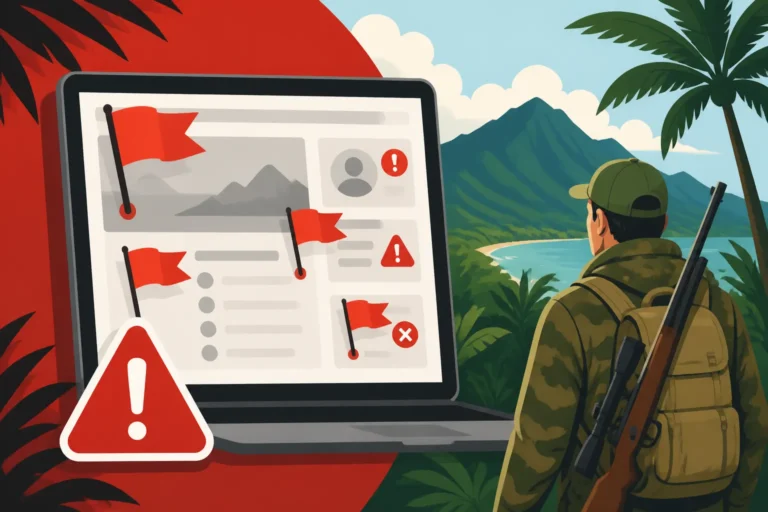
In Hawaii, like many other places, guides are expected to operate under certain professional standards. This often includes having the necessary business licenses and permits to operate legally within the state and within specific hunting units. While the state's Department of Land and Natural Resources (DLNR) division of Forestry and Wildlife (DOFAW) manages hunting seasons, permits, and access, the licensing of guides themselves can involve other state or county business regulations. A guide who isn't properly licensed may not be able to obtain commercial insurance, which immediately raises a red flag regarding their legitimacy and your protection.
A truly professional guide will be transparent about their credentials. They should be able to demonstrate their familiarity with Hawaii Hunter Education Requirements and all local regulations. Don't be shy about asking for proof of business registration or any special permits they might need to operate on public lands or specific private ranches. This isn't about distrust; it's about safeguarding your investment and your safety. Just as you wouldn't get into a car with an unlicensed driver, you shouldn't head into the dense Hawaiian jungle or up a steep volcanic slope with an unregulated guide.
The Concept of Negligence in Guided Hunts
Even with waivers signed and precautions taken, situations can arise where a guide's actions (or inactions) could lead to an incident. This is where the concept of negligence comes into play. Negligence generally refers to a failure to exercise the care that a reasonably prudent person would exercise in similar circumstances. For a hunting guide, this could mean leading clients into an obviously unsafe area without proper warning, failing to maintain equipment (like a vehicle or a boat used for access), or providing incorrect safety instructions that directly result in harm.
It's important to understand that a liability waiver typically covers inherent risks associated with hunting, not necessarily risks caused by a guide's gross negligence or reckless behavior. If a guide knowingly puts clients in a dangerous situation or ignores obvious hazards that result in injury, a waiver might not protect them in court. This is a complex legal area, and specific outcomes depend heavily on the facts of the case, state laws, and the exact wording of any agreements signed. Always keep a clear head and be aware of your surroundings, even with an experienced guide leading the way.
Types of Insurance Coverage a Reputable Hawaii Guide Should Carry
When you're entrusting your safety and hunting success to a guide in Hawaii, their insurance coverage is your unseen safety net. It's not a luxury; it's a fundamental aspect of their professional operation. Just like you'd ensure your car has adequate coverage, you should expect the same level of responsibility from anyone guiding you into potentially hazardous environments.
General Liability Insurance
General liability insurance is the cornerstone of coverage for any business, including hunting guide services. This type of policy typically covers bodily injury, property damage, and personal injury claims that might arise during the course of their operations. For a hunting guide, this could mean if a client slips and falls on a wet trail due to the guide's failure to point out a clear hazard, or if a guide's vehicle accidentally damages a landowner's fence during a hunt.
It's about covering those "oops" moments that can happen even with the best intentions. A guide with robust general liability insurance demonstrates a commitment to professional standards and financial responsibility. While it won't prevent an accident from happening, it ensures that there's a mechanism in place to address the financial consequences if a covered incident occurs, providing peace of mind for both the guide and their clients. Without it, any claim could fall directly on the guide's personal assets or, by extension, leave you with no recourse.
Professional Liability (Errors and Omissions) Insurance
While less common for traditional hunting guides than general liability, professional liability insurance, also known as Errors and Omissions (E&O) insurance, can be relevant in certain scenarios. This type of policy protects against claims of negligence or mistakes in the professional services provided. For a hunting guide, this might come into play if a guide offers explicit advice that is proven to be incorrect and directly leads to a significant loss for the client, beyond physical injury or property damage.
For instance, if a guide mistakenly advises a client on a specific regulation, like Hawaii's Legal Weapons by Season, and that incorrect advice leads to a legal infraction for the hunter, E&O might offer some protection. While general liability covers physical incidents, E&O covers the advice or service itself. It's an extra layer of protection, particularly valuable if the guide also acts as a consultant or offers highly specialized, technical advice. In most cases, general liability is the primary concern, but E&O could be a bonus for some.
Worker's Compensation for Employees
Many hunting operations are small, often run by a single owner-operator. However, if a guide service employs other guides, trackers, or camp staff, they should carry worker's compensation insurance. This is mandated by law in most places and provides benefits to employees who suffer job-related injuries or illnesses. While this doesn't directly cover the client, it's an indicator of a professionally run business that adheres to legal requirements.
Knowing that a guide service has worker's comp for their staff indirectly signals a more responsible operation. It means they're thinking about the well-being of their team, which often translates to a greater emphasis on overall safety protocols. It also means that if one of their employees is injured while assisting your hunt, that employee won't be looking to you or the outfitter's general liability for coverage, thus potentially keeping the outfitter's primary policy capacity available for client-related incidents.
What a Liability Waiver Means for Hunters in Hawaii
You've probably signed dozens of liability waivers in your life, from gym memberships to renting a kayak. But when it comes to hunting in Hawaii, especially in remote or challenging terrain, understanding the true implications of that piece of paper is paramount. It’s not just a formality; it's a legal document designed to manage risk.
Acknowledging Inherent Risks
The primary purpose of a liability waiver is for the participant (you, the hunter) to acknowledge and accept the inherent risks associated with the activity. Hunting, by its very nature, involves risks. You're in wild country, often navigating uneven terrain, encountering wild animals, and using firearms or archery equipment. In Hawaii, this can mean slippery rainforest trails, razor-sharp lava fields, steep gulches, and unpredictable weather shifts. Hunting Hawaii's Volcanic Terrain or Hunting Pigs in Hawaii's Rainforest Gulches definitely comes with a unique set of challenges.
By signing the waiver, you're stating that you understand these risks, you've chosen to participate anyway, and you won't hold the guide responsible if something goes wrong due to these inherent, unavoidable aspects of the hunt. This includes things like twisting an ankle on an unseen root, getting scratched by kiawe thorns, or even a sudden encounter with a wild pig. The waiver tries to delineate what risks you're taking on yourself versus what the guide is still responsible for.
Limits of a Liability Waiver
While waivers are powerful tools for outfitters, they are not bulletproof shields against all claims. As mentioned earlier, a waiver generally does not protect a guide from claims of gross negligence, reckless misconduct, or intentional harm. If a guide acts with a blatant disregard for safety, or knowingly puts clients in undue peril that falls outside the scope of inherent hunting risks, the waiver may be challenged in court.
For example, if a guide insists you cross a raging, swollen river that is clearly unsafe, and you get injured as a result, a court might find that action constituted gross negligence, making the waiver moot. Similarly, if a guide provides faulty equipment they knew was defective, and it causes an accident, the waiver might not hold up. It's always best to read any waiver carefully and ask questions if you don't understand specific clauses before you put your signature on it. Don't be pressured into signing something you're uncomfortable with, especially if you feel the guide is being evasive.
What to Look For in a Waiver Agreement
When you're presented with a liability waiver for a Hawaii hunt, take a moment to review it thoroughly. Look for clear language that defines the scope of the activity and the risks involved. It should outline what you are agreeing to, and what protections (if any) are explicitly not covered. Some waivers might also include clauses about medical treatment consent in case of an emergency, or agreements about how disputes will be resolved.
Pay attention to clauses that might require you to waive rights beyond personal injury, such as property damage to your gear or even responsibility for your own actions if they lead to an incident. A well-drafted waiver will be transparent and reasonable, seeking to protect the guide from frivolous lawsuits while still upholding their professional responsibilities. If anything feels overly broad or unfair, it's worth discussing with the outfitter or even seeking legal advice if you're undertaking a very high-risk adventure or making a significant financial commitment. This is part of doing your due diligence before Signing an Outfitter Liability Waiver.
Due Diligence: How to Vet a Hawaii Guide's Safety Practices
Booking a hunt is exciting, and it's easy to get swept up in the dream of chasing a big axis buck or a tough feral pig. But before you commit your hard-earned money and precious vacation time, taking steps to vet your potential guide's safety practices and professional standing is crucial. It’s about being proactive, not reactive, when it comes to your safety and investment.
Asking the Right Questions About Insurance
This is perhaps the most direct way to assess a guide's commitment to safety and professionalism. When you speak with a prospective guide or outfitter, don't hesitate to ask directly about their insurance coverage. You want to know:
- Do they carry general liability insurance?
- What are their coverage limits?
- Can they provide proof of insurance, such as a certificate of insurance (COI)?
- Are there any exclusions in their policy that might affect your hunt?
A reputable guide will not only have this information readily available but will be happy to share it with you. They understand that it’s a legitimate concern for clients. If a guide seems evasive, gets defensive, or outright tells you they don't carry insurance, consider that a major red flag. While some very small, informal operations might try to operate without it, it puts you at significant personal risk if an accident occurs. Platforms like BookYourHunt or GoHunt might list guides, but it’s up to you to verify these critical details directly. Don't just rely on a listing; make the call. This is part of Questions to Ask Before Booking.
Checking References and Online Reviews
Beyond direct questions, one of the best ways to gauge a guide's reliability and safety record is through past clients. Ask for references and actually follow up with them. When speaking with references, ask specific questions about their experience, focusing on safety protocols, how the guide handled unexpected situations, and overall professionalism. Did they feel safe and well-informed throughout the hunt? Were safety briefings thorough?
Also, check online reviews on various platforms. While a few negative reviews aren't necessarily disqualifying, look for patterns. Multiple complaints about unsafe practices, disregard for regulations, or poor communication regarding risks should give you pause. A guide who consistently receives high praise for their safety consciousness and responsible guiding practices is a strong candidate. This also extends to how they handle meat care in Hawaii's challenging climate, making sure they plan for Field Dressing Axis Deer in Hawaii Heat or Cooling Meat Fast on a Hawaii Hunt, which, while not direct safety, speaks to their overall preparedness and professionalism.
Assessing the Guide's Professionalism and Preparedness
From your initial communications to how they discuss the details of the hunt, observe a guide's overall professionalism. Do they clearly communicate expectations? Are they knowledgeable about Hawaii Game Mammal Seasons and local unit rules? Do they discuss necessary gear like appropriate footwear for Walking Rough Lava Without Wrecking Your Boots or essential Rain Gear for a Windward Hawaii Hunt? These are all indicators of a guide who takes their craft seriously.
Furthermore, inquire about their emergency preparedness. What's their plan if someone gets injured miles deep in the backcountry with no cell service? Do they carry a satellite communication device? Do they have first aid training? A guide should have a clear, rehearsed plan for Emergency Plans on a Remote Hawaii Hunt. Their ability to articulate these details confidently reflects their experience and foresight, both of which are critical for a safe hunt in Hawaii's challenging environment.
What Happens When Things Go Wrong: Accident Procedures and Reporting
Even with the most experienced guides and the most meticulous planning, accidents can happen. When you're in the remote, wild landscapes of Hawaii, knowing the steps to take immediately after an incident can be crucial for the safety of all involved and for any potential legal or insurance claims that may follow.
Immediate Steps After an Accident
The first priority after any accident is always safety and medical attention. Assess the situation:
- Ensure immediate safety: Is the area safe? Are there any ongoing hazards?
- Administer first aid: If you or someone else is injured, provide immediate first aid within your capabilities. A good guide will always carry a comprehensive first-aid kit and have some level of medical training.
- Contact emergency services: If the injury is serious, severe, or life-threatening, the guide should immediately use whatever communication tools they have (satellite phone, inReach, cell service if available) to contact 911 or local emergency responders. Given the remote nature of many Hawaii hunting units, this can take time.
- Secure the scene: If possible, and without endangering anyone further, secure the area to prevent additional injury or disturbance that might affect later investigations.
- Document: Once immediate safety and medical needs are addressed, start documenting everything. This includes photos, notes on time and location, weather conditions, and a brief description of what happened.
Remember, clear communication between the hunter and guide is paramount during an emergency. Your guide should be leading this process, but as a client, you also have a role in assisting where possible and observing procedures.
Reporting Requirements for Hunting Incidents
In Hawaii, certain incidents may need to be reported to the state's Department of Land and Natural Resources (DOFAW). This typically includes hunting accidents involving firearms or archery equipment, especially if they result in injury or property damage. Your guide should be well aware of these reporting requirements and facilitate the process.
It’s not just about compliance; official reports can be vital for insurance claims and any subsequent legal proceedings. A guide who understands their reporting obligations and handles them promptly and correctly shows professionalism. You, as the hunter, should also be prepared to cooperate fully with any investigations by DOFAW or law enforcement, providing accurate and truthful accounts of what occurred. This is a far cry from simply Checking In and Out of Hawaii Hunting Units, it's about significant incident protocols.
Documentation and Record Keeping
After an incident, thorough documentation is your best friend. This includes:
- Photos and videos: Capture the scene, injuries, equipment involved, and environmental conditions.
- Witness statements: If there were other hunters or individuals present, gather their contact information and brief statements.
- Medical records: Keep copies of any medical treatment received.
- Communication logs: Document all communications with the guide, emergency services, and authorities.
- The hunting agreement and waiver: Keep your copy of the signed hunting agreement and liability waiver.
This comprehensive record will be invaluable if you need to file an insurance claim, pursue legal action against the guide (or vice-versa), or defend yourself against any accusations. It ensures that memories don't fade and facts are preserved accurately, protecting everyone involved.
Navigating the Aftermath: Legal Considerations for Incident Resolution
If an accident occurs on a guided hunt in Hawaii, the immediate aftermath can be a whirlwind of concern for injuries and safety. However, once the dust settles, the legal and financial implications can begin to surface. Understanding these aspects can help you navigate what can be a very stressful period.
Insurance Claims and Coverage Limits
If you're injured or your property is damaged during a guided hunt, your first step will likely be to file an insurance claim. This is where the guide's liability insurance becomes critical. You or your legal representative would contact the guide's insurance provider to initiate a claim. The insurance company will then investigate the incident to determine coverage and liability based on the policy terms, the circumstances of the accident, and any signed waivers.
It's important to remember that insurance policies have coverage limits. If damages exceed these limits, the guide might be personally liable for the remainder, or you might need to seek compensation through other avenues. This is why asking about coverage limits beforehand is so important. A guide carrying adequate insurance demonstrates foresight, aiming to protect both themselves and their clients financially should a serious incident occur.
Mediate or Litigate: Options for Dispute Resolution
Should a dispute arise regarding an incident, you typically have a few avenues for resolution.
- Direct Negotiation: Often, the first step is direct communication with the guide and their insurance company to reach a settlement.
- Mediation: If direct negotiation fails, mediation can be a less formal and less expensive option. A neutral third party helps both sides communicate and find a mutually agreeable solution. This is often preferred to avoid lengthy court battles.
- Arbitration: Some waivers may include a mandatory arbitration clause, meaning disputes must be resolved through an arbitrator whose decision may be binding. This is a more formal process than mediation but still typically less so than litigation.
- Litigation: As a last resort, if all other options fail, you might pursue legal action through the courts. This is generally the most expensive, time-consuming, and emotionally draining option, but it can be necessary in cases of severe injury, significant financial loss, or clear negligence.
The best approach depends on the severity of the incident, the nature of the dispute, and the willingness of both parties to compromise. Seeking legal advice early can help you understand your rights and options, particularly if the stakes are high.
Your Role as a Responsible Hunter
While much of this discussion focuses on the guide's responsibilities, it's crucial to remember your own role as a responsible hunter. This includes:
- Adhering to all regulations: Know and follow Hawaii's Weekend and Holiday Hunting Rules, Hawaii's Legal Weapons by Season, and all other state and unit-specific rules.
- Following guide instructions: Listen carefully to your guide's directions and safety briefings. If you disagree or feel unsafe, communicate that immediately.
- Exercising personal safety: Don't take unnecessary risks. Use common sense, stay aware of your surroundings, and don't push your physical limits beyond what's safe.
- Being prepared: Ensure you have appropriate gear, water, and knowledge of What to Pack for a Hawaii Hunt.
Your conduct significantly impacts your safety and can influence liability in the event of an accident. Being a responsible and prepared hunter contributes to a safer experience for everyone, making it less likely that legal and insurance complexities will even arise.
| Aspect of Responsibility | Hunter's Role | Guide's Role |
|---|---|---|
| Safety | Follow instructions, exercise caution, stay alert | Provide safety briefings, assess risks, lead safely |
| Regulations | Know and adhere to all hunting laws and unit rules | Inform clients, ensure compliance, possess licenses |
| Equipment | Bring appropriate, functioning personal gear | Provide safe, well-maintained shared equipment |
| Communication | Express concerns, report issues, ask questions | Clear instructions, answer questions, respond to concerns |
| Waiver | Read, understand, and sign voluntarily | Present clearly, explain implications, retain records |
| Emergency | Cooperate, administer self-aid if trained, follow plan | Lead response, contact emergency services, first aid |
| Documentation | Note observations, take photos, retain records | Complete incident reports, assist with documentation |
Disclaimer
This article is for general informational purposes only and does not constitute professional advice. Laws, prices and regulations vary by location and change over time. Consult a qualified professional for guidance on your specific situation.