Cultural Etiquette on a Hawaii Hunt
When you come to Hawaii to hunt, it's easy to get caught up in the excitement of stalking Axis deer or chasing pigs through the rainforest. But what many visiting hunters, and even some residents, don't always realize is that hunting here isn't just about licenses and regulations; it's deeply interwoven with a rich cultural fabric. Misunderstanding or overlooking these nuances can lead to unintentional disrespect. This guide will help you navigate the unique cultural etiquette of hunting in Hawaii, ensuring your experience is both successful and respectful of the 'aina (land) and its people.
Understanding the Unique Cultural Landscape of Hawaii Hunting
Hawaii's relationship with its land and resources is complex, shaped by centuries of indigenous practices, colonial history, and modern conservation efforts. Hunting, particularly of introduced species, sits right at the heart of many of these discussions. To truly appreciate hunting here, you need to grasp this deeper context.
The Concept of Aloha Aina (Love for the Land)
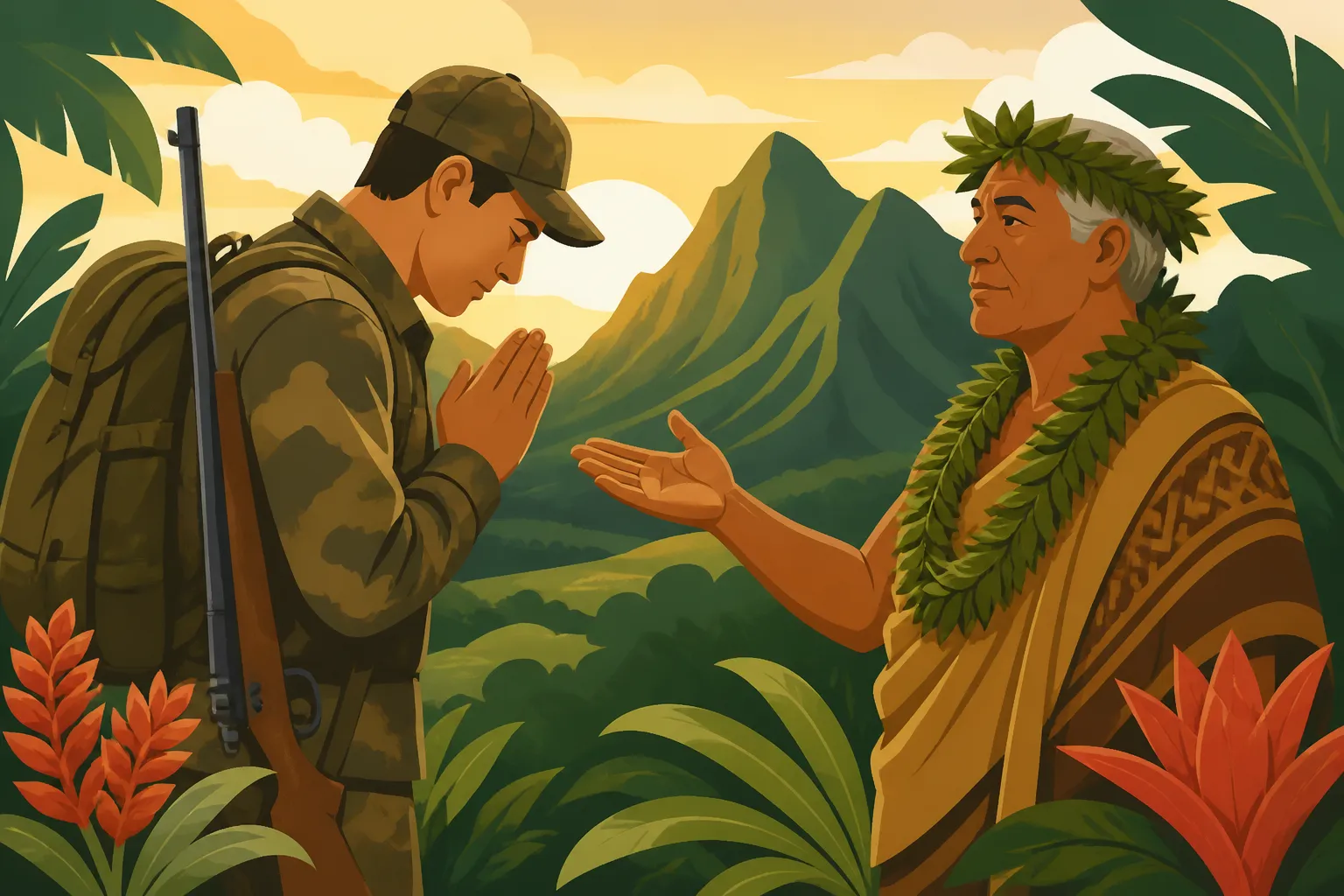
"Aloha 'Aina" is far more than just "love for the land." It encapsulates a profound sense of stewardship, responsibility, and interconnectedness. For many Native Hawaiians and long-time residents, the land is family, a provider, and a spiritual entity. This perspective means that any interaction with the land, including hunting, carries significant weight. It's not just about taking an animal; it's about participating in the health of the ecosystem, understanding the flow of resources, and giving back. When you're out in the field, moving through a Kiawe flat on Molokai or climbing a steep gulch on the Big Island, try to internalize this sense of reverence. Your actions, from how you dispose of waste to how you treat the animal you harvest, are seen through this lens of 'aloha 'aina. It's about respecting the entire cycle, not just the thrill of the chase.
This deep respect for the land often extends to its natural features. Ancient trails, rock formations, and even certain trees might hold historical or spiritual significance. While most public hunting areas are well-marked for general use, encountering signs of past habitation or sacred sites is always a possibility. Knowing this ahead of time, and proceeding with a sense of humility and caution, is part of demonstrating true 'aloha 'aina. It's about recognizing that you are a visitor, even on public land, and that the land has a history and a spirit that predates your hunt.
The Role of Introduced Species in the Ecosystem
Almost every game animal you'll hunt in Hawaii – Axis deer, feral pigs, mouflon sheep, goats, and most game birds – are introduced species. While hunters often view their pursuit as a form of conservation, helping to control populations that can devastate native forests and agricultural lands, the cultural perspective can be more nuanced. Many introduced species, particularly pigs, have also become deeply integrated into local subsistence practices and cultural identity for generations. Why Every Hawaii Game Animal Was Introduced is a topic that really dives into this history.
For instance, feral pigs, while ecologically damaging in many native ecosystems, are also a traditional food source and are often hunted with specific cultural practices, sometimes using dogs and knives. The act of "pig hunting" often transcends mere sport; it's a way of life, a family tradition, and a critical means of providing food for lu'au and community gatherings. So, while you might be targeting pigs to help protect endangered plants, a local hunter might be doing the same to put food on their table and maintain a cultural practice. Understanding this dual perspective is crucial. It means not just seeing pigs as "pests" but also as creatures that, for better or worse, have become part of the island's human-ecological story. It is not uncommon for local families to rely on these animals for subsistence.
Historical Context of Hunting in Hawaii
Hunting in Hawaii has a rich, albeit evolving, history. Prior to Western contact, Native Hawaiians hunted native birds and some small mammals, though large game as we know it today was non-existent. The introduction of pigs by early Polynesian settlers, and later goats, cattle, and sheep by Europeans, created new dynamics. Hunting feral animals became a necessity for sustenance and, over time, a recreational pursuit. The methods, tools, and even the social structure around hunting evolved, incorporating both traditional Hawaiian practices and influences from various immigrant groups who came to the islands.
This means that today's hunting landscape is a blend of old and new. You'll find hunters using high-tech rifles alongside those who still prefer traditional archery or dog-and-knife methods for Hunting Hawaii's Feral Pigs. Government regulations for Hawaii's Legal Weapons by Season often reflect these diverse approaches. When you check into a public hunting unit or apply for a special permit, you're stepping into a system that has tried to balance these various traditions, economic impacts, and ecological concerns. It's not a static picture but a living, breathing set of practices that continues to adapt. Being aware of this history allows you to approach your hunt with greater appreciation for the layers of meaning and practice that exist.
Respecting the Land and Its Resources: Malama Aina
The concept of "Malama 'Aina" (to care for the land) is paramount in Hawaii. It’s a call to action, urging everyone to protect and nurture the environment. For hunters, this translates into a profound responsibility to tread lightly and leave the land better than you found it.
Leave No Trace, Take Only What You Need
This principle is probably the most universally understood aspect of outdoor etiquette, but in Hawaii, it takes on added significance due to the islands' fragile ecosystems. When you're packing your gear for a hunt in the wet forest or climbing out into the dry country, think about everything you bring in. Every wrapper, every spent casing, every piece of trash must come out with you. This isn't just about keeping the land clean for aesthetics; it's about preventing the introduction of foreign materials that can harm native species or degrade sensitive habitats.
Furthermore, "take only what you need" applies directly to the harvest. Hawaii's bag limits exist for a reason, but beyond the legal minimums, consider the spirit of the hunt. Are you hunting for meat, for a trophy, or for the experience? Respect the animal you harvest and utilize as much of it as possible. Waste is generally frowned upon, particularly in a culture that traditionally revered every part of an animal taken for sustenance. Efficient Field Care in Hawaii's Heat and Humidity is not just practical, but also a sign of respect for the animal and its meat. Make sure your planning considers how you will transport and cool your harvest, especially if you're Packing Meat Out of a Hawaii Gulch.
Understanding Public vs. Private Land Sensitivities
While you might be hunting on a public unit managed by the Department of Land and Natural Resources (DLNR), the boundaries between public and private land can sometimes feel fluid, especially in more rural areas. Always double-check your maps and be absolutely certain of your location. Using tools like mapping apps can be invaluable here. Trespassing, even accidentally, is a serious offense and a major source of friction with local landowners. Getting Onto Hawaii Private Land requires explicit permission, often in writing, and sometimes involves specific fees or agreements.
Even on public land, proximity to private residences, farms, or ranches demands extra caution and courtesy. Imagine you're hunting pigs near a taro patch – a traditional Hawaiian crop. While it might be an active area for game, respecting the farmer's livelihood and the peace of their home is paramount. Avoid creating noise disturbances, respect any posted signs, and always give private property a wide berth. The goodwill of locals is invaluable, and demonstrating respect for all property, public or private, helps maintain positive relations for all hunters.
Avoiding Sacred Sites and Cultural Practices
Hawaii is dotted with historical and spiritual sites, some clearly marked, others less so. These can range from ancient heiau (temples) and petroglyph fields to burial grounds or areas historically significant to specific families or communities. While most hunting areas are far from prominent tourist attractions, always be mindful of your surroundings. If you encounter any rock structures, platforms, or other unusual formations, especially those that look old or carefully arranged, assume they might have cultural significance and avoid disturbing them.
Similarly, be aware that certain areas may be used by local practitioners for traditional ceremonies or resource gathering. These activities often occur without fanfare or signage. If you see signs of recent human activity that doesn't seem related to hunting (like offerings, specific plant clearings, or unusual rock piles), it's best to quietly give that area a wide berth. When planning your trip, consider checking resources like BookYourHunt for guides who specifically mention their respect for local traditions, or consult with the local DOFAW office for any known sensitive areas within your chosen unit. It's about being aware and proactive in your respect.
Interacting with Local Hunters and Communities: Kama'aina Spirit
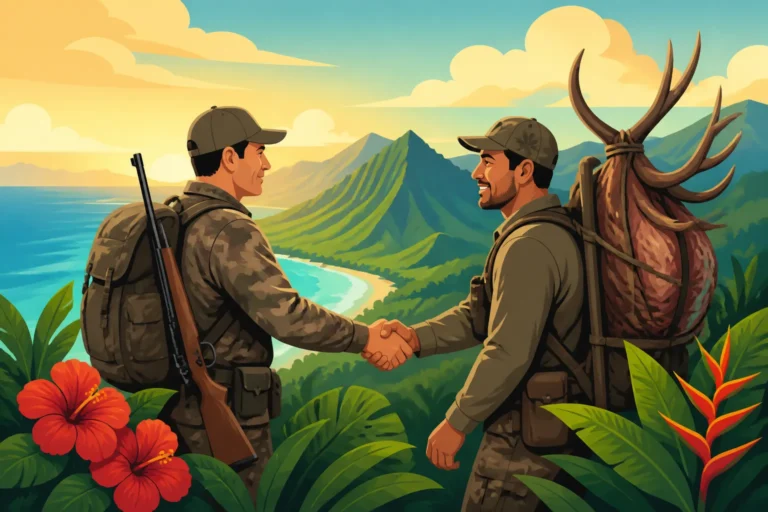
Beyond respecting the land itself, demonstrating respect for the people who call Hawaii home, particularly local hunters, is vital. This means adopting a "Kama'aina" (local resident) spirit of humility, generosity, and community.
The Importance of Humility and Asking Questions
When you're new to a Hawaii hunting unit, whether it's the rough lava fields of Mauna Kea or the thick jungle of the Big Island, it's wise to approach local hunters with humility. They often possess generations of knowledge about the land, animal behavior, and the intricacies of a particular area that no map or online article can fully convey. Instead of asserting your mainland experience, try listening and asking open-ended questions. "What do you think is the best way to get down into this gulch?" or "Have you seen much pig sign in this area recently?" can open doors to valuable insights and friendly conversations.
Local hunters are often very generous with their knowledge once they sense genuine respect. They might share tips on where animals water in dry country, how thermals shift in a particular valley, or even details about Hunting Hawaii's Kipuka Islands of Forest. Don't be afraid to admit what you don't know. This humility fosters trust and can transform a solitary hunt into a richer, more communal experience. Remember, even if you found a guide through platforms like BookYourHunt or researched extensively on GoHunt, local knowledge from casual encounters can be incredibly insightful and make your hunt more successful and enjoyable.
Sharing the Harvest and Building Relationships
While not always practical for every hunter, the tradition of sharing the harvest is deeply ingrained in Hawaiian culture. If you have a successful hunt and find yourself with more meat than you can reasonably process or transport, consider offering some to local families or fellow hunters you've encountered. This gesture can build immense goodwill and strengthen community ties. It’s a way of saying "mahalo" (thank you) for the opportunity to hunt on their islands and participate in their traditions.
This doesn't mean you have to track down strangers to offer them venison, but if you've been talking with someone at the check-in station or a local who helped you out, a small offer of meat can be a powerful symbol of appreciation and respect. It's an unspoken agreement that fosters a sense of collective responsibility and shared bounty, echoing ancient practices where resources were distributed throughout the community.
Respecting Local Knowledge and Traditions
Hawaii has diverse hunting traditions, from the aforementioned dog-and-knife pig hunting to specialized techniques for Spot-and-Stalk Axis Deer in Hawaii. While you might be accustomed to a particular hunting style from the mainland, observe and respect the local methods you encounter. Don't criticize or dismiss techniques that differ from your own. For example, if you see a group of hunters with bay dogs and catch dogs, understand that this is a deeply traditional and often very effective way of hunting pigs here. Dog and Knife Pig Hunting in Hawaii is a whole art form.
Local hunters also have specific ways of reading the land, understanding weather patterns like the trade winds, and even interpreting animal sign that might be unique to the islands. Listening to their stories and observations not only broadens your own hunting knowledge but also shows respect for their heritage and connection to the land. This reverence for place-based knowledge is a cornerstone of Hawaiian culture.
Navigating Practicalities with Cultural Awareness
Even the mundane aspects of hunting in Hawaii, from navigating regulations to supporting businesses, can be approached with cultural sensitivity.
Language and Communication Nuances
While English is widely spoken, you'll hear Hawaiian words and phrases used commonly, especially in connection with the land, weather, and local life. Making an effort to learn a few basic Hawaiian terms – like 'aloha (hello/goodbye/love), mahalo (thank you), 'aina (land), and kama'aina (local resident) – can go a long way. Even a simple "Mahalo" to a ranger at a check-in station or a fellow hunter shows you're making an effort to connect with the local culture.
When communicating, remember that indirect communication is sometimes preferred over direct confrontation. If you have a question or concern, approach it politely and with patience. Avoid aggressive or demanding tones, which can be perceived as disrespectful. A calm, respectful demeanor will open more doors and lead to more positive interactions than an impatient or demanding one.
Navigating Check-in Stations and Regulations Respectfully
The process of checking in and out of Hawaii hunting units can sometimes feel like a bit of a bureaucratic hurdle, but it's essential. Each island and even specific units can have unique rules, and the wardens and staff at check stations are there to ensure compliance and safety. Checking In and Out of Hawaii Hunting Units is a non-negotiable part of the process. Approach these interactions with patience and respect. Have your Hawaii Hunting Licenses and What They Cost and any required permit-tags ready.
Ask questions clearly if you're unsure about a rule, rather than trying to bend it. These regulations are in place for the safety of all hunters, the conservation of resources, and often to mitigate conflicts between user groups. Remember that the staff are doing their jobs, and a positive attitude from hunters makes everyone's day better. It's not just about following the letter of the law, but respecting the authority and the system designed to manage these shared resources. Online resources like GoHunt can help you prepare for these regulations, but nothing beats courteous interaction with the on-the-ground staff.
Supporting Local Businesses and Guides
If you choose to hire a guide or outfitter for your Hawaii hunt, selecting a local operation can be a great way to support the community and ensure your experience is culturally informed. Hunting Guides and Outfitters in Hawaii vary widely, so do your research. Look for guides who emphasize sustainable practices, respect for the land, and connections to the local community. Platforms like BookYourHunt might offer options, but always look for reviews or direct communication that highlights their local roots and ethical approach.
Beyond guides, consider supporting local small businesses for your supplies, meals, or accommodations. Buying your snacks from a local store, fueling up at a local gas station, or eating at a family-run restaurant contributes directly to the Hawaiian economy and shows your appreciation for the local community that hosts your hunt. This conscious choice to "buy local" further cements your respectful presence on the islands.
Key Hawaiian Terms for Hunters
| Term | Pronunciation | Meaning (in hunting context) |
|---|---|---|
Aloha |
Ah-LOH-hah | Hello, goodbye, love; embodies respect, compassion, and peace. |
Mahalo |
Mah-HAH-loh | Thank you; a simple yet powerful expression of gratitude. |
'Aina |
Ah-EE-nah | Land; refers to the deep spiritual and physical connection to the earth. |
Kama'aina |
Kah-mah-EYE-nah | Local resident; someone with a deep connection and familiarity with Hawaii. |
Malama 'Aina |
Mah-LAH-mah Ah-EE-nah | To care for the land; stewardship and protection of natural resources. |
Pono |
POH-noh | Righteousness, balance, harmony; acting in a just and correct way. |
Kuleana |
Koo-lee-AH-nah | Responsibility, right; emphasizing personal responsibility towards the land and community. |
Kipuka |
KEE-poo-kah | An island of older vegetation surrounded by newer lava flows; often prime habitat. |
Lawa |
LAH-wah | Enough, sufficient; encourages taking only what is needed. |
Working With Local Hunters as a Visitor
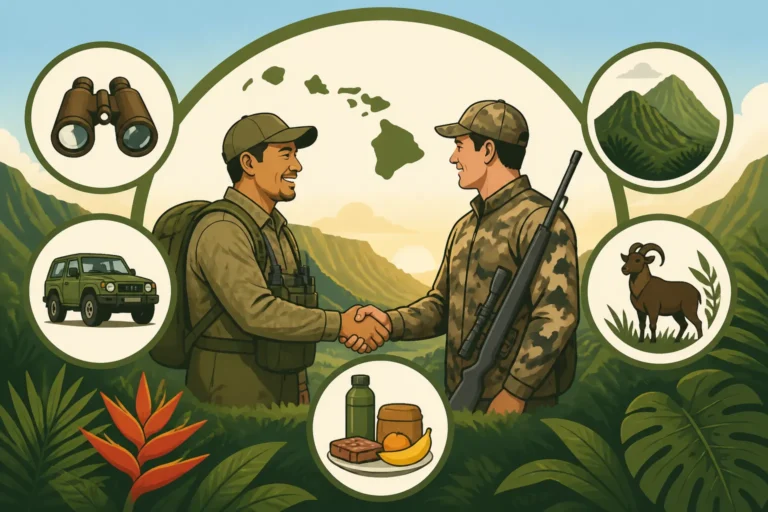
As a visitor, you are a guest on these islands, and integrating respectfully into the local hunting scene can greatly enhance your experience. This isn't just about avoiding conflict; it's about learning, sharing, and becoming a part of the 'ohana (family) of hunters, even if temporarily.
Observing Local Customs in the Field
When you encounter other hunters in the field, particularly local groups, observe how they operate. Some areas, especially on busy weekends, might have a fluid "first come, first served" understanding for prime spots. Be flexible and avoid crowding another party. A friendly nod, a wave, or a quick, polite "Aloha" can go a long way. If you see a group already working an area, consider moving to another spot. This respect for space and established presence is often appreciated.
It's also worth noting that some local hunters might be hunting for subsistence, and their approach might be different from someone pursuing a trophy. They might be focused purely on getting meat for their family. This perspective can influence how they view certain areas or animals. Understanding these differing motivations helps in fostering mutual respect and avoiding misunderstandings.
Being Open to Learning and Sharing Experiences
Hawaii offers a unique hunting experience due to its volcanic terrain, diverse microclimates, and distinctive game animals. You might find yourself Hunting Hawaii's High Elevation Alpine Ground one day and Hunting Pigs in Hawaii's Rainforest Gulches the next. Every hunter, no matter their experience level, can learn something new here. Be open to observations from local hunters about everything from navigating challenging terrain to reading subtle animal sign.
Similarly, be prepared to share some of your own experiences if asked. Hunting stories are a universal language, and a respectful exchange can build camaraderie. You might find common ground over tracking a tough pig or the excitement of seeing a big Axis buck. These informal exchanges are where true cultural understanding often begins, transcending mere rules and regulations to forge genuine connections. Just as you might use resources from GoHunt to plan your trip, consider the informal knowledge sharing among hunters as another valuable source of insight.
The Bigger Picture: Your Role in Hawaii's Hunting Future
Every hunter who visits Hawaii contributes to the perception of hunters in general. By demonstrating cultural etiquette, respecting the land, and interacting positively with locals, you become an ambassador for ethical hunting. This helps to ensure that hunting remains a viable and respected activity on the islands for future generations, benefiting both the local community and the delicate ecosystems that depend on balanced game populations. Your actions reflect not just on you, but on the entire hunting community.
Disclaimer
This article is for general informational purposes only and does not constitute professional advice. Laws, prices and regulations vary by location and change over time. Consult a qualified professional for guidance on your specific situation.