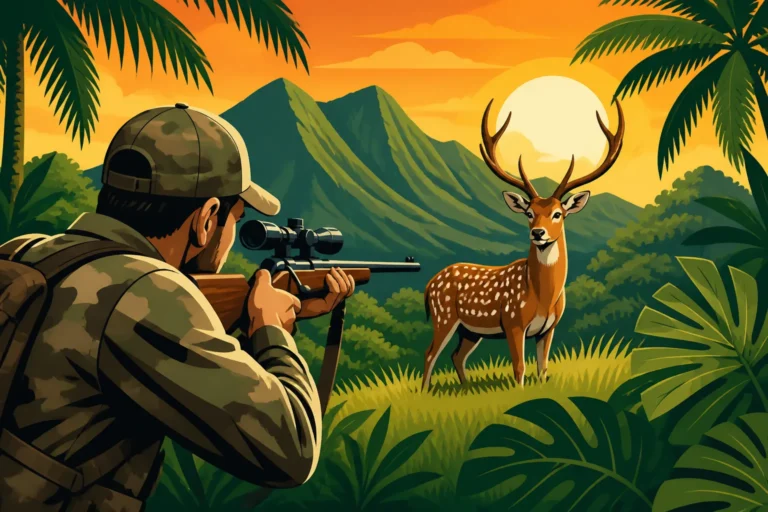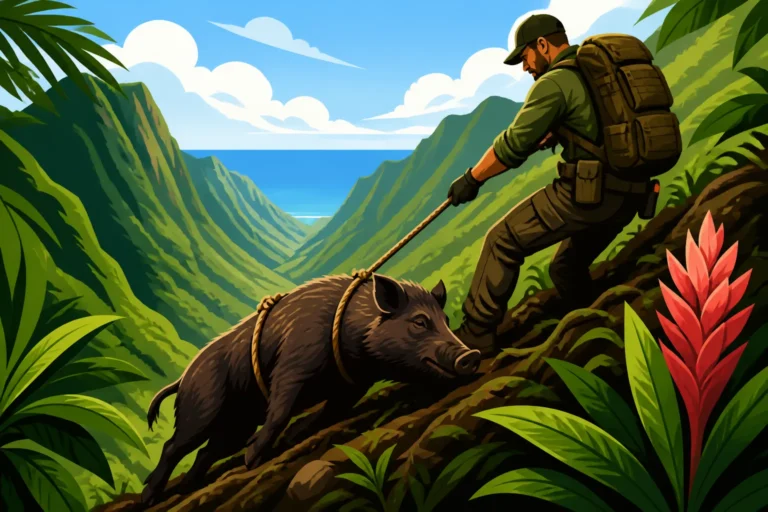
Hunting Kauai’s Muzzleloader Deer Days
Oh, the allure of hunting Kauai's black-tailed deer with a muzzleloader! It’s an experience that truly tests your skill and patience, often leaving hunters feeling frustrated by the island's dense cover and tricky winds. This comprehensive guide is dedicated to helping you unravel the complexities of Kauai’s muzzleloader deer days, from understanding the unique habits of these deer to mastering the specific tactics and preparations needed for a successful hunt in some of Hawaii’s most breathtaking yet challenging terrain.
Understanding Kauai's Black-Tailed Deer
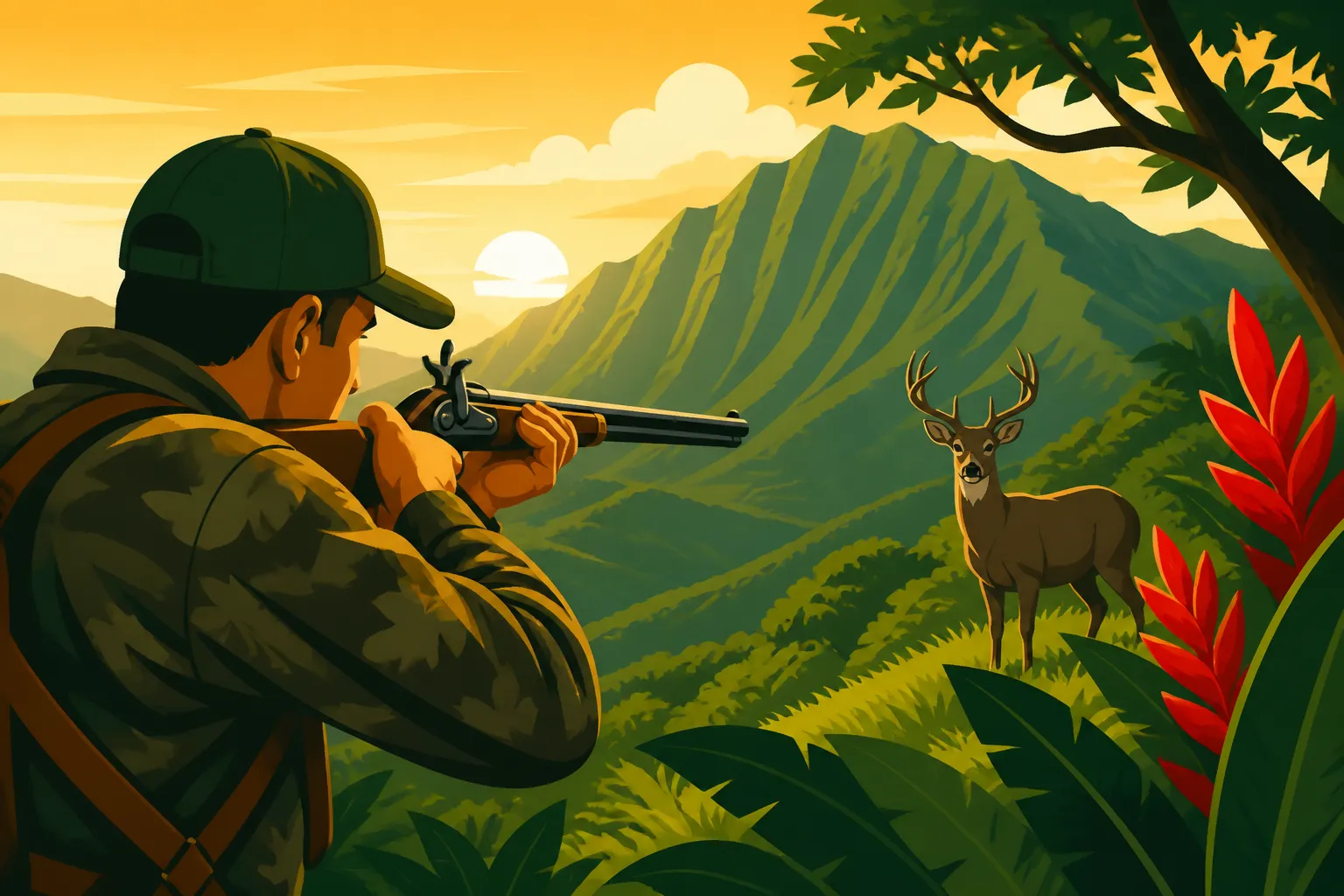
When we talk about hunting on Kauai, we're focusing on the majestic black-tailed deer. These aren't the Axis deer you might find on Maui or Lanai; they're a distinct challenge, brought to Kauai back in the 1960s and now thriving in specific areas. Unlike their Axis cousins who often prefer open grasslands, Kauai's black-tails are masters of the dense, rugged landscape, making them a truly rewarding pursuit for any hunter.
Where Kauai's Black-Tailed Deer Range
Kauai's black-tailed deer are predominantly found in the rugged, wild areas of the west side of the island. Think the expansive Kokee State Park and the dramatic Waimea Canyon. These aren't your easily accessible, flat hunting grounds. We're talking about deep gulches, steep canyon walls, and thick, often wet, forests that demand respect and serious effort. The terrain itself is a hunter's biggest challenge, forcing you to slow down, pay attention, and earn every step. If you're looking for a deeper dive into their habitat, check out this guide on Where Kauai's Black-Tailed Deer Range. These deer often stick close to the edges of the Kokee plateau, venturing into the canyon system for water and forage, or hiding in the thickets that line the numerous trails and old logging roads. They thrive in the mix of native and introduced vegetation, utilizing the dense undergrowth for bedding and security.
Behavioral Patterns During Cooler Months
The muzzleloader season often coincides with Kauai's cooler, wetter months, which can significantly influence deer behavior. While "cooler" is relative in Hawaii, the slightly lower temperatures mean deer might be more active during daylight hours, especially in the early mornings and late afternoons, rather than strictly sticking to nocturnal patterns like they might during the hotter, dryer parts of the year. They’ll still be seeking out sheltered areas, especially if the trade winds are strong or rain is persistent, but they might browse more openly along forest edges or clearings. Understanding how to Read Axis Deer Sign in Dry Country can give you some transferable skills, but remember that Kauai's conditions will vary, and pig sign often overlaps with deer sign, so keen observation is key. They'll frequent areas with fresh browse, and sometimes you can find them near the edges of disturbed areas where new growth emerges after heavy rains or even after local DOFAW crews have done some trail maintenance.
Deciphering Kauai's Muzzleloader Season Rules
Getting ready for a muzzleloader hunt on Kauai isn't just about loading your rifle; it's about navigating the specific rules and regulations that govern these hunts. Hawaii’s permit-tag system can be a bit different from what hunters from the mainland are used to, and Kauai has its own nuances, especially concerning season dates and weapon types. Don’t just show up hoping for the best; doing your homework beforehand is absolutely crucial. You’ll also want to be very familiar with Hawaii Hunting Licenses and What They Cost well in advance.
Securing Your Permit and Understanding the Draw
First things first, you’ll need a valid Hawaii hunting license. For black-tailed deer on Kauai, this isn't usually a lottery or drawn hunt for the opportunity to hunt the general season, but you do need to acquire an entry permit for the specific units. This is where sites like GoHunt Hawaii become your best friend. You'll use the GoHunt platform to apply for your unit entry permit, and sometimes, for special muzzleloader-only days, there might be a specific permit application or draw for limited tags. Always check the current year’s hunting regulations on the DLNR-DOFAW website or through the GoHunt portal well in advance. These permits are usually required for units like Kokee and the Waimea Canyon Rim. Don't underestimate the importance of understanding How Hawaii's Permit-Tag System Works – it’s not just a formality, it’s a non-negotiable part of legal hunting in the islands. Sometimes there are specific dates for applying, and missing them means you miss the season. Always verify the current year’s deadlines.
Legal Muzzleloader Requirements and Ammunition
Hawaii has specific rules about what constitutes a legal muzzleloader for big game. Generally, for deer, you're looking at a minimum .45 caliber rifle that loads from the muzzle. This typically means traditional black powder or approved synthetic substitutes (like Pyrodex) are your propellants. Smokeless powder is a no-go in most traditional muzzleloaders and is usually explicitly forbidden in Hawaii’s regulations. Pay close attention to projectile type as well; saboted bullets are usually fine, but again, always double-check the current regulations to avoid any headaches in the field. Also, make sure you understand Muzzleloader Caliber Minimums for Big Game before you even start packing. Keeping your powder dry in Hawaii's sometimes humid or rainy conditions is also paramount; a sealed powder flask or pre-measured charges in waterproof containers are highly recommended. This is a very different environment from hunting in dry, cold climates.
Essential Gear and Preparation for Kauai's Terrain
Hunting Kauai’s black-tailed deer, especially with a muzzleloader, isn't just a casual stroll. The terrain is brutal, the weather unpredictable, and the deer are cagey. Your gear needs to be robust, reliable, and appropriate for the challenges ahead. This isn't the place to skimp on quality or preparation.
Choosing the Right Muzzleloader and Optics
Given the dense cover and often steep, broken ground, a muzzleloader that is both accurate and reasonably lightweight is ideal. While a traditional flintlock might be romantic, an inline muzzleloader often offers greater reliability in variable weather and easier cleaning. Focus on a rifle that you can comfortably carry and shoot accurately offhand or with minimal support, as shots in the canyons can be steep and opportunities fleeting. As for optics, a good quality variable power scope (say, 3-9x or 2-7x) is generally sufficient. The shots are typically not exceedingly long in the thick stuff, but a clear, bright scope will help immensely in the often dim forest understory. Make sure your scope is waterproof and fog-proof – it’s Hawaii, after all! And whatever you choose, sight it in meticulously. Don’t trust an old zero; verify it before you head out, especially after traveling.
Navigating Kokee and Waimea Canyon Country
The Waimea Canyon, often called the "Grand Canyon of the Pacific," and the Kokee State Park area are physically demanding. You’ll encounter steep, slippery trails, dense jungle-like growth, and rocky, uneven ground. Good boots are non-negotiable. Look for waterproof, ankle-supporting boots with aggressive traction. Consider carrying trekking poles for stability on descents and ascents. Rain gear is also essential, even if the forecast looks clear; popup showers are common, especially on the windward slopes. Hydration is key, so carry plenty of water and purification tablets or a filter. A good map and compass, or a reliable GPS unit with topo maps, are lifesavers. Cell service can be spotty to non-existent in many areas. For more insight into what kind of terrain you'll be dealing with, read up on Hunting the Waimea Canyon Rim for Deer and Hunting Black-Tailed Deer in Kokee. You’ll be doing a lot of walking, climbing, and pushing through brush, so physical fitness isn't just a suggestion, it's a requirement for a safe and enjoyable hunt.
Tactics for Hunting Kauai Black-Tailed Deer with a Muzzleloader
Hunting these deer with a muzzleloader adds an extra layer of challenge. Your single shot means you need to be deliberate, patient, and precise. Forget spraying and praying; this is about making that one shot count.
Spot-and-Stalk in Steep Terrain
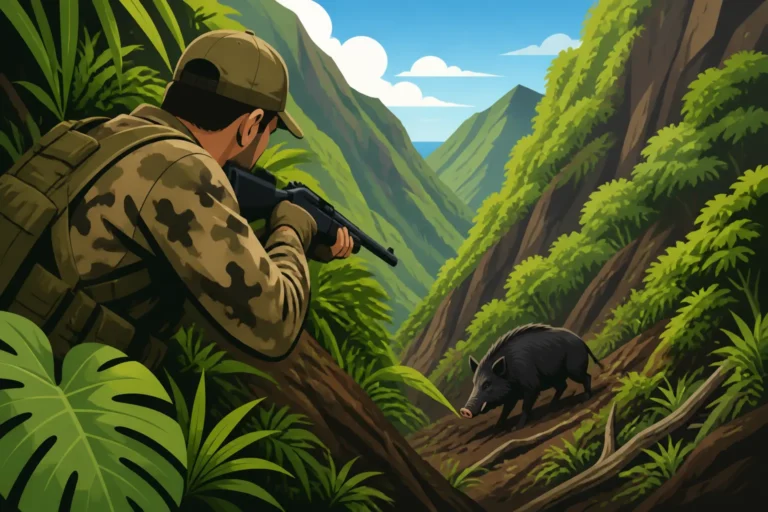
The broken topography of the Waimea Canyon system lends itself well to spot-and-stalk tactics, but with a twist. Instead of glassing wide-open plains, you’ll be scanning steep hillsides, small clearings, and the edges of kiawe and guava thickets. Find high vantage points overlooking likely feeding or bedding areas – particularly at first and last light. Once you spot a deer, the real work begins. The stalks are often brutal, requiring you to navigate down into a gulch, cross a stream, and climb the other side, all while trying to maintain stealth and keep the wind in your favor. Remember that Kauai’s thermals can be tricky, especially as the sun rises and falls, causing swirling winds in the canyons. This kind of nuanced approach is also critical when Spot-and-Stalk Axis Deer in Hawaii, so some skills transfer, but be ready for much denser cover.
Still-Hunting the Forested Edges
In the denser forested areas around Kokee, still-hunting becomes a more effective strategy. This involves moving incredibly slowly, pausing frequently to observe and listen. Take five steps, stop for five minutes, scan every shadow, listen for the rustle of leaves or the snap of a twig. The deer will be using the thick cover for concealment, and they have an uncanny ability to vanish. Focus on trails, old roads, and the edges of clearings where deer might browse. Pay attention to fresh tracks, droppings, and rubbed trees. These are clues that deer are in the area. Often, your first indication of a deer will be a flick of an ear or the flash of a tail as they bust out of cover. Your muzzleloader's limited range and single shot mean you need to get close, within reasonable ethical shooting distance, before you even consider taking a shot. For a broader understanding of different hunting methods, you might find Bowhunting Hawaii's Public Units interesting, as bowhunters also rely heavily on close-range tactics and stealth.
After the Shot: Field Care and Reporting
Making a good shot is just one part of the equation. On Kauai, where the temperatures are warm and the terrain is rough, swift and proper field care of your harvest is paramount. Neglecting this step means risking your hard-earned venison.
Field Dressing in Challenging Conditions
Once you’ve successfully harvested a deer, immediate field dressing is critical. The tropical heat and humidity can spoil meat incredibly quickly. Get the guts out as soon as possible to allow the carcass to begin cooling internally. Hang the deer, if possible, even for a short time, to help with bleeding and airflow. If you’re deep in a gulch, this might mean quartering the animal and packing it out in pieces. Make sure you have game bags to protect the meat from flies and dirt. Consider carrying a small, lightweight tarp to lay the meat on during the quartering process. This topic is covered in great detail in our guide on Field Care in Hawaii's Heat and Humidity, and it's a must-read for anyone hunting in the islands. Bringing plenty of water to rinse off tools and your hands, and to pour over the carcass for initial cooling, can also make a big difference.
Required Harvest Reporting and Check-Out
Hawaii has strict requirements for tagging and reporting your harvest. Immediately after the kill, you must affix your permit-tag to the carcass as specified in the regulations. This usually means attaching it to the antler or leg. Before you leave the hunting unit, you are required to check out, whether it's through a physical check station or, increasingly, via the GoHunt system or the OuterSpatial mobile app. Do not forget this step! Failing to check out or properly tag your animal can result in fines and loss of hunting privileges. Make sure you know Checking In and Out of Hawaii Hunting Units before you even step foot in the field. Be prepared to provide details about your harvest, including sex and, sometimes, age of the animal. This data is vital for wildlife management, helping DOFAW monitor deer populations and make informed decisions about future seasons.
Kauai Muzzleloader Season Quick Reference
To help you keep track of the key information for muzzleloader deer hunting on Kauai, here's a quick overview. Always remember that regulations can change, so consult the official DLNR-DOFAW website and GoHunt portal for the most current information before planning your trip.
| Unit/Area | Primary Species | Weapon Type | Season Dates (General) | Permit Type Required | Bag Limit | Notes |
|---|---|---|---|---|---|---|
| Kokee / Waimea Canyon | Black-tailed Deer | Muzzleloader | Variable (often specific weekends in cooler months) | Unit Entry Permit | Varies by season | Check current year's announcements for specific dates and unit conditions. |
| Na Pali-Kona | Black-tailed Deer | Muzzleloader | Variable (often specific weekends in cooler months) | Unit Entry Permit | Varies by season | Access can be extremely difficult. |
Please note: "General" season dates are illustrative. Always check the official Hawaii Department of Land and Natural Resources (DLNR) Division of Forestry and Wildlife (DOFAW) publications for exact dates, bag limits, and specific unit rules for the current hunting year.
Disclaimer
The information provided in this guide is for general informational purposes only and is not intended as legal advice or an exhaustive list of all hunting regulations. Hunting regulations in Hawaii are subject to change without notice. It is the individual hunter's responsibility to review and comply with all current federal, state, and county laws and regulations prior to hunting. Always consult the official Hawaii Department of Land and Natural Resources (DLNR) Division of Forestry and Wildlife (DOFAW) publications and website (such as GoHunt Hawaii) for the most up-to-date and complete information. Ensure you have all necessary licenses, permits, and stamps, and complete any required hunter education courses. Safety should always be your top priority.