Hunting a Windward Stream Valley
Hunting Hawaii's lush, wet windward stream valleys can feel like stepping into a whole different world compared to the dry leeward slopes. These aren't your open country hunts; they're a physical and mental challenge that tests your resolve against dense vegetation, slippery terrain, and relentless humidity. But for those willing to embrace the challenge, these valleys hold some of the islands' most elusive and sought-after game, particularly feral pigs. This guide will help you understand the unique environment, prepare with the right gear, and employ effective strategies to increase your chances of success in these unforgiving yet rewarding landscapes.
Understanding the Windward Stream Valley Ecosystem
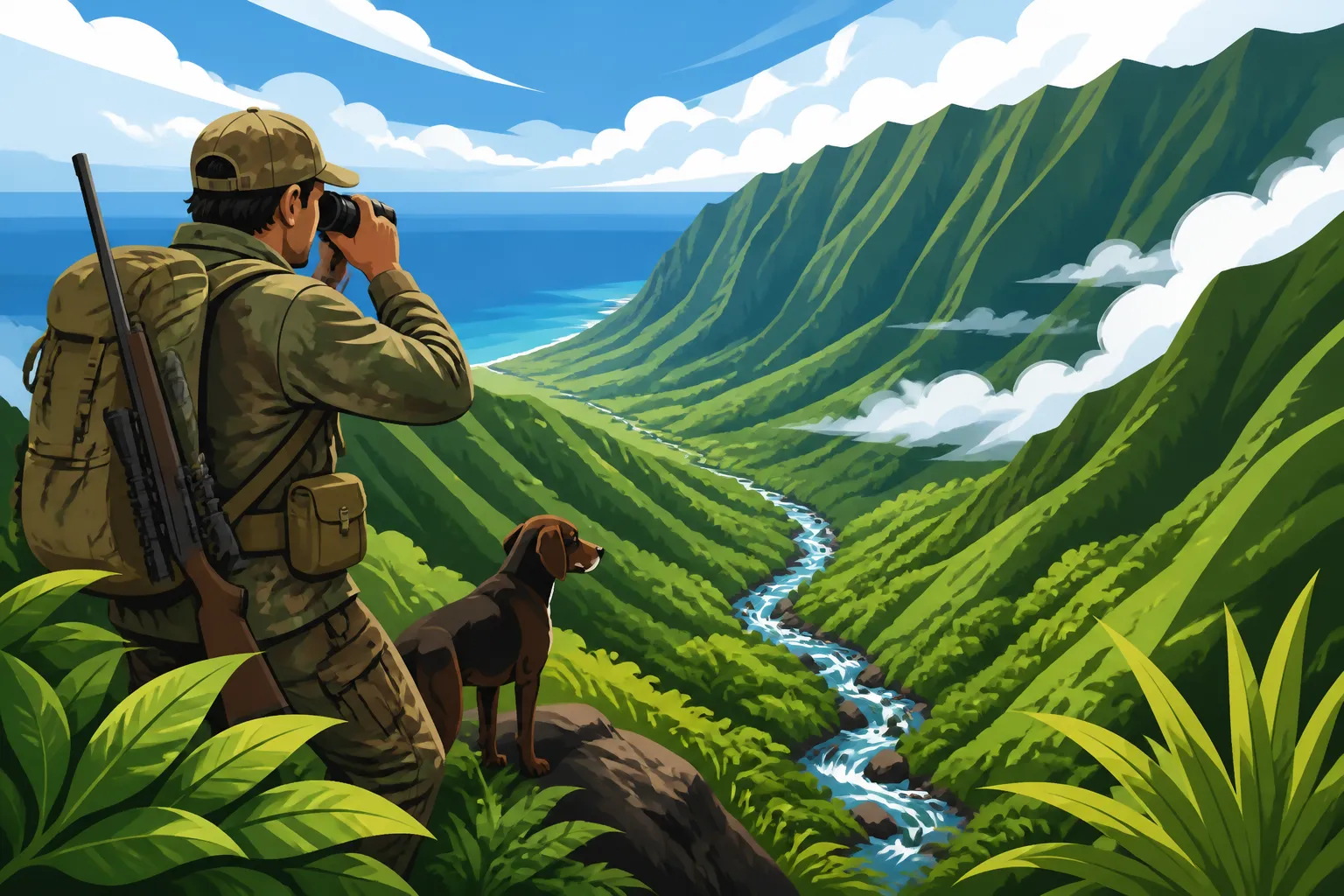
Hawaii's windward stream valleys are a world unto themselves, shaped by persistent trade winds, heavy rainfall, and the relentless flow of water. These aren't gentle trickles; many are deeply carved gulches that collect immense amounts of rain, creating dynamic, challenging environments. Hunters often overlook these areas due to their difficulty, but that's precisely why they can be so productive for finding unpressured game.
The Unique Challenges of Windward Terrain
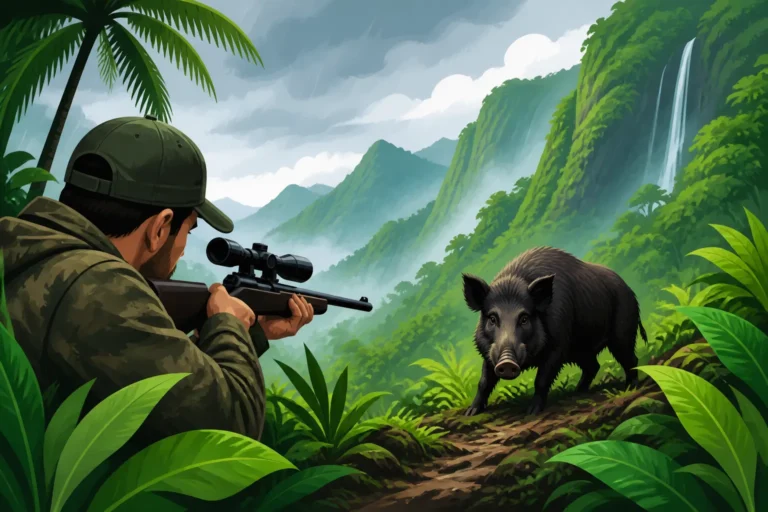
The moment you step into a windward stream valley, you're hit with an overwhelming sense of moisture and density. Rainfall is abundant, leading to incredibly thick, often impenetrable vegetation. You'll encounter sprawling guava thickets, towering ʻōhiʻa trees, and carpets of hāpuʻu ferns that can grow shoulder-high, severely limiting visibility to mere feet in some spots. This dense cover makes navigation a constant battle, forcing you to push through tangles of vines and brush with every step.
Adding to the complexity are the steep, often vertical slopes that define these valleys. Erosion from constant water flow creates crumbly banks and slick, muddy trails that can turn into waterfalls during heavy rains. Crossing streams can be treacherous, with slippery rocks and rapidly changing water levels. Flash floods are a real and present danger, especially during kona storms or prolonged downpours, making situational awareness and checking weather forecasts absolutely critical before and during your hunt. The humidity is another beast entirely; it saps your energy, fogs your optics, and makes scent control a nightmare, as your scent tends to hang heavy in the still, damp air.
Why Animals Live Here
Despite the harsh conditions, windward stream valleys are prime habitat for Hawaii's feral pigs and, in some cases, even goats and axis deer, particularly in areas where the forest transitions to drier slopes. The most obvious draw is water – a constant, reliable source that is vital for all wildlife, especially during dry spells in other parts of the island. These valleys often act as natural corridors, funnelling animals between different foraging grounds or bedding areas.
Beyond water, these ecosystems offer an incredibly rich buffet of food. Feral pigs, in particular, thrive on the abundance of fallen fruits from guava, wild mango, and thimbleberry, as well as the starchy roots of ferns and wild taro that grow along the stream banks. This constant food supply allows them to grow large and healthy. The thick cover, while a hindrance to hunters, is a sanctuary for animals, providing excellent bedding sites and escape routes from predators (of which there are few in Hawaii, aside from hunters). The cooler, shadier conditions within the valleys also offer a welcome respite from the intense tropical sun, making them ideal daytime retreats for pigs looking to wallow and escape the heat.
Essential Gear and Preparation for Stream Valley Hunts
Success in a windward stream valley hunt hinges not just on strategy, but on having the right gear and being mentally and physically prepared. This isn't a casual stroll; it's a demanding environment that will test every piece of equipment you bring. Don't skimp on quality or preparation.
Footwear and Clothing
Your feet are your foundation in these rugged environments, so investing in proper footwear is non-negotiable. You'll want sturdy, waterproof boots with aggressive traction. Think deep lugs and a stiff sole to grip slippery mud, wet rocks, and loose scree. While "waterproof" might sound ideal, remember that water will find a way in, either over the top or through consistent saturation, so quick-drying materials are just as important. Some seasoned hunters even prefer quick-draining, un-insulated boots combined with waterproof socks, recognizing that feet will get wet, and the goal is to keep them as comfortable and functional as possible. Having a second pair of boots or shoes to change into back at the truck is a luxury you'll appreciate immensely.
For clothing, think layers and quick-drying synthetics. Cotton is a definite no-go; once it gets wet, it stays wet, leading to chills and chafing. Opt for lightweight, breathable shirts and pants that can shed water and dry quickly. Long sleeves and pants are essential, not just for sun protection but also to protect against scratches from thorny kiawe, sharp lava, and biting insects. And speaking of water, "Rain Gear for a Windward Hawaii Hunt" is absolutely non-negotiable. Even on a clear morning, pop-up showers are common, and getting soaked miles from the trailhead can be dangerous. A good quality, durable rain jacket and pants will be your best friend. If you're planning on hunting with dogs, make sure your dogs are fitted with proper cut vests or pads to protect them from a boar's tusks and the dense underbrush.
Navigation and Safety Gear
In the dense, often featureless terrain of a stream valley, losing your way is a real possibility. Relying solely on a phone for navigation is a gamble, as cell service is often non-existent deep in these gulches. A dedicated GPS unit, like a Garmin inReach or a robust phone app like OuterSpatial with downloaded offline maps, is crucial. These tools allow you to mark waypoints, track your path, and navigate confidently. Furthermore, a satellite messenger device can be a lifesaver, allowing you to send emergency messages or communicate with loved ones even when you're completely off-grid.
Beyond navigation, a reliable headlamp is essential, even if you plan to be out before dark. Unexpected delays can happen, and navigating dense, wet terrain in the dark without light is an invitation to injury. A comprehensive first-aid kit, tailored for backcountry use, should always be in your pack. Focus on supplies for cuts, scrapes, sprains, and blisters, which are common in this environment. Hydration is paramount; bring far more water than you think you'll need, as the humidity and physical exertion can lead to rapid dehydration. High-energy snacks are also critical to keep you fueled. Always tell someone your hunting plan and expected return time. This simple step, combined with your satellite communication device, creates a crucial safety net.
Hunting Strategies for Windward Stream Valleys
Successfully hunting Hawaii's windward stream valleys requires a blend of patience, stealth, and an understanding of animal behavior in these unique environments. Whether you're still-hunting on your own or working with a team of dogs, adaptability is key.
Still-Hunting the Waterways
Still-hunting in a windward stream valley means moving incredibly slowly and deliberately, often at a snail's pace. The dense vegetation and uneven ground demand constant attention to every step. Your goal is to move silently enough to spot animals before they detect you. Use the ambient sounds of the flowing stream and rustling leaves to mask your own noise, particularly when moving uphill or against the wind. Focus your gaze not just forward, but also to the sides and behind you, as animals can appear from anywhere.
Look for fresh sign: muddy pig tracks along the banks, freshly rooted-up areas where pigs have been digging for food, rub marks on trees, or fresh scat. These tell-tale signs are crucial for "Reading Pig Sign Along a Muddy Trail". Pay close attention to pinch points where the valley narrows, areas where game trails cross the stream, or small, flat benches within the steep terrain, as these are natural travel corridors and bedding areas. Understanding wind direction is also critical. In valleys, thermals can be tricky, often flowing downhill in the morning and rising uphill in the afternoon, but cross-winds can also swirl unpredictably. Always try to approach with the wind in your face, or at least a quartering wind, to prevent your scent from spooking game. If you can manage to Still-Hunting Pigs in Hawaii's Wet Forest effectively, you'll be one of the few who consistently finds success on foot in these areas.
Using Dogs for Feral Pigs
For many local hunters, using dogs is the most effective and traditional method for hunting feral pigs in the impenetrable cover of windward stream valleys. A well-trained pack typically consists of "bay dogs" that locate and hold a pig by barking, and "catch dogs" that move in to secure the pig, allowing the hunter to approach. This method allows hunters to cover vast, otherwise inaccessible areas quickly and efficiently. Pig Hunting With Dogs in Hawaii is an exciting and intense experience, but it comes with its own set of responsibilities and safety considerations.
Hunter safety is paramount. When dogs bay a pig, the situation can be chaotic and fast-moving. Ensure you know the location of all dogs and hunting partners before moving in. The dense brush means you'll often be mere feet from a bayed pig without clear visibility. For "Legal Weapons When Hunting Pigs With Dogs", hunters often use knives or spears for a quick, humane kill once the pig is secured, to avoid the dangers of discharging a firearm in close quarters with dogs and other hunters. Modern GPS collars are a game-changer for this type of hunting, allowing hunters to track their dogs' movements and locate bays, especially when dogs are out of sight and deep in the thickest "GPS Collars for Pig Dogs in Thick Cover". Always adhere to local "Hawaii Dog Hunting Rules" and ensure your dogs are properly registered and permitted.
Scouting and Approaching the Valley
Effective hunting in windward stream valleys often begins long before you set foot in the field. Pre-hunt scouting is crucial. Use aerial maps (like those found on GoHunt or other mapping apps) to identify potential access points, natural features like waterfalls or benches, and areas of dense vegetation. Look for old logging roads or cattle trails that might provide easier access into the upper reaches of the valley. Understanding the topography from above can help you visualize travel routes and potential animal crossings.
When you do approach the valley on hunt day, consider an early morning entry. As the sun begins to warm the air, thermals will typically start to rise, carrying your scent uphill and out of the valley. This means you can often hunt downhill or across the contour more effectively in the early hours. Pay attention to how animals might use the terrain. Pigs often move between higher elevation bedding areas and lower elevation feeding grounds along the stream. Identifying these movement patterns can help you set up ambushes or intercept points. Focus on areas where food sources are concentrated, or where animals might come to water at specific times. "Hunting Pigs in Hawaii's Rainforest Gulches" often involves navigating these vertical movements and finding those subtle trails animals use.
Field Care and Extraction in Difficult Terrain
You've done the hard work, found your animal, and made a clean shot. Now the real challenge begins: field care and extraction. In the hot, humid, and rugged environment of a windward stream valley, this phase can be just as demanding, if not more so, than the hunt itself. Proper planning here is essential to ensure your hard-earned meat doesn't spoil and that you can get it out safely.
Field Dressing in Humidity
Hawaii's heat and humidity are notorious for spoiling meat rapidly if not handled correctly. The moment an animal is down, your priority shifts to "Field Dressing Axis Deer in Hawaii Heat" or a pig. Begin with immediate and thorough field dressing. Remove all internal organs as quickly as possible to allow the carcass to cool from the inside out. Even if you plan to quarter the animal, getting the guts out first is critical. Use game bags to protect the meat from flies and dirt.
If you're hours from your vehicle, you'll need to take extra steps for "Cooling Meat Fast on a Hawaii Hunt". This often means skinning and quartering the animal right there. Removing the hide allows more surface area for cooling, and breaking the animal down into smaller, manageable pieces makes it easier to pack out. Find a shady, breezy spot if possible, and hang the meat if you can, to promote air circulation. Some hunters carry small spray bottles of a vinegar-water solution to periodically mist the meat, which can help deter flies and inhibit bacterial growth. Every minute counts in this environment.
Packing Out Your Harvest
"Packing Meat Out of a Hawaii Gulch" is a brutal undertaking. Unlike flatter, drier terrain, a windward stream valley means navigating steep, slippery slopes, crossing treacherous streams, and pushing through dense vegetation with a heavy, awkward load on your back. This is where fitness and preparation truly pay off. For a pig or a goat, boning out the meat is almost always the best strategy, as it significantly reduces weight and bulk compared to carrying bone-in quarters. Sturdy game bags are a must to keep the meat clean and protect it during the journey.
A good quality pack with a robust frame and comfortable suspension is essential. Load it carefully, distributing weight evenly and securing everything tightly to prevent shifting. This is a situation where having a hunting partner is invaluable. You can share the load, help each other navigate difficult sections, and provide moral support when fatigue sets in. Expect it to take significantly longer to pack out than it did to hunt in, especially if you're alone. Having a plan for this phase, including designated rest stops and contingency routes, will make a huge difference in getting your meat home safely and successfully.
| Feature | Still-Hunting in Stream Valleys | Dog Hunting in Stream Valleys |
|---|---|---|
| Primary Target | Feral Pigs, Goats (less common) | Feral Pigs (primary) |
| Stealth Required | High (slow, silent movement) | Moderate (dogs make noise, but hunter tries to be quiet on approach) |
| Visibility | Extremely Limited (dense cover) | Extremely Limited (dense cover) |
| Physical Demand | High (constant navigating difficult terrain with quiet steps) | Very High (keeping up with dogs, running to bay, intense finish) |
| Gear Focus | Navigation, rain gear, quiet clothing, sturdy boots | GPS collars, cut vests for dogs, safety gear, reliable knife/spear |
| Learning Curve | Requires deep understanding of animal behavior, tracking, thermals | Requires dog training, understanding dog behavior, managing a pack |
| Pros | Can be peaceful, challenging, rewarding solo experience | Highly effective for dense cover, culturally significant, high action |
| Cons | Very low success rate for beginners, extremely slow going | High risk of injury to dogs/hunters, can be chaotic, requires multiple participants |
Disclaimer
Hunting in Hawaii involves inherent risks and demands careful adherence to all state and federal regulations. This guide is for informational purposes only and does not substitute for checking the latest rules and safety guidelines published by the Hawaii Department of Land and Natural Resources (DLNR) Division of Forestry and Wildlife (DOFAW). Always prioritize safety, respect private property, and practice ethical hunting. Conditions in Hawaii's natural environments can change rapidly, and hunters should be prepared for all contingencies.